This page explains how Australian packaging distributors typically source compostable produce bags for retail, fresh food, and food service markets.
It is written for buyers who need to balance compliance, supply stability, and internal approval, not marketing claims.
This is not a sales pitch. It is a practical sourcing reference. This guide reflects how most distributors actually make sourcing decisions.
For a broader regulatory overview, please refer to Australia compostable packaging requirements.
Who This Guide Is For
This guide is intended for:
- Packaging distributors and wholesalers in Australia
- Importers supplying supermarkets and fresh food retailers
- Produce bag buyers managing private label programs
- Procurement, quality, and sustainability teams
If you are responsible for sourcing compostable produce bags or produce roll bags for the Australian market, this page reflects how most distributors actually make decisions.
Step 1: Confirm the Regulatory Baseline First
Before looking at price or specifications, Australian distributors usually confirm regulatory fit. For produce applications, most distributors start by confirming whether AS4736 compostable produce bags are required for the Australian market.
For produce bags, this often means:
- Understanding whether AS4736 certification is required
- Confirming the bags are designed for industrial composting systems
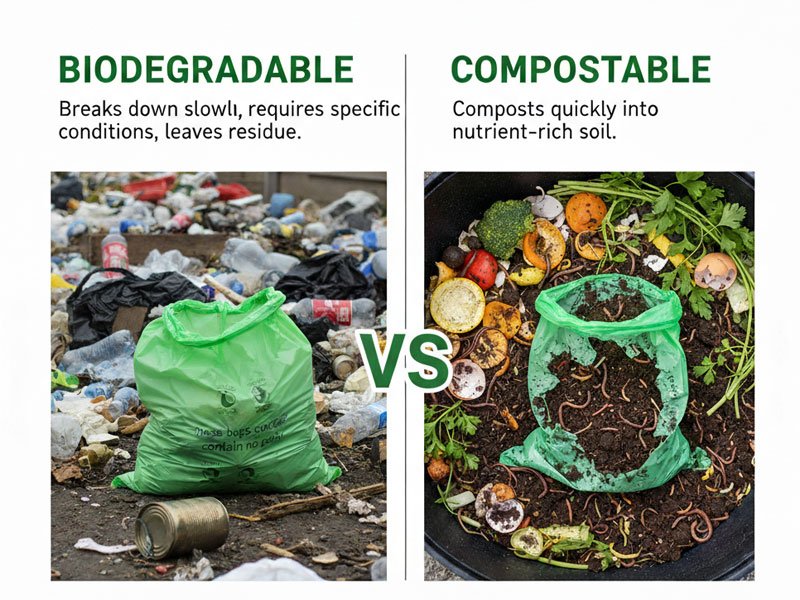
- Avoiding products described only as “biodegradable”
Most procurement teams start by aligning with Australian compostable packaging requirements, especially when supplying major retailers.
This step protects distributors from downstream compliance issues.
Step 2: Verify Certification, Not Just Claims
Once compostability is required, the next step is verification.
What Distributors Typically Check
Detailed guidance on AS4736 certification verification can help procurement teams reduce internal review time and avoid misinterpretation of claims. For certified compostable produce bags, buyers usually request:
- A valid AS4736 certificate
- The Seedling logo on product or documentation
- An ABA / ABAP licence number
- Confirmation that certification applies to the finished bag, not just raw material
Certification verification is often reviewed by both procurement and sustainability teams.
Why This Step Matters Internally
Many distributors supply multiple retailers or councils.
If one product fails compliance checks, it can affect the entire supply program.
Clear documentation reduces internal risk and speeds up approval.
Step 3: Assess Council and FOGO Compatibility
After certification, buyers often ask:
“Will this compostable produce bag be accepted in FOGO systems?”
The practical answer is: it depends.
How Distributors Handle FOGO Uncertainty
Experienced buyers usually:
- Review local council or processor guidelines
- Confirm that bags are AS4736-certified
- Ensure labelling is clear and not misleading
Experienced buyers often review local council FOGO acceptance guidelines to confirm whether compostable produce bags are permitted in specific regions.
Most distributors understand that no supplier can guarantee acceptance by all councils. Instead, they focus on reducing contamination risk through proper certification and labelling.
Step 4: Define Practical Bag Specifications
Once compliance is confirmed, distributors move to operational details.
Common Produce Bag Formats in Australia
Australian buyers most often source:
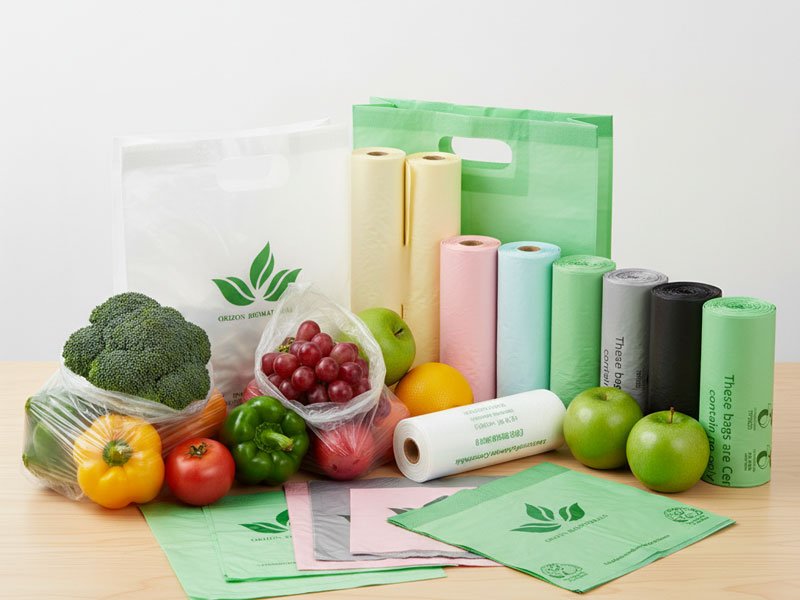
- Produce bags on rolls
- Flat or lightly perforated designs
- Standard roll counts for retail dispensers
These formats suit supermarkets, fruit shops, and fresh food markets.
These formats are widely used across retail supply chains. Buyers sourcing compostable produce bags wholesale in Australia typically prioritise certified, standardised specifications.
Typical Specification Questions
Before placing orders, buyers usually clarify:
- Bag dimensions and thickness range
- Roll length and core size
- Shelf life and storage conditions
- Food-contact compliance
- Outer carton labelling
Providing these details early helps avoid delays.
Step 5: Review Supply Stability and Manufacturing Capability
Australian distributors rarely choose suppliers based on price alone.
They also evaluate whether a manufacturer can support:
- Consistent batch quality
- Ongoing certification control
- Stable lead times for repeat orders
- Private label or wholesale programs
This is especially important for distributors supplying national retail chains.
Step 6: Prepare for Internal Approval and Audits
Before finalising a supplier, procurement teams often prepare documents for:
- Internal compliance review
- Retail customer audits
- Sustainability reporting
To support internal approval and audits, procurement teams may request an AS4736 certification pack from shortlisted suppliers.
Documents Commonly Requested
These often include:
- AS4736 certification documents
- ABA / ABAP licence confirmation
- Material declarations (PLA / PBAT based)
- Food-contact compliance statements
- Printing and ink declarations (if applicable)
Suppliers who can provide a complete document pack are easier to approve.
Step 7: Move to Wholesale or Private Label Supply
After approval, sourcing often moves into wholesale or private label compostable produce bags programs for long-term supply. After approval, sourcing usually shifts into one of these models:
- Wholesale compostable produce bags for distribution
- Private label produce bag programs
- Long-term supply agreements
At this stage, consistency and communication matter more than one-time pricing.
Common Mistakes Distributors Try to Avoid
Experienced buyers often avoid:
- Suppliers using unclear compostability claims
- Bags without visible Seedling logos
- Incomplete certification documents
- Overpromising on council acceptance
Avoiding these issues protects both the distributor and their retail customers.
Final Notes for Australian Packaging Distributors
When sourcing compostable produce bags in Australia:
- Compliance comes before cost
- Verification matters more than marketing language
- AS4736 certification reduces risk in FOGO systems
- Clear documentation simplifies audits and approvals
Well-documented products support long-term distribution programs.
Some distributors choose to discuss compostable produce bag supply with manufacturers who understand Australian compliance and distribution workflows.
Working With Manufacturers Who Understand the Australian Market
Distributors sourcing AS4736 compostable produce bags often prefer manufacturers who understand:
- Australian certification requirements
- Labelling expectations
- Distributor and wholesale workflows
This helps reduce friction throughout the sourcing process.