Custom Bin Liners Manufacturer | OEM & Private Label
Custom-made compostable liners for bins, waste systems and commercial B2B programs.
ORIZON manufactures compostable bin liners to buyer-defined dimensions, thickness, bag structure, seal type, roll configuration, color, printing and packaging.
We support distributors, importers, brands, retailers, hospitality suppliers, waste-management programs and other commercial buyers that need more than a standard stock liner.
- Custom Size
- Custom Thickness
- Flat or Star Seal
- Custom Roll Pack
- Printing & Branding
- Standard Custom MOQ From Approx. 500 kg
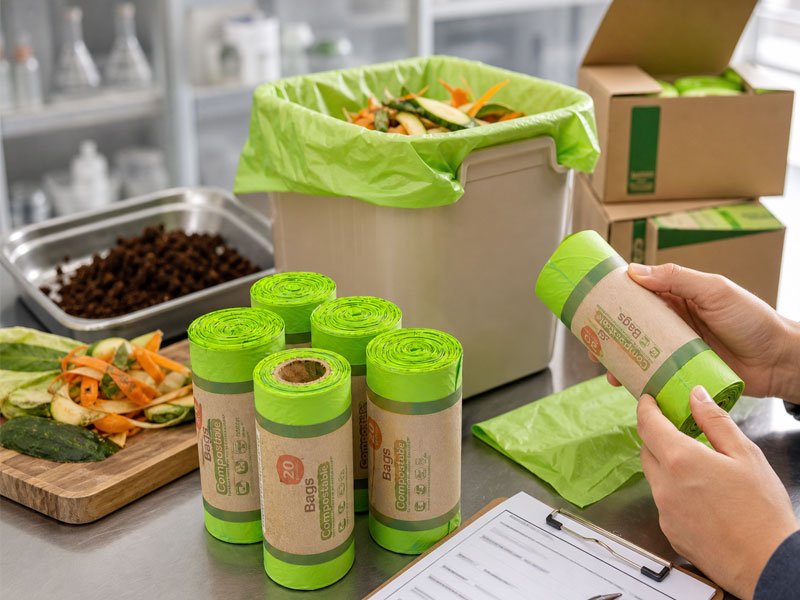
What Can Be Customized on Compostable Bin Liners?
A custom bin liner should be designed around the bin, waste type and way the liner will be used.
Size is only one part of the specification.
| Specification | Custom Options |
|---|---|
| Bag Width | Custom |
| Bag Length | Custom |
| Capacity | Based on bin and application |
| Thickness | Based on load and waste type |
| Bag Structure | Open top / handled where applicable |
| Bottom Seal | Flat seal / star seal |
| Film Color | Natural / green / black / custom |
| Transparency | Translucent / opaque depending on formulation |
| Printing | Logo / instructions / approved marks |
| Bags per Roll | Custom |
| Roll Format | Perforated roll / loose pack |
| Core | Standard / custom where applicable |
| Roll Label | Standard / custom |
| Retail Packaging | Optional |
| Rolls per Carton | Custom |
| Master Carton | Custom size / quantity / shipping marks |
| Private Label | Available for qualified B2B orders |
The final specification should be confirmed before production because bag dimensions, thickness and seal structure work together.
How We Size Custom Bin Liners to Fit Your Bins
A litre or gallon capacity alone is not always enough to determine the correct liner size.
Two bins with the same nominal capacity may have different heights, openings, bases and shapes.
For a better fit, we recommend providing the actual bin dimensions.
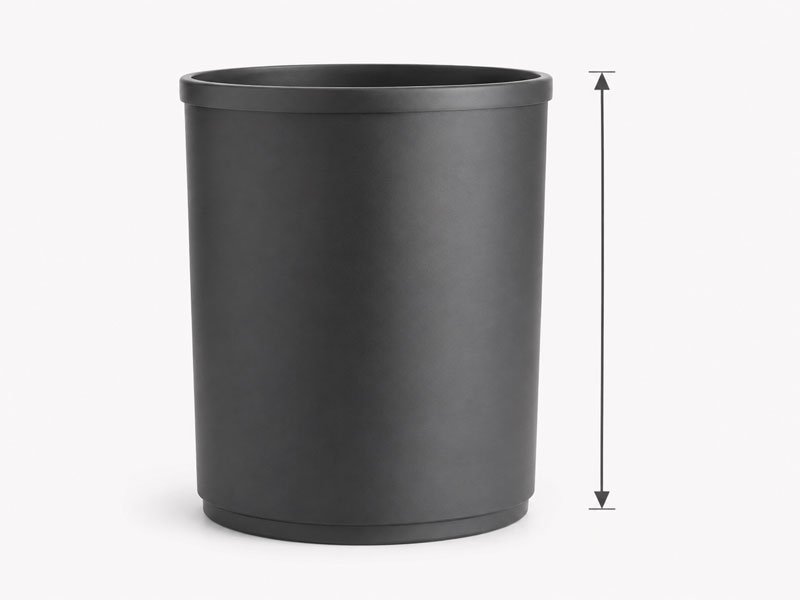
Round Bins
For round bins, useful measurements include:
- top diameter
- bottom diameter where different
- total bin height
- required liner overhang
- rim or handle details
The liner needs enough open width to fit around the bin and enough length to cover the base while leaving the required material over the rim.
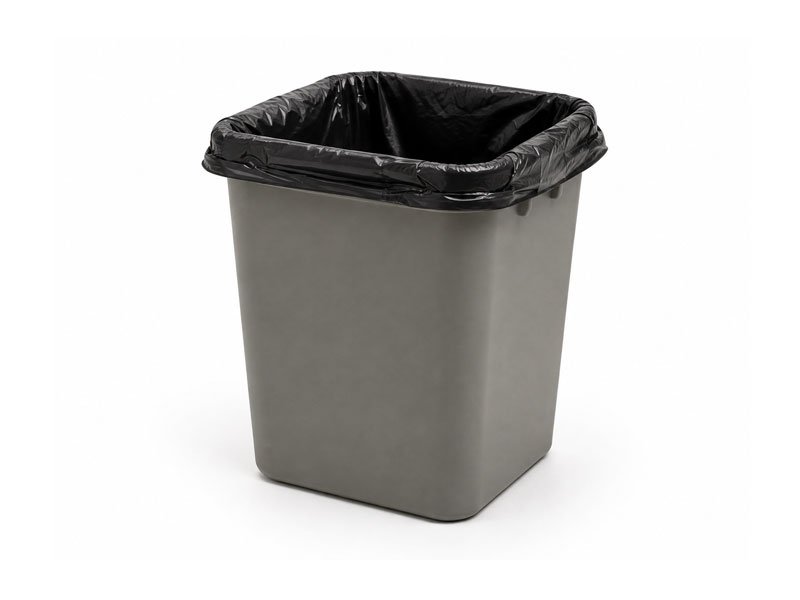
Square and Rectangular Bins
For square or rectangular bins, please provide:
- width
- depth
- height
- top opening dimensions
- bottom dimensions if tapered
- required overhang
The full perimeter is important when calculating the required open width.
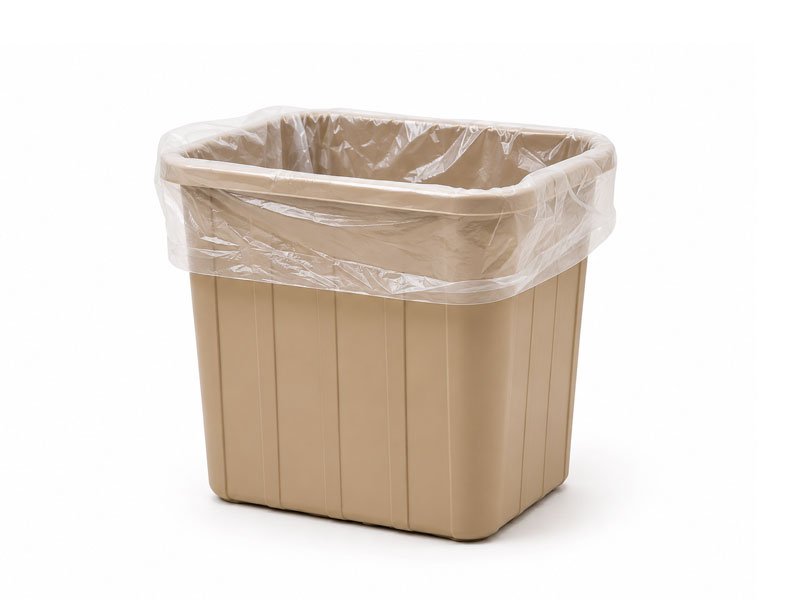
Tapered or Non-Standard Bins
Some kitchen caddies, hotel bins, commercial containers and proprietary waste systems are not simple cylinders or rectangles.
For these projects, you can send:
- a technical drawing
- photos with measurements
- the bin model
- an existing liner
- a physical reference sample
We can then review the dimensions required for production.
Why Overhang Matters
A liner should normally extend far enough over the rim to remain secure during use and allow practical removal.
Too little overhang can cause the liner to slip inside the bin.
Too much material can increase cost and create unnecessary bunching around the rim.
Custom Bin Liners by Capacity & Application
We manufacture custom liners for different bin sizes and waste-handling systems.
| Liner Range | Typical Applications |
| Small | Bathroom, desktop and small kitchen bins |
| Kitchen Caddy | Food scraps and organic waste |
| Medium | Kitchen, office, hotel and commercial bins |
| Large | Hospitality and commercial waste |
| Wheelie Bin | Organics, municipal and commercial collection |
| Custom | Proprietary bins and non-standard waste systems |
For standard product ranges, see our dedicated compostable bin liner and garbage bag pages.
For non-standard requirements, dimensions can be developed from your actual bin or existing liner.
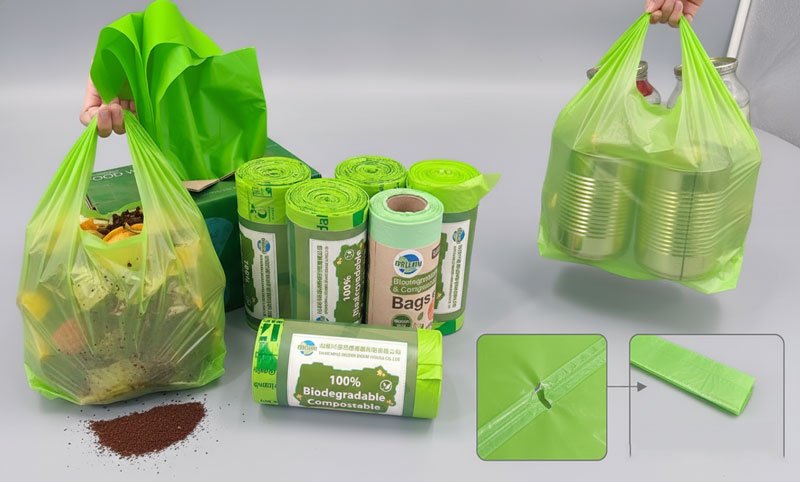
Custom Thickness Based on Waste Type
The correct film thickness depends on more than the size of the bin.
A larger liner does not automatically require the same thickness for every application.
Thickness should be reviewed according to:
- liner dimensions
- expected waste weight
- wet or dry contents
- puncture risk
- bottom seal
- carrying distance
- frequency of liner replacement
- roll configuration
- cost target

Office and Hotel Waste
Office and hotel bins often contain lighter, relatively dry waste.
The main considerations are usually:
- correct bin fit
- easy removal
- efficient material use
- suitable roll quantity
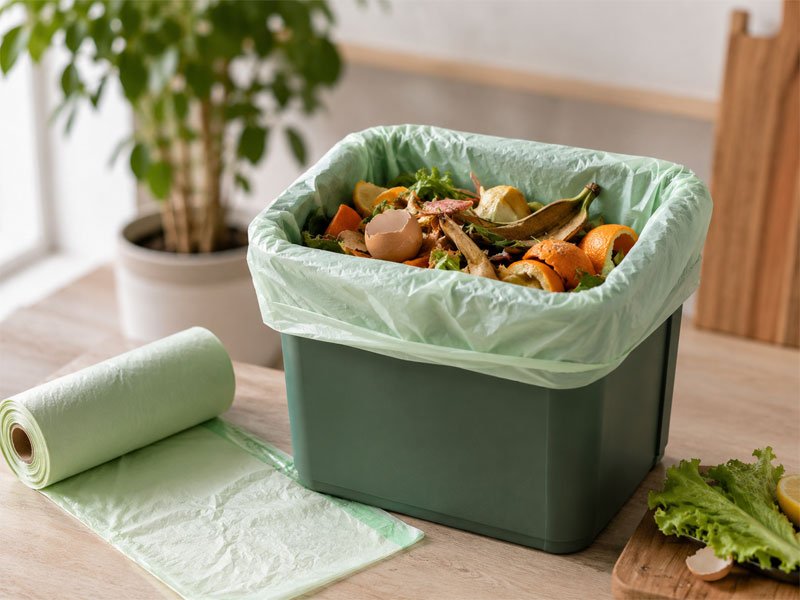
Kitchen and Food Waste
Food waste places different demands on the liner.
Important factors include:
- moisture
- load
- seal integrity
- puncture resistance
- leak control
- compostability requirements
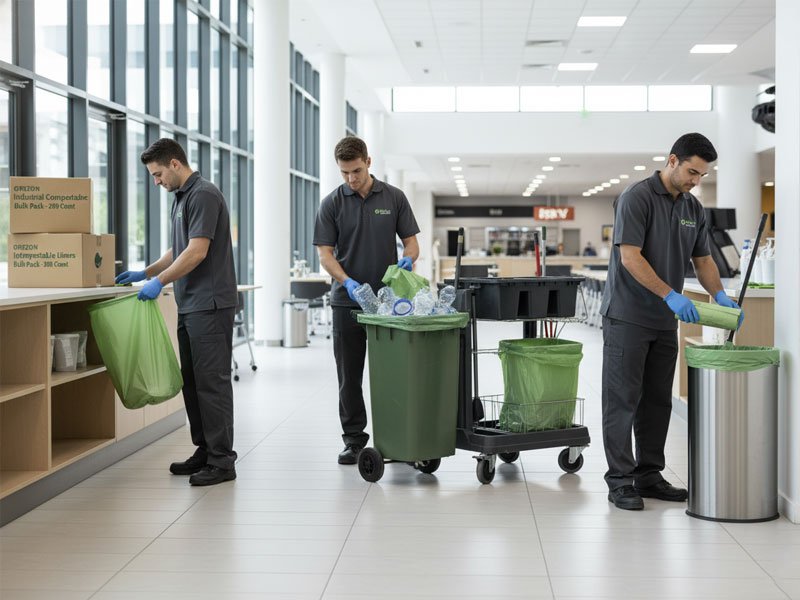
Commercial Waste
Commercial liners may need to handle heavier or less predictable contents.
Bag dimensions, thickness and bottom structure should therefore be reviewed together.
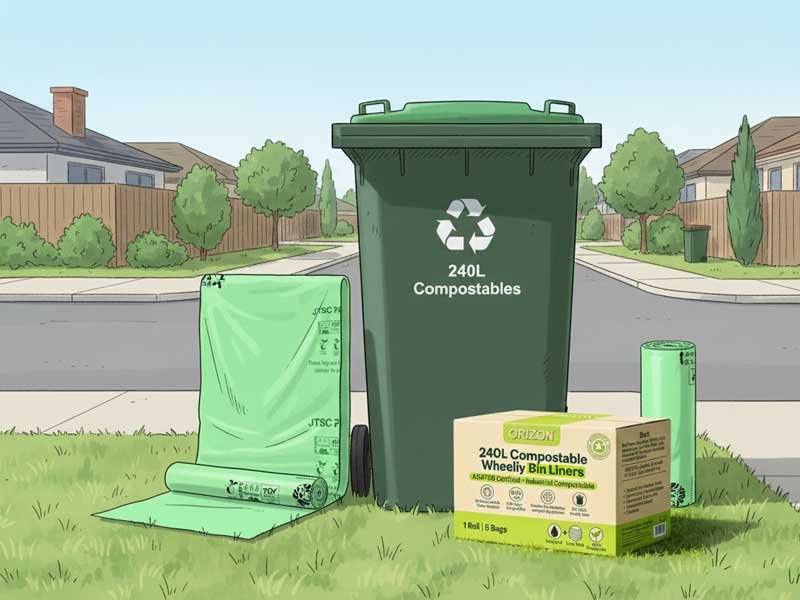
Wheelie Bin and Organics Programs
Larger organics liners require attention to:
- bin fit
- liner weight
- wet waste
- seal structure
- collection process
- certification requirements
The best thickness is the one that meets the application without using unnecessary material.
Flat Seal vs Star Seal Bin Liners
Bottom construction affects how the liner fits the bin and how load is distributed.
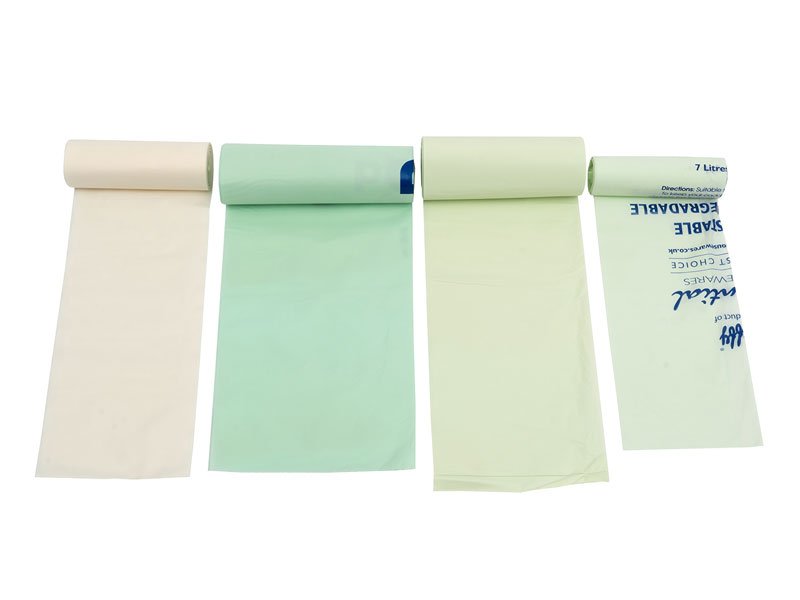
Flat Seal
A flat seal creates a straight seal across the bottom of the liner.
It is a simple structure suitable for many general-purpose applications.
It may be considered for:
- light waste
- dry waste
- selected office applications
- simple liner formats
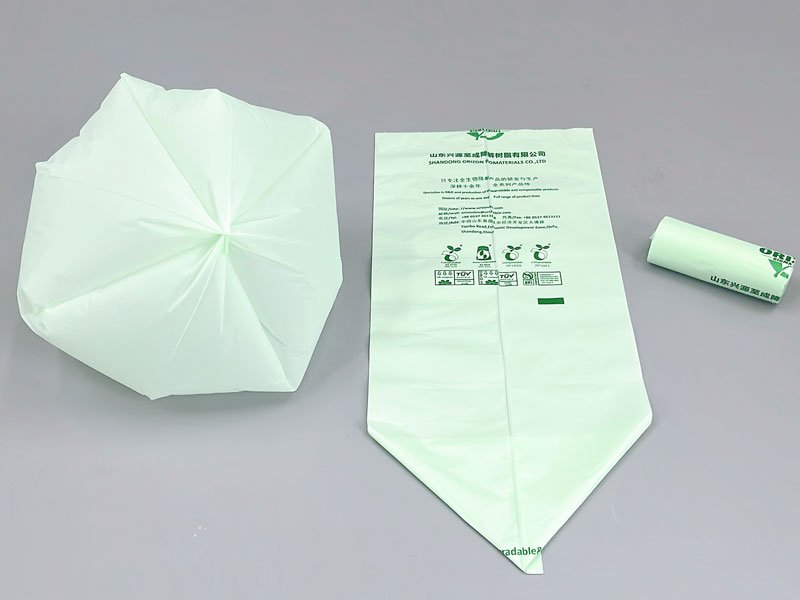
Star Seal
Star-seal construction gathers the bottom of the bag and distributes material around the base.
It is widely used for waste liners where buyers need:
- improved fit
- better load distribution
- wet-waste handling
- reduced concentration of stress at one straight bottom seal
The correct seal should be selected together with liner width, thickness and waste type.
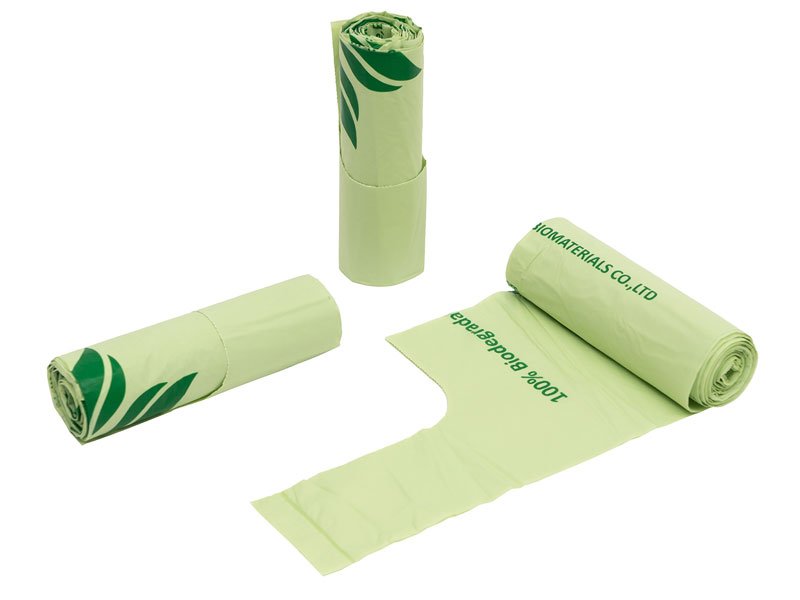
Handle and Closure Options
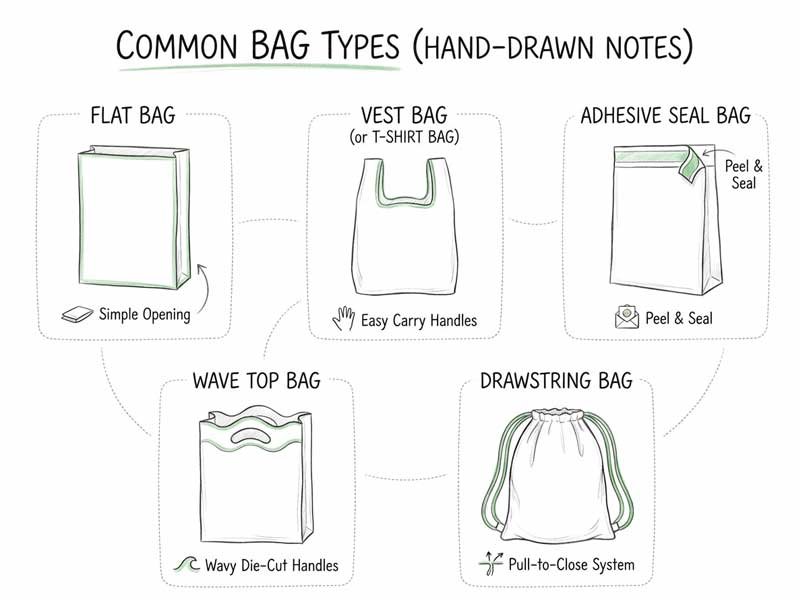
Depending on the bag format and production requirements, suitable projects can also review:
- open-top liners
- tie-handle formats
- drawstring formats
Closure design should match how the liner will be removed, tied and transported.
Customize the Liner Around the Waste Stream
Different waste streams place different demands on a liner.
| Waste Stream | Main Specification Considerations |
| Food Waste | Moisture, seal, leak resistance |
| Kitchen Waste | Fit, strength and removal |
| Office Waste | Light load and efficient material use |
| Hotel Waste | Reliability and easy replacement |
| Hospitality | Mixed waste and frequent use |
| Commercial Kitchen | Wet load and seal strength |
| Organics / FOGO | Certification and wet-waste handling |
| Municipal Collection | Fit, printing and repeat consistency |
| Facility Management | Load, puncture risk and bulk supply |
If you are changing from a conventional PE liner to a compostable liner, send us the current size, thickness and application.
We can use the existing product as a reference when developing the compostable version.
Custom Roll & Packing Configurations
Bin liners can be supplied in different roll and packing formats according to the buyer’s operating and retail requirements.
These categories support faster selection for common bin sizes and use cases.
Bags per Roll
The number of liners per roll can be customized.
The correct quantity depends on:
- liner dimensions
- thickness
- finished roll diameter
- retail pack format
- carton weight
- end-user requirements
Perforated Rolls
Perforated rolls allow liners to be separated individually during use.
Perforation should provide easy tearing without creating problems during winding or transport.
Loose or Folded Packing
Some commercial projects may use loose, folded or stacked configurations rather than traditional rolls.
Feasibility depends on the liner size and packing requirements.
Rolls per Carton
Roll quantity per master carton can also be customized.
Carton configuration should consider:
- roll dimensions
- carton gross weight
- warehouse handling
- pallet loading
- shipping efficiency

Custom Film Color
Compostable bin liners can be manufactured in different film colors according to the application, brand or waste stream.
Options may include:
Natural
Green
Black
Custom color references
Color may be used for:
- brand identity
- waste-stream identification
- municipal programs
- retail differentiation
- opacity requirements
Where a controlled brand color is required, a Pantone reference can be provided for review.
Film thickness, base material and masterbatch loading can influence the final appearance.
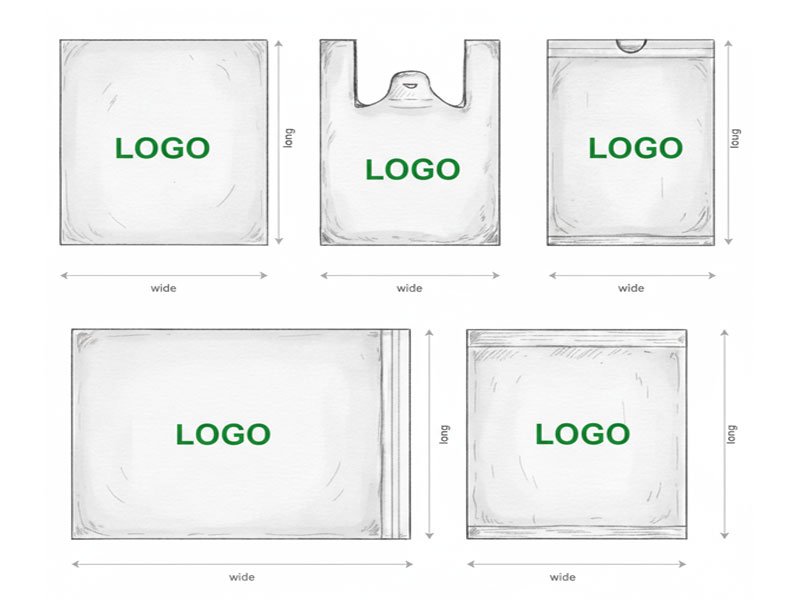
Custom Printing for Bin Liners
Bin liners can be printed for suitable bulk production projects.
Typical printed content includes:
- company logo
- brand name
- waste-stream identification
- food-waste instructions
- FOGO instructions
- disposal guidance
- multilingual text
- certification or conformity marks, where applicable and authorized
Printing should be reviewed together with the film color, bag size and final artwork.
For detailed information about flexographic printing, water-based inks, Pantone colors and artwork requirements, visit our dedicated printing page.
Private Label Bin Liners & Can Liners
Custom compostable bin liners and can liners can be developed for private-label retail, wholesale and distribution programs.
Private-label requirements may include:
- branded liner printing
- custom roll labels
- retail boxes
- product information
- barcode or SKU labels
- custom carton markings
- buyer-specific packing
- environmental or certification claims supported by the applicable finished-product documentation
The liner specification should be confirmed before retail packaging is finalized because bag size, thickness and roll diameter can affect the required box or carton dimensions.
For a complete branded packaging program, visit our Private Label Packaging page.
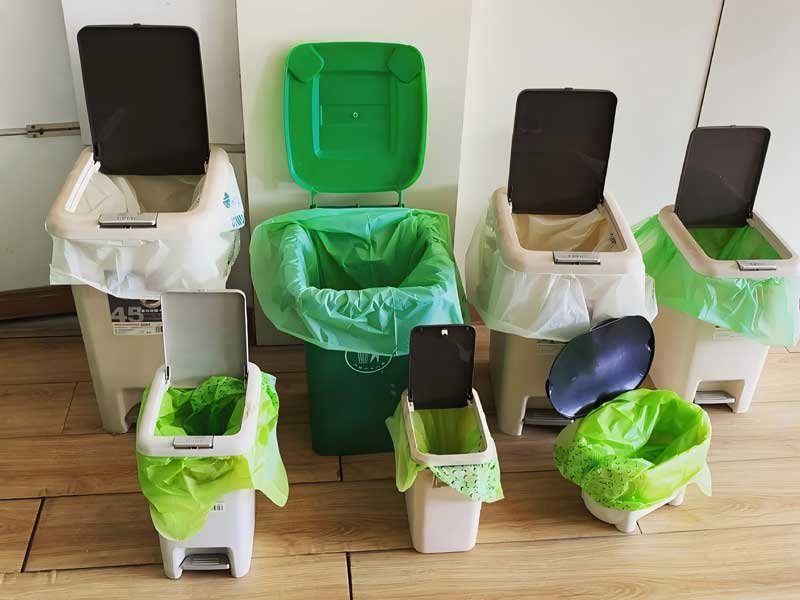
Bin Liners, Can Liners and Trash Liners
Different markets use different terms for similar waste-liner products.
“Bin liner” is common in the UK, Australia and many other markets.
“Can liner” and “trash liner” are widely used in North American commercial and institutional purchasing.
For B2B sourcing, these terms may refer to similar products, but the actual specification should always be defined by:
- dimensions
- capacity
- thickness
- material
- seal structure
- waste application
- roll or pack format
ORIZON focuses on compostable liners rather than conventional PE or HDPE can liners.
Certification & Documentation for Custom Bin Liners
Compostability certification should be reviewed against the actual finished liner specification rather than inferred from the material formulation, intended use or product similarity.
Relevant technical standards may include EN 13432, ASTM D6400, AS 4736 and AS 5810, depending on the intended market and composting environment.
Third-party certification programs and conformity marks may include those administered by TÜV AUSTRIA, BPI, ABA and DIN CERTCO.
ORIZON’s current OK compost INDUSTRIAL and OK compost HOME certificates by TÜV AUSTRIA cover the stated Product Types “Bags for collection of biodegradable refuse” and “Shopping bags (check-out bags)”, subject to the conditions and specifications stated in the applicable certificate.
Certification does not automatically apply to every custom bin-liner configuration. Applicability must be confirmed against the applicable current certificate, product classification and final finished-product specification, including relevant factors such as material formulation, dimensions, thickness, colour, additives, printing and finished bag structure.
Certification or conformity marks should only be used where the applicable authorization and mark-use requirements are satisfied.
MOQ & Production Planning
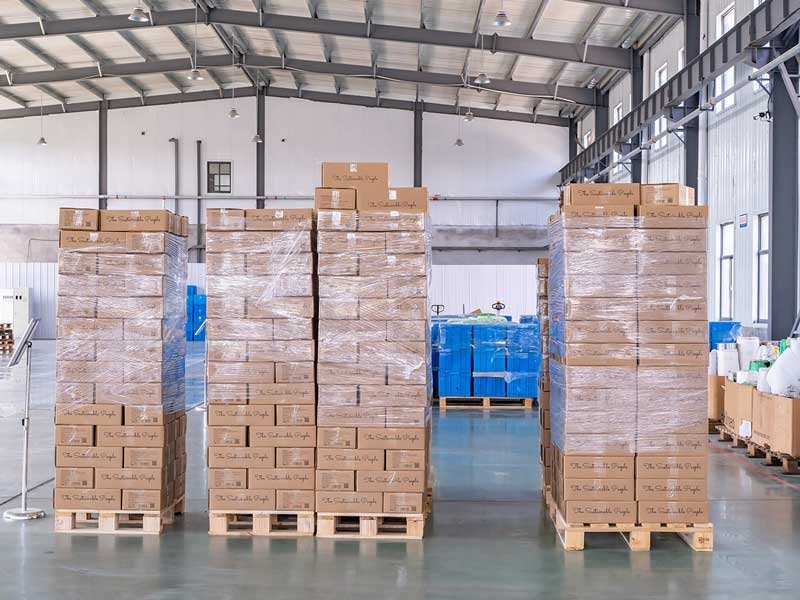
Custom compostable bin liners are manufactured for bulk B2B orders.
Standard customized production typically starts from approximately 500 kg per specification or design.
The equivalent number of liners, rolls or cartons varies according to liner dimensions, thickness, structure, film colour, printing, roll configuration and packaging requirements. Product-specific trial quantities may differ.
The actual MOQ depends on:
- liner dimensions
- thickness
- film color
- bag structure
- printing design
- roll quantity
- packaging requirements
Different sizes, colors or printed designs may require separate production quantities.
For multi-SKU programs, send the required quantity for each liner so we can review the most practical production arrangement.
Lead time depends on the approved specification, production quantity, custom color, printing, packaging materials and current production schedule.
Direct Compostable Bin Liner Manufacturer
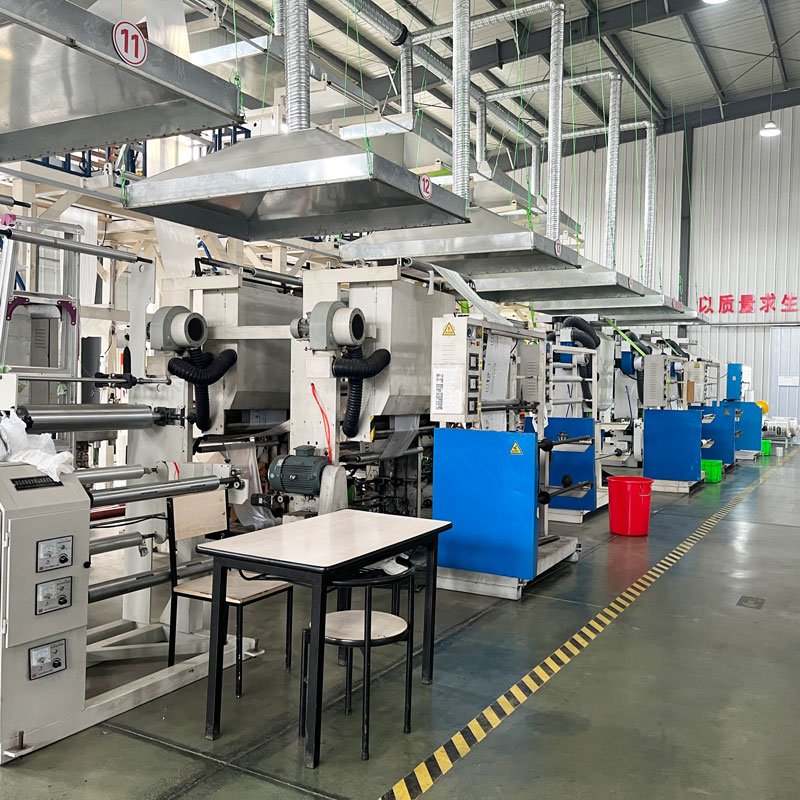
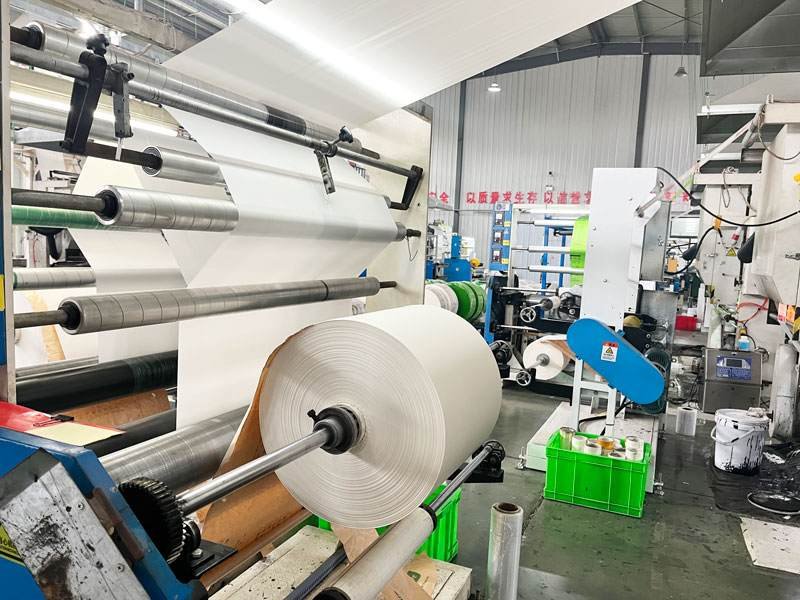
ORIZON is a China-based compostable bag manufacturer focused on B2B production.
Our manufacturing profile includes:
- Manufacturing since 2009
- Approx. 20,000 m² total manufacturing site
- 16 production lines
- Approx. 500 metric tons/month production capacity
- Custom B2B manufacturing
- International export supply
Our main compostable bag categories include:
- bin liners
- garbage bags
- shopping bags
- produce bags
- mailer bags
- garment bags
- dog waste bags
For custom bin liner projects, we review the liner dimensions, thickness, structure, packing and target market before production.
How to Specify a Custom Bin Liner
A clear specification helps us calculate material requirements and pricing more accurately.
Please provide:
- Bin type or application
- Bin capacity if known
- Bin width or diameter
- Bin depth where applicable
- Bin height
- Required liner overhang
- Existing liner dimensions, if available
- Required liner thickness
- Bottom seal
- Film color
- Printing requirements
- Bags per roll or pack
- Rolls per carton
- Estimated order quantity
- Destination market
- Required certification
If you do not know the final liner size, send us:
- bin measurements
- bin drawing
- bin model
- photos
- existing liner
- physical sample
We can review the information needed to develop the liner specification.
FAQ
Yes. Width, length, thickness and bag structure can be customized according to the actual bin dimensions and intended application.
For the most accurate review, provide the bin width, depth or diameter, height and required liner overhang. For tapered or non-standard bins, you can also send a drawing, photos, an existing liner or a physical reference sample.
The terminology varies by market.
“Bin liner” is widely used in the UK, Australia and many other markets, while “can liner” and “trash liner” are common terms in North American commercial and institutional purchasing.
For B2B sourcing, the important details are the actual dimensions, thickness, material, seal structure, waste application and roll or pack format.
ORIZON focuses on compostable bag products.
We do not manufacture conventional HDPE, LDPE or recycled-PE can liners. Our custom liner projects use compostable formulations developed according to the required finished-product specification.
Yes. Private-label projects can include custom liner dimensions, film colour, logo printing, roll labels, retail packaging, barcode or SKU labels and custom master cartons.
Bag structures such as flat-seal, star-seal and selected drawstring formats can also be reviewed according to the final specification and production requirements.
Certification or conformity marks may only be used where applicable and authorized.
Thickness depends on the liner dimensions, intended waste type, expected load, moisture exposure, puncture risk and bottom-seal structure.
A thicker film does not automatically provide better performance.
Thickness should be selected together with the complete finished-product specification and intended application.
This depends on the intended environmental claim, destination market, composting environment and final finished-product specification.
Relevant technical standards may include EN 13432, ASTM D6400, AS 4736 and AS 5810, while third-party certification programs may include those administered by TÜV AUSTRIA, BPI, ABA and DIN CERTCO.
Certification applicability should be confirmed against the applicable current certificate, product classification and final finished-product specification before certification claims or conformity marks are used.
A thicker film does not automatically provide better performance.
Thickness should be selected together with the complete finished-product specification and intended application.
Standard customized production typically starts from approximately 500 kg per specification or design.
The equivalent number of liners, rolls or cartons varies according to liner dimensions, thickness, structure, colour, printing, roll configuration and packaging requirements. Product-specific trial quantities may differ.
Need a Custom Bin Liner?
Send us your bin size, liner specification or reference sample.
We’ll review the proposed liner dimensions, thickness, structure, roll configuration and packing requirements for your project.