When sourcing dog waste station bags for parks, HOAs, or municipal programs, understanding bag size and technical specifications is critical.
This guide explains why 8 × 13 inches is the industry standard, how bag rolls affect maintenance frequency, and how core type and thickness directly impact operational cost and breakage rate—from a manufacturer’s perspective.

Why 8 × 13 Inches Is the Industry Standard
8 × 13 dog waste station bags have become the global standard for commercial dog waste stations for three practical reasons:
1. Capacity Fits Most Dog Sizes
- Holds waste from small to large breeds
- Allows safe hand coverage when picking up
- Enough length to tie securely without leakage
Anything smaller increases complaint rates; anything larger increases material cost and waste.
2. Universal Dispenser Compatibility
Most dog waste station dispensers on the market are designed around 8-inch bag width:
- Fits standard roll holders
- Compatible with metal, plastic, and stainless steel stations
- Reduces risk of jams or misfeeds
For B-end buyers, compatibility reduces replacement complexity across different station brands.
3. Optimized Cost per Use
From a manufacturing standpoint, 8 × 13 strikes the best balance between:
- Resin usage
- Roll yield
- Shipping efficiency
- Long-term maintenance cost
That’s why 8 × 13 dog waste station bags dominate municipal tenders worldwide.
Bag size is only one part of selecting the right dog waste station solution.For a broader understanding of how dog waste station bags are used, supplied, and managed in public environments, see our B2B guide to dog waste station bags.
Dog Waste Station Bag Rolls: Quantity vs Maintenance Frequency
Common Roll Configurations
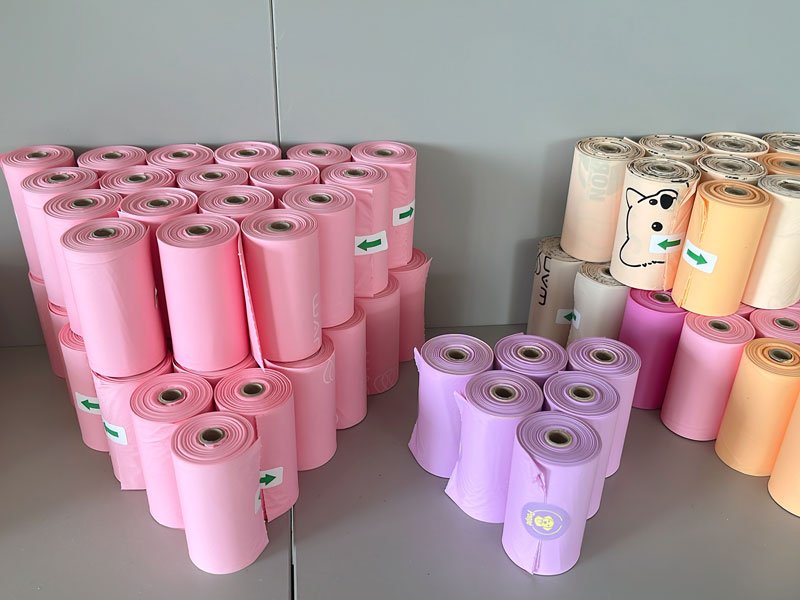
Typical dog waste station bag rolls include:
- 200 bags per roll (most common)
- 250 bags per roll (high-traffic areas)
- 300+ bags per roll (custom OEM projects)
How Roll Size Affects Operations
| Bags per Roll | Refill Frequency | Best Use Case |
|---|---|---|
| 200 | Standard | Parks, residential HOAs |
| 250 | Reduced | Dog parks, busy sidewalks |
| 300+ | Minimal | Municipal bulk programs |
More bags per roll = fewer service visits, which directly lowers:
- Labor cost
- Vehicle usage
- Station downtime
For large-scale buyers, roll capacity often matters more than unit price.
Coreless vs Paper Core Dog Waste Station Bags
Coreless Bag Rolls (Recommended for B2B)
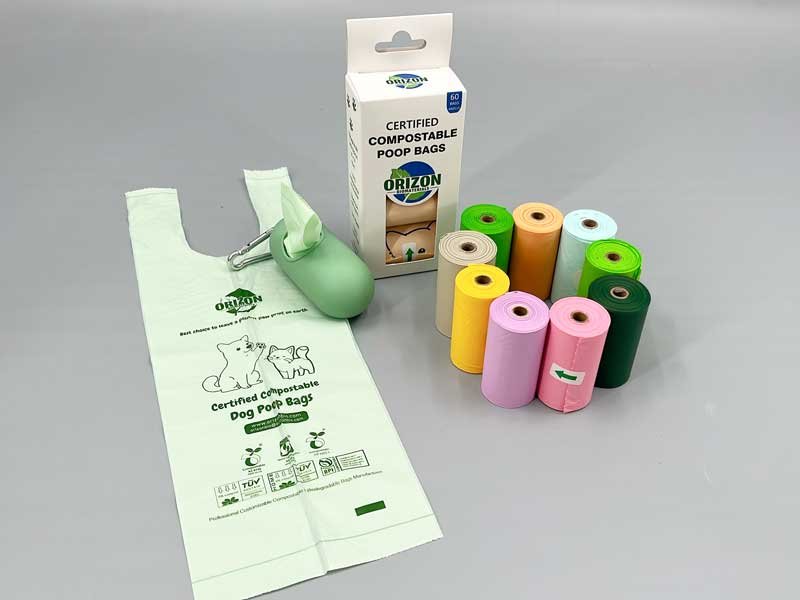
Coreless dog waste station bags eliminate the cardboard tube entirely.
Advantages:
- Less waste disposal
- Higher bag count per carton
- Lower shipping volume
- More eco-aligned with compostable programs
Most modern dispensers fully support coreless rolls.
Paper Core Rolls
Still used in older dispenser systems.
Disadvantages:
- Cardboard waste
- Lower bag density per box
- Higher logistics cost
From a manufacturer’s view, coreless rolls are the future for commercial dog waste stations.
Thickness: How It Affects Breakage Rate
Bag thickness is one of the most misunderstood specifications in dog waste station procurement.
Common Thickness Options
- 15–17 microns: entry-level, light-duty
- 18–20 microns: industry standard
- 22+ microns: heavy-duty or large-dog areas
Why Thickness Matters
- Too thin : tearing, leakage, complaints
- Too thick :unnecessary cost and slower composting
For public-use stations, 18–20 microns offers the best balance between:
- Strength
- User confidence
- Material efficiency
As a manufacturer, we often advise buyers to increase thickness before increasing bag size when breakage is reported.
Manufacturer Insight: What B2B Buyers Should Prioritize
When sourcing dog waste station bags at scale, experienced buyers focus on:
- Standard size (8 × 13 inches)
- Roll quantity aligned with service schedules
- Coreless design for waste reduction
- Consistent thickness, not marketing claims
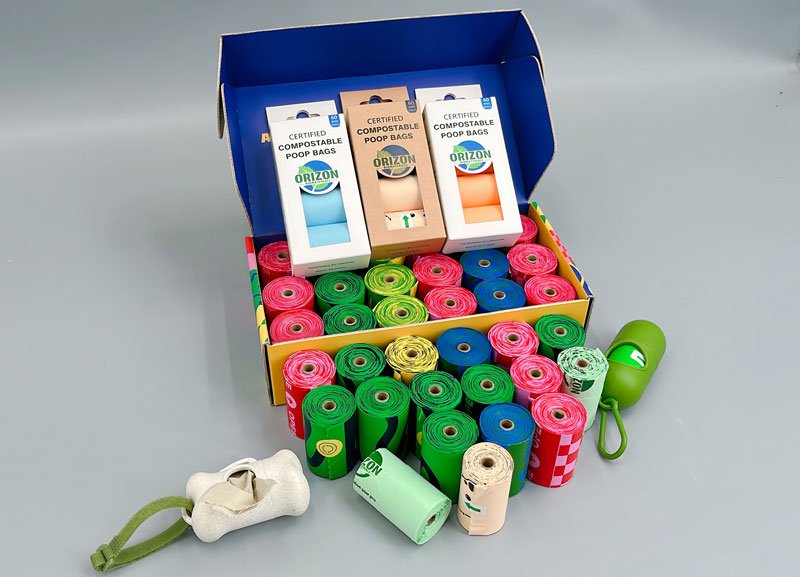
- OEM flexibility for branding, packaging, and certifications
Retail-style packaging and fragrances add cost—but do not improve station performance.
From a manufacturer’s perspective, bag specifications must align with station design, dispenser type, and end-user behavior.
These factors are explained in detail in our B2B overview of dog waste station systems.
Conclusion
For municipalities, HOAs, and commercial property managers, dog waste station bag size and specifications directly affect operational cost and public satisfaction.
Choosing the right 8 × 13 dog waste station bag rolls, with proper thickness and roll configuration, ensures:
- Fewer refills
- Fewer complaints
- Lower long-term maintenance expense
As a China-based dog waste bag manufacturer focused exclusively on B2B supply, we recommend evaluating bags the same way they are produced:
by size, structure, material efficiency, and consistency—not consumer marketing.