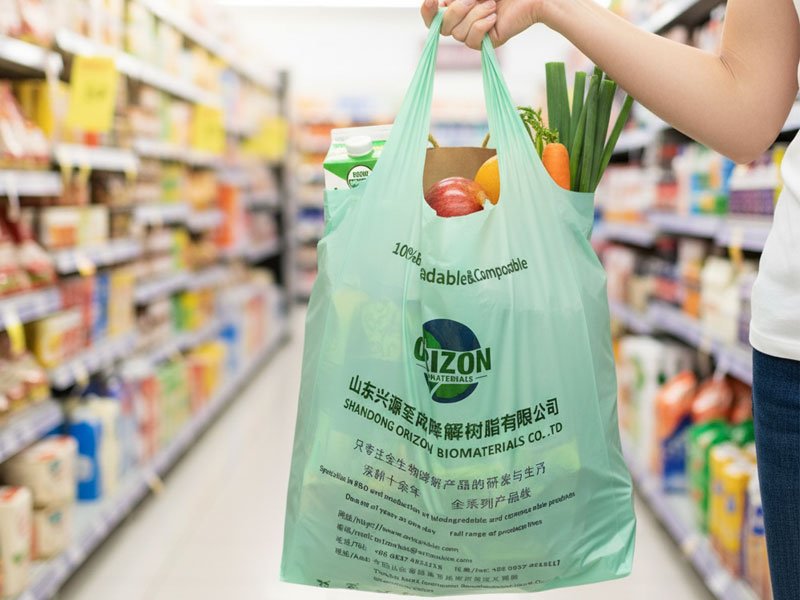
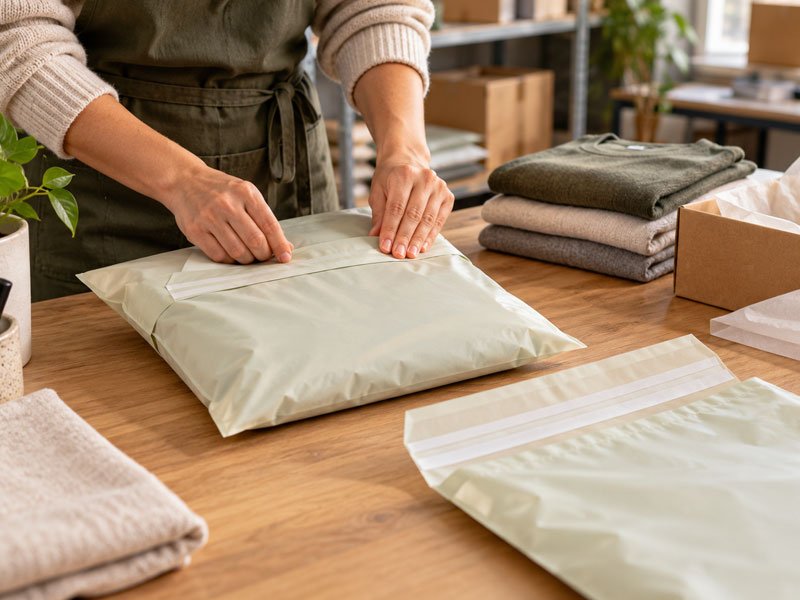
Compostable waste is waste that can break down naturally into soil-like material when processed under composting conditions. In simple terms, it is waste that microorganisms can turn into compost.
This matters more than many people think. When compostable waste goes to landfill, it creates methane. When it is composted correctly, it becomes a useful resource.
In this guide, I’ll explain what compostable waste is, what can go in a compost bin, what must stay out, and how rules can differ between home composting and municipal systems.
If you want to understand the materials behind these products, you can read our detailed guide on what compostable bags are made of and how certified compostable materials work.
What Is Compostable Trash
Compostable waste is organic material that can fully break down into water, carbon dioxide, and organic matter under the right conditions.
Those conditions usually include:
- heat
- oxygen
- moisture
- active microorganisms
This is why compostable waste is not the same as “waste that breaks down anywhere.”
Most compostable waste needs managed composting systems, either at home or through municipal collection.
Source: EPA – Composting basics https://www.epa.gov/recycle/composting-home
Why Compostable Waste Matters
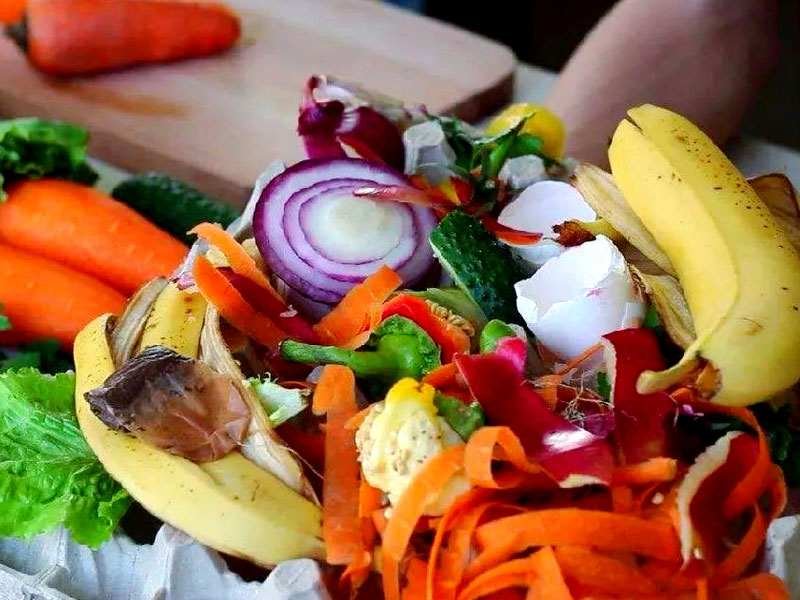
- Kitchen waste: Perishable food waste such as leftovers, fruit and vegetable peels and cores, fish bones and meat, eggshells, tea leaves, and coffee grounds.
- Plant waste: Tree branches, fallen leaves, flowers and grass, lawn clippings, and garden waste.
- Food-soiled paper: Such as napkins, paper towels, paper plates, pizza boxes (without plastic wrap), paper cups, tea bags, and coffee filters. These items can be degraded in the compost pile.
- Some compostable plastic products: For example, certified compostable plastic bags or packaging (must meet relevant industrial composting standards).
Note:
- These items must be processed under industrial composting conditions (high temperature, ventilation, and humidity). Standard household composting may not allow for complete decomposition.
- It is not advisable to mix non-compostable waste such as plastic bags, foam, diapers, sanitary products, and medical waste.
Why Compostable Waste Matters
Organic waste behaves very differently depending on where it ends up.
In landfill, food and garden waste break down without oxygen.This produces methane, a greenhouse gas far stronger than carbon dioxide.
In composting systems, the same waste breaks down with oxygen.
The result is compost that improves soil health.This is why many cities now separate food and garden waste from general trash.
What Can Go in Compostable Waste?
This is the question most people really want answered. Below are common examples, but always check local rules.
Food Waste (Kitchen Scraps)
Most food scraps are compostable. Examples include:
- fruit and vegetable peels
- leftovers
- bread, rice, and pasta
- coffee grounds
- loose tea leaves or tea bags (without plastic)
These materials break down quickly in composting systems.
Garden Waste
Garden waste is a core part of compostable waste. Common items include:
- grass clippings
- leaves
- flowers
- small branches and plant trimmings
These materials help balance moisture and structure in compost piles.
Food-Soiled Paper
Some paper products can be composted if they are not plastic-coated. Examples include:
- paper towels and napkins
- pizza boxes without plastic lining
- paper plates
- coffee filters
Clean paper can often be recycled. Food-soiled paper usually cannot, but it can be composted.
Certified Compostable Products
Some products are designed to compost along with food waste.
These include:
- certified compostable bags
- compostable food packaging
The key word is certified. Uncertified “eco” or “biodegradable” products can contaminate compost streams. Some composting systems allow the use of certified compostable trash bags designed specifically for organic waste collection.
What Should NOT Go in Compostable Waste?
Putting the wrong items in compostable waste causes contamination. This can damage entire compost batches.
Plastics and Packaging
Do not add:
- regular plastic bags
- packaging labeled only “biodegradable”
- oxo-degradable plastics
These materials do not fully compost in standard systems.
Non-Organic Waste
Never compost:
- diapers
- sanitary products
- medical waste
- foam or polystyrene
These items belong in general waste, not compost bins.
Problem Items (Often Confusing)
Some items depend on local rules:
- meat and bones
- dairy products
- pet waste
Some municipal systems accept them. Many home compost systems do not. Always check your local program guidelines.
Compostable Waste vs Organic Waste vs Biodegradable Waste
These terms are often mixed up. They are not the same.
| Term | What it means |
|---|---|
| Compostable waste | Breaks down under defined composting conditions |
| Organic waste | Natural material, not always compostable |
| Biodegradable waste | May break down, but with no clear timeframe |
Biodegradable does not automatically mean compostable.
This confusion is common. In practice, biodegradable waste is not always compostable, which we explain in detail in our guide on the difference between biodegradable and compostable bags and why certification matters.
Home Composting vs Municipal Composting
Where your compostable waste goes matters.
Home Composting
Home compost piles are simple systems. They often have:
- lower temperatures
- uneven moisture
- slower breakdown
Some compostable materials, especially certified compostable bags, may break down slowly at home.
Municipal Composting and Green Bin Systems
Municipal systems are more controlled. They often use:
- higher temperatures
- forced aeration
- large-scale processing
Because of this, many councils accept food scraps and certified compostable liners in green bins.
Rules vary by region.
Source: City of Sydney – Food waste and composting https://www.cityofsydney.nsw.gov.au/waste-recycling-services/food-waste
Can Compostable Bags Go in Compostable Waste?
Sometimes. But only under certain conditions.
Compostable bags can go in compostable waste if:
- they are certified to recognized standards
- your local system allows them
Certified compostable bags are designed to break down in industrial composting facilities. Uncertified bags should not be used.
To understand why certification matters, it helps to know what compostable bags are made of and how different materials behave in composting systems.
How to Avoid Contamination in Compostable Waste
A few simple habits make a big difference.
- follow local bin rules
- avoid unverified “green” labels
- do not mix plastic with compostable waste
- use certified liners if allowed
Clean compost starts with correct sorting.
FAQ
What is compostable waste?
Compostable waste is organic material that can fully break down into compost under controlled composting conditions.
What goes in a compostable waste bin?
Food scraps, garden waste, food-soiled paper, and certified compostable products, depending on local rules.
Can compostable bags go in green bins?
Only if they are certified and approved by the local composting system.
Is compostable waste the same as organic waste?
No. Organic waste is natural material, but not all organic waste is suitable for composting.
Conclusion
Compostable waste is not just “natural waste.” It is waste that fits the rules of a composting system.
When sorted correctly, compostable waste reduces landfill use and supports soil health. When sorted incorrectly, it becomes contamination.
Understanding what compostable waste is helps you make better choices at home and in your community.
Recommended internal resources
If your local system allows compostable liners, using certified compostable trash bags can help keep organic waste clean while meeting composting requirements.
As a Compostable bag manufacturer, we see how correct sorting and certified materials directly affect compost quality in municipal systems.
External References
- EPA – Composting Basics https://www.epa.gov/recycle/composting-home
- City of Sydney – Food waste and composting https://www.cityofsydney.nsw.gov.au/waste-recycling-services/food-waste