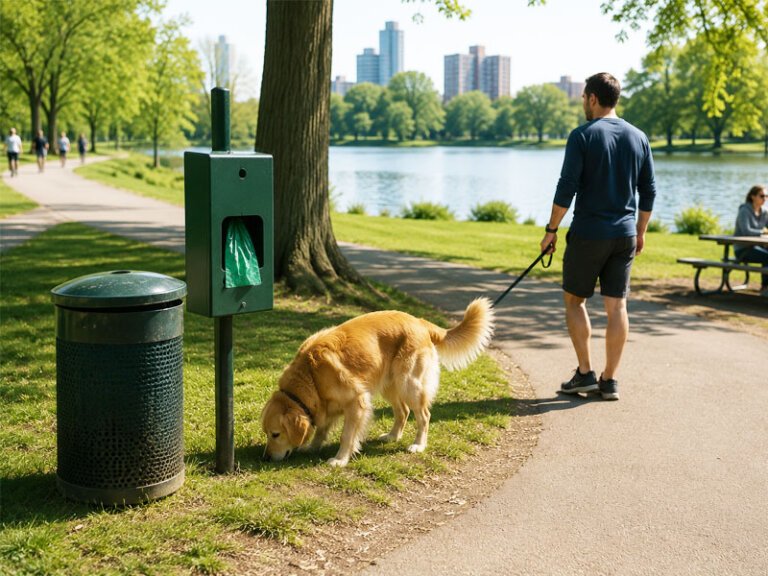
Residential Pet Waste Management for HOAs & Multifamily Properties
Residential pet waste management helps HOAs, apartment communities, multifamily properties and property managers keep shared outdoor areas supplied with bags, organized for disposal and easier to maintain.
A practical program usually combines:
- pet waste station placement;
- dispenser-compatible refill bags;
- waste receptacles;
- refill and inspection schedules;
- resident communication;
- repeat bag purchasing.
The operating needs can differ by property type.
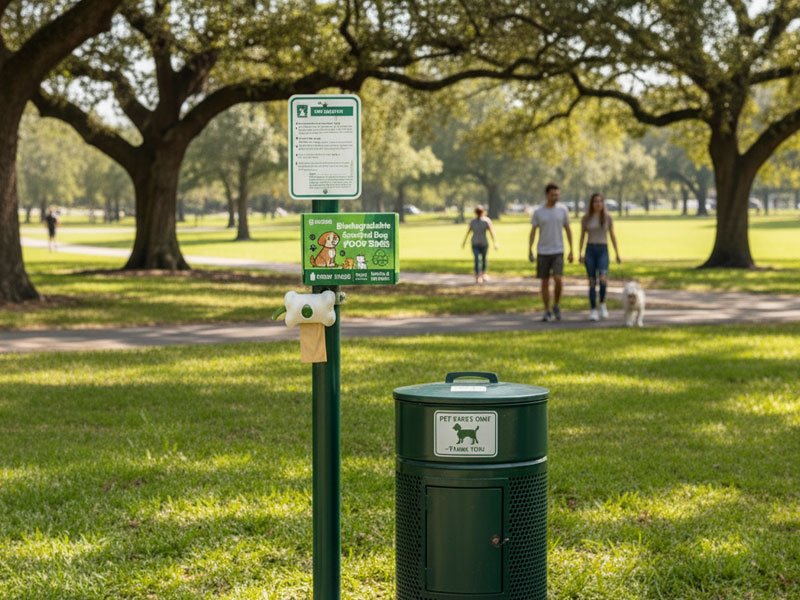
HOAs may focus more on common-area rules and resident access. Apartment and multifamily properties may have higher pet traffic and require more frequent station checks. Property managers may need to standardize refill products across several locations.
ORIZON supplies dog waste station bags and refill products for B2B residential programs.
We do not provide local pet waste removal, station emptying, sanitation or on-site cleaning services.
For the wider program structure, see our Pet Waste Management Solutions.
Who This Residential Pet Waste Program Is For
| Property Type | Main Operational Need |
|---|---|
| HOAs | Shared-area cleanliness, resident access, station policy and routine refill supply |
| Apartment communities | High-use pet areas, dog parks and frequent station servicing |
| Multifamily properties | Consistent bag availability across several buildings or outdoor areas |
| Property managers | Standardized purchasing, inventory and maintenance coordination |
| Condominiums | Clean shared walkways, landscaping and resident disposal access |
| Gated & build-to-rent communities | Reliable station coverage across larger residential sites |
The goal is not simply to install more pet waste stations.
The goal is to create a system that staff can inspect, refill and reorder consistently.
Common Pet Waste Challenges in Residential Properties
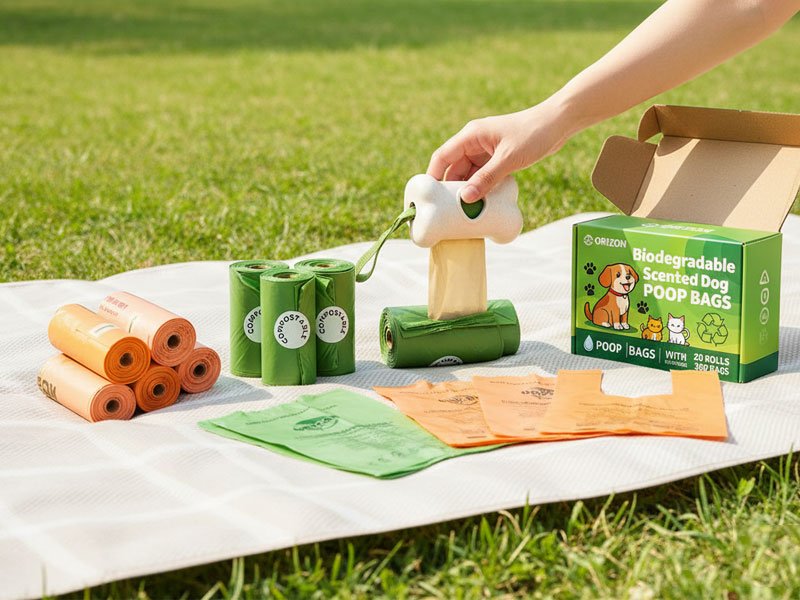
Pet waste becomes an operational problem when bag access, disposal and maintenance are inconsistent.
Common issues include:
- uncollected dog waste in shared areas;
- resident complaints;
- dispensers running out of bags;
- waste receptacles not being emptied on schedule;
- several incompatible refill formats across one property;
- extra grounds or cleaning work;
- unclear responsibility between residents and maintenance teams;
- no clear system for replacement-bag inventory.
A residential pet waste program should therefore connect station access, refill supply, disposal and maintenance responsibilities.
How to Plan a Residential Pet Waste Management Program
Most community pet waste management programs follow a structured approach.
Step 1 — Identify High-Use Pet Areas
Start with the places where residents actually walk or exercise dogs.
Common locations include:
- apartment entrances;
- dog parks;
- pet relief areas;
- walking paths;
- courtyards;
- shared lawns;
- parking-area walking routes.
Station locations should reflect actual pet traffic rather than simply dividing the property into equal sections.
Step 2 — Choose Practical Station Locations
A station should be convenient for residents and accessible to maintenance staff.
Consider:
- visibility;
- walking routes;
- distance between stations;
- nearby waste receptacles;
- grounds-maintenance access;
- refill frequency;
- seasonal use.
Too few stations can reduce convenience.
Too many stations can increase servicing and inventory complexity.
Step 3 — Standardize the Refill Bag Format
This is especially important for larger apartment or multifamily properties.
Before purchasing replacement bags, confirm:
- dispenser model;
- bag format;
- refill dimensions;
- bags per roll or packet;
- roll width;
- core or coreless configuration;
- tissue-style or header configuration;
- mounting requirements where applicable.
Do not assume two dispensers use the same refill simply because they look similar.
For available refill formats, see our Dog Waste Station Bags.
Step 4 — Set a Maintenance and Refill Schedule
A station is useful only when it stays supplied.
Property teams should define:
- who checks bag levels;
- how often stations are inspected;
- who replaces empty refills;
- who empties the receptacles;
- how damaged dispensers are reported;
- where backup cartons are stored;
- when replacement stock should be reordered.
High-use apartment properties may require more frequent checks than smaller HOA communities.
The important point is to establish a routine before stations start running empty.
Step 5 — Communicate the Program to Residents
Stations work best when residents understand how the system is intended to be used.
Communication may include:
- pet-area signage;
- community rules;
- disposal instructions;
- station locations;
- resident notices;
- move-in information.
The bag, station and disposal point should support the same operating policy.
Different Residential Properties Need Different Operating Plans
HOA Pet Waste Management
HOA pet waste management usually combines shared-area rules, convenient bag access, station placement and clearly assigned maintenance responsibilities.
Before introducing or expanding a program, an HOA should decide:
- which common areas need stations;
- who checks and refills them;
- where collected pet waste is disposed of;
- how residents are informed of pet-waste rules;
- who purchases replacement bags;
- where backup cartons are stored;
- how recurring refill costs are budgeted.
For larger HOA communities, using one compatible refill specification can simplify repeat purchasing.
Apartment and Multifamily Pet Waste Programs
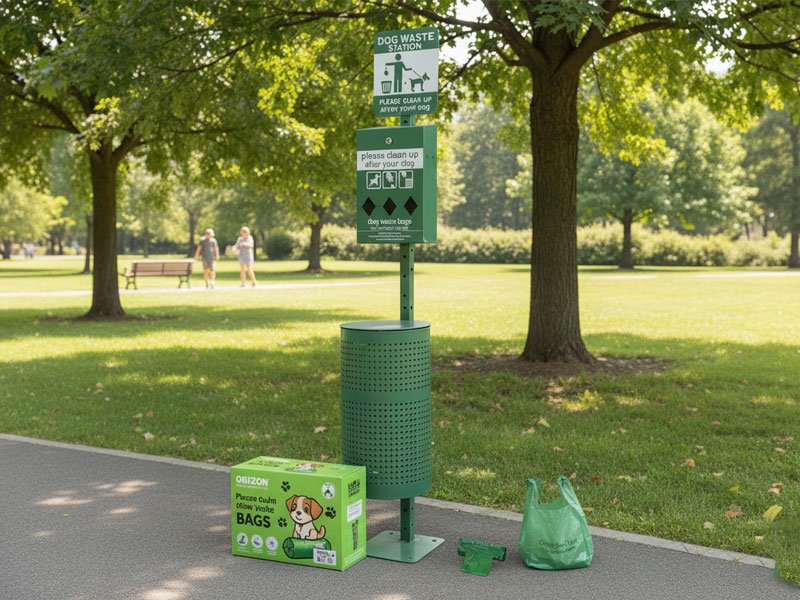
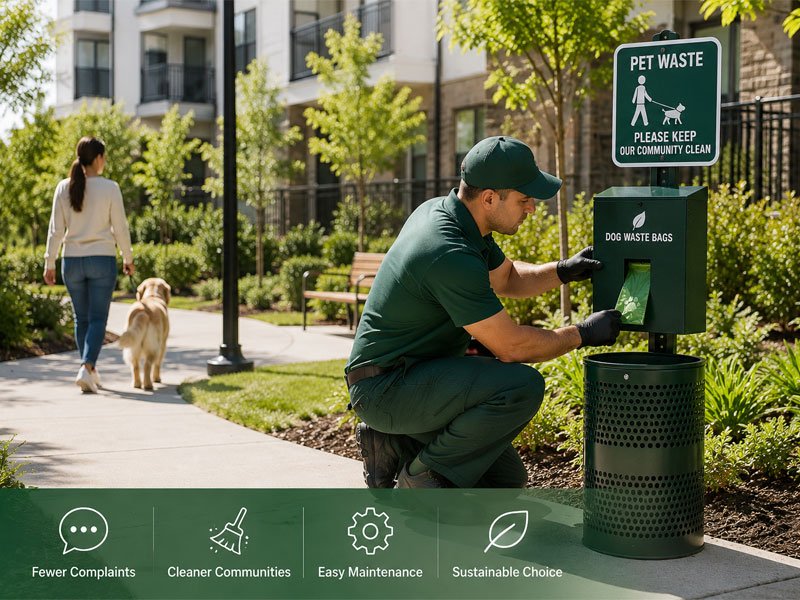
Apartment and multifamily properties often have concentrated pet traffic around entrances, courtyards, dog parks and designated relief areas.
Their operational priorities may include:
- convenient station access;
- higher refill frequency;
- fast replacement when bags run out;
- coordination with grounds or cleaning teams;
- sufficient backup stock;
- predictable repeat orders.
For multifamily programs, it is useful to record the dispenser type and average bag use at each station.
One building may use far more bags than another.
Procurement should reflect actual station usage rather than simply the number of apartments.
Property Managers and Multi-Site Programs
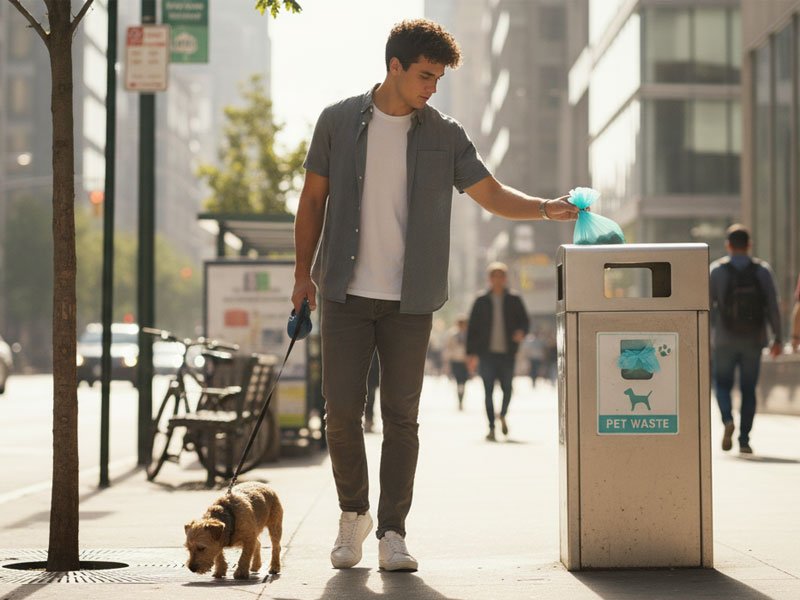
Property managers may operate several residential communities at the same time.
In this situation, standardization becomes more valuable.
Using one approved refill specification across compatible properties can simplify:
- purchasing;
- carton storage;
- inventory control;
- staff training;
- repeat ordering;
- supplier communication.
Before standardizing one refill across several properties, confirm that the installed dispensers are actually compatible.
A portfolio with several dispenser systems may require more than one refill SKU.
What to Track for Multifamily Pet Waste Stations
For apartment and multifamily programs, a simple station record can make purchasing more predictable.
| Item | What to Record |
|---|---|
| Station ID | Building, area or location |
| Dispenser type | Roll, tissue-style, header-style or other |
| Refill specification | Dimensions and pack configuration |
| Average usage | Estimated bags per week or month |
| Inspection frequency | How often staff check the station |
| Backup stock | Cartons or refills currently available |
| Reorder level | Minimum stock before purchasing again |
| Maintenance issue | Empty bin, damaged dispenser or other problem |
This allows property managers to separate station maintenance planning from bag procurement.
ORIZON supplies the refill bags; local property staff or service providers handle the on-site operation.
Integrating Pet Waste Stations Into Property Operations
Pet waste stations should become part of an existing maintenance route rather than a separate task that staff remember only after residents complain.
Assign clear responsibility for:
- checking bag levels;
- replacing empty refills;
- emptying receptacles;
- reporting damaged equipment;
- maintaining backup inventory;
- recording repeat-order requirements.
For multi-property operators, it can also help to keep a basic inventory of: Property → Station → Dispenser → Refill SKU → Monthly Usage
This makes it easier to identify which properties can use the same replacement bag.
Compostable Bags and Local Waste Rules
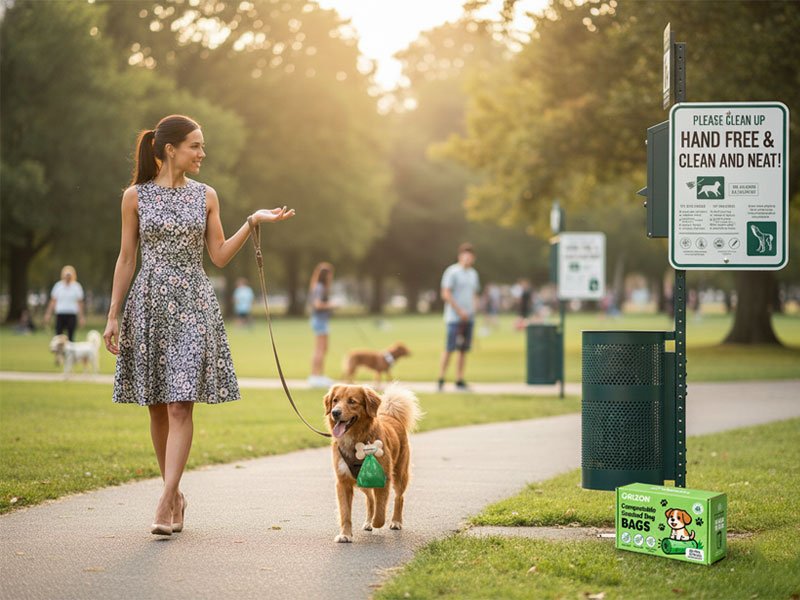
Some residential communities choose compostable dog waste bags as an alternative to conventional plastic refill bags.
However, compostability certification and local acceptance of pet waste are separate questions.
Before specifying compostable bags, check:
- the finished-bag certification scope;
- the local pet-waste disposal route;
- whether animal waste is accepted in the intended waste system;
- industrial vs home-compostability claims;
- any required certification marks;
- the wording used on bags, cartons or resident signage.
A certified compostable dog waste bag should not automatically be promoted as suitable for a local composting or organics program unless that program accepts bagged pet waste.
For factory and certification information, see our Manufacturer & Certification Verification Center.
What Property Managers Should Send for a Refill Bag Quote
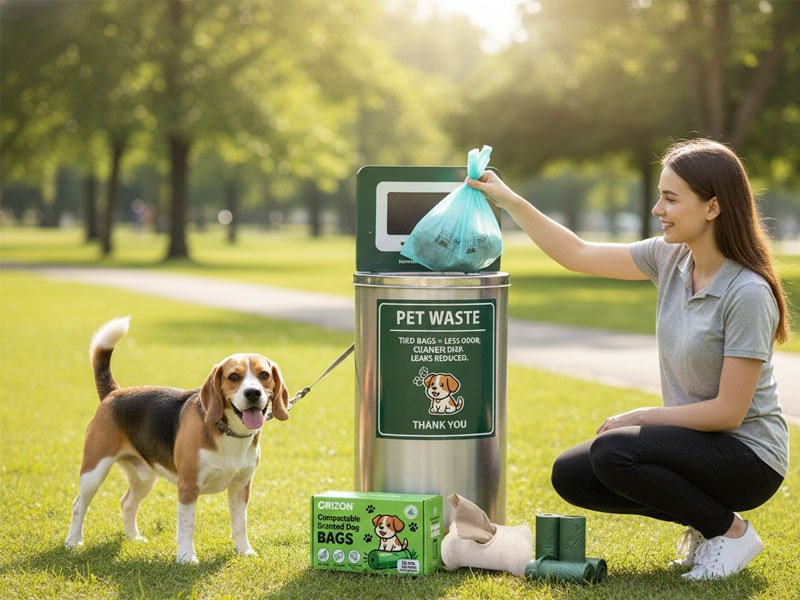
The more complete the specification, the easier it is to compare pricing and compatibility.
Please provide:
- property type;
- number of properties, if more than one;
- number of pet waste stations;
- dispenser model or photos;
- current refill dimensions;
- refill format;
- bag dimensions;
- thickness, if specified;
- bags per roll, packet or header pack;
- estimated monthly or annual usage;
- destination;
- certification requirement, if any;
- custom logo or printing requirements;
- expected order quantity.
If several properties are involved, tell us whether the same dispenser system is installed at every location.
For custom production, standard MOQ typically starts from approximately 500 kg per specification or design. Product-specific trial quantities may vary.
Choosing Refill Bags for an Existing Residential Program
If your HOA or apartment community already has pet waste stations installed, start with the existing refill specification.
Check:
| Specification | Example Information |
|---|---|
| Bag format | Roll / tissue-style / header-style |
| Bag size | Width × length |
| Thickness | μm or mil |
| Bags per refill | Example: 200, 400 or other quantity |
| Core | Core / coreless |
| Roll diameter | If applicable |
| Packet dimensions | For tissue-style refills |
| Header size | For hanging packs |
| Film colour | Standard or custom |
| Printing | Plain or logo printed |
| Carton quantity | Refills per carton |
If you do not know the full specification, send us the dispenser model, refill photos and key measurements for review.
FAQ
Residential pet waste management is an organized system for providing dog waste bags, disposal points and routine station servicing across shared residential areas.
For HOAs, apartments and multifamily properties, it can also include refill inventory, resident communication and repeat bag purchasing.
HOA pet waste management usually combines station placement, bag supply, waste receptacles, resident rules and scheduled maintenance.
The HOA or property manager should also define who checks stations, purchases replacement bags, manages backup inventory and handles on-site waste collection.
Common locations include dog parks, pet relief areas, building entrances, walking paths, courtyards and other high-use outdoor spaces.
Station placement should reflect actual pet traffic while remaining easy for maintenance staff to inspect, refill and service.
There is no universal schedule.
Refill frequency depends on pet traffic, station location, dispenser capacity and the number of bags per refill. High-use apartment or multifamily stations may require more frequent checks than smaller HOA communities.
Tracking actual usage helps property managers set a practical refill schedule.
Check the dispenser model and current refill specification before ordering.
Important details may include bag dimensions, roll width, roll diameter, core size, tissue-pack dimensions or header configuration.
If the specification is unclear, send the dispenser model, photos or an existing refill sample for review.
Yes, if the installed dispensers are compatible.
Using one approved refill specification across several properties can simplify inventory, staff training, carton storage and repeat purchasing.
Before standardizing, confirm the dispenser type and refill requirements at each site.
No.
Compostability certification and local acceptance of pet waste are separate issues. A certified compostable bag does not automatically mean that bagged pet waste is accepted by a local organics collection or composting facility.
Always confirm the local disposal route and program requirements separately.
Need Dog Waste Refill Bags for a Residential Property?
ORIZON supplies dog waste station refill bags for:
- HOAs;
- apartment communities;
- multifamily properties;
- property managers;
- condominiums;
- gated and build-to-rent communities.
Send us your:
dispenser type + refill format + bag size + number of stations + estimated usage + destination + certification requirements.
We can review the bag specification and recommend an appropriate production configuration.