Private Label Compostable Dog Poop Bags
Turn your product idea into retail-ready compostable dog poop bags under your own brand.
Custom specifications, logo printing, retail packaging and sampling support for pet brands, e-commerce sellers, distributors and retailers.
- Typical MOQ ≈ 500kg per bag specification
- Customization Size, thickness, film color, printing & packaging
- Sampling Stock, custom, packaging prototype & pre-production
- Project Flow Idea → Approval → Production → Shipping
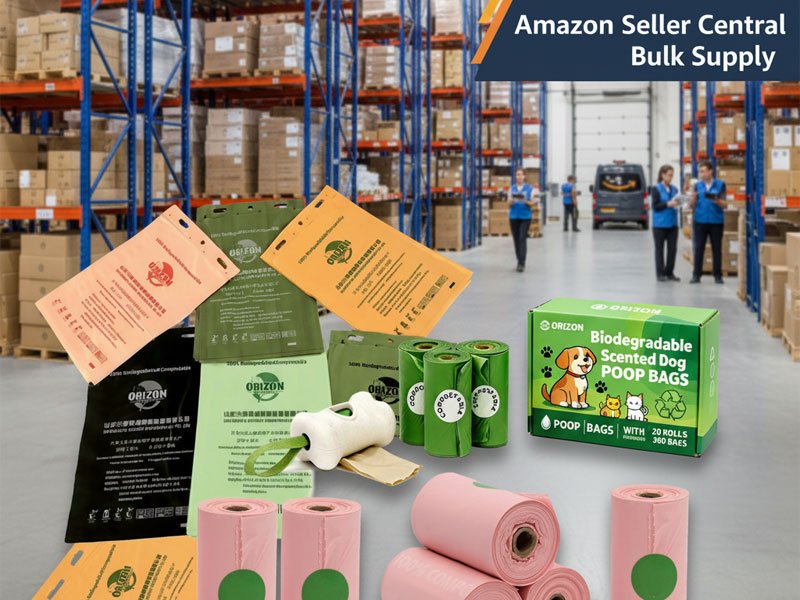
From Product Idea to Finished Retail Product
Private label dog poop bag development involves more than adding a logo to an existing roll.
Bag size, thickness, roll configuration, printing, retail packaging, certification requirements and shipping all affect the final product.
Idea
Specification
Branding
Packaging
Samples
Approval
Production
QC
Shipping
What Can Be Included in Your Private Label Project?
Not every project needs every option. The right configuration depends on your target market, product positioning, retail format and planned order quantity.
Bag Specification
- Custom size
- Custom thickness
- Custom film color
- Bags per roll
- Paper core
- Coreless rolls
Branding & Packaging
- Logo printing
- One/two-side print
- Retail boxes
- Paper sleeves
- Multipacks
- Roll labels
Project Support
- Stock samples
- Custom samples
- Packaging prototypes
- Pre-production samples
- QC inspection
- Export support
Built for Brands Developing a Retail SKU
Private label production can support new pet brands, Shopify and Amazon sellers, distributors, importers, retailers, subscription-box businesses and established pet companies adding dog waste bags to their range.
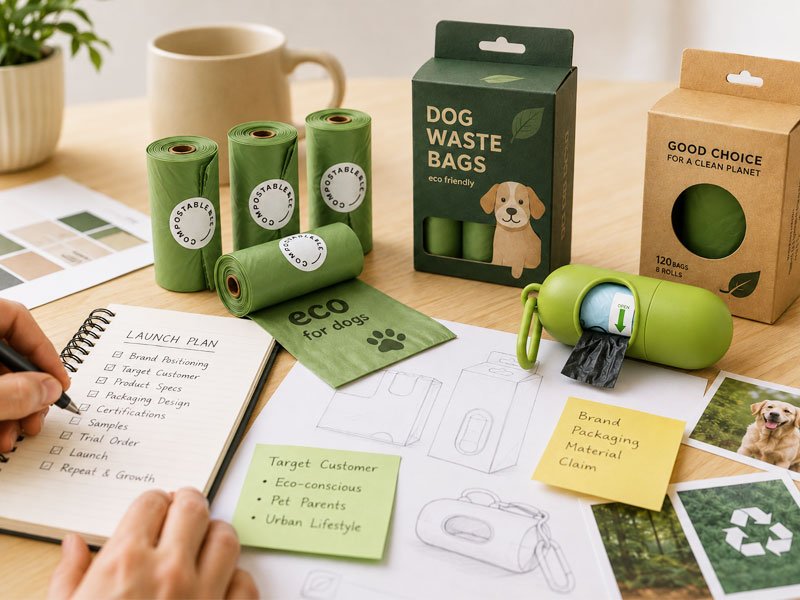
New Product Launches
Start from a rough idea, reference product, target pack count or retail positioning and turn it into a controlled production specification.
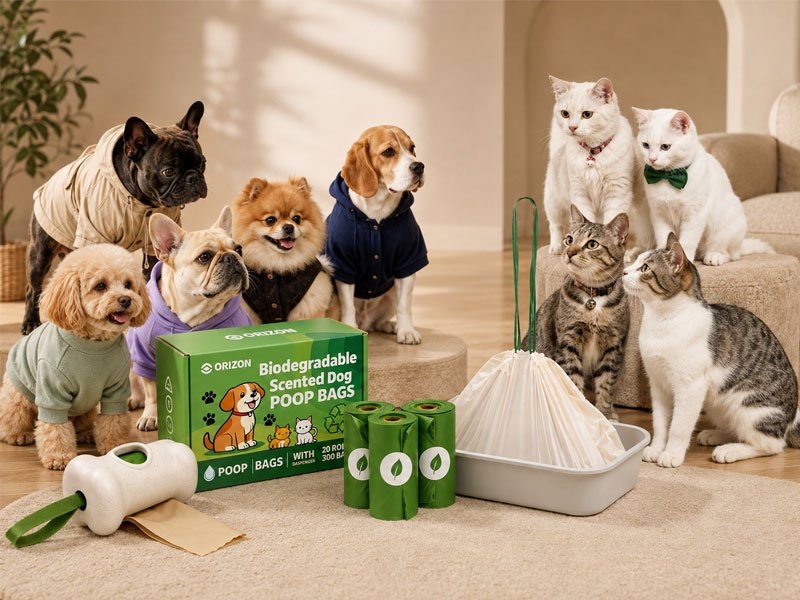
Existing Pet Brands
Add a new dog waste bag SKU that matches your existing branding, packaging system and target market.
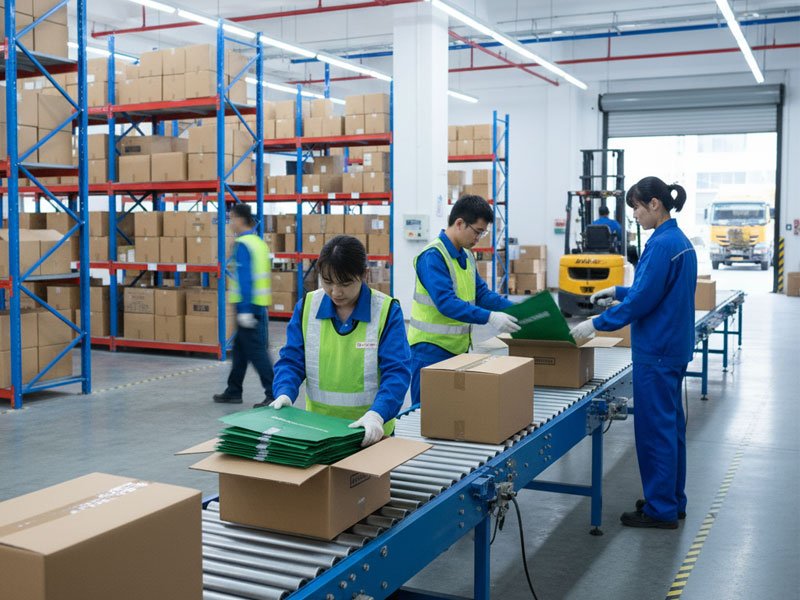
Distributors & Retailers
Develop branded retail packs for local distribution, regional retail or private-label programs.
Step 1 — Define Your Product Idea
You do not need to have every technical detail finalized before contacting us.
Start With What You Already Know
You can begin with a product idea, competitor product, reference sample, photo, rough sketch, draft retail box, existing specification or target retail configuration.
The first goal is not to finalize every detail. It is to identify which product decisions still need to be made before quotation or sampling.
| Product Decision | Information to Confirm |
|---|---|
| Target market | USA, Europe, Australia or other market |
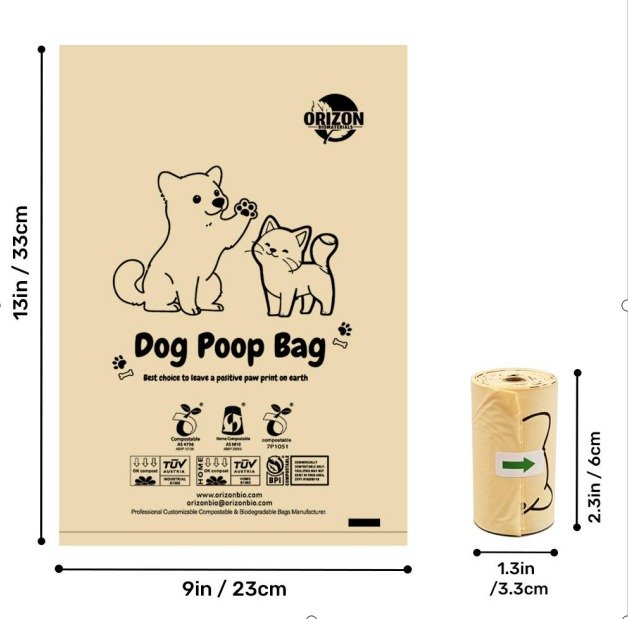
| Bag size | For example, approximately 23 × 33 cm / 9 × 13 in |
| Thickness | For example, 18 μm or 20 μm |
| Bag style | Flat-top, flat-bottom, star seal or handles |
| Film color | Standard color or custom Pantone target |
| Printing | Unprinted, one-side or two-side |
| Bags per roll | For example, 15 bags |
| Retail pack | Box, sleeve, outer bag or other format |
| Certification | Based on destination market and intended claims |
| Delivery | Country, ZIP/postcode, warehouse or port |
Step 2 — Build the Bag Specification
The bag specification should normally be confirmed before final retail packaging is approved.
| Specification | Common Options |
|---|---|
| Bag size | 23 × 33 cm / 9 × 13 in or custom dimensions |
| Thickness | Common projects may evaluate 15–25 μm |
| Bag style | Flat-top, flat-bottom, star seal or handles |
| Film color | Green, black, natural or custom Pantone |
| Printing | Unprinted, one-side or two-side |
| Bags per roll | 15 bags or another confirmed count |
| Roll format | Paper core or coreless |
| Scent | Unscented or selected scented projects |
For deeper technical customization options, see Custom Dog Poop Bags.
Step 3 — Choose the Right Thickness
Thickness affects more than how the bag feels. It can influence bag weight, roll diameter, material consumption, puncture resistance, freight weight and total finished rolls.
18 μm
May suit projects focused on standard retail positioning, lower material consumption and higher roll yield from the same production weight.
20 μm
May suit projects looking for a thicker hand feel, premium positioning and greater puncture-resistance expectations.
Thickness alone does not determine product quality. Film formulation, seal quality, perforation and finished-bag performance should also be considered.
For private label projects, 18 μm and 20 μm are both common options. Review our 18 μm vs 20 μm thickness comparison to see how the choice can affect roll size, material use, cost and product positioning.
Step 4 — Select Film Color
Private label bags can be produced in different film colors depending on the project.
Common options may include:
- Green
- Dark green
- Black
- Natural
- White
- Custom Pantone colors
Custom film colors may require custom masterbatch preparation.
Pantone references are useful as a target, but compostable film does not always appear identical to:
- Pantone coated paper
- Printed cardboard
- A computer screen
- A digital mockup
inal appearance may be affected by:
- Film thickness
- Film opacity
- Base material color
- Masterbatch concentration
- Lighting
- Printing ink
- Print coverage
Where color accuracy is important, a physical sample can provide a more useful reference than a digital proof alone.
Step 5 — Add Your Logo and Printing
Custom printing can be added directly to the bag.
Printing options may include:
- One-color printing
- Multi-color printing where feasible
- One-side printing
- Two-side printing
- Repeating artwork
- Brand logo
- Product wording
- Usage instructions
- Certification information where approved
Vector artwork is preferred for production review.
Recommended file formats include:
- AI
- EPS
- Editable PDF
Printing cost can depend on:
- Number of print colors
- Printing area
- One-side or two-side printing
- Artwork repeat
- Print dimensions
- Printing plate dimensions
Printing plates are normally based on the approved artwork and printing layout.
If the artwork, bag size, printing dimensions or layout changes, a new printing plate may be required.
Step 6 — Develop the Retail Packaging
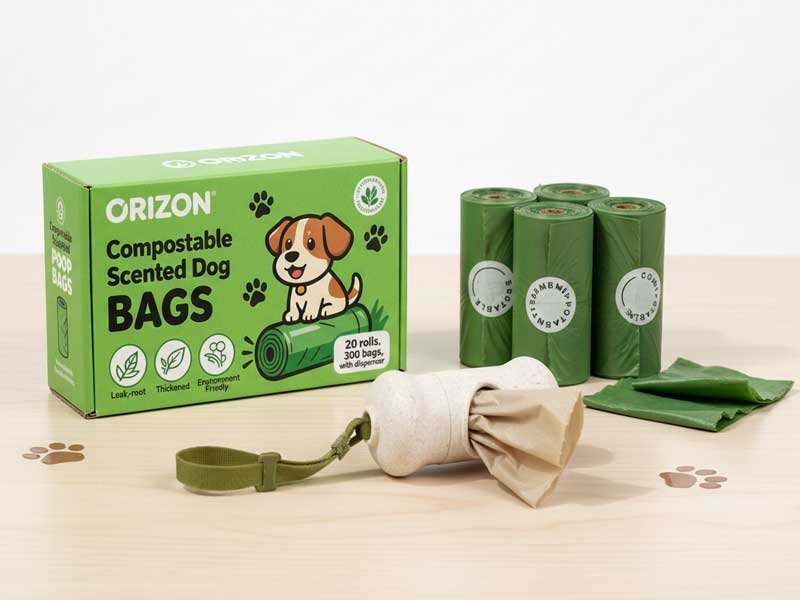
The retail packaging should be designed around the actual finished rolls.
Common formats include:
- 4-roll retail boxes
- 8-roll retail boxes
- 10-roll retail boxes
- 16-roll retail boxes
- Paper sleeves
- Printed multipack bags
- Refill packs
- Dispenser sets
- E-commerce packs
Before finalizing the packaging, confirm:
- Finished roll height
- Finished roll diameter
- Rolls per retail pack
- Roll arrangement
- Dispenser dimensions
- Internal fit
- Barcode position
- Artwork
- Certification wording
- Export-carton efficiency
A box that looks correct in a digital mockup may not work physically if the final roll diameter has not been confirmed.
For this reason, the retail package should be developed after the main roll specification is known.
Step 7 — Add a Dispenser if Required
Some private label projects include:
- Dog waste bag dispensers
- Leash clips
- Carabiners
- Bag holders
- Starter kits
If a dispenser is included, confirm the dispenser dimensions before finalizing the box.
A dispenser can affect:
- Box dimensions
- Product arrangement
- Pack weight
- Carton size
- Shipping efficiency
Dispenser selection should ideally happen before the final packaging dieline is approved.
Step 8 — Review Compostability Requirements
Compostability claims should be reviewed before final artwork and packaging production.
Depending on the destination market and product configuration, relevant standards or certification programs may include:
- ASTM D6400
- BPI
- EN 13432
- OK Compost INDUSTRIAL
- OK Compost HOME
- AS 4736
- AS 5810
A certificate should not automatically be assumed to cover every:
- Bag size
- Thickness
- Film color
- Printing configuration
- Ink
- Finished private label product
Before printing certification marks or environmental claims, confirm:
- Destination market
- Intended compostability claim
- Applicable certificate
- Finished-product scope
- Certificate holder
- Logo-use requirements
- Licensing requirements where applicable
- Required wording on the packaging
This review should happen before final packaging artwork is approved.
For more detailed certification information, visit our compostability certification resources.
Step 9 — Choose the Right Sample Type
Different project stages require different samples.
Stock Samples
tock samples can help evaluate:
- Material feel
- Thickness
- Bag opening
- Seal structure
- Perforation
- Roll format
- Opacity
- Flexibility
Stock samples normally do not reproduce your final:
- Film color
- Printing
- Packaging
- Branding
Custom Bag Samples
Custom samples may reproduce selected final details, such as:
- Size
- Thickness
- Film color
- Logo printing
- Seal style
- Bags per roll
Custom samples may require setup charges depending on the specification.
Packaging Prototypes
Packaging prototypes can help confirm:
- Box dimensions
- Artwork placement
- Roll fit
- Dispenser fit
- Barcode position
- Opening method
Prototype printing methods may differ from final mass-production printing.
Pre-Production Samples
For selected projects, a pre-production sample can be used as a reference before the main production run.
The approval should clearly identify:
- Which details are approved
- Which tolerances still apply
- Which details are for appearance reference only
- Which details must match mass production
Stock Sample vs Custom Sample vs Approved Sample
These samples serve different purposes.
Stock Sample
Used to evaluate general material and construction.
Custom Sample
Used to evaluate selected customized details.
Pre-Production Sample
Used to confirm a more complete product before production.
Approved Reference Sample
Used as one reference when checking production consistency.
Defining what each sample represents helps reduce misunderstandings later.
Step 10 — Approve the Final Product Specification
Before mass production, the project should be converted into a controlled specification.
Typical approval points include:
Bag
- Width
- Length
- Thickness
- Bag style
- Film color
- Seal structure
- Bags per roll
- Core or coreless format
Printing
- Final artwork
- Print side
- Number of colors
- Print dimensions
- Logo position
- Artwork repeat
- Pantone references
Retail Packaging
- Rolls per pack
- Box or sleeve dimensions
- Artwork
- Barcode
- Product wording
- Certification marks
- Dispenser configuration
Export Packing
- Retail packs per carton
- Carton dimensions
- Carton marks
- Gross weight
- Pallet requirements where applicable
Mass production should follow the approved specification rather than informal descriptions.
Step 11 — Mass Production
Production begins after the key technical and commercial details have been confirmed.
These normally include:
- Bag specification
- Film color
- Printing
- Artwork
- Packaging
- Order quantity
- Commercial terms
- Required approvals
Custom colors may require additional masterbatch preparation time.
Production lead time depends on:
- Number of SKUs
- Custom colors
- Printing
- Retail packaging
- Order quantity
- Factory schedule
Step 12 — Quality Control
Quality inspection should be based on the approved specification.
Possible inspection points include:
Finished Bag
- Width
- Length
- Thickness
- Bag weight
- Film color
- Opacity
- Surface condition
Seal and Perforation
- Seal position
- Seal quality
- Leakage
- Perforation position
- Bag separation
Finished Roll
- Bags per roll
- Roll height
- Roll diameter
- Core size
- Winding
- First-bag access
Printing
- Logo position
- Print repeat
- Print clarity
- Ink adhesion
- Missing print
- Color comparison
- One-side or two-side accuracy
Retail Packaging
- Rolls per pack
- Dispenser quantity
- Box dimensions
- Artwork
- Barcode
- Product arrangement
- Closure
Export Carton
- Packs per carton
- Carton dimensions
- Gross weight
- Shipping marks
- Carton condition
Not every project requires every inspection point.
The QC plan should follow the approved product specification and project requirements.
Third-party pre-shipment inspection can also be discussed where required.
Step 13 — Shipping
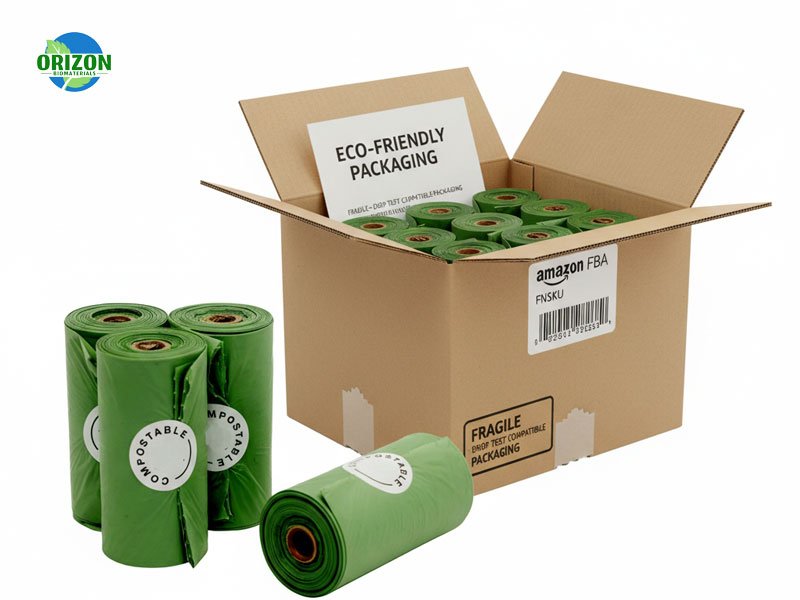
After production and inspection, the goods are packed for export.
Available shipping terms may include:
- EXW
- FOB
- CIF
- DDP
The most suitable option depends on:
- Destination
- Order quantity
- Shipping method
- Import requirements
- Buyer preference
For DDP quotations, please provide:
- Country
- City
- ZIP/postcode
Freight costs should be reconfirmed before shipment because international logistics rates can change.
MOQ for Private Label Dog Poop Bags
MOQ for private label dog poop bags
The number of finished bags, rolls or retail packs produced from 500 kg bags depends on:
- Bag width
- Bag length
- Thickness
- Individual bag weight
- Bags per roll
- Film color
- Printing
- Bag structure
For example, two products using the same 500 kg production quantity may produce different numbers of finished rolls if one uses 18 μm film and the other uses 20 μm film.
Retail boxes, custom masterbatch colors, dispensers and other accessories may have separate minimum quantities.
For this reason, private label MOQ should not be expressed only as a fixed number of retail boxes.
Can Multiple Colors Share One MOQ?
For custom production, each film color is normally treated as a separate production specification.
This means several custom film colors generally cannot simply share one 500 kg MOQ.
If your project includes:
- Several colors
- Several thicknesses
- Several bag sizes
- Several print designs
please list all planned SKUs when requesting a quotation.
We can then review the most practical production structure.
Private Label Production Lead Time
Lead time depends on:
- Final product specification
- Custom masterbatch
- Printing plates
- Artwork
- Retail packaging
- Number of SKUs
- Sampling
- Order quantity
- Factory production schedule
A custom film color may require additional preparation time before bag production.
Production timing is normally confirmed after:
- Specification approval
- Artwork approval
- Packaging confirmation
- Commercial terms
- Payment arrangement
Shipping time is separate from production time.
If your brand has a fixed launch date, plan backward from the required warehouse delivery date rather than only from the factory completion date.
Repeat Orders and Product Consistency
For repeat orders, the approved production specification should remain the reference.
Important control points include:
- Film formulation
- Thickness
- Film color
- Printing
- Roll dimensions
- Bags per roll
- Retail packaging
- Carton quantity
- Shipping marks
If changes are requested for a repeat order, the new requirements should be documented as a revised specification.
This helps reduce specification drift between production runs.
Why work with a direct dog poop bag manufacturer?
ORIZON focuses on compostable bag manufacturing and private label production for international B2B buyers.
Our factory covers approximately 20,000 m², operates 16 automatic production lines, and has monthly production capacity of approximately 500 tons.
Private label support can include:
- Product specification review
- Compostable film production
- Bag converting
- Custom film color
- Printing
- Retail packaging coordination
- Sampling
- Quality inspection
- Export packing
- International shipping coordination
A private label product should be treated as a complete product system.
A thicker film
- changes bag weight
- changes roll diameter
- may change box dimensions
More bags per roll
- changes roll size
- changes retail-pack dimensions
- changes carton configuration
A different film color
- may change logo appearance
- may require sample approval
Adding a dispenser
- changes product arrangement
- changes pack size
- changes shipping weight
Reviewing these decisions together helps reduce unnecessary changes later.
What We Need to Prepare a Quote
Bag Specification
- Bag width × length
- Thickness
- Bag style
- Film color
- Bags per roll
- Paper core or coreless
- Scent requirement
Printing
- Logo artwork
- Number of print colors
- One-side or two-side printing
- Pantone references
- Approximate print dimensions
Retail Packaging
- Rolls per retail pack
- Box, sleeve or outer bag
- Dispenser requirement
- Barcode requirement
- Reference packaging photo
- Dieline if available
Commercial Information
- Initial order quantity
- Estimated future volume
- Destination market
- Required certification
- Delivery country
- ZIP/postcode
- Preferred shipping term
- Target launch date
Private Label Dog Poop Bags FAQ
Our typical custom production MOQ is approximately 500 kg bags specification.
The corresponding number of rolls or retail packs depends on bag size, thickness, bags per roll and packaging.
If you need to understand what the MOQ means in finished units, see how to convert a 500 kg MOQ into rolls and retail packs.
Yes. You can start with a product idea, reference product, photos or packaging concept. We can help identify the specifications that still need to be confirmed.
You can customize the bag size, thickness, film color, printing, bags per roll, roll format, retail packaging and selected accessories.
Yes. Stock samples, custom bag samples and packaging prototypes can be provided depending on the project.
Yes. The approved specification and sample can be used as the production reference. Final details should be confirmed before mass production.
It depends on the applicable certificate, product scope and logo-use requirements. Certification claims should be confirmed before artwork is finalized.
Usually not. Different film colors, sizes, thicknesses or other production specifications may require separate MOQ planning.
Yes, for selected destinations. Please provide your country, city and ZIP/postcode so we can review the shipping option.
Start Your Private Label Dog Poop Bag Project
Send the specifications you already know. If your project is still at concept stage, send a competitor product, photos, packaging reference or rough brief.