Compostable Infrastructure for Regulated Waste Systems
What Is Compostable Infrastructure?
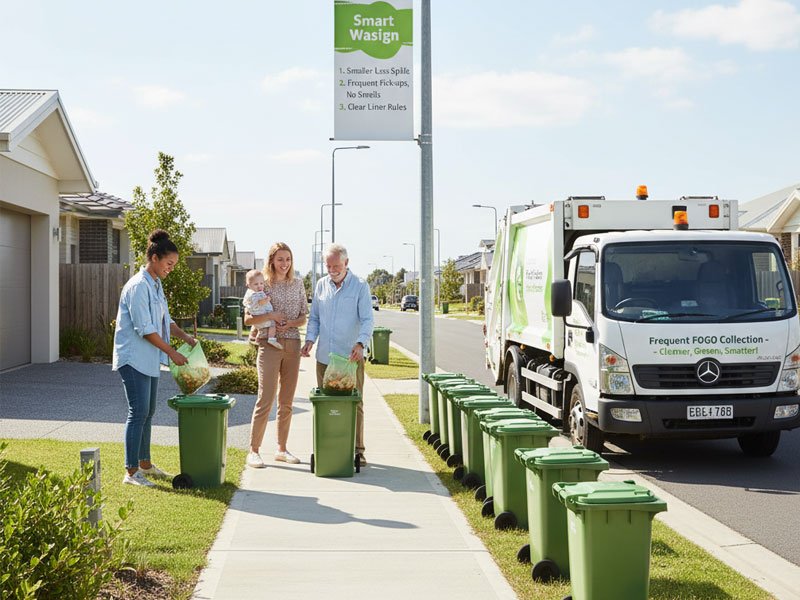
Compostable infrastructure is not a product category. It is a system.
In regulated waste environments, compostable infrastructure refers to the coordinated network of:
- Finished-product compostability documentation
- Source-separated collection systems
- Facility acceptance requirements
- Applicable regulatory documentation
- Manufacturing consistency
- Contamination-control procedures
- Even a certified compostable product may not be accepted by a specific collection program or receiving facility.
- Certification scope and local acceptance requirements should therefore be reviewed separately.
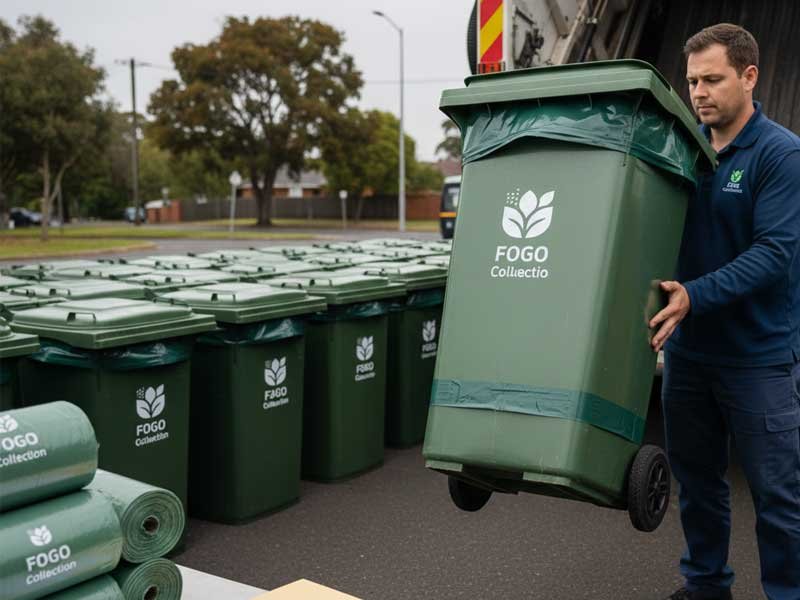
For example, bulk compostable bag programs should align the finished-product specification, supporting documentation, collection system and receiving-facility requirements.
Why Infrastructure Matters in Regulated Environments
In hospitality, institutional, municipal and other managed waste systems, organics diversion may be subject to local collection rules, facility requirements and regulatory obligations.
Poor alignment can contribute to:
- Rejected loads
- Higher contamination rates
- Additional handling or disposal costs
- Operational disruption
Compostable liners can form part of an organics-diversion program where their use is permitted and supported by applicable finished-product documentation.
Certification scope, bin systems, labeling, collection procedures and facility acceptance requirements should be reviewed together.
To understand certification scope differences, see ASTM D6400 certification and EN 13432 requirements .
The Regulatory & Standards Landscape
Different composting environments may involve different technical standards, certification programs and conformity marks.
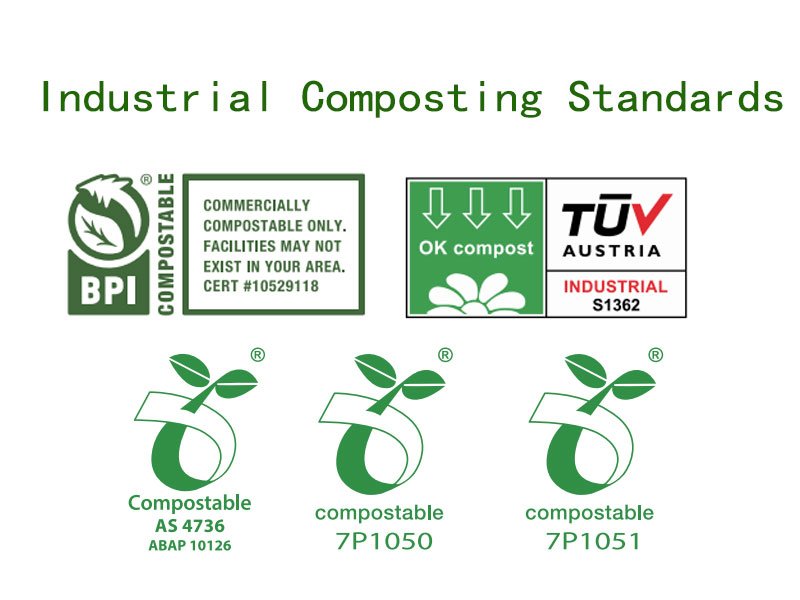
Commonly referenced technical standards include:
- ASTM D6400
- EN 13432
- AS 4736
Related third-party certification programs or conformity marks may include:
- BPI Commercial Compostability Certification
- OK compost INDUSTRIAL by TÜV AUSTRIA
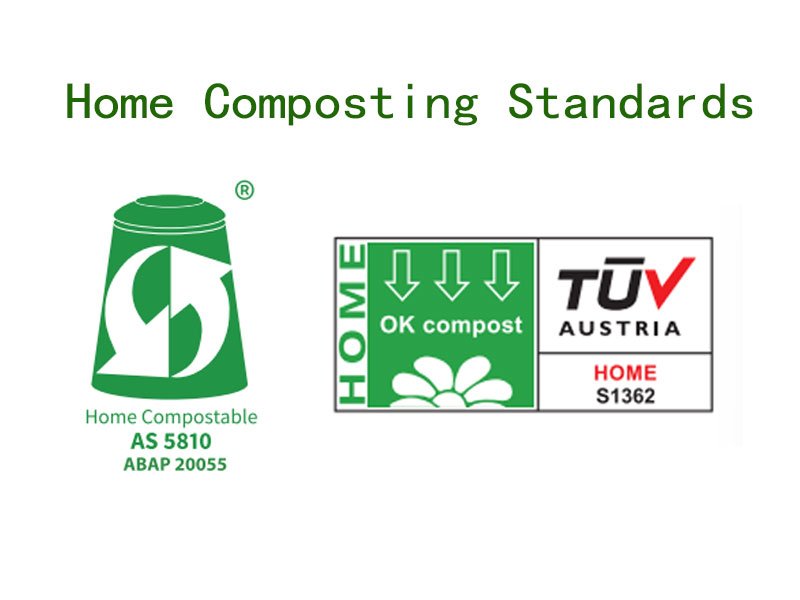
Commonly referenced home-compostability standards or certification routes may include:
- AS 5810
- BPI Home Compostability Certification
- OK compost HOME by TÜV AUSTRIA
Evidence for commercial or industrial compostability does not, by itself, establish home compostability.
The applicable standard, certification program and finished-product scope should be confirmed for the target market and intended composting environment.
Certification marks are not interchangeable.
Industrial-certified materials may not perform under backyard composting conditions.
Understanding certification scope is fundamental to infrastructure compatibility.
Certification logos are not interchangeable.
Documentation clarity protects acceptance rates.
Infrastructure Components of a Compliant Compostable System
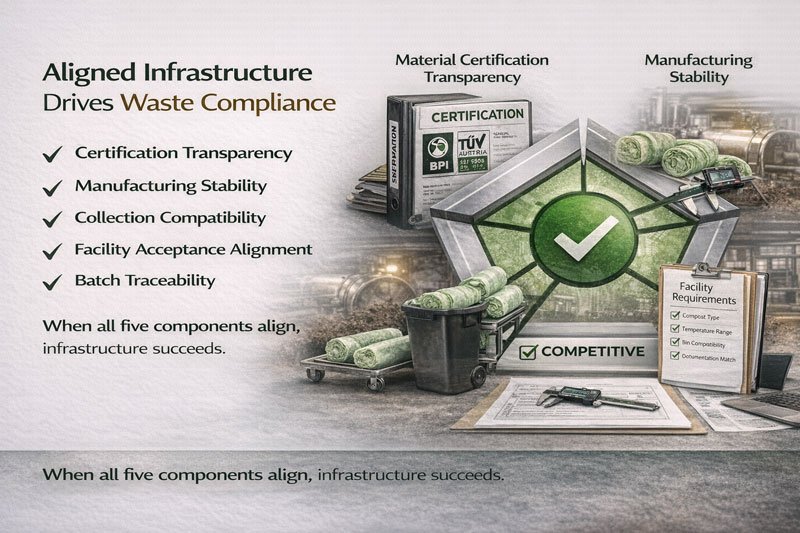
A compliant compostable infrastructure includes:
Product Certification & Documentation Transparency
Clear documentation showing the applicable finished product, certification scope and supporting verification information.
Manufacturing Stability
Controlled extrusion tolerances and consistent film thickness.
Collection Compatibility
Bin size alignment, roll format consistency, and load durability. For bulk supply formats aligned with institutional procurement, see compostable trash bags wholesale
Facility Acceptance Alignment
Product specifications and disposal instructions reviewed against the requirements of the applicable collection program or receiving facility.
Batch Traceability
Defined production lots and documentation support.
Infrastructure succeeds when all five components align.
Manufacturing as Infrastructure
Manufacturers in regulated waste systems are not commodity vendors.
They are structural components of compliance systems.
Film thickness variation can increase tear rates.
Specification inconsistency can increase contamination.
Unstable supply can disrupt diversion programs.
Stable compostable trash bags manufacturer frameworks support predictable load integrity.
Manufacturing stability supports:
- Manufacturing consistency supports:
- Consistent bag dimensions and thickness
- More predictable in-use performance
- Repeatable roll and carton configurations
- Better specification control across repeat orders
- More consistent production documentation
Designed for Compliance-Driven Sectors
Compostable infrastructure may support:
- Hotels & Hospitality Groups
- Institutional and non-sterile waste-handling programs
- Food-Service Operations
- Facilities Management Contractors
- Municipal Organics Programs
- Waste and Packaging Consultants
Waste-management requirements vary by sector, location and receiving facility. Product specifications, documentation and disposal instructions should therefore be aligned with the applicable program rather than assumed to be universally compliant.
Procurement Best Practices for Regulated Waste Systems
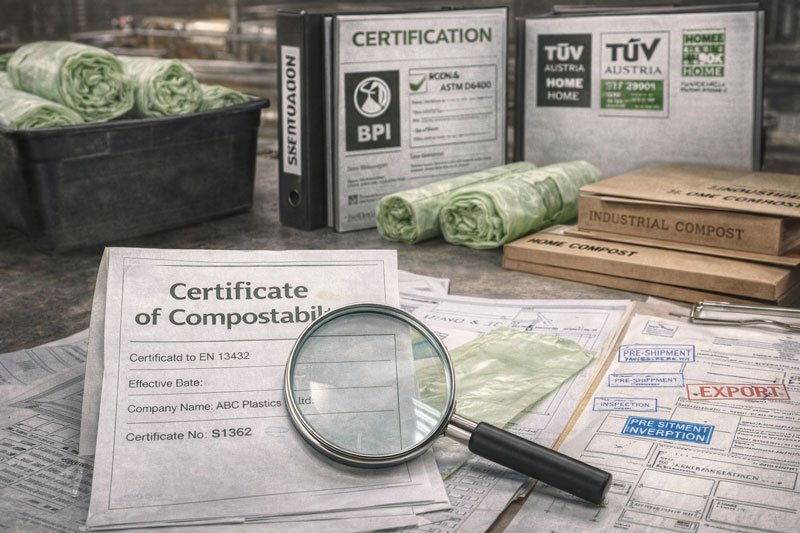
Professional procurement teams should verify:
- Certification scope (industrial vs home)
- Applicable regional standard
- Film thickness tolerances
- Roll and carton format specifications
- Batch-level traceability
- Export documentation readiness
For structured bulk procurement programs, visit compostable trash bags.
Procurement is not about price comparison.
It is about system reliability.
Avoiding Rejected Loads & Compliance Failure
Factors that may contribute to rejection or contamination problems include:
- unsupported or unclear compostability claims
- mismatch between the product claim and intended composting environment
- contamination with non-accepted materials
- incorrect product identification or labeling
- incomplete supporting documentation
- failure to confirm facility acceptance
ASTM D6400 defines technical requirements for eligible commercially compostable plastics, but ASTM conformity or third-party certification does not guarantee acceptance by every collection program or composting facility.
Buyers should verify both finished-product documentation and local acceptance requirements before establishing disposal instructions.
Regional Terminology Differences
Depending on geography, compostable infrastructure may reference:
- Compostable trash bags (USA)
- Compostable refuse sacks (UK)
- Compostable bin liners (Australia & Canada)
- Organics diversion systems (EU)
Terminology varies by region, and regulatory, labeling and facility-acceptance requirements may also differ. Buyers should therefore confirm the terminology and compliance requirements applicable to each destination market.
Supporting Long-Term Compliance Programs
We support B2B compostable bag programs through:
- Manufacturing to agreed finished-product specifications
- Approx. 500 metric tons monthly production capacity
- OEM and specification collaboration
- Production and product documentation support
- Certification-scope review where applicable
- Available compliance documentation according to the final specification and project requirements
Retail consumer programs are not our focus.
We operate within B2B, institutional, and regulated waste frameworks.
For manufacturing structure details, see compostable trash bags manufacturer .
Build Infrastructure, Not Assumptions
In regulated systems, sustainability is operational.
Infrastructure determines success.
If your waste diversion program depends on:
- Certification clarity
- Manufacturing stability
- Facility alignment
- Documentation integrity
Compostable infrastructure must be structured — not assumed.
FAQ
Compostable infrastructure refers to the coordinated system of finished-product specifications and documentation, collection processes, facility acceptance requirements and applicable waste-management procedures used to support organics-diversion programs.
Facilities may reject loads for reasons including contamination, non-accepted product types, unclear labeling or documentation, or failure to meet the receiving facility’s acceptance requirements. Certification does not by itself guarantee facility acceptance.
Common technical standards associated with commercial or industrial compostability include ASTM D6400, EN 13432 and AS 4736. Related third-party certification programs or conformity marks include BPI Commercial Compostability Certification and OK compost INDUSTRIAL by TÜV AUSTRIA.
No. Commercial or industrial compostability and home compostability address different composting environments and certification requirements. Evidence supporting commercial compostability should not automatically be used to claim that a finished product is home compostable.