Compostable shopping bags are now widely used in the retail industry—but there are also many misconceptions about them.
ORIZON is a Chinese manufacturer with 16 years of experience producing compostable bags. We regularly supply certified compostable packaging bags to distributors, retailers, and private label owners in Europe, the US, and Australia. Over the years, I’ve seen many buyers face the same questions:
- Are compostable shopping bags actually compostable—or just “biodegradable” by name?
- Which bag type should I choose for checkout, apparel retail, or takeaway use?
- How do I source compostable bags without running into certification or performance issues?
This guide is written from a B2B sourcing perspective. It explains how compostable shopping bags work, compares the most common types, and shares practical tips for sourcing them at scale.
What Are Compostable Shopping Bags?
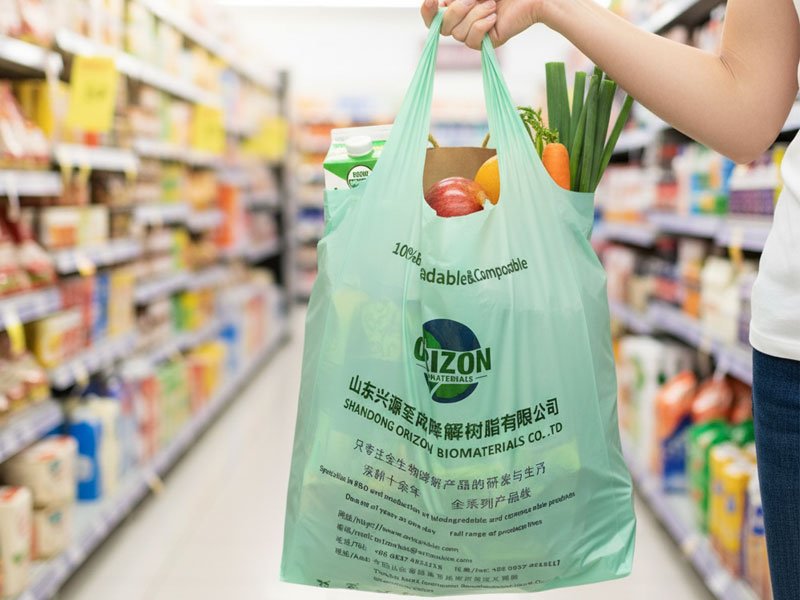
Compostable shopping bags are carry bags made from certified compostable materials designed to break down into water, CO₂, and biomass under controlled composting conditions.
They are often used as an alternative to conventional plastic shopping bags in regions with plastic reduction or ban policies.
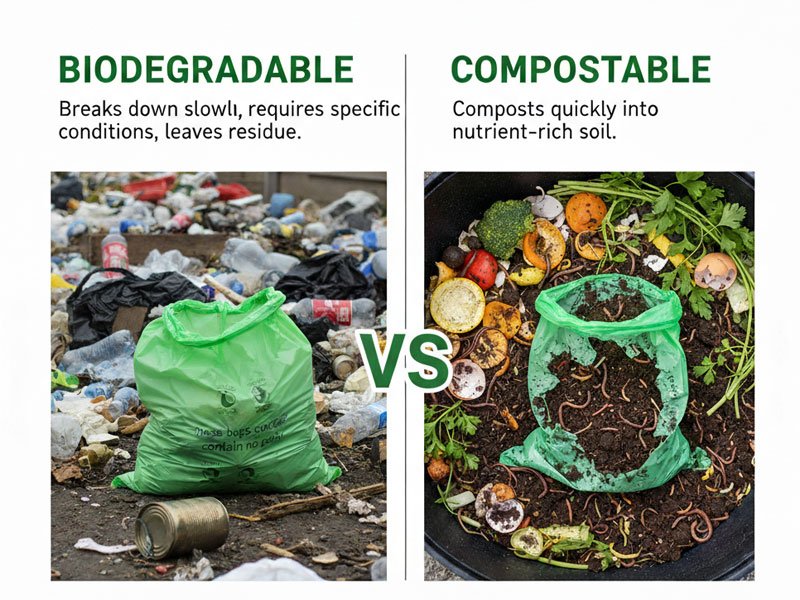
Compostable vs Biodegradable: What’s the Difference?
This is where confusion usually starts.
- Biodegradable is a broad term. It does not guarantee how long degradation takes or what the material breaks down into.
- Compostable is a regulated category. Certified compostable bags must meet strict standards for disintegration, toxicity, and residue.
In simple terms:
All compostable bags are biodegradable, but not all biodegradable bags are compostable.
For B2B buyers, certification matters more than marketing claims.
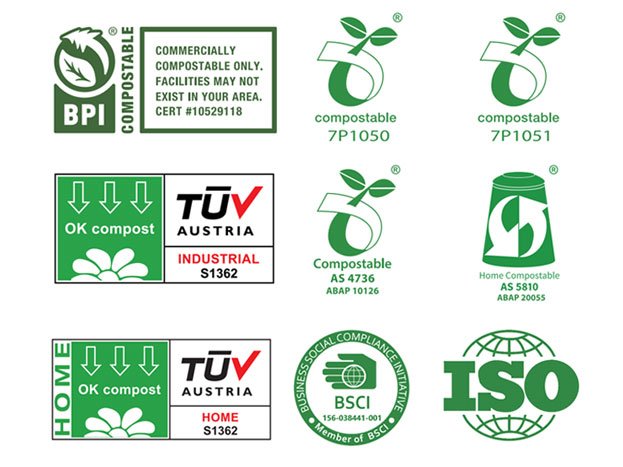
Certifications That Actually Matter
Depending on your target market, compostable shopping bags should comply with one or more of the following standards:
- EN 13432 – European Union
- ASTM D6400 / BPI – United States
- OK Compost / OK Compost HOME – EU & international
- AS 4736 / AS 5810 – Australia
One important point many buyers miss: certification applies to the finished bag, not just the raw material
Types of Compostable Shopping Bags
Choosing the right bag type is more important than choosing the lowest price.
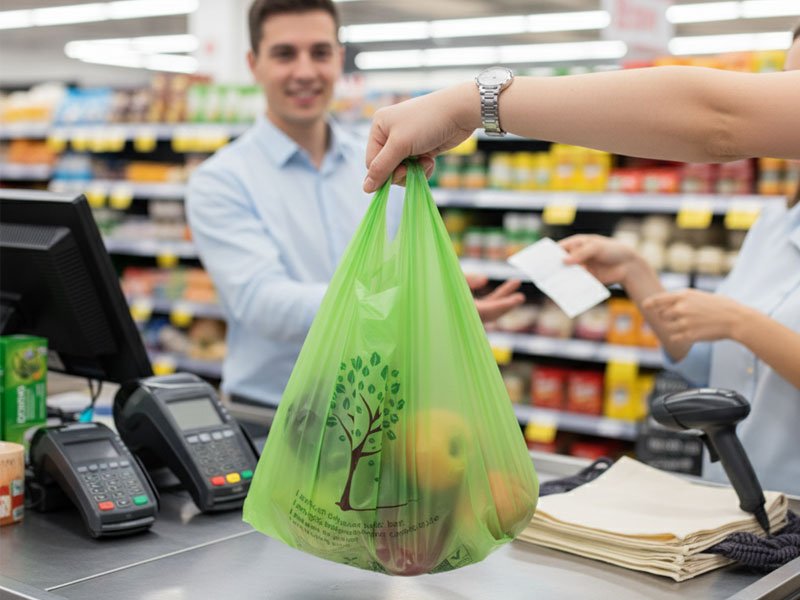
Compostable T-Shirt Bags (Vest Handle Bags)
These are the most commonly used compostable shopping bags.
Typical uses:
- Supermarket checkout
- Grocery and convenience stores
- High-volume retail environments
Key characteristics:
- Efficient for fast checkout
- Cost-effective for large volumes
- Strength depends heavily on thickness and material formulation
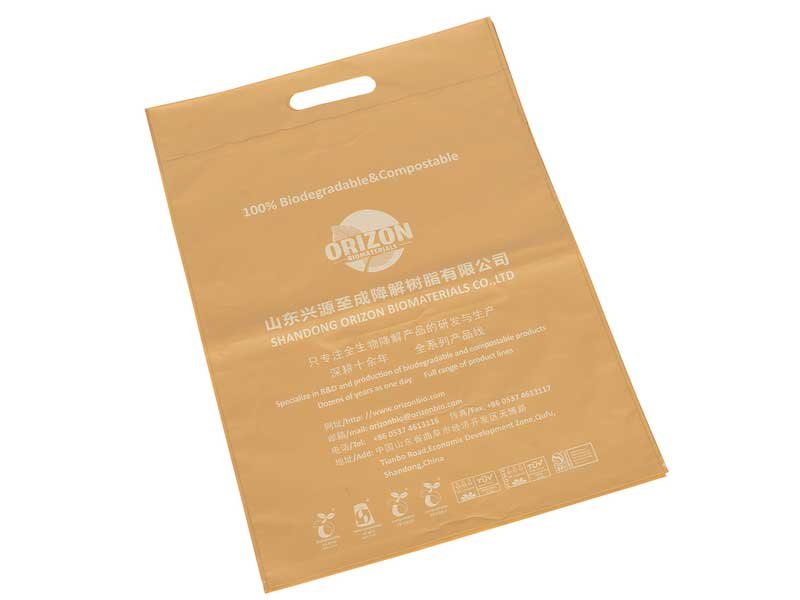
Compostable Die-Cut Handle Bags
Die-cut handle bags are often chosen for branding and presentation.
Typical uses:
- Apparel and fashion retail
- Lifestyle and specialty stores
- Promotional takeaway bags
Key characteristics:
- Cleaner appearance than t-shirt bags
- Better surface for printing
- Usually produced with higher thickness for durability
Compostable Flat Shopping Bags
Flat compostable bags are simpler in structure but useful in specific workflows.
Typical uses:
- Retail backroom packing
- Inner carry bags
- Secondary packaging inside cartons
| Bag Type | Common Sizes (W × L) | Typical Thickness Range | Typical Retail Uses | Suitable for Printing |
|---|---|---|---|---|
| Compostable T-Shirt Bags (Vest Handle) | 300 × 600 mm、320 × 650 mm350 × 700 mm | 15–30 μm | Supermarket checkoutGrocery & convenience storesHigh-volume retail | Yes (1–3 colors common) |
| Compostable Die-Cut Handle Bags | 300 × 400 mm、350 × 450 mm400 × 500 mm | 40–80 μm | Apparel & fashion retailBrand takeaway bagsPromotional use | Yes (multi-color supported) |
| Compostable Flat Shopping Bags | 250 × 350 mm、300 × 400 mm350 × 500 mm | 20–50 μm | Retail backroom packingInner carry bagsSecondary packaging | Limited (simple logos only) |
Each compostable shopping bag type is designed for different retail workflows. Choosing the right structure and thickness is more important than choosing the lowest unit price.
Typical Uses in Retail and Distribution
Compostable shopping bags are commonly used in:
- Supermarket and grocery checkout
- Apparel retail takeaway
- Eco-focused and organic stores
- Private-label retail programs
- Markets with plastic bag regulations
Different regions prioritize different factors.
For example, EU buyers often focus on EN 13432 compliance, while Australian buyers pay close attention to AS 4736 / AS 5810 and local waste streams.
Performance Questions Buyers Always Ask
Are Compostable Shopping Bags Strong Enough?
Yes—when specified correctly.
Strength depends on:
- Bag thickness
- Material formulation
- Load type (dry vs wet)
A well-designed compostable bag can handle everyday retail loads reliably.
How Do They Perform in Wet Conditions?
Moisture resistance varies by formulation.
For food-related retail or humid environments:
- Thicker films perform better
- Star-sealed or reinforced bottoms reduce leakage
- Proper bag selection matters more than material labels
Compostable Bags vs Paper Bags
Neither option is automatically better.
Paper bags perform well in dry conditions but weaken quickly when wet.
Compostable plastic bags handle moisture better but require proper composting systems.
The right choice depends on use case, disposal infrastructure, and usage frequency.

How to Source Compostable Shopping Bags (B2B Tips)
Key Specifications to Confirm Before Quoting
Before requesting prices, buyers should clarify:
- Bag type (t-shirt / die-cut / flat)
- Size and thickness
- Target market and required certifications
- Printing requirements
- Packing format
- Estimated monthly volume
- Delivery terms (FOB / CIF / DDP)
Clear specifications lead to accurate pricing and fewer surprises.
What a Reliable Compostable Bag Manufacturer Should Provide
From a factory perspective, a professional supplier should be able to offer:
- Full certification documentation
- Stable batch-to-batch quality
- OEM and private-label capability
- Transparent MOQ and lead time
- Material traceability and compliance support
These factors matter more than unit price alone.
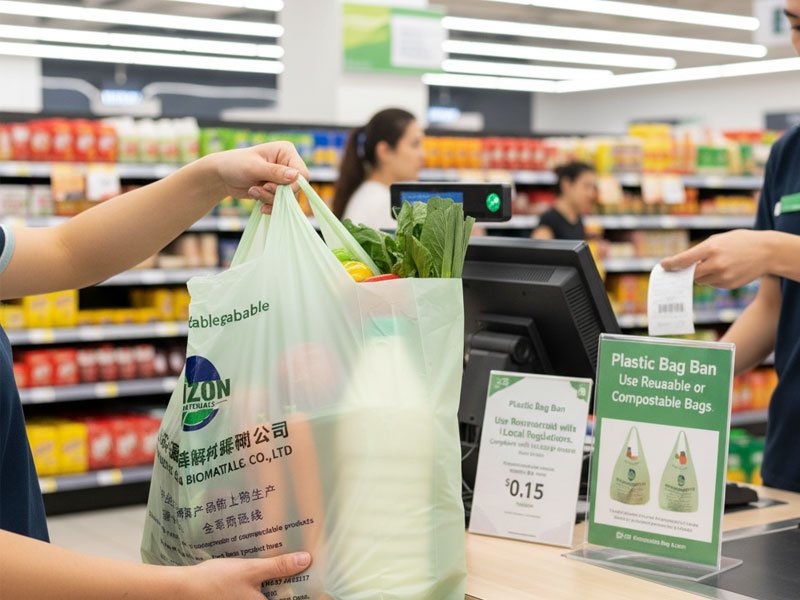
Common Mistakes When Buying Compostable Shopping Bags
Some issues we see repeatedly:
- Choosing bags based only on price
- Confusing biodegradable claims with compostable certification
- Ignoring actual use conditions
- Overlooking destination country regulations
- Not planning for long-term supply consistency
Avoiding these mistakes saves time and cost in the long run.
FAQ
Are compostable shopping bags better than biodegradable bags?
Compostable bags meet certified standards, while biodegradable claims alone do not guarantee proper breakdown or environmental safety.
Can compostable shopping bags be used for groceries?
Yes, when designed with appropriate thickness and certification, they are widely used for grocery checkout.
Do compostable shopping bags require industrial composting?
Most certified compostable bags are designed for industrial composting systems unless labeled as home compostable.
What certifications should compostable shopping bags have?
Common certifications include EN 13432, ASTM D6400, BPI, OK Compost, and AS 4736 / AS 5810, depending on the market.
How do I source compostable shopping bags for wholesale?
Confirm bag type, specifications, certification needs, and supplier capabilities before requesting quotes from manufacturers.
Conclusion
Choosing compostable shopping bags is more than just a packaging change; it’s an operational and compliance decision.
There is no single “best” compostable shopping bag. It depends on the environment in which it will be used: retail applications, local regulations, performance requirements, and supply stability.
Therefore, for business-to-business (B2B) buyers, understanding these factors makes the procurement of compostable shopping bags more predictable and sustainable.