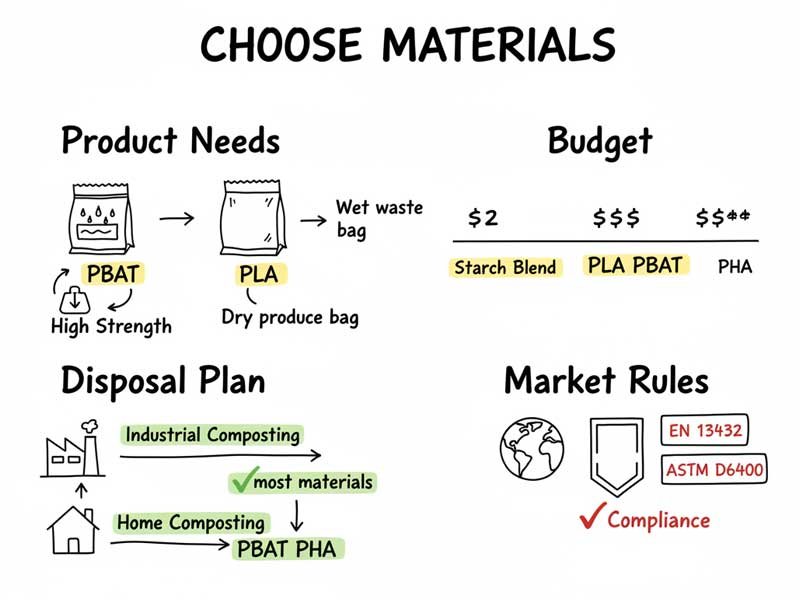
If you are a packaging distributor in Australia, you need clear information about Australia compostable bag labeling requirements. You want to know what to print on bags before you sell them. You want to avoid misleading your customers. This page gives you simple, practical guidance.
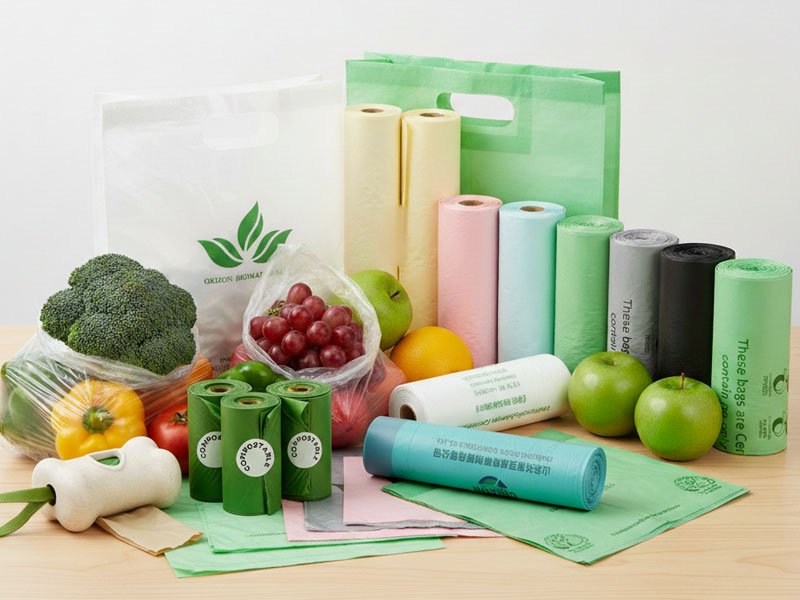
Why Australia Compostable Bag Labeling Requirements Matters for Distributors
When you sell compostable bags, the labels must match what the product truly is.
In Australia, products such as compostable packaging must be clearly labelled so they can be accepted by councils and composting facilities. From 1 September 2024, certified compostable plastic barrier bags must be clearly marked with accurate compostable information to avoid being prohibited products.
If you resell bags with vague or incorrect wording like “biodegradable,” buyers and waste processors may not accept them. Many distributors on forums warn that bags without correct labeling often get rejected at composting facilities.
Labels help your customers and end users know the proper disposal pathways and avoid contamination of organic waste streams.
Labeling is only one part of overall compliance for compostable packaging in Australia.
For a full overview of Australia-ready compostable bag requirements and product categories, you can visit our Australia Compostable Bags page.
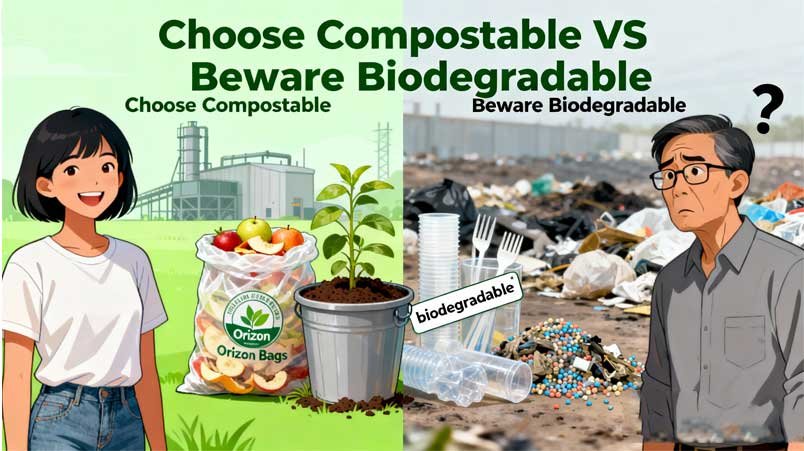
Compostable vs Biodegradable — What It Means
You will see two terms often:
- Compostable – this means the product meets a recognized composting standard.
- Biodegradable – this word alone does not guarantee the product will break down in a composting system.
In Australia, compostable products must meet Australian Standards such as AS4736 or AS5810.
If a bag is only labelled “biodegradable,” many councils and commercial composting facilities will not accept it. This has caused confusion in the industry and results in plastic contamination in organic bins if labels are misleading (The Guardian reported contamination issues from unclear labels).
AS4736 and AS5810 — What You Should Know
Australia has two major compostable standards that are commonly used for bags:
AS4736 (Industrial / Commercial Compostable)
This standard applies to products that can be composted in industrial composting facilities. Bags meeting AS4736 should break down in commercial composting operations and are widely accepted in council organic waste programs.
Many councils require AS4736 certified compostable bags with clear labeling to be exempt from single-use plastic bans.
AS5810 (Home Compostable)
Products that meet AS5810 are designed to break down in a home compost environment. These are often used for household food waste bags and small retail packaging.
Labels must clearly show which standard the bag meets so distributors and buyers know how the bag should be handled.
What Must Appear on a Compliant Compostable Bag Label
Here is a simple checklist you can use when reviewing bags from your supplier:
- Standard reference — AS4736 or AS5810 clearly shown.
- Accurate claim wording — label must state the correct compostable claim the product is certified for.
- Certification logo — such as the Seedling logo from the Australasian Bioplastics Association for commercial compostable product if licensed.
- Disposal guidance — short instruction for composting if space allows.
- Date or batch reference — optional but useful for traceability.
Government guidance in South Australia states that compostable bags “must be clearly labelled… to indicate that the product is home compostable, industrially compostable, or both.”
You do not need every logo on the bag, but the claims must be truthful and match certification.
Common Labeling Mistakes Distributors Should Avoid
These are mistakes you should watch for when verifying supplier samples:
- Using “biodegradable” alone — this is often misleading and not compliant.
- Wrong standard references — like claiming AS5810 when the product only meets AS4736, or vice versa.
- Inconsistent wording on bag and carton.
- Missing certification number — makes traceability hard.
These kinds of mistakes are commonly discussed on Australian forums where buyers and small businesses express confusion about what bags can truly be composted in local systems.
Labeling Considerations for Roll vs Flat Pack Bags
Different formats have different labeling challenges:
- Roll bags – limited surface area means you must use precise, short claims and often rely on clear carton labeling.
- Flat pack bags – more space can allow slightly longer claims and disposal guidance.
Make sure labeling on both the individual bag and outer carton or product listing match and follow the same rules.
Because labeling space and usage differ by format, distributors often need to choose the right bag format first.
If you want a practical comparison of roll and flat compostable bags for retail and wholesale use, see our guide on Roll vs Flat Compostable Bags.
A Simple Labeling Checklist for Distributors
Use this internal checklist when reviewing new products:
Bag Level (Individual Packaging):
- Meets AS4736 or AS5810
- Clear wording matching certification
- Seedling logo (if licensed)
- No vague terms like “biodegradable” alone
Carton Level (Outer Packaging):
- Consistent claims with bag level
- Standards and logos visible
- Batch or trace number
This checklist will help reduce complaints from buyers and avoid regulatory confusion.
Conclusion
When you source compostable bags, you are not just buying a product. You are responsible for providing accurate, compliant labeling to your customers.
Use the checklist on this page to verify labels. That will reduce risk for you and for your buyers.
Looking for compostable bags with compliant labeling for resale in Australia? We work directly with packaging distributors and wholesalers, offering Australia-ready compostable bags with clear labeling support. View our Compostable Bags for Distributors.
Sources
- South Australia labeling requirements for AS certified compostable bags and shopping bags.
- ABA Seedling Logo and verification program for compostable products.
- Queensland Government defines AS4736 and AS5810 for compostable plastic items.