In the fashion retail industry, packaging plays a much more important role than simply getting merchandise out of the store. In my interactions with clients, I’ve found that for boutique brands and fashion retailers, shopping bags are an integral part of the brand experience. They reflect brand positioning, quality, and values, especially now that sustainability is a fundamental requirement rather than an added bonus.
In recent years, many fashion retailers have begun exploring compostable boutique shopping bags as alternatives to traditional plastic or paper bags. However, choosing the right shopping bag is not easy. Issues such as appearance, strength, certification, and provenance often introduce uncertainty into the decision-making process.
This article will explain how compostable boutique shopping bags work, compare several of the most commonly used shopping bag types in the fashion retail industry, and share some practical sourcing considerations for B2B buyers.
What Are Compostable Boutique Bags?
Compostable boutique bags are carry bags made from certified compostable materials, designed for retail takeaway use while meeting recognized compostability standards.
In a boutique or fashion retail context, these bags are not just functional items. They are expected to:
- Look clean and presentable
- Support brand identity through printing
- Handle typical apparel weights
- Meet local sustainability or packaging regulations
Unlike generic shopping bags, boutique carry bags must balance visual presentation and performance, not just cost.

Compostable vs Paper Bags in Boutique Retail
Paper bags have long been the default choice for fashion retailers, largely due to their appearance. However, they also come with limitations.
Paper bags tend to:
- Lose strength in humid or wet conditions
- Tear more easily after one or two uses
- Increase storage and shipping volume due to weight
Compostable plastic boutique bags offer different advantages:
- Better moisture resistance
- Lighter weight
- More consistent performance during daily use
There is no universally better option. The right choice depends on how the bag will be used, the local disposal system, and the retailer’s priorities for appearance and durability.

Types of Compostable Boutique Carry Bags
Different retail scenarios call for different bag structures. Below are the most common compostable bag types used in boutique and fashion retail.
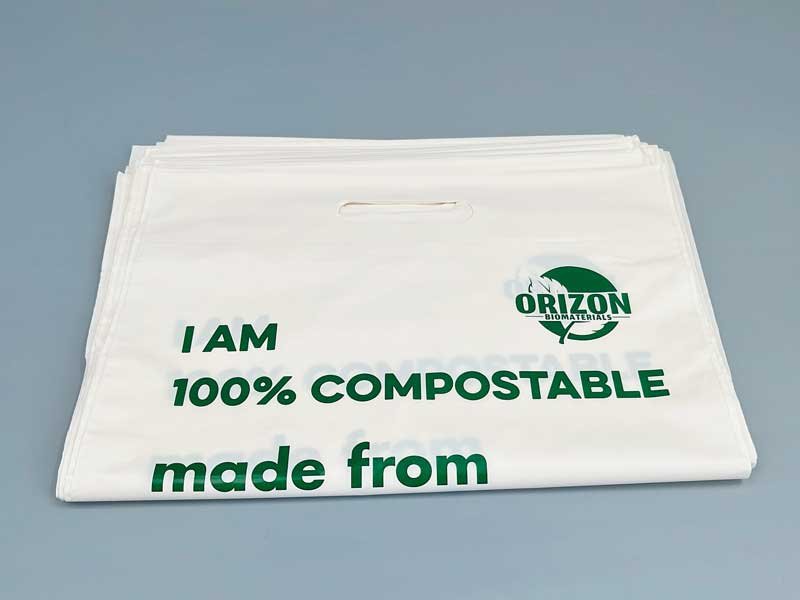
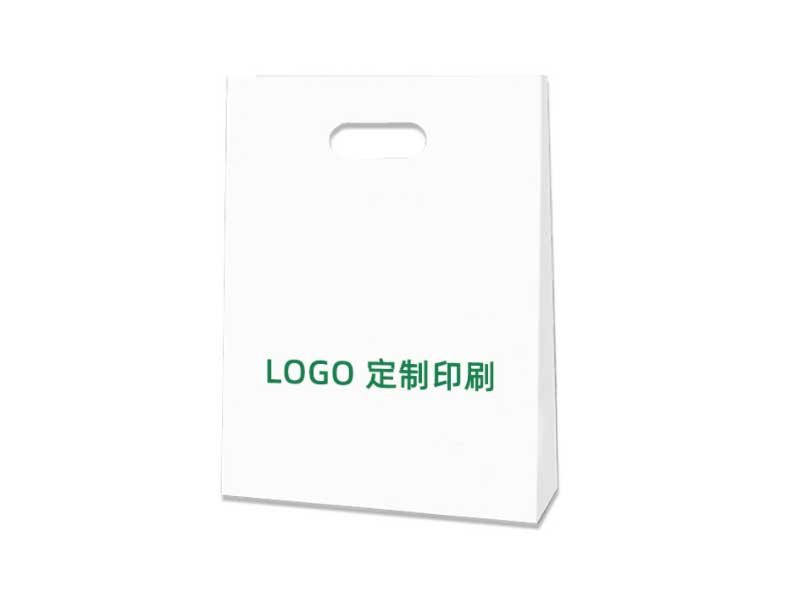
Compostable Die-Cut Handle Bags
Die-cut handle bags are the most widely used compostable option in boutique retail.
They feature a clean rectangular shape with a punched handle, offering a neat and minimal look that suits apparel and lifestyle brands.
Typical uses include:
- Clothing boutiques
- Accessories and lifestyle stores
- Brand takeaway packaging
Key advantages:
- Smooth surface for branding
- Balanced appearance and strength
- Suitable for both single-color and multi-color printing
For many fashion retailers, compostable die-cut handle bags provide the best balance between brand presentation and practical performance.
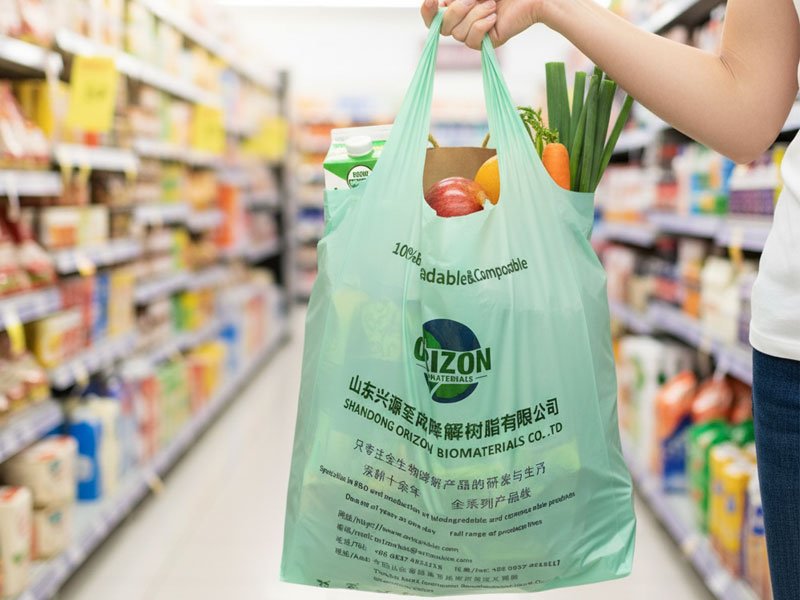
Compostable T-Shirt Bags
T-shirt bags are more commonly associated with grocery or high-volume retail, but they can still be relevant in certain fashion scenarios.
Typical uses include:
- Discount or outlet stores
- High-turnover retail environments
- Backroom or secondary carry use
While they are cost-effective and strong, t-shirt bags generally offer less visual appeal compared to die-cut options. As a result, they are less common in premium boutique settings.
Compostable Flat Bags
Flat compostable bags are usually not used as primary carry bags but play an important supporting role.
Typical uses include:
- Inner garment protection
- Dust covers for apparel
- Secondary packaging inside branded outer bags
They help protect products while keeping the outer carry bag clean and presentable.
Compostable Boutique Bag Type Comparison
The table below compares common compostable boutique bag structures used in fashion retail, based on typical sizing, thickness, and branding suitability.
| Bag Type | Common Sizes (W × L) | Typical Thickness | Typical Boutique Uses | Suitable for Printing |
|---|---|---|---|---|
| Compostable Die-Cut Handle Bags | 300×400 mm 350×450 mm 400×500 mm | 40–80 μm | Apparel boutiques Accessories stores Brand takeaway | Yes |
| Compostable T-Shirt Bags | 300×600 mm 320×650 mm | 18–30 μm | Discount retail High-turnover sales | Limited |
| Compostable Flat Bags | 250×350 mm 300×400 mm | 20–50 μm | Inner packaging Garment protection | Simple logos |
Choosing the right structure and thickness is often more important than choosing the lowest unit price.
Typical Uses in Fashion and Boutique Retail
Compostable boutique bags are commonly used in:
- Clothing and fashion boutiques
- Accessories and lifestyle stores
- Pop-up shops and seasonal retail
- Brand events and exhibitions
Each use case places different demands on the bag. For example, a pop-up store may prioritize light weight and fast turnaround, while a permanent boutique may focus more on consistent branding and long-term supply stability.
Understanding the actual retail workflow helps avoid over- or under-specifying the bag.
Printing, Appearance, and Brand Presentation
What Printing Works Best on Compostable Boutique Bags?
Printing quality depends on both material formulation and bag thickness.
In general:
- Thicker films provide better print stability
- Simple logo designs often produce cleaner results
- Overly complex designs can reduce visual clarity
Many fashion brands choose minimal branding for compostable boutique bags, allowing the material and shape to support a clean brand image.
Common Design Mistakes to Avoid
Some issues frequently appear during early sampling stages:
- Overloading the design with graphics
- Choosing colors that do not match the natural tone of the material
- Ignoring handle stress points during printing
Designing with the bag structure in mind leads to more consistent results at scale.
Certifications and Compliance Considerations
For boutique retailers, sustainability claims must be supported by recognized standards.
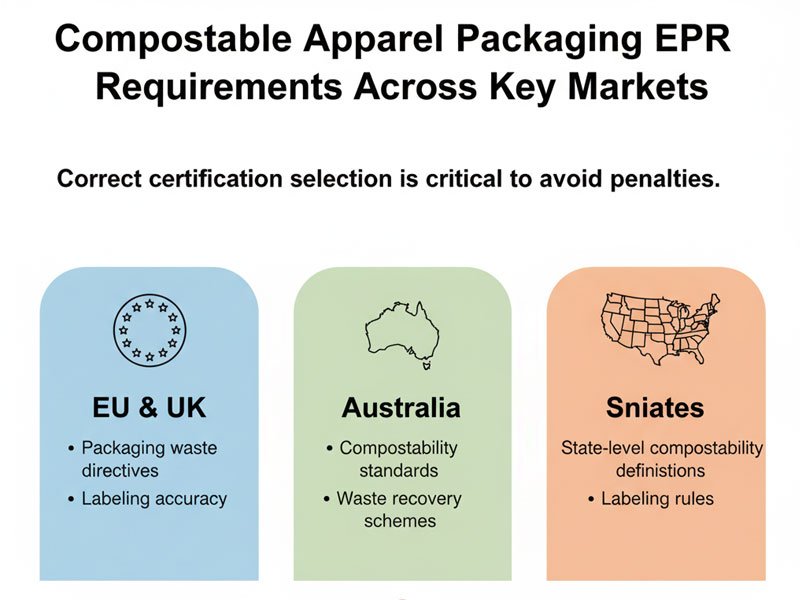
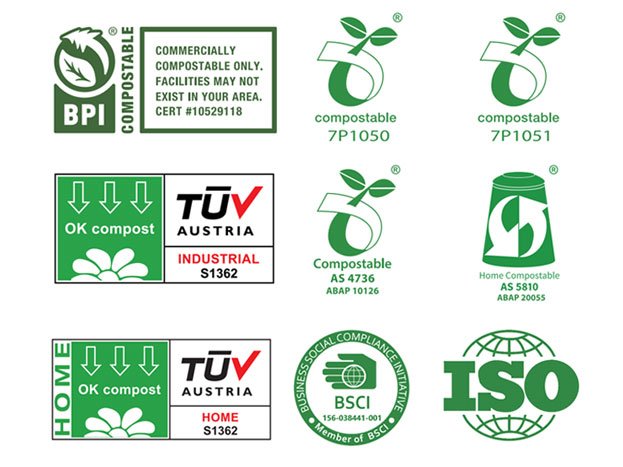
Depending on the target market, compostable boutique bags may require compliance with:
- EN 13432 (EU)
- ASTM D6400 or BPI certification (US)
- AS 4736 or AS 5810 (Australia)
- OK Compost or OK Compost HOME where applicable
Certification typically applies to the finished bag, not just the raw material. This distinction is important when sourcing across different regions.
How to Source Compostable Boutique Bags (B2B Guide)
Key Details to Confirm Before Requesting a Quote
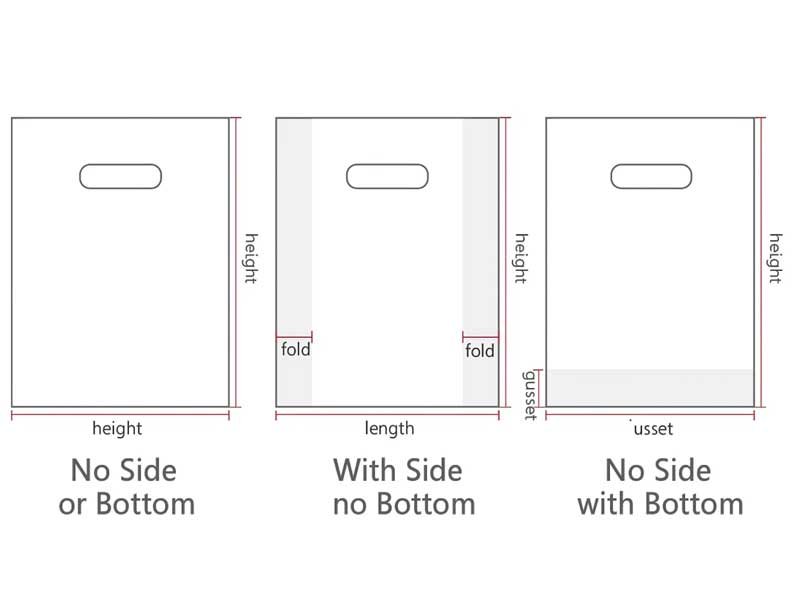
To receive accurate pricing and avoid delays, buyers should clarify:
- Bag type (die-cut, flat, or others)
- Size and thickness
- Printing requirements
- Target market and certification needs
- Estimated monthly or annual volume
- Packing format (stacked or carton-packed)
- Delivery terms
Clear specifications lead to smoother sourcing and fewer revisions.
What to Expect From a Reliable Supplier
From a manufacturing perspective, a professional supplier should be able to support:
- Stable batch-to-batch quality
- Complete certification documentation
- OEM and private-label programs
- Transparent MOQ and lead time
- Long-term supply consistency
These factors become increasingly important as order volumes grow.
Common Mistakes Boutique Brands Make
Some sourcing issues appear repeatedly:
- Choosing bags based only on appearance
- Confusing biodegradable claims with certified compostability
- Ignoring actual load and use conditions
- Overlooking destination market regulations
- Underestimating the importance of supply stability
Addressing these points early helps reduce operational and compliance risks.
Conclusion
There is no single “best” compostable boutique bag that works for every fashion retailer.
The right solution depends on retail application, local regulations, performance expectations, and long-term supply requirements. Treating compostable boutique bags as a structured sourcing decision—rather than a simple packaging swap—leads to more predictable outcomes.
For B2B buyers, clarity at the selection stage helps ensure compostable packaging supports both brand presentation and practical retail operations over time.
FAQ
What are compostable boutique carry bags?
Compostable boutique carry bags are retail takeaway bags made from certified compostable materials, designed for fashion and boutique stores where branding and presentation matter.
Are die-cut handle bags good for boutique retail?
Yes. Compostable die-cut handle bags are commonly used in boutiques because they look clean, support branding, and can be specified for reliable strength.
How thick should compostable boutique bags be for apparel items?
Thickness depends on the product weight and store workflow. Light apparel may use lower thickness, while heavier items or humid conditions often require thicker film for stability.
Can compostable boutique bags be custom printed?
Yes. Most compostable boutique bags can be printed with logos and branding. Printing results depend on bag structure, thickness, and design complexity.
What certifications should compostable boutique bags meet for different markets?
Common standards include EN 13432 (EU), ASTM D6400 or BPI (US), and AS 4736 or AS 5810 (Australia). The right certification depends on the destination market.
What should B2B buyers confirm before sourcing compostable boutique bags?
Confirm the bag type, size, thickness, printing, target market certifications, packing method, MOQ, lead time, and delivery terms before requesting quotes.