Dog waste bags are one of the most widely used disposable pet products. Although they appear simple, producing high-quality bags requires careful control of materials, thickness, perforation, and roll winding.
For brands sourcing private label dog waste bags or compostable alternatives, understanding the manufacturing process helps ensure product quality and user satisfaction. Professional dog waste bags manufacturers optimize film thickness, perforation design, and roll structure.
This guide explains how dog waste bags are produced, from raw materials to finished rolls.
Materials Used in Dog Waste Bags
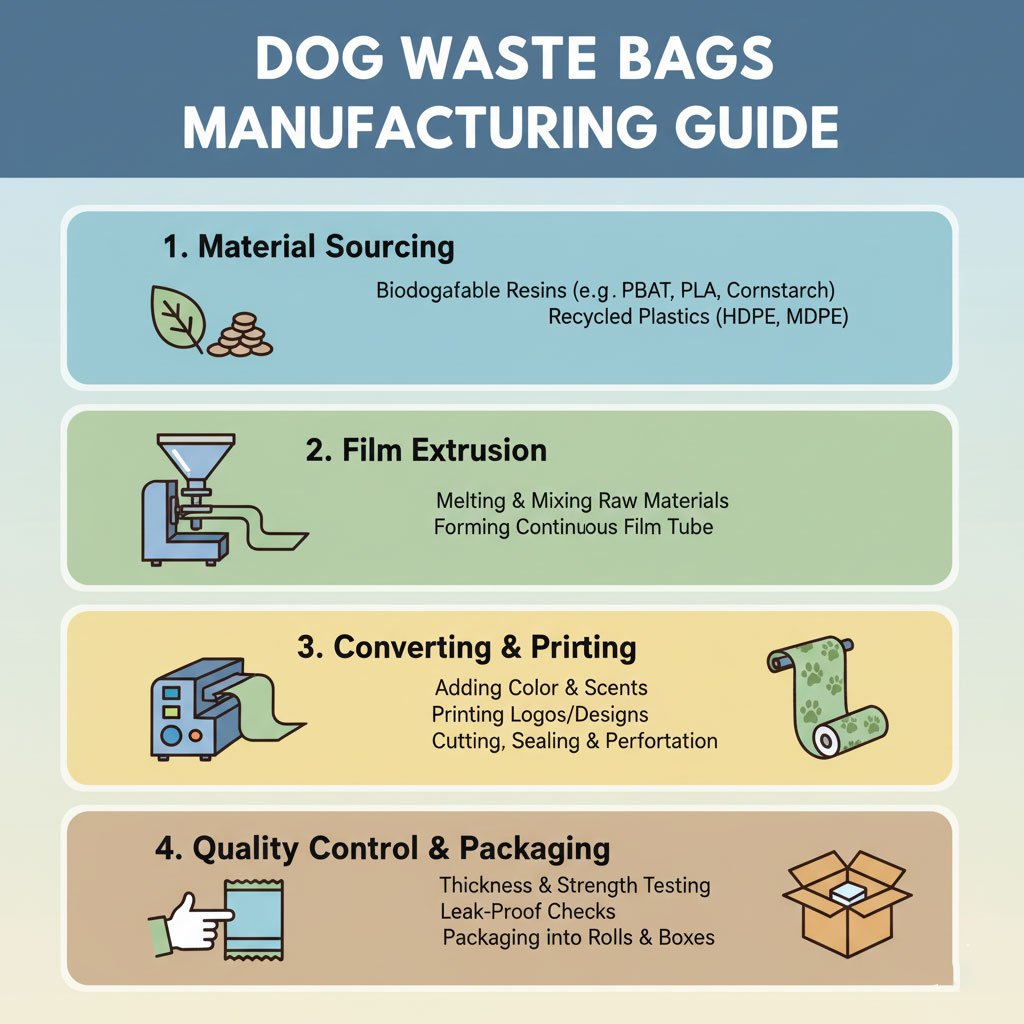
The first step in manufacturing dog waste bags is selecting the correct film material.
Most dog waste bags fall into two categories:
Conventional plastic bags
Made from polyethylene materials such as:
- HDPE
- LDPE
- LLDPE
These bags are durable but not biodegradable.
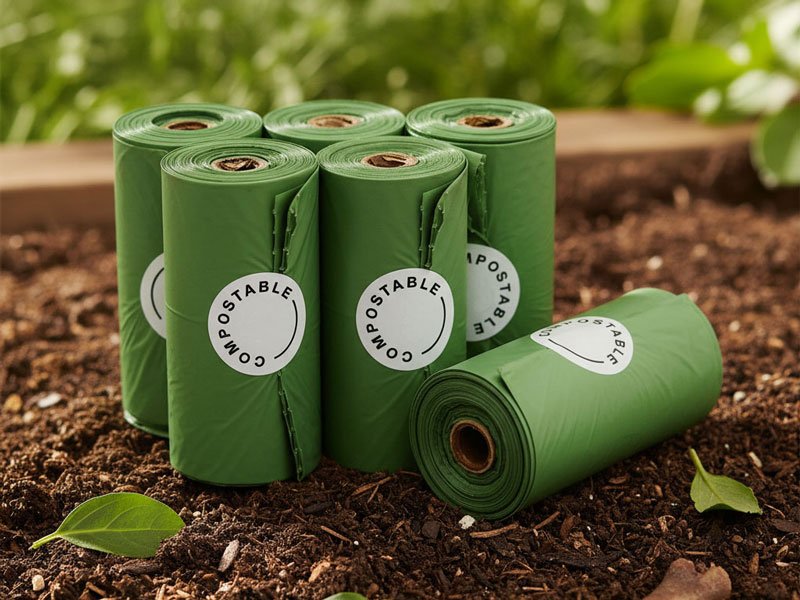
Compostable dog waste bags
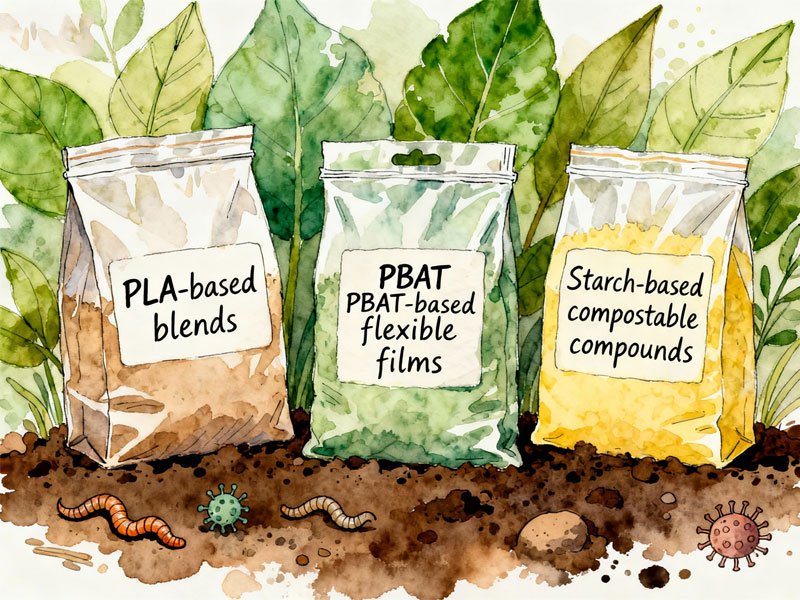
Compostable alternatives typically use PLA + PBAT biodegradable film blends.
These materials allow bags to maintain flexibility while meeting compostability standards such as:
- ASTM D6400
- EN13432
- BPI certification
PLA provides structural rigidity, while PBAT improves flexibility and tear resistance.
Film Extrusion Process
After raw materials are blended, they are processed through film extrusion machines.
During extrusion:
- Compostable resin pellets are melted
- Film is blown into thin tubular sheets
- Thickness is controlled using cooling systems
Typical thickness for dog waste bags:
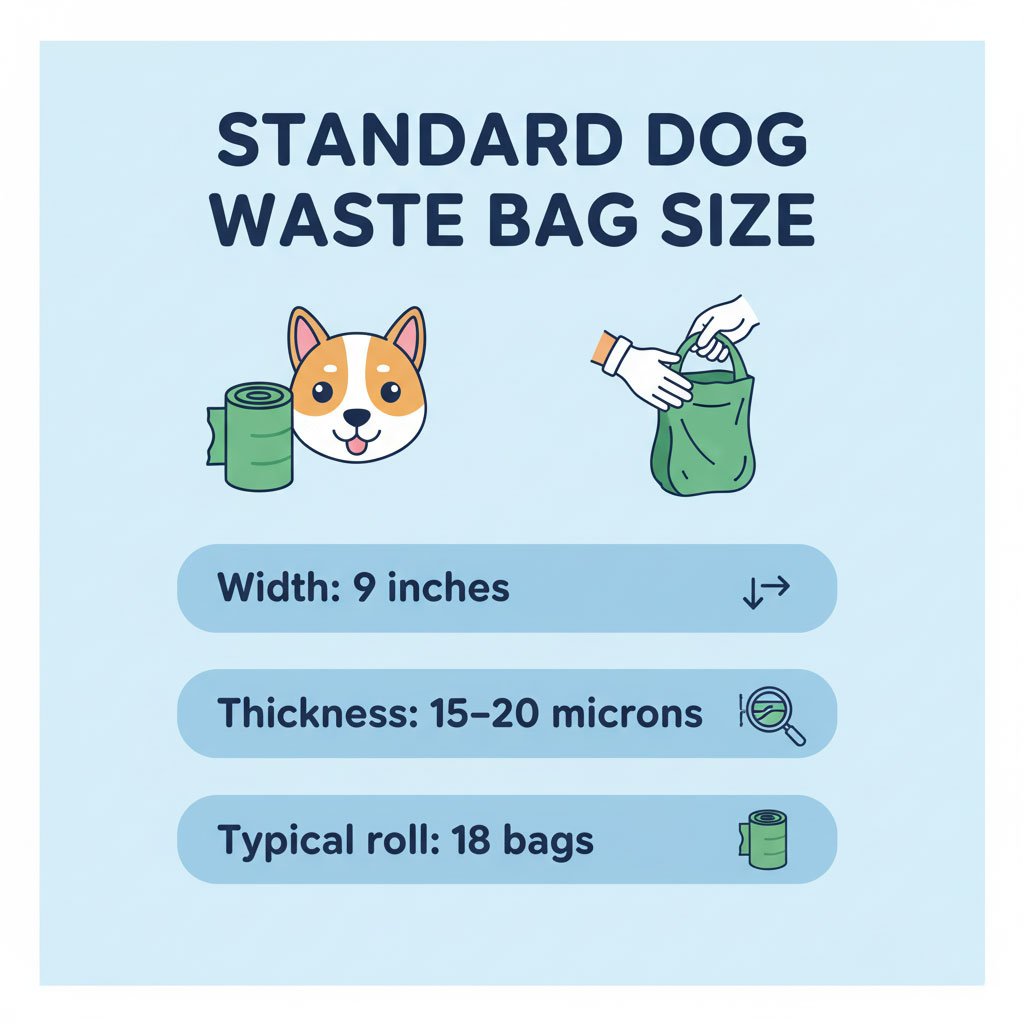
Before selecting thickness, it is also helpful to understand the standard dog waste bag dimensions used by most brands.
| Thickness | Usage |
|---|---|
| 15 microns | economy bags |
| 18 microns | most common |
| 20 microns | premium bags |
Maintaining consistent thickness is critical for both durability and cost control.
Embossing and Film Texture
Many dog waste bags use embossed or micro-textured film surfaces.
Embossing is applied using patterned rollers during film processing.
Benefits include:
- preventing bags from sticking together
- improving grip when opening the bag
- enhancing perceived quality
Bag Cutting and Perforation
After extrusion, the film is converted into individual bags.
The film passes through a bag converting machine that performs:
- sealing
- cutting
- perforation
Perforation lines allow users to tear bags easily from the roll.
Proper perforation design is essential for dog waste bag roll performance, especially for retail and private label products.
High-quality perforation ensures:
- smooth tearing
- no accidental double tearing
- consistent bag length
Roll Winding Process
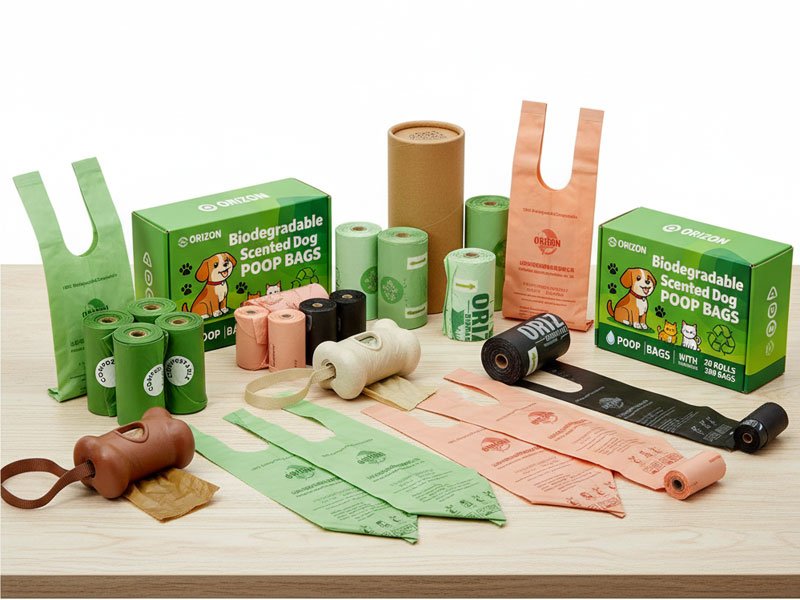
Dog waste bags are typically supplied in perforated rolls.
During this step:
- bags are wound around a small core
- rolls are compressed to maintain shape
- automatic counting ensures correct bag quantities
Common roll configurations include:
| Bags per Roll | Typical Retail Format |
|---|---|
| 15 bags | small packs |
| 18 bags | most common |
| 20 bags | bulk packs |
Retail packaging often includes multiple rolls per box.
Many pet brands sell compostable dog waste bags in retail packs containing multiple rolls.
Example: 10 rolls × 18 bags = 180 bags total.
Quality Control in Dog Waste Bag Production
Reliable manufacturers implement several quality control steps.
These include:
- film thickness testing
- tensile strength testing
- leak resistance testing
- perforation strength verification
Quality inspection ensures that bags do not tear during use and remain easy to open.
Compostable Certification Requirements
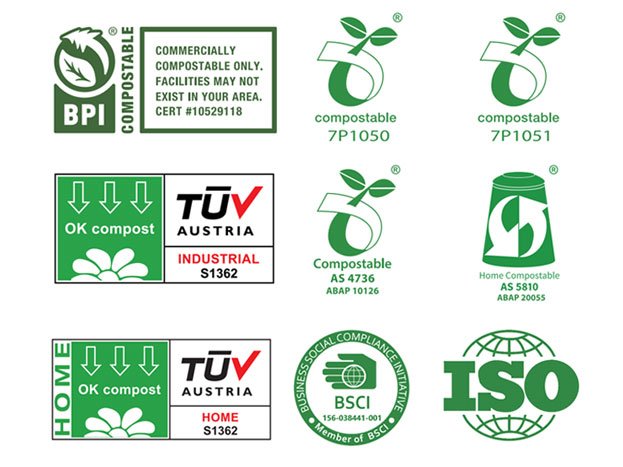
For compostable dog waste bags, certification is essential.
Common certification standards include:
These standards help verify whether compostable plastic products meet international biodegradation requirements.
| Certification | Region |
|---|---|
| ASTM D6400 | United States |
| EN13432 | European Union |
| BPI Certified | North America |
These standards verify that compostable bags can break down under controlled composting conditions.
Choosing a Dog Waste Bag Manufacturer
When selecting a manufacturing partner, buyers should evaluate:
- material certification
- film extrusion capability
- production capacity
- OEM customization options
- quality control systems
Experienced manufacturers can provide private label dog waste bags tailored for retail, wholesale, or pet product brands.
You can learn more about our production capabilities here: Compostable Dog Waste Bags Manufacturer
Conclusion
Manufacturing dog waste bags involves multiple steps, including material selection, film extrusion, embossing, perforation, and roll winding.
For brands sourcing compostable alternatives, working with an experienced manufacturer ensures consistent quality, reliable supply, and compliance with international compostability standards.