When many businesses consult us about Dog Waste Station Bags, I’ve found that many buyers mistakenly believe all dog waste bags are for the same purpose. However, dog waste station bags and regular dog waste bags are actually designed for very different purposes.
For parks, homeowners associations, municipalities, and distributors, using the wrong bag type can lead to dispenser blockages, bag waste, increased maintenance costs, and customer complaints. What Are Dog Waste Station Bags? A B2B Guide for Parks, HOAs & Distributors
As a manufacturer with 16 years of experience producing compostable bags, this article will focus on the practical differences between dog waste station bags and regular dog waste bags for commercial use, and is not intended for individual pet owners.
What Are Dog Waste Station Bags?
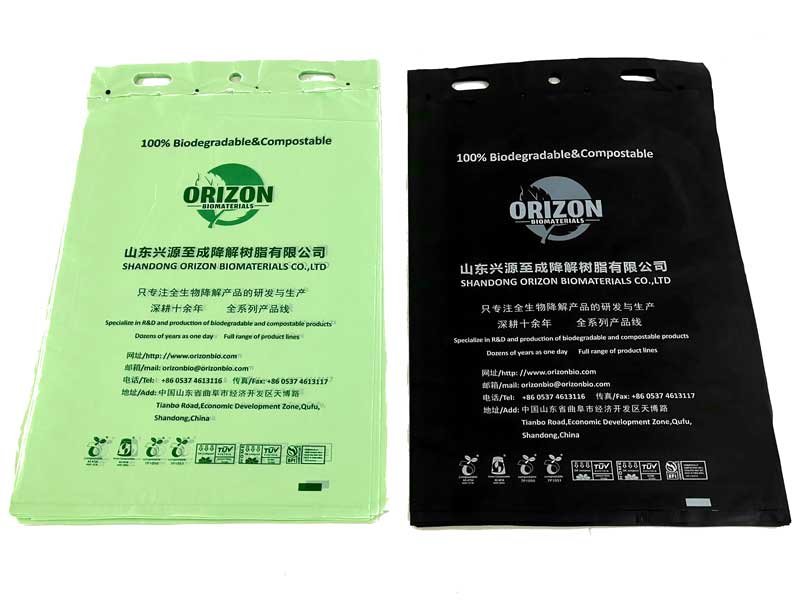
Dog Waste Station Bags (Dog feces collection bags) are specifically designed for use in public dog feces collection stations.
Application Scenarios:
- Parks and dog parks
- Home Owners Associations (HOAs)
- Apartment buildings
- Commercial real estate
- Municipal sidewalk projects
Most dog feces collection bag specifications:
- Standard size, typically 8 × 13 inches
- Roll or individual packaging
- Suitable for commercial dispensers
- Designed for high-volume, unsupervised use environments
End Use:
Ensure efficient operation of collection stations, minimizing waste generation and maintenance.

What Are Regular Dog Poop Bags?
Regular dog poop bags are designed for personal, individual use.
They are typically:
- Sold in small rolls (10–20 bags)
- Used with handheld dispensers
- Focused on portability and convenience
These bags work well for daily walks.They are not designed for public stations, where dozens or hundreds of people may use the same dispenser each week.
This difference in use case is the root of most problems when bags are mixed.
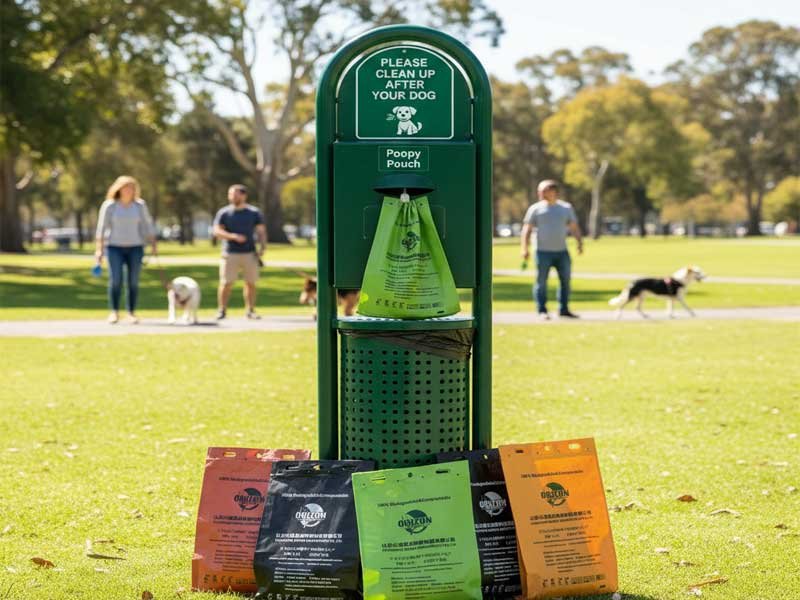
Dispenser Compatibility: Why Station Bags Are Not Interchangeable
This is the most common mistake in commercial dog waste programs.
How Dog Waste Station Dispensers Work
Most dog waste station dispensers are built around:
- Roll-loaded systems or header-style packs
- Fixed bag width (usually around 8 inches)
- Perforated bags for controlled separation
- A narrow exit slot to limit over-pulling
Many stations are designed for one-at-a-time dispensing to reduce waste.
Why Regular Poop Bags Fail in Station Dispensers
Regular dog poop bags are not compatible with these systems because:
- The roll diameter is often too small
- The bag width is usually narrower than station standards
- Perforations do not align with dispenser exits
- Bags pull out in clusters instead of one at a time
In practice, this leads to:
- Bags getting stuck
- Multiple bags pulled at once
- Users tearing bags by force
- Stations becoming unusable until serviced
This is why dog waste station bags vs poop bags should never be treated as interchangeable in commercial settings.
How Dog Waste Station Dispensers Work
Most dog waste station dispensers are built around:
- Roll-loaded systems or header-style packs
- Fixed bag width (usually around 8 inches)
- Perforated bags for controlled separation
- A narrow exit slot to limit over-pulling
Many stations are designed for one-at-a-time dispensing to reduce waste.
Why Regular Poop Bags Fail in Station Dispensers
Regular dog poop bags are not compatible with these systems because:
- The roll diameter is often too small
- The bag width is usually narrower than station standards
- Perforations do not align with dispenser exits
- Bags pull out in clusters instead of one at a time
In practice, this leads to:
- Bags getting stuck
- Multiple bags pulled at once
- Users tearing bags by force
- Stations becoming unusable until serviced
This is why dog waste station bags for public systems should never be treated as interchangeable in commercial settings.
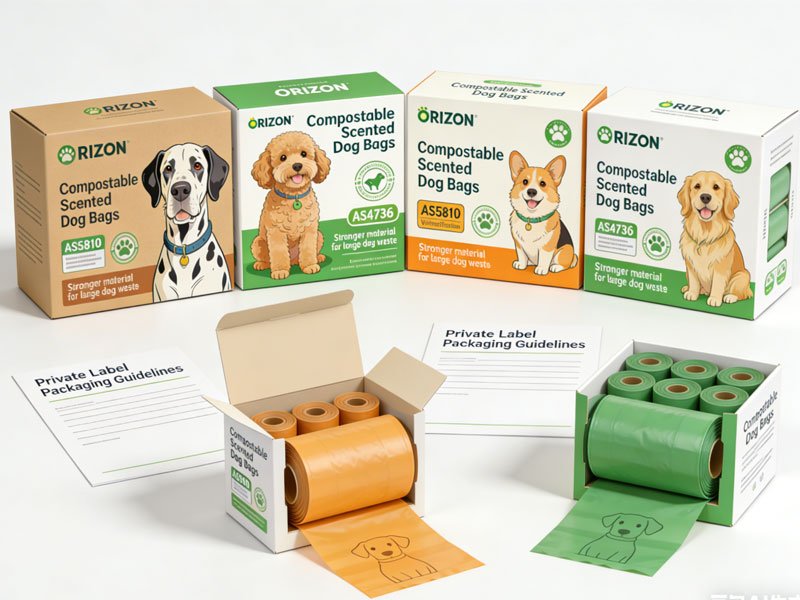
Public Use vs Personal Use: Different Design Priorities
Public Dog Waste Stations (Commercial Use)
Public stations face conditions that personal products are not built for:
- Unsupervised users
- High daily traffic
- Gloves, cold weather, rushed use
- No incentive to conserve bags
For this reason, commercial dog waste bags must:
- Withstand rough pulling
- Dispense in a controlled way
- Reduce bag waste
- Stay usable even with misuse
Personal Dog Poop Bags (Individual Use)
Personal bags assume:
- One owner
- One dog
- Careful pulling
- No shared equipment
They are optimized for convenience, not abuse resistance.
Trying to use personal poop bags in a public station ignores these behavioral differences.
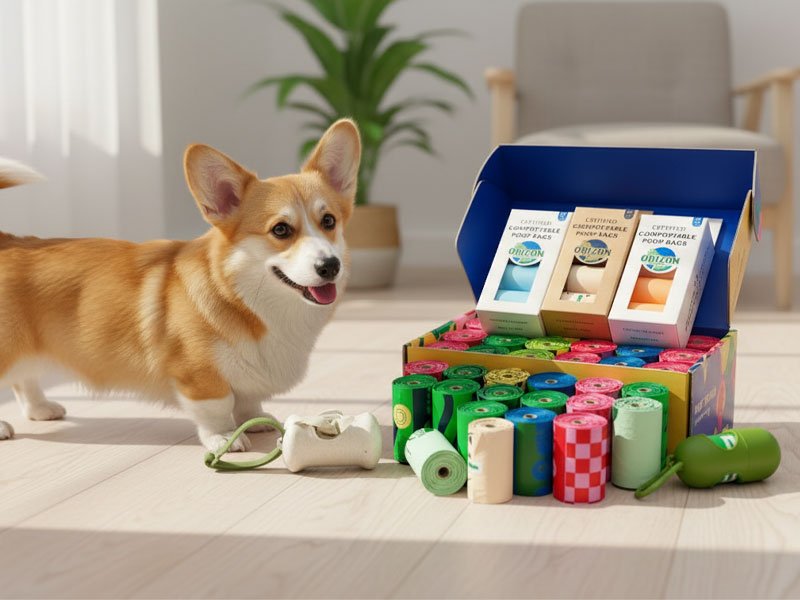
Cost Differences for Parks, HOAs, and Municipalities
From a B2B point of view, the biggest issue is not bag price, but maintenance cost.
What Happens When the Wrong Bags Are Used
When regular poop bags are placed in stations, operators often see:
- Bag waste from over-pulling
- Faster roll depletion
- More frequent refill visits
- Higher complaint rates
- Dispenser damage over time
Each refill visit adds labor, fuel, and administrative cost.
Why Commercial Dog Waste Bags Lower Long-Term Cost
Proper dog poop bags for stations are designed around:
- Predictable bags per roll (often 200 per roll)
- Standardized refill cycles
- Reduced waste per user
- Fewer service calls
Over time, correct commercial dog waste bags selection leads to lower total cost of ownership, even if unit price is slightly higher.
Why Dog Waste Station Bags and Poop Bags Should Not Be Mixed
- Dispenser compatibility
- Bag dimensions
- Roll and perforation design
- Strength requirements
- Operational goals
Regular dog poop bags are for individuals.
Dog waste station bags are for public systems.
Mixing them usually increases waste, maintenance, and user frustration.
Compostable Considerations for Commercial Dog Waste Stations
As more cities and HOAs request sustainable options, compostable commercial dog waste bags are becoming common.
Compostable vs “Biodegradable”: What Buyers Should Know
For B2B buyers, the key is certification, not marketing language.
Certified compostable bags are tested to recognized standards.
“Biodegradable” without certification often has no clear meaning in procurement documents.
Disposal Reality in Public Programs
It is also important to be clear about disposal conditions:
- Compostable bags do not automatically compost in landfills
- Actual breakdown depends on local waste systems
- Programs should follow local regulations and guidance
Clear, accurate wording helps avoid misunderstandings and procurement risk.
How to Choose the Right Bag for Commercial Dog Waste Stations
When evaluating dog waste station bags vs poop bags, commercial buyers should ask:
- What dispenser type is installed?
- Does the bag match standard station size (such as 8 × 13)?
- Is the bag supplied in rolls or header packs?
- Is thickness suitable for public use?
- How many bags per roll align with service schedules?
- Is compostable certification required?
Avoid consumer-grade poop bags for station use, even if they appear similar.
Conclusion
The success of a dog waste collection station project hinges on a few details. Choosing the right commercial dog waste bags helps reduce waste, control maintenance costs, and keep public spaces clean.
Using ordinary dog waste bags at collection stations often backfires. If you are responsible for managing or supplying dog waste collection stations, understanding these differences is crucial.