Choosing a sustainable apparel inner packaging supplier is not as simple as picking a bag that looks “green.” Inner packaging touches your products directly—shirts, underwear, scarves, and other garments. If something goes wrong, customers notice immediately.
Over the years, I’ve seen brands struggle with inner bags that smell strange, stick together, or lose strength in storage. I’ve also seen teams rely on vague sustainability claims that later caused compliance problems.
This guide is written to help apparel brands choose inner packaging suppliers with more confidence—by focusing on materials, proof, and long-term consistency, not slogans.
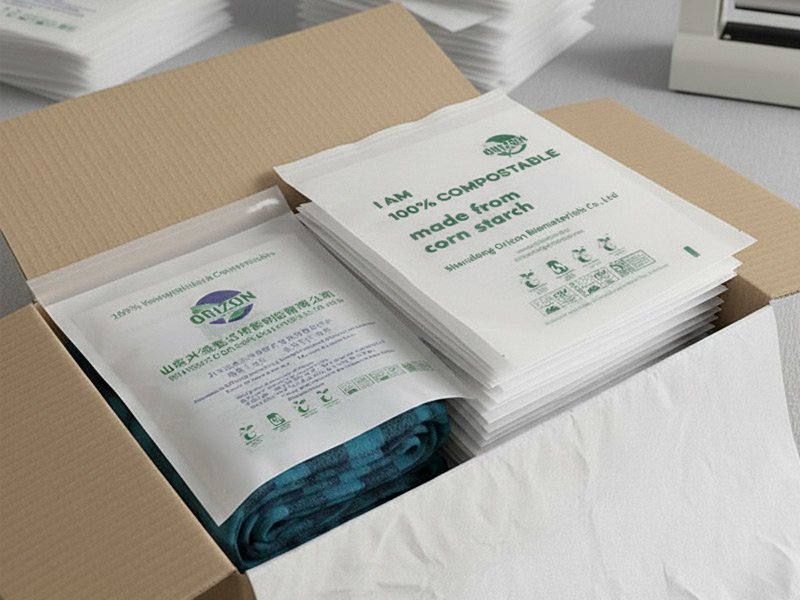
Why Inner Packaging Matters More Than Brands Expect
Inner packaging is often treated as a small detail, but it plays a big role.
Unlike shipping mailers, apparel inner packaging is used for:
- protecting garments during storage and transport
- keeping items clean and dust-free
- supporting retail display and folding
- shaping the customer’s first impression
When inner packaging fails, the problems are immediate. A shirt packed in a sticky or smelly bag feels “cheap,” even if the garment itself is well made. In humid warehouses, weak inner bags can soften or tear. These are not rare cases—they happen when materials and suppliers are not chosen carefully.
This is why sustainable inner packaging needs the same level of attention as fabric or trims.
What “Sustainable” Means for Apparel Inner Packaging
The word “sustainable” is widely used, but not always clearly explained. For inner packaging, it usually refers to material choice and end-of-life impact.
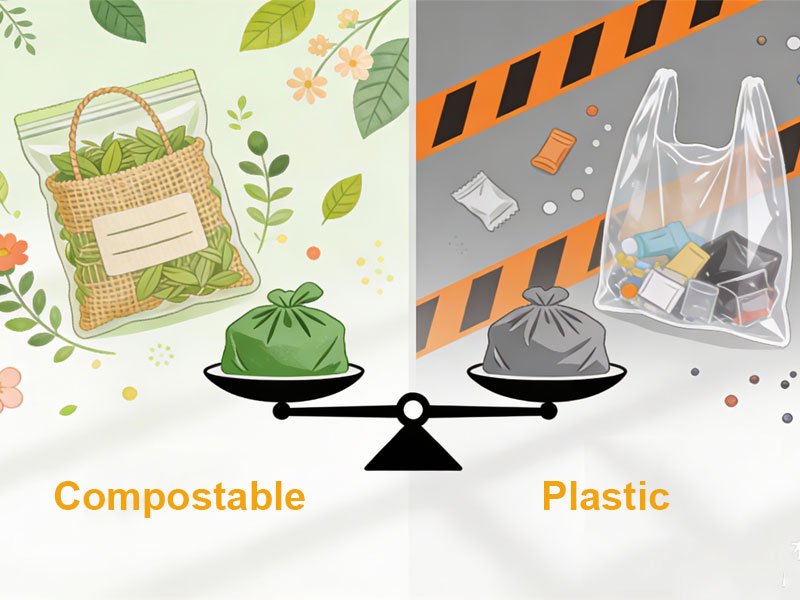
Biodegradable vs Compostable Inner Packaging
Biodegradable packaging can break down over time, but the process is often unclear. It may take years and can leave residues behind.
Compostable packaging follows strict standards. Certified compostable apparel inner packaging is designed to break down into water, carbon dioxide, and organic matter under controlled composting conditions.
For brands, compostable vs biodegradable packaging for apparel difference matters. Compostable claims can be verified. Biodegradable claims are often harder to check.
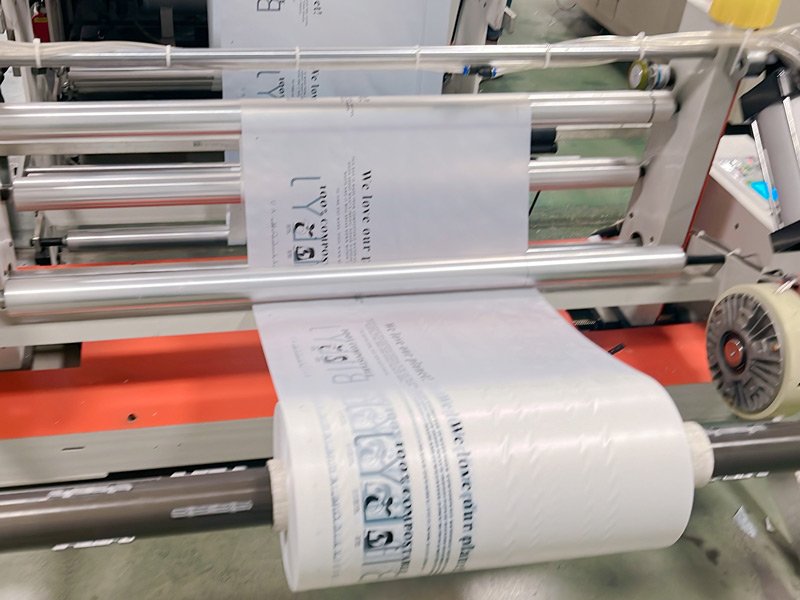
How to Choose a Sustainable Apparel Inner Packaging Supplier
Step 1: Verify Certifications — Not Claims
This is the first step I recommend to any brand.
Which Certifications Matter for Apparel Inner Bags
Common certifications for compostable inner packaging include:
- EN 13432 (Europe)
- ASTM D6400 (North America)
- OK Compost (Industrial or Home)
These standards test biodegradation, disintegration, and toxicity. They are not marketing badges.
How to Verify Compostable Certifications
A reliable supplier should provide:
- a certificate number
- the issuing organization
- the product scope (film or bag type)
You should be able to check this information on official certification websites.
If a supplier says “certification in progress” but cannot share details, that is a warning sign.
I’ve seen brands assume certification applies to all products from a factory. It doesn’t. Certification is product-specific.
Step 2: Understand the Material — Not Just the Name
Many inner packaging problems start with unclear material choices.
Common Materials Used in Compostable Apparel Inner Packaging
Most compostable garment inner bags use blends such as:
- PLA (from corn starch or sugarcane)
- PBAT (for flexibility and strength)
PLA alone can be brittle. PBAT alone is too soft. The balance matters.
Questions to Ask About Material Transparency
When choosing a supplier, I suggest asking:
- Does the material contain PE?
- Are additives or inks used?
- Does the supplier provide batch consistency data?
Clear answers show real material control. Vague answers usually mean limited oversight.
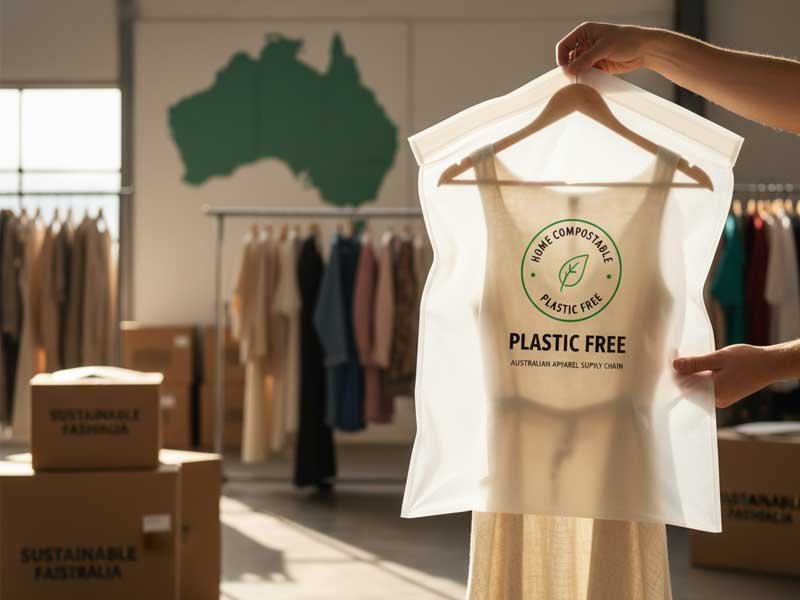
Step 3: Evaluate Performance for Real Apparel Use
Sustainable inner packaging must still work in daily use.
Key Performance Factors for Inner Packaging
For apparel inner bags, I always look at:
- thickness stability
- sealing strength
- odor control
- resistance to sticking
- shelf life in dry storage
These factors affect how the bag behaves over months, not just on day one.
Different Apparel Types, Different Requirements
Not all garments need the same inner packaging.
- Shirts need clarity and smooth folding
- Underwear requires odor-free materials
- Scarves and accessories often need softer films
- Multi-piece sets need stronger seals
A good supplier understands these differences.
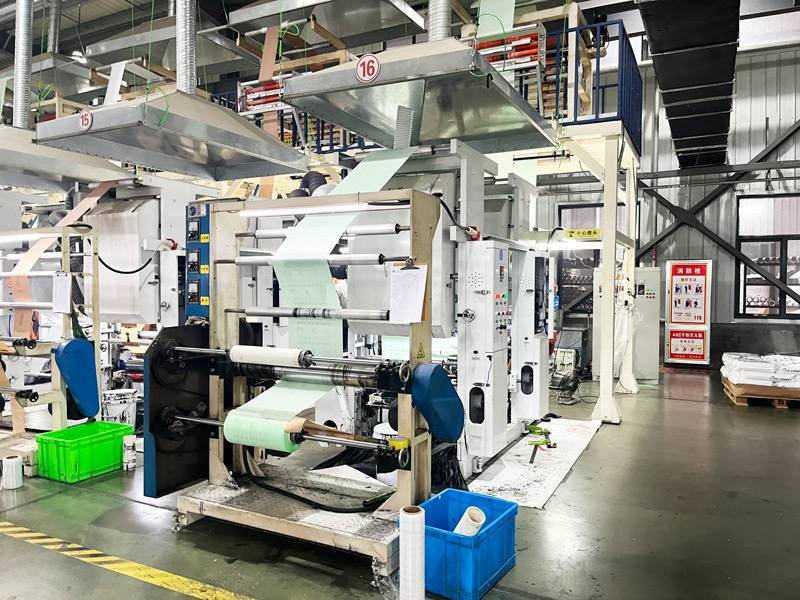
Step 4: Assess the Supplier’s Manufacturing Capability
Sustainability is not only about materials. It’s also about process control.
What to Look for Beyond the Sales Pitch
A reliable apparel inner packaging supplier should explain:
- where production happens
- how quality checks are done
- how defects are tracked
- how samples match mass production
Suppliers who only talk about “eco benefits” but avoid production details often create risk later.
Red Flags When Choosing a Supplier
I would be cautious if a supplier:
- cannot verify certifications
- avoids material questions
- offers prices far below market level
- refuses to discuss compliance
These issues usually show up again after orders are placed.
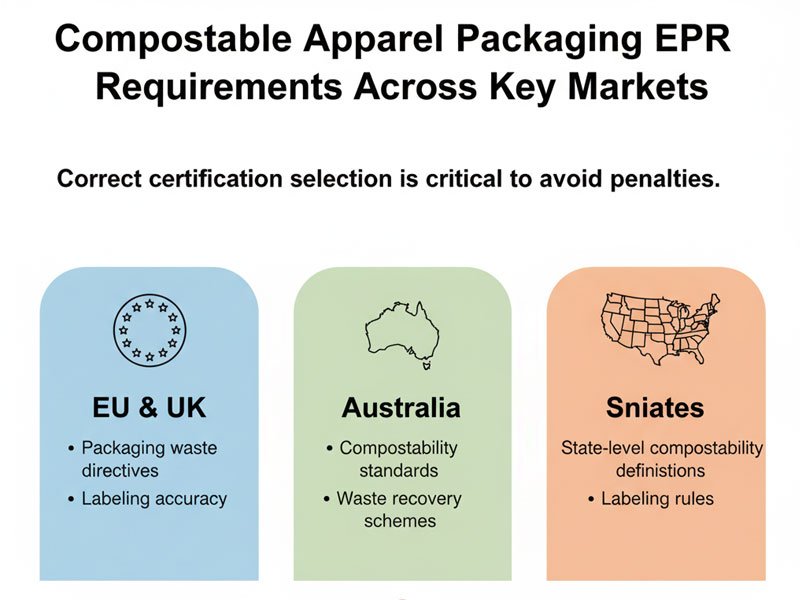
Step 5: Know What Regulators Expect Brands to Disclose
Sustainability claims are closely watched by regulators and consumers.
Clear vs Risky Sustainability Claims
Claims like “compostable” should include:
- the standard name
- whether it is industrial or home compostable
- realistic disposal conditions
Overly broad claims can create legal and trust issues.
How Brands Should Communicate Inner Packaging Sustainability
Clear communication helps avoid confusion:
- explain composting conditions
- avoid absolute language
- keep messages consistent across packaging and websites
Honesty builds trust more than bold claims.
A Simple Supplier Evaluation Checklist
Before making a decision, I suggest reviewing:
- certification verified
- material disclosed
- performance tested
- quality process explained
- compliance support available
This short checklist can prevent long-term problems.
Common Mistakes Brands Make When Choosing Inner Packaging Suppliers
Some common mistakes include:
- treating inner packaging as low-risk
- choosing based only on price
- mixing up inner bags with shipping mailers
- ignoring disposal realities
Each of these can undermine sustainability goals.
FAQ
Are compostable inner bags really compostable?
Yes—when certified and disposed of correctly.
Are all compostable bags home compostable?
No. Many require industrial composting facilities.
Is biodegradable packaging safer than compostable?
Not necessarily. Without certification, biodegradable claims are harder to verify.
How should brands communicate packaging sustainability?
Clearly, honestly, and with verified standards.
Conclusion
Choosing a sustainable apparel inner packaging supplier is a long-term decision. It affects product quality, brand trust, and regulatory risk.
From my experience, the best results come from clear standards, verified proof, and open communication. When inner packaging is chosen with care, it supports both sustainability goals and daily operations—quietly, but effectively.