Most compostable plastic bags are not made from a single material.
Instead, manufacturers typically use a PLA PBAT blend to achieve the balance of strength, flexibility, and compostability required for real-world applications.
PLA and PBAT are two widely used bioplastic materials in the compostable packaging industry. When combined, they create films that can be processed into durable bags for applications such as food waste liners, produce bags, and compostable trash bags.
Understanding how these materials work together helps packaging buyers and sustainability teams make better material decisions.
Industry Manufacturing Perspective
Compostable bags are produced through film blowing and bag conversion processes that require materials with both flexibility and strength.
At ORIZON, compostable bags are manufactured using PLA PBAT based materials combined with other biodegradable additives to ensure both processing performance and compostability certification.
With over 16 years of manufacturing experience and automated production lines, material formulation and film performance are critical factors in producing high-quality compostable bags for global markets.
What Is PLA?
PLA (Polylactic Acid) is a bio-based plastic made from renewable plant resources such as corn starch or sugarcane.
Key characteristics of PLA include:
- Derived from renewable resources
- Industrially compostable under controlled conditions
- Good stiffness and transparency
- Suitable for film and packaging applications
PLA is widely used in compostable packaging products including:
- food packaging
- compostable bags
- disposable tableware
However, PLA alone has limitations when used in flexible films.
PLA tends to be brittle and less flexible, which makes it difficult to produce durable plastic bags using PLA alone.
What Is PBAT?
PBAT (Polybutylene Adipate Terephthalate) is a biodegradable polymer designed to provide flexibility and toughness.
Key properties of PBAT include:
- High flexibility
- Good elongation and tear resistance
- Excellent film-blowing performance
- Industrial compostability under standards such as EN13432 and ASTM D6400
PBAT behaves similarly to conventional polyethylene in processing, which makes it suitable for producing flexible packaging films.
What Are Compostable Bags Made Of?
Most certified compostable bags are made from a combination of biodegradable polymers and natural additives.
A typical compostable bag formulation may include:
- PLA (Polylactic Acid)
- PBAT (Polybutylene Adipate Terephthalate)
- Starch-based materials
- Calcium carbonate
- Processing additives
Each component plays a role in improving film performance, flexibility, and compostability.
This formulation allows compostable bags to perform similarly to traditional plastic bags while still meeting compostability standards.
Why Compostable Bags Use a PLA PBAT Blend
Most compostable bags use a blend of PLA and PBAT because the two materials complement each other.
PLA provides:
- bio-based content
- stiffness
- structural strength
PBAT provides:
- flexibility
- tear resistance
- improved film processing
When blended together, they create a material that can be processed through film blowing machines to produce durable compostable bags.
This combination allows manufacturers to produce bags that are:
- strong enough for waste collection
- flexible enough for daily handling
- certified compostable under international standards
PLA vs PBAT Material Properties
| Property | PLA | PBAT |
|---|---|---|
| Source | plant-based | synthetic biodegradable |
| Flexibility | low | high |
| Strength | moderate | high |
| Film processing | limited | excellent |
| Compostability | industrial composting | industrial composting |
In practice, a PLA–PBAT blend combines these properties to produce compostable films suitable for packaging applications.
Applications of PLA PBAT Compostable Bags
The PLA–PBAT blend is widely used in the manufacturing of compostable packaging products such as:
- kitchen food waste bags
- compostable trash bags
- produce bags for supermarkets
- dog waste bags
- compostable shopping bags
These applications require materials that can handle moisture, weight, and handling stress while maintaining compostability.
For example:
👉 See our compostable trash bags collection
👉 Learn more about compostable dog waste bags
How PLA PBAT Compostable Films Are Manufactured
The production of compostable bags typically involves several manufacturing steps.
1 Raw material compounding
PLA, PBAT, and other biodegradable components are mixed to create a uniform material blend.
2 Film blowing
The material is melted and extruded through a circular die to form a thin plastic film.
3 Printing
Custom logos and branding are printed using eco-friendly inks.
4 Bag conversion
The film is converted into finished bags through cutting and heat sealing processes.
These steps ensure that compostable bags maintain both structural integrity and compostability certification.
Compostability Standards for PLA PBAT Compostable Bags
PLA–PBAT compostable bags are typically certified under international compostability standards such as:
These standards ensure that compostable plastic products break down under controlled composting conditions without leaving harmful residues.
Are PLA PBAT Bags Really Compostable?
Yes — but only when the bags are produced according to certified compostability standards.
Certified compostable bags must pass tests that verify:
- biodegradation rate
- disintegration during composting
- absence of toxic residues
- heavy metal limits
Common compostability certifications include:
- EN13432
- ASTM D6400
- AS4736
- AS5810
These standards ensure that compostable bags break down into natural elements under industrial composting conditions.
How Buyers Choose PLA PBAT Compostable Bags
When sourcing compostable bags, packaging buyers typically evaluate several factors:
Material formulation
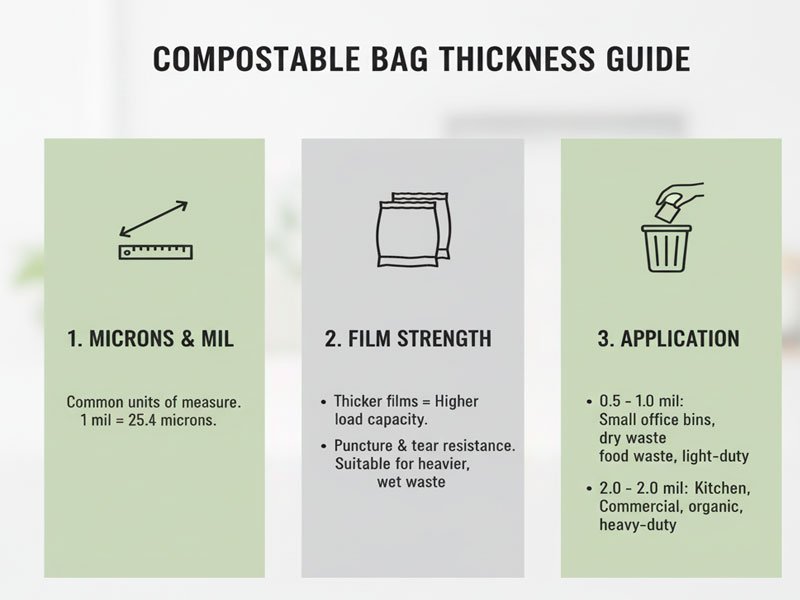
Film thickness
Certification standards
Application requirements
For example:
Food waste collection bags require higher moisture resistance.
Produce bags require thinner films and higher transparency.
Dog waste bags require higher puncture resistance.
Selecting the right material blend ensures the bag performs well in its intended application.
Conclusion
PLA and PBAT are two key materials in the compostable plastics industry. While each material has its own advantages and limitations, blending PLA and PBAT allows manufacturers to produce flexible films suitable for compostable bags.
This combination enables compostable packaging products that meet both performance requirements and compostability standards, making them a widely adopted solution in sustainable packaging.
FAQ
What is a PLA PBAT blend?
A PLA PBAT blend is a combination of polylactic acid and PBAT used to produce compostable plastic films and packaging products such as compostable bags.
Are PLA PBAT bags compostable?
Yes. When produced according to compostability standards such as EN13432 or ASTM D6400, PLA PBAT bags can be certified compostable.
Why can’t compostable bags be made from PLA only?
PLA alone is brittle and lacks flexibility. PBAT is blended with PLA to improve flexibility, tear resistance, and film processing.
What products use PLA PBAT materials?
Common products include compostable trash bags, food waste bags, produce bags, and compostable shopping bags.