For many clothing brands, packaging decisions are no longer based only on cost and logistics. Increasing environmental regulations, consumer expectations, and sustainability commitments are pushing companies to reconsider traditional plastic packaging.
As a result, many apparel companies are now comparing compostable packaging and conventional plastic packaging when evaluating their packaging systems.
In this guide, we compare compostable apparel packaging and plastic packaging based on environmental impact, performance, cost, and real-world apparel packaging applications.
For a broader overview of sustainable packaging strategies in the fashion industry, see our guide to sustainable clothing packaging.
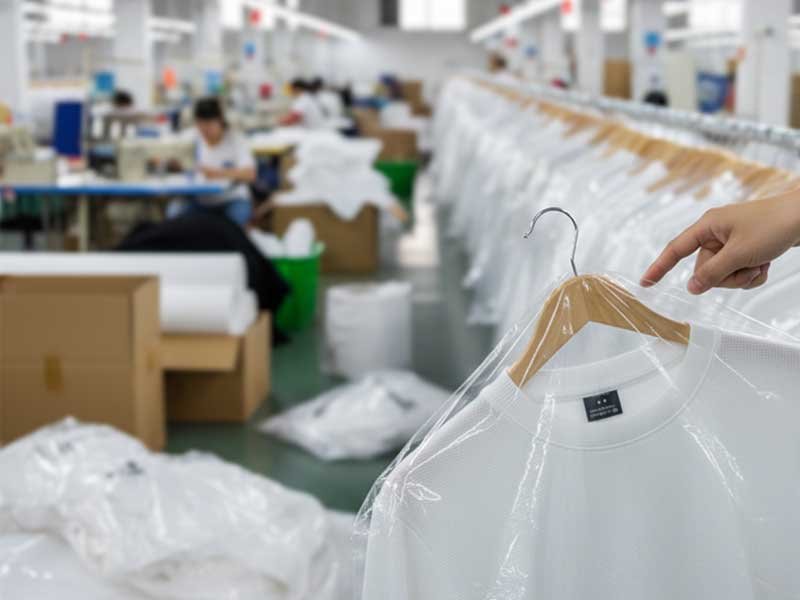
Compostable vs Plastic Packaging: Key Differences
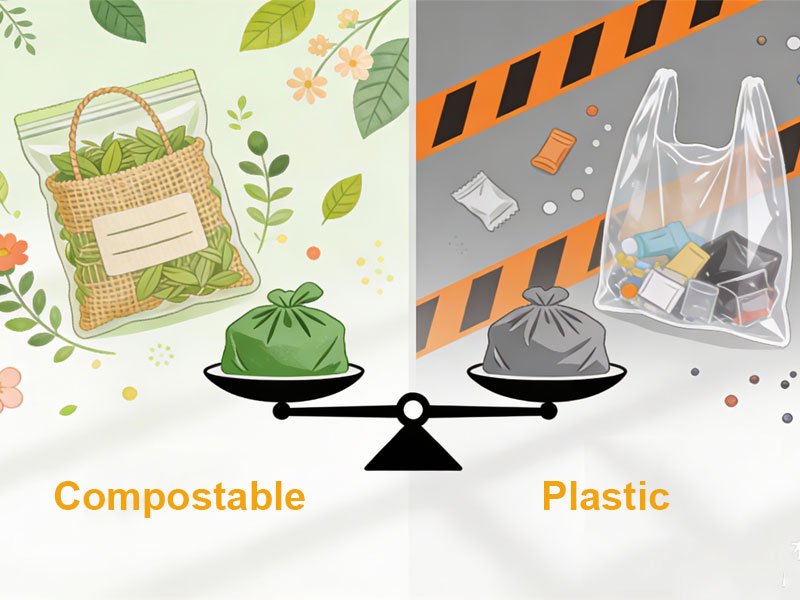
The most fundamental difference between compostable packaging and traditional plastic packaging lies in the material source and end-of-life disposal.
| Feature | Compostable Packaging | Plastic Packaging |
|---|---|---|
| Raw Material | Plant-based polymers such as PLA and PBAT | Petroleum-based plastics |
| Decomposition | Breaks down in composting environments | Can persist for hundreds of years |
| Environmental Impact | Lower long-term waste impact | Contributes to plastic pollution |
| Certifications | EN13432, ASTM D6400, OK Compost | No compostability certification |
| Typical Use | Sustainable packaging programs | Conventional packaging systems |
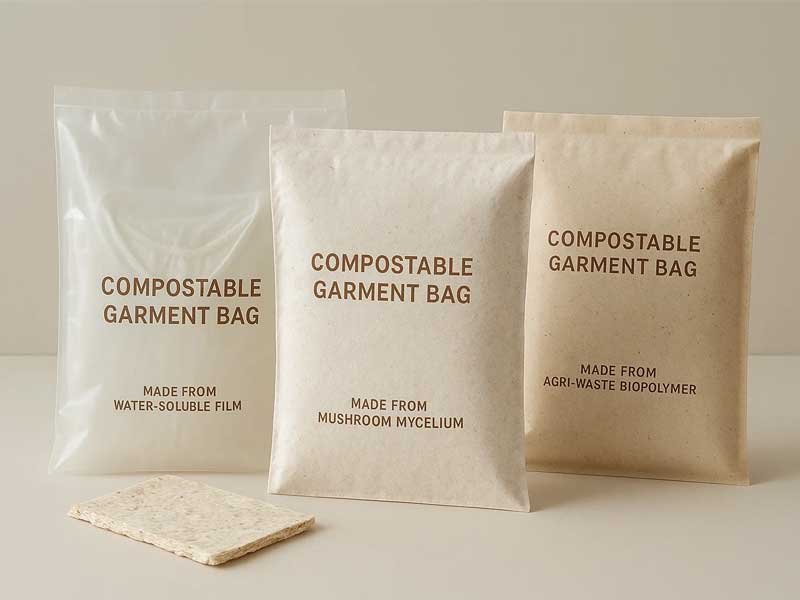
Many clothing brands exploring sustainability initiatives are replacing traditional plastic garment bags with compostable garment bags made from certified compostable materials.
Environmental Impact Comparison
One of the primary reasons clothing brands consider compostable packaging is environmental impact.
Traditional plastic packaging can remain in landfills or the natural environment for hundreds of years. Flexible plastic films are also difficult to recycle in many regions, especially when used as garment packaging.
In contrast, certified compostable packaging is designed to break down into water, carbon dioxide, and organic matter under controlled composting conditions.
Many companies transitioning toward sustainable apparel packaging solutions view compostable packaging as one potential way to reduce long-term plastic waste.
However, it is important to note that compostable packaging must be processed in appropriate composting environments to fully degrade.
Performance Comparison in Apparel Packaging
Performance is one of the biggest concerns when brands consider switching from plastic packaging.
Modern compostable packaging materials are engineered to provide similar functional performance to traditional plastics in apparel packaging applications.
Key performance factors include:
Strength and durability
Properly manufactured compostable garment bags provide strong tear resistance and flexibility for typical apparel packaging operations.
Clarity and appearance
Clear compostable films allow garments to remain visible inside the packaging, which is important for retail presentation and warehouse identification.
Moisture and dust protection
Compostable films can provide effective protection against dust, moisture, and handling during transportation.
To ensure proper packaging performance, brands should also consider the correct garment bag size and thickness specifications used in apparel packaging.
Cost Comparison for Clothing Brands
Cost remains an important factor when comparing compostable packaging with conventional plastic packaging.
Plastic packaging is typically cheaper due to large-scale petrochemical production and mature global supply chains.
Compostable packaging materials may currently cost more, depending on raw materials and certification requirements.
However, when brands evaluate packaging decisions more broadly, the discussion often includes additional factors such as:
- sustainability commitments
- brand reputation
- regulatory compliance
- consumer expectations
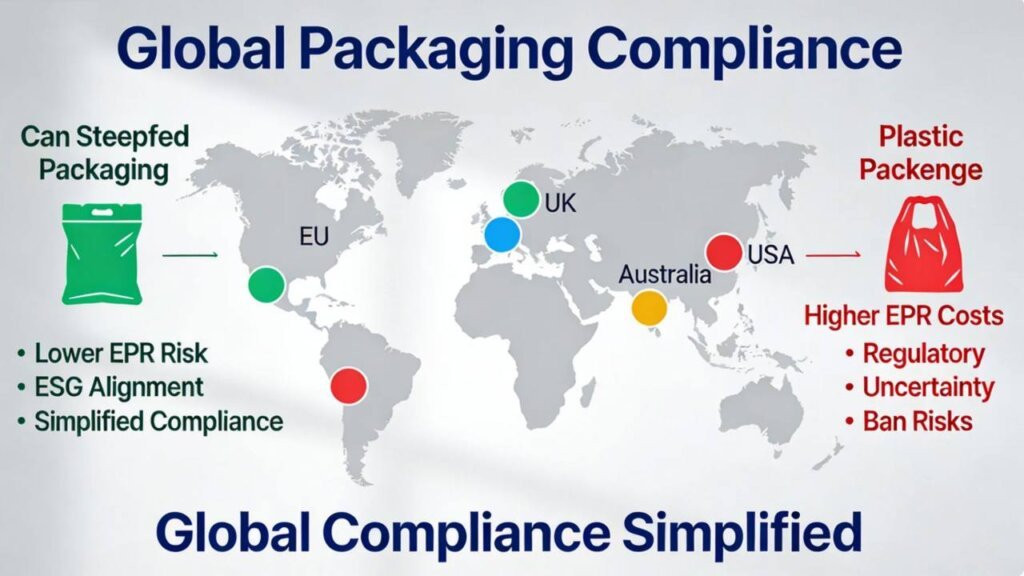
For companies operating in regulated markets, switching to compostable apparel packaging can help align packaging practices with evolving environmental regulations.
When Should Clothing Brands Choose Compostable Packaging?
Compostable packaging may be a suitable option for clothing brands in several situations.
Sustainability-focused brands
Companies with strong environmental commitments often adopt compostable packaging to reduce plastic waste.
Regulated markets
Some regions are introducing stricter packaging regulations and plastic reduction policies.
Brand differentiation
Sustainable packaging can also support brand messaging related to environmental responsibility.
Many apparel brands choose compostable garment bags for clothing brands as a first step toward reducing plastic packaging in their supply chains.
Challenges When Switching to Compostable Packaging
Although compostable packaging offers environmental advantages, the transition is not always simple.
Common challenges include:
- higher material costs
- confusion about compostability standards
- limited composting infrastructure in some regions
- uncertainty about supplier reliability
Because of these challenges, packaging teams often conduct detailed evaluations before transitioning to new packaging materials.
Understanding the underlying sustainable packaging materials used in apparel packaging can help brands make more informed decisions.
Future Trends in Sustainable Apparel Packaging
Global interest in sustainable packaging continues to grow across the fashion industry.
Several trends are influencing how clothing brands approach packaging decisions:
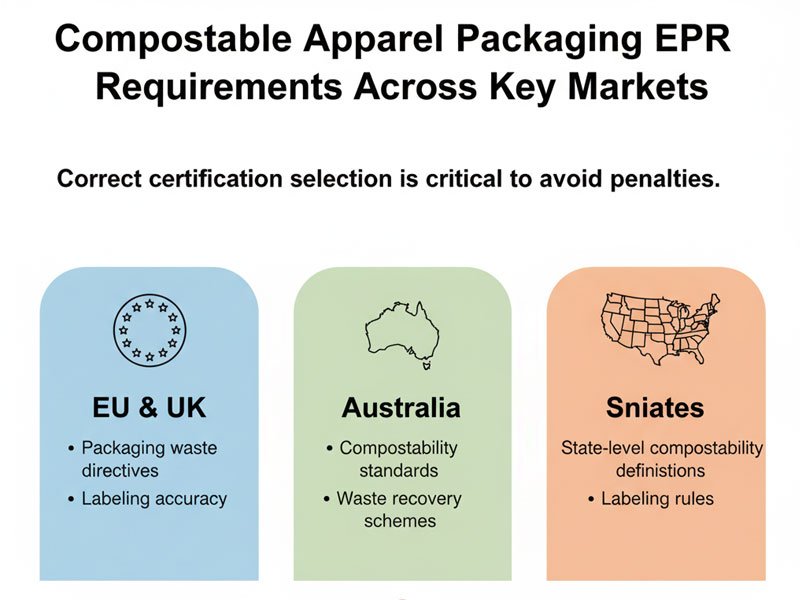
- Extended Producer Responsibility (EPR) policies
- plastic reduction regulations
- consumer demand for sustainable products
- innovation in compostable and recyclable packaging materials
As these trends evolve, more apparel companies are evaluating alternatives to conventional plastic packaging, including compostable garment bags and other sustainable packaging formats.
FAQ
What is the difference between compostable packaging and plastic packaging?
Compostable packaging is made from plant-based polymers designed to break down in composting environments, while plastic packaging is derived from petroleum-based materials and can persist for long periods in the environment.
What materials are used in compostable packaging?
Compostable packaging is typically made from plant-based or biodegradable polymers designed to break down under composting conditions.
Common materials include:
- PLA (polylactic acid) derived from corn or plant starch
- PBAT (polybutylene adipate terephthalate) used to improve flexibility and durability
- starch-based biopolymers
- cellulose-based materials
These materials are often blended to achieve the strength, clarity, and flexibility required for packaging applications such as compostable garment bags and shipping mailers.
Certified compostable materials usually comply with standards such as EN 13432 or ASTM D6400.
Are compostable garment bags as strong as plastic?
Yes. Modern compostable garment bags are designed to provide similar strength and flexibility as traditional plastic packaging for most apparel applications.
Why are clothing brands switching to compostable packaging?
Many clothing brands are adopting compostable packaging to reduce plastic waste, support sustainability commitments, and comply with evolving environmental regulations.
Is compostable packaging more expensive than plastic?
Compostable packaging may currently cost more than conventional plastic packaging, but the cost difference is often balanced by sustainability benefits and regulatory considerations.
Is compostable packaging better than plastic?
Compostable packaging can offer environmental advantages compared with traditional plastic packaging, particularly in reducing long-term plastic waste. Certified compostable materials are designed to break down into water, carbon dioxide, and organic matter under controlled composting conditions.
However, whether compostable packaging is “better” depends on several factors, including local composting infrastructure, regulatory requirements, and the specific packaging application.
For many clothing brands seeking to reduce plastic use, compostable packaging has become one possible alternative to conventional plastic packaging.
Conclusion
The comparison between compostable packaging and plastic packaging ultimately depends on each brand’s sustainability goals, regulatory environment, and packaging requirements.
Traditional plastic packaging remains widely used due to its low cost and established supply chains. However, compostable packaging is becoming an increasingly important option for apparel brands seeking to reduce plastic waste and improve sustainability practices.
By understanding the differences between these materials and evaluating their performance in real packaging applications, clothing brands can make more informed packaging decisions.
Companies exploring sustainable alternatives may begin by evaluating solutions such as compostable garment bags for apparel packaging as part of their transition toward more sustainable packaging systems.