Compostable Clothing Packaging Solutions for Fashion Brands
The fashion industry is transitioning toward certified sustainable materials. Compostable clothing packaging is increasingly adopted by retail brands, e-commerce sellers, and garment exporters seeking regulatory compliance and plastic reduction.
At ORIZON Biomaterials, we manufacture certified compostable garment bags and apparel packaging formats designed specifically for B2B wholesale procurement.
Why Brands Are Switching to Compostable Clothing Packaging
Fashion packaging is under regulatory pressure in the EU, US, and Australia. Traditional poly garment bags face increasing restrictions and ESG scrutiny.
Certified compostable clothing packaging offers:
- Industrial compostability compliance
- Reduced plastic footprint
- Certification-backed environmental claims
- Compatibility with regulated waste systems
For compliance details, see:

How Brands Are Using Compostable Garment Bags
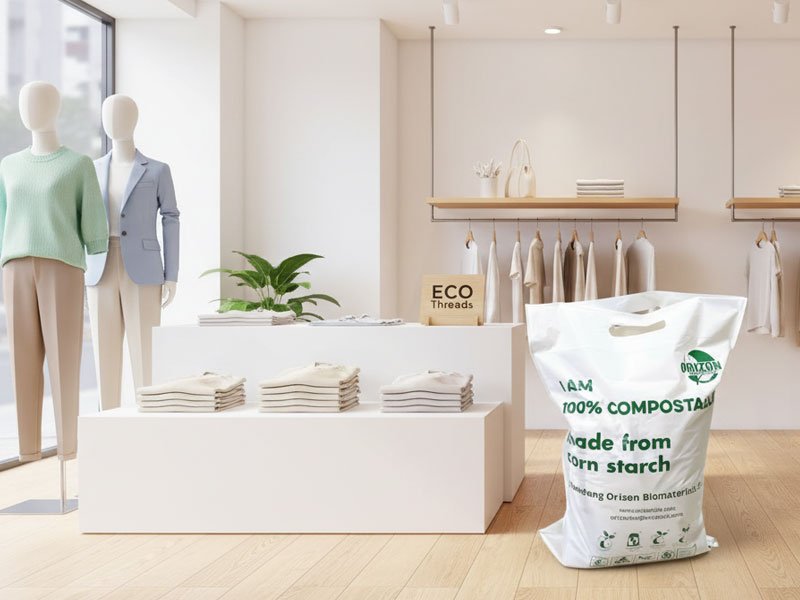
Apparel packaging is used across multiple stages of the clothing supply chain. Each stage places different demands on durability, labeling, and environmental compliance.
Retail Clothing Packaging
- In-store garment sleeves
- Hang-ready protective covers
- Branded fashion packaging

Dry Cleaning & Formalwear
- Long suit covers
- Breathable garment bags
- Reinforced hanger openings
For product specifications, see: Biodegradable & Compostable Dry Cleaning Garment Bags

E-commerce Apparel Fulfillment
- Secondary garment protection inside mailers
- Lightweight dust covers
- Private-label printed packaging
- Integration into picking, packing, and dispatch workflows
Export & Logistics Packaging
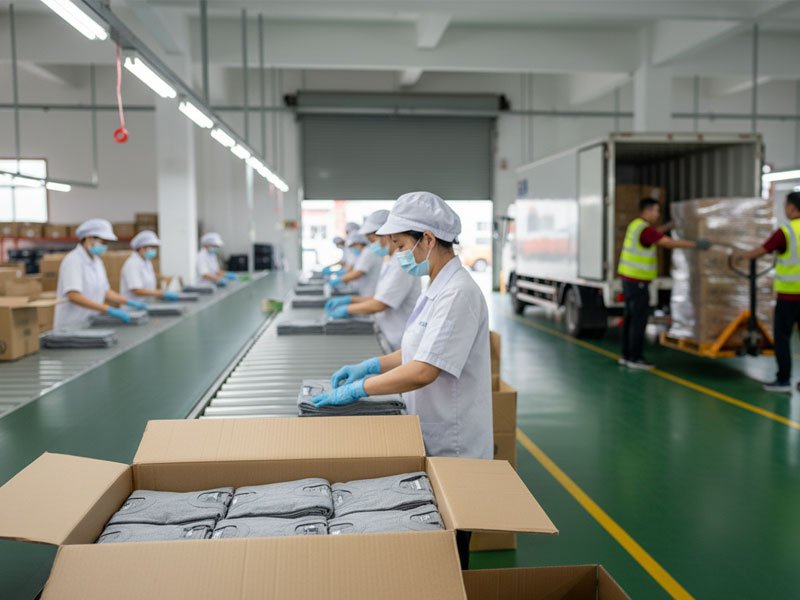
- Carton-ready folded garment protection
- Warehouse sorting compatibility
- Reverse logistics & return handling
- Labeling aligned with international compliance
Available Garment Packaging Formats
Our compostable clothing packaging includes:
- Flat garment sleeves
- Side-gusset garment bags
- Long garment covers
- Custom-printed apparel packaging
Thickness typically ranges:
- 18–25 micron (lightweight apparel)
- 25–30 micron (standard retail garments)
- 30–40 micron (heavy garments & export use)
If you are selecting packaging for regulated waste programs, see: FOGO compostable bag requirements guide
Certifications & Regional Compliance
Our compostable clothing packaging materials comply with:
- EN 13432 industrial compostability certification
- ASTM D6400 compostable standard (USA)
- TÜV OK Compost Industrial certification
- AS4736 industrial composting standard (Australia)
- AS5810 home compost certification (Australia)
Learn more about our full compostable certification portfolio.
OEM & Private Label Manufacturing Support
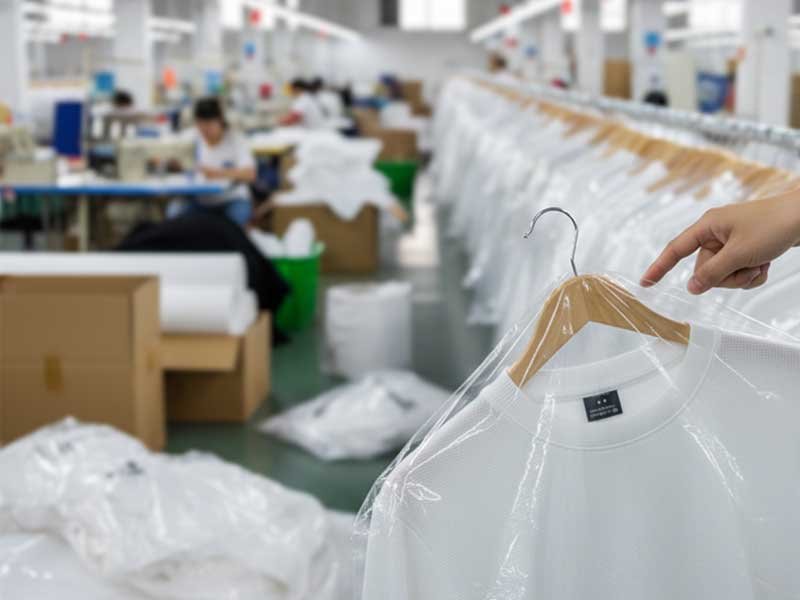
As a factory-direct manufacturer, we support:
- Custom sizes
- 1–3 color logo printing
- Bulk packaging formats
- Export documentation preparation
- Batch traceability
Minimum order quantities vary by format and thickness.
FAQ
Compostable materials meet standardized disintegration requirements under industrial composting conditions. Biodegradable claims may not always meet certification standards.
Yes, for most retail and e-commerce applications, compostable clothing packaging provides similar protective performance under controlled storage conditions.
US acceptance typically follows the ASTM D6400 compostable standard
Planning an Apparel Packaging Transition?
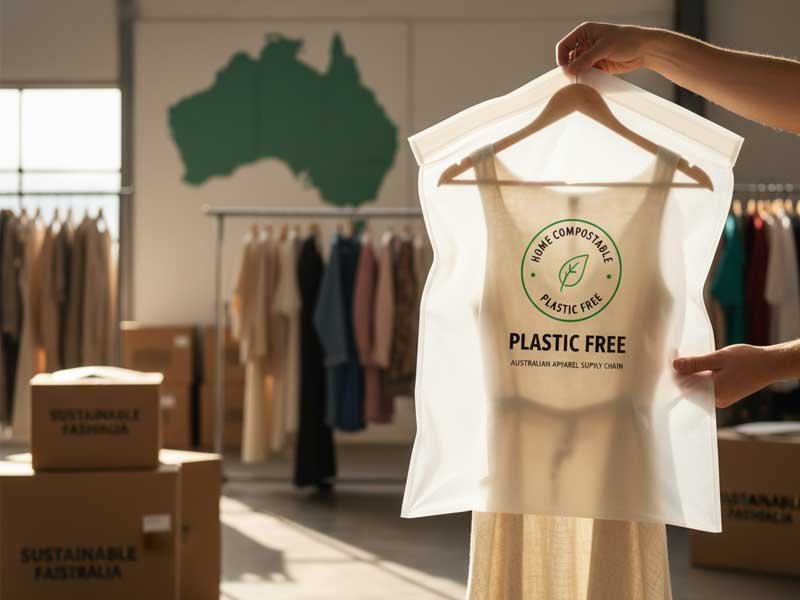
If you are sourcing certified compostable clothing packaging for retail, e-commerce, or export operations, our technical team can provide thickness guidance, certification documentation, and OEM quotation support.
This inquiry is intended for B2B buyers only. Retail and personal requests are not supported.