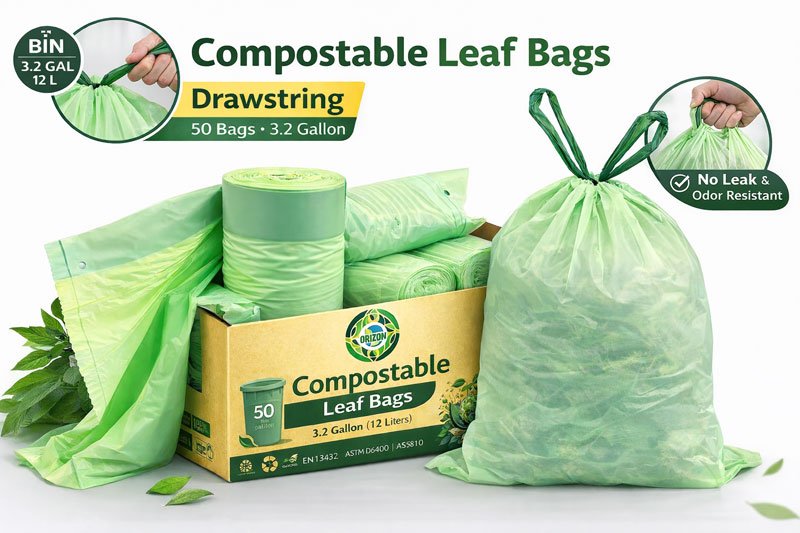
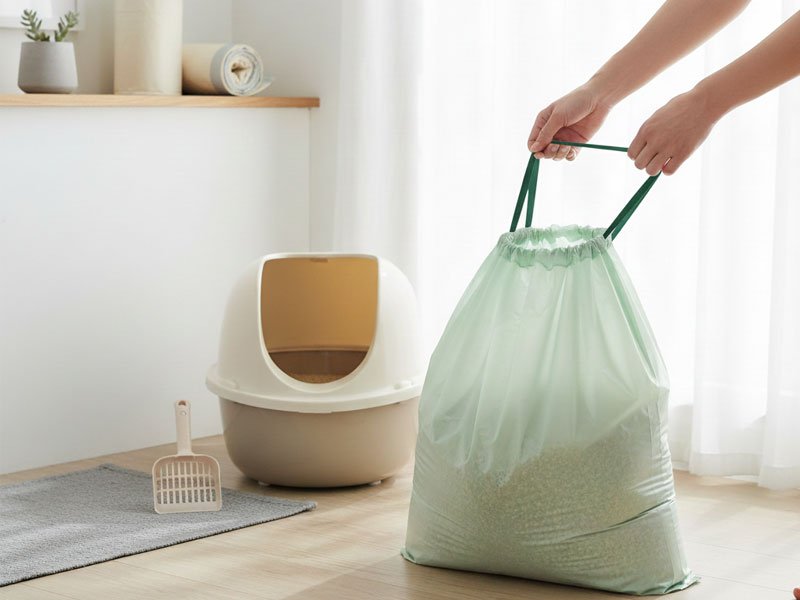
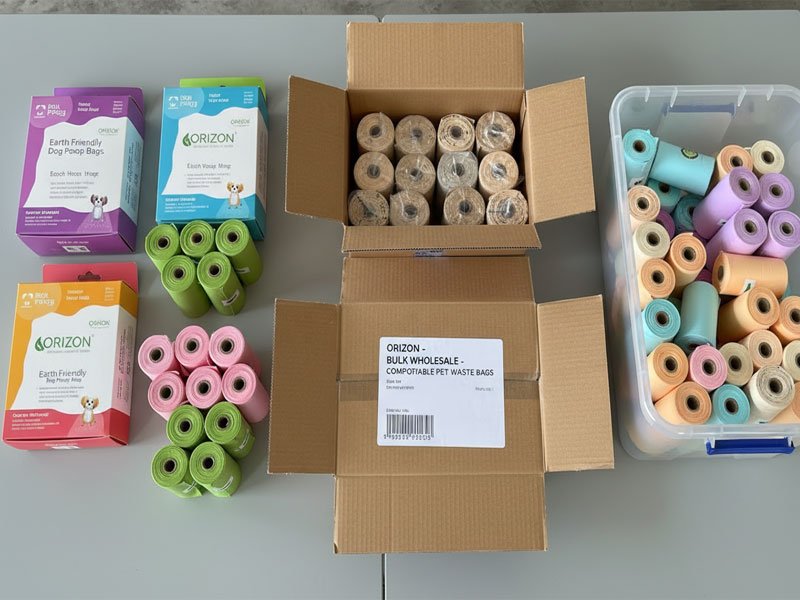
As businesses and municipalities move toward sustainable waste management, eco friendly dustbin bags are becoming a standard requirement rather than an option.
However, not all “eco-friendly” bags are the same.
For B2B buyers, choosing the right product involves more than just environmental claims. It requires evaluating:
- materials
- strength and durability
- certification and compliance
This guide helps you understand how to make the right decision.
What Are Eco Friendly Dustbin Bags?
Eco friendly dustbin bags are designed to reduce environmental impact while maintaining practical performance.
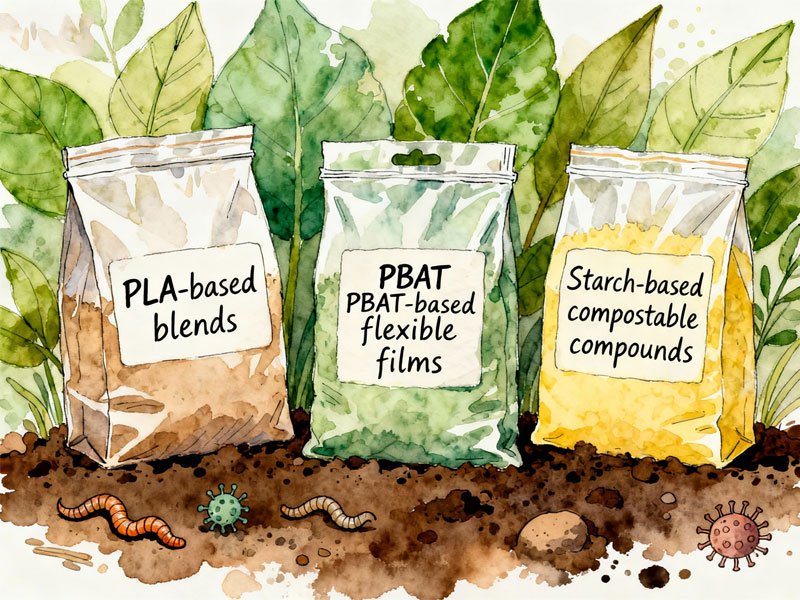
They are typically made from:
- PLA (polylactic acid)
- PBAT (biodegradable polymer)
- starch-based materials
To better understand how these materials work, see our guide on compostable bag materials.
How to Evaluate Materials
Not all eco-friendly claims are reliable.
What to look for:
- certified compostable materials
- consistent formulation
- compatibility with waste systems
Common issue:
Many products labeled “biodegradable” do not meet composting standards.
Many buyers confuse these terms. Learn the difference in compostable vs biodegradable bags.
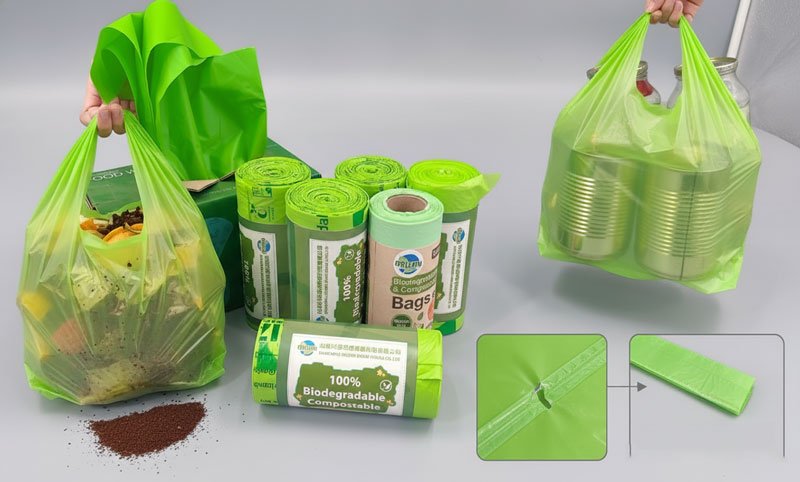
Strength and Durability Matter
Eco-friendly does not mean weak.
In real applications, dustbin bags must handle:
- wet waste
- heavy loads
- sharp objects
Key performance indicators:
- Thickness
- Tear resistance
- Seal strength
- Load capacity
Thickness is one of the most important factors affecting performance. See our compostable bag thickness guide to choose the right specification.
Compliance and Certification
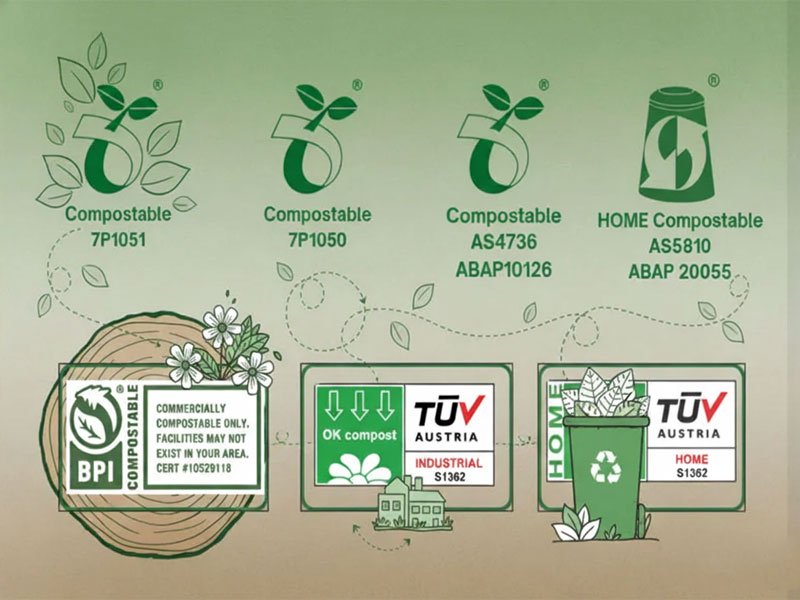
For commercial and export markets, compliance is critical.
Common certifications include:
- EN13432 (Europe)
- ASTM D6400 / BPI (USA)
- AS4736 / AS5810 (Australia)
These certifications ensure:
- proper compostability
- no harmful residues
- acceptance in waste systems
Learn more about EN13432 certification requirements And the ASTM D6400 compostability standard
Application Scenarios
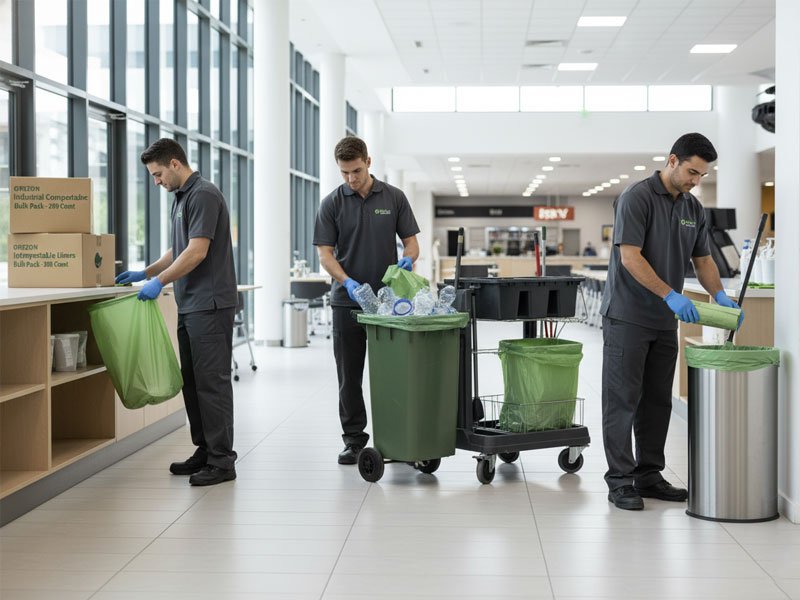
Eco friendly dustbin bags are widely used in:
- hospitality (hotels, restaurants)
- food waste collection
- commercial cleaning services
- municipal waste programs
Explore how these products are used in real systems: compostable garbage bags
Common Buyer Mistakes
When sourcing eco friendly dustbin bags, many buyers focus on surface-level factors but overlook critical details that affect real-world performance and compliance.
Here are the most common mistakes:
Focusing only on price
Lower-cost products often use unstable material formulations or inconsistent thickness, which can lead to performance issues in actual use.
Ignoring certification requirements
Many products claim to be “eco-friendly” but do not meet recognized compostability standards.
Learn what certifications to check in EN13432 certification requirements and the ASTM D6400 compostability standard.
Choosing incorrect thickness
Selecting thickness based only on cost rather than application can result in weak performance.
For example, yard waste and wet waste require stronger bags than light-duty applications.
Refer to our compostable bag thickness guide to choose correctly.
Overlooking real usage conditions
Dustbin bags are used in demanding environments, including:
- wet organic waste
- heavy loads
- sharp or irregular contents
Ignoring these conditions often leads to product failure.
What happens when these mistakes occur?
- leakage and tearing during use
- increased customer complaints
- rejection in regulated waste systems
- potential compliance risks
In many cases, the issue is not the concept of “eco-friendly,” but incorrect product selection.
How to Choose the Right Supplier
For B2B buyers, selecting the right supplier is just as important as choosing the right product.
A reliable supplier ensures not only product quality but also long-term supply stability and compliance support.
Key factors to evaluate:
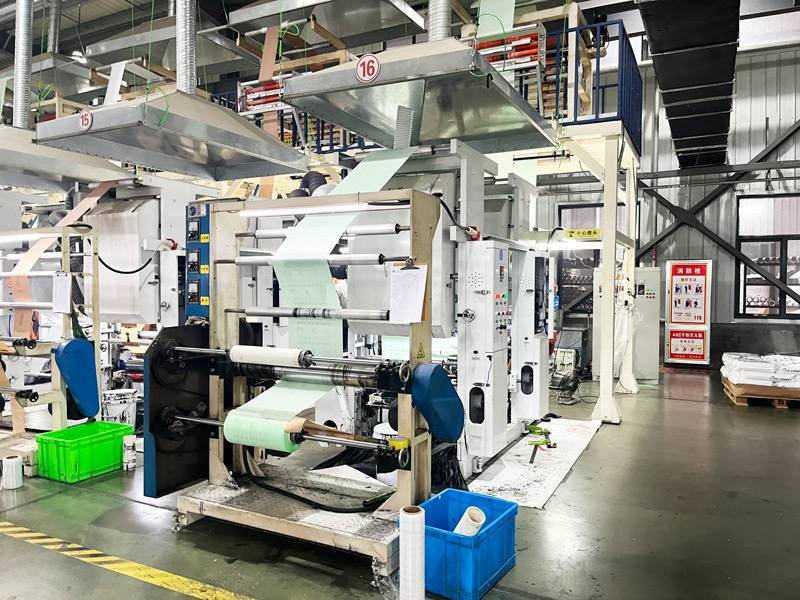
Stable production capacity
A qualified manufacturer should have:
- consistent production output
- controlled material blending
- the ability to scale for large orders
This is especially important for distributors and municipal projects.
Consistent quality control
Variations in thickness or sealing can directly affect product performance.
Reliable suppliers implement:
- in-process inspection
- batch consistency checks
- standardized production processes
Learn more about how material composition affects quality in compostable bag materials.
Certification and documentation support
For international markets, suppliers must provide:
- valid compostability certificates
- material declarations
- compliance documents for import
Certification is not just a label — it must match the final product and application.
Export and market experience
An experienced supplier understands:
- regional regulations (EU, US, AU)
- packaging and labeling requirements
- logistics and delivery expectations
This reduces risks in cross-border supply.
Manufacturer vs Trader
Many buyers overlook the difference between a manufacturer and a trading company.
Working directly with a manufacturer means:
- better control over product quality
- more flexible customization options
- faster response and technical support
- improved cost efficiency in the long term
For OEM and large-volume orders, this difference becomes critical.
Final takeaway
Choosing the right supplier is not just about price — it is about:
- and long-term partnership
- reliability
- consistency
Conclusion
Eco friendly dustbin bags are no longer just a sustainability choice — they are part of operational efficiency and compliance strategy.
The right product should balance:
- material performance
- strength and durability
- certification requirements
For businesses and municipalities, choosing the right solution means fewer risks and better long-term value.
Looking for certified eco friendly dustbin bags for your market?
Contact us for specifications, samples, and compliance documents.