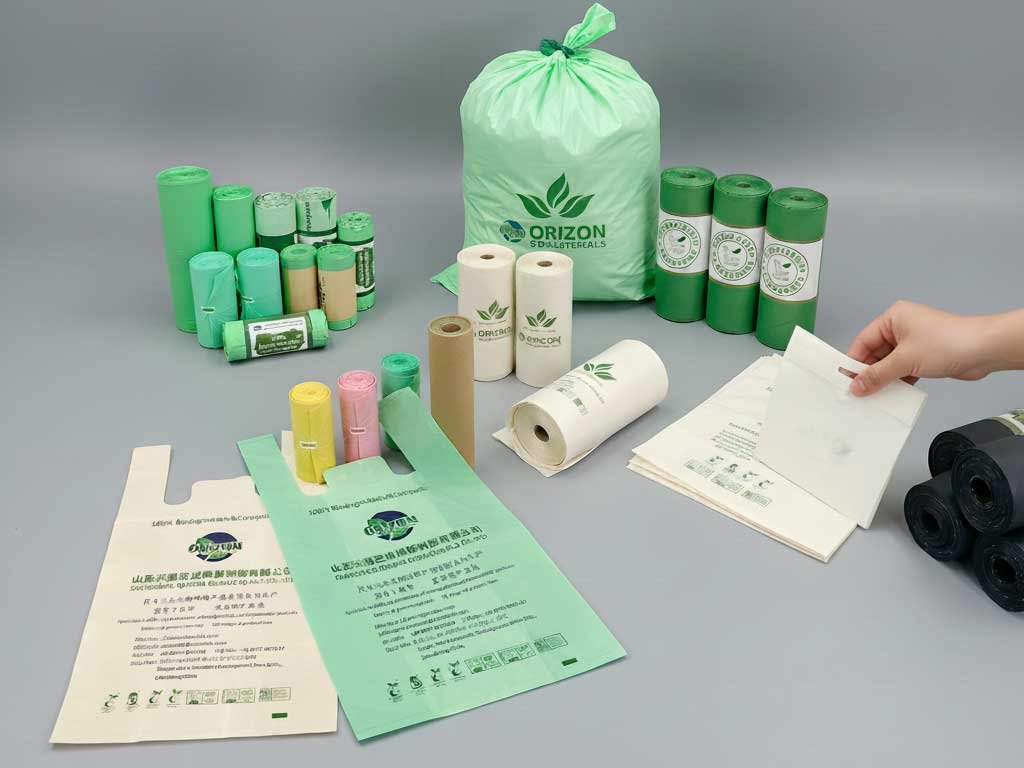
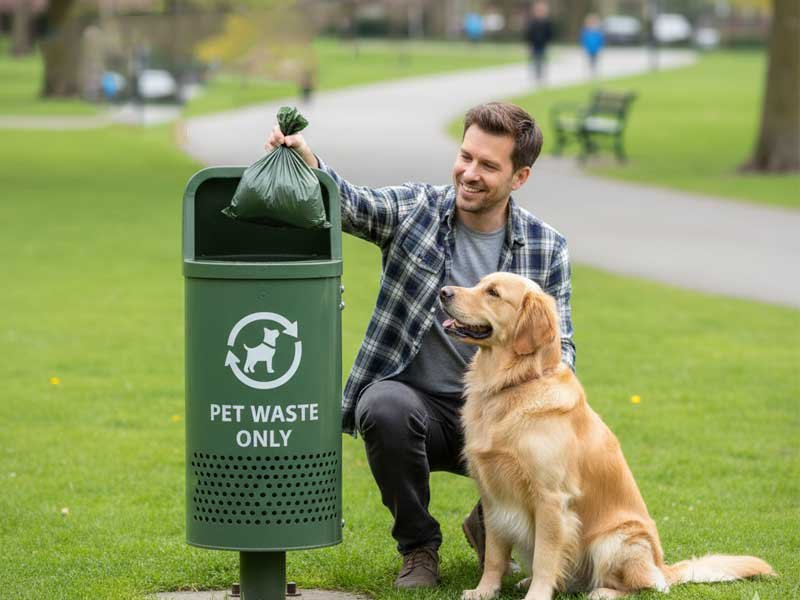
When buyers search for the best trash bags for the environment, the real question is not only about “green” claims. It is about which type of bag is actually suitable for the waste system, compliant with local rules, and practical for commercial use.
For B2B buyers, the answer is rarely simple. A bag may look eco-friendly on the surface, but if it lacks recognized certification, does not match the intended waste stream, or fails in strength and sealing performance, it can create operational and compliance risks.
Quick Answer:
For food waste and organic waste systems, certified compostable trash bags are usually the best environmental option because they combine verified compliance, waste-system fit, and practical performance.
In most organic waste systems, certified compostable trash bags are considered the most practical environmental solution.They are designed to work with composting systems rather than remain in the environment like conventional plastic.
Many buyers rely on marketing claims, but without proper certification, these claims may not meet real compliance requirements.
If you are sourcing for distribution, retail, hospitality, municipal waste collection, or private label programs, this guide explains what to evaluate before choosing the right solution.
What Makes a Trash Bag Better for the Environment?
A trash bag is “better for the environment” only when it performs well in the waste system it is designed for.
Many buyers focus first on words like biodegradable, eco-friendly, or plant-based. However, these terms alone do not guarantee that the product is suitable for composting or accepted in regulated waste programs.
A better environmental trash bag should meet several conditions:
- It should fit the intended disposal system
- It should reduce dependence on conventional fossil-based plastic
- It should comply with recognized compostability standards where required
- It should maintain usable strength during storage, transport, and daily use
- It should support proper waste separation rather than contaminate existing waste streams
For food waste and organic waste collection, the most reliable option is usually a certified compostable trash bag rather than an unverified “green” bag.
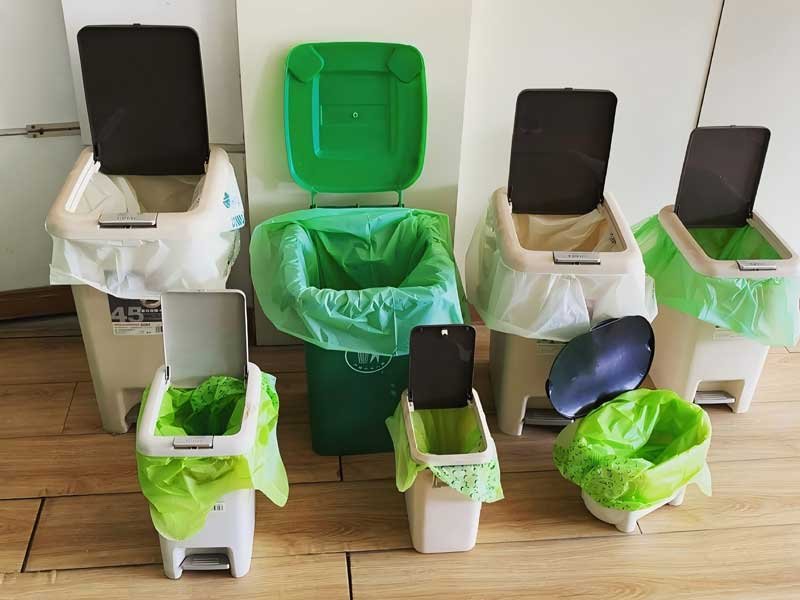
Are Compostable Trash Bags the Best Option?
For many B2B applications, yes—especially when the waste stream is organic waste.
For food waste collection and organic programs, compostable garbage bags are widely used because they are designed to work within composting systems.
Certified compostable trash bags are widely considered the best environmental option for:
- Food waste collection
- Kitchen caddy liners
- Commercial organic waste programs
- Municipal FOGO systems
- Hospitality and food service waste separation
- Brands that need a compliance-based sustainability claim
They are not automatically the best choice for every use case. For example, if the bag is intended for general landfill waste, the environmental benefit depends on the local waste system and disposal route. That is why buyers should first define the application before choosing the material.
In practical procurement terms, the question should be:
Which trash bag is best for this waste stream and this market?
For composting-related applications, certified compostable bags are usually the strongest answer.
Suggested internal link: Certified Compostable Bags
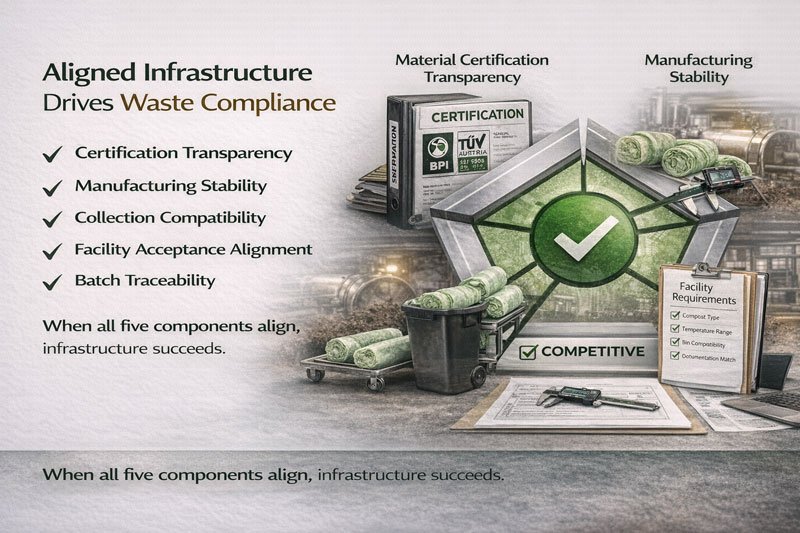
Why “Eco-Friendly” Claims Are Not Enough
One of the biggest mistakes in sourcing is assuming that “biodegradable” or “eco-friendly” means compliant.
In reality, many product claims are too vague for serious B2B purchasing. A supplier may describe a product as green, degradable, or made from plant-based materials, but that does not prove it meets compostability standards.
This is especially important for importers, distributors, retailers, and municipal buyers. If a bag enters a regulated market without proper certification support, it can create problems in customs review, labeling, claims approval, and downstream customer acceptance.
What buyers should look for instead:
- Clear certification references
- Standard numbers, not just marketing language
- Matching claims for the target market
- Consistent labeling and documentation
- Supplier understanding of waste-system fit
A bag is not environmentally better just because the wording sounds better. In B2B procurement, verified compliance matters more than material storytelling.
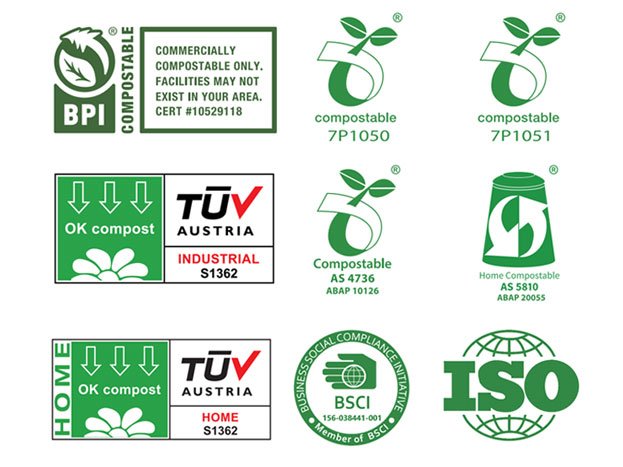
What Certifications Matter for Environmentally Better Trash Bags?
For compostable trash bags, the best environmental option is usually one supported by recognized compostability standards.
Common certifications include:
EN 13432
Often used for the European market. It is one of the most recognized standards for industrial compostability.
ASTM D6400 / BPI
Commonly referenced in the United States market. Buyers often look for BPI-certified compostable products when sourcing compliant bags.
Buyers should always verify certifications such as EN13432 or ASTM D6400 before making a sourcing decision. Understanding these requirements is critical, especially when sourcing for regulated markets. You can refer to our detailed guide on compostable certification standards to ensure your products meet the correct compliance criteria.
AS 4736
Relevant to industrial compostable products in Australia.
AS 5810
Relevant to home compostable claims in Australia.
The right standard depends on the market and the claim being made. One certification does not automatically cover all countries or all waste systems.
That is why B2B buyers should verify:
- Which market the product is entering
- Whether the claim is industrial compostable or home compostable
- Whether the logo and wording are legally and commercially appropriate
- Whether the supplier can provide valid supporting documentation

How to Choose the Best Trash Bags for the Environment by Application
The best trash bag depends on how it will be used.
For food waste and kitchen caddies
Choose certified compostable liners with reliable sealing and enough thickness for wet waste.
For kitchen caddy liners and small bins, selecting the correct size is just as important as choosing the right material. You can refer to our compostable trash bag size guide to match the right bag size with different bin types.
Not sure what size fits your bin? Check our compostable trash bag size guide
For hospitality and food service
Look for compostable garbage bags that balance strength, leak resistance, and certification support for organic waste separation.
For distributors and importers
Focus on certification validity, stable supply, product consistency, and correct market claims.
For municipal or FOGO programs
Prioritize certified compostable bags designed for organic waste collection, with clear compliance documentation and batch consistency.
For private label brands
Choose a supplier that can support both product performance and responsible packaging claims, including print compliance and certification alignment.
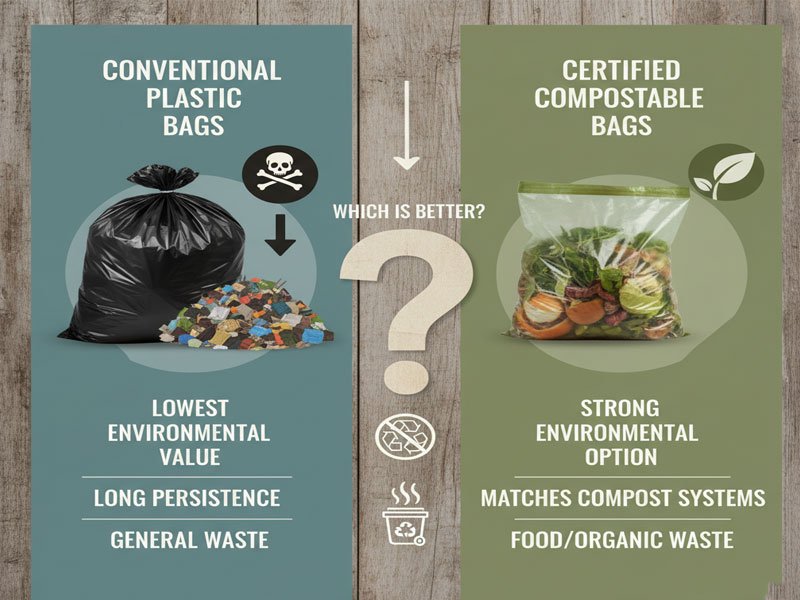
A Simple Comparison: Which Trash Bag Type Is Better?
| Bag Type | Environmental Position | Main Risk | Best Use Case |
|---|---|---|---|
| Conventional plastic trash bags | Lowest environmental value | Long persistence in waste stream | General non-sustainable use |
| Unverified biodegradable bags | Weak and often unclear | Greenwashing risk, unclear disposal route | Not ideal for serious B2B programs |
| Recycled plastic trash bags | Better than virgin plastic in some cases | Not compostable, depends on waste route | Some non-organic waste programs |
| Certified compostable trash bags | Strong environmental option for organic waste systems | Must match the correct composting system | Food waste, FOGO, compostable waste collection |
This is why many professional buyers do not ask only which bag sounds greener. They ask which bag is certified, system-compatible, and commercially reliable.
What B2B Buyers Should Check Before Ordering
Before placing an order, buyers should review more than price.
1. Certification status
Ask for the exact standard, certificate details, and scope of compliance.
2. Intended waste system
Confirm whether the bag is for industrial composting, home composting, or another disposal route.
3. Size and capacity
Choose a bag size that matches the bin or waste collection format.
4. Thickness and strength
The best environmental trash bag still needs to perform in real use. Wet waste, weight, puncture risk, and sealing quality all matter.
Thickness plays a key role in durability, especially for wet and heavy waste. A well-designed bag must balance strength and cost efficiency. See our compostable bag thickness guide for detailed thickness recommendations across different applications.
Choosing the wrong thickness can lead to leakage or unnecessary cost. See our compostable bag thickness guide.
5. Printing and labeling
Check that all claims, logos, and packaging wording are appropriate for the target market.
6. Supply consistency
A reliable supplier should provide stable quality, traceable materials, and repeatable production.
7. OEM capability
If you need private label or custom printed bags, confirm MOQ, artwork rules, and certification claim usage before launch.
Common Mistakes Buyers Make
Many buyers choose the wrong product because they focus on surface-level messaging.
Common mistakes include:
- Buying “biodegradable” bags without certification
- Assuming one certificate works globally
- Using industrial compostable bags where home compostable claims are expected
- Choosing the lowest price without checking performance
- Ignoring labeling and logo compliance
- Treating all green materials as equal
The best trash bags for the environment are not the ones with the most attractive marketing. They are the ones that are fit for purpose, properly certified, and aligned with the waste system.
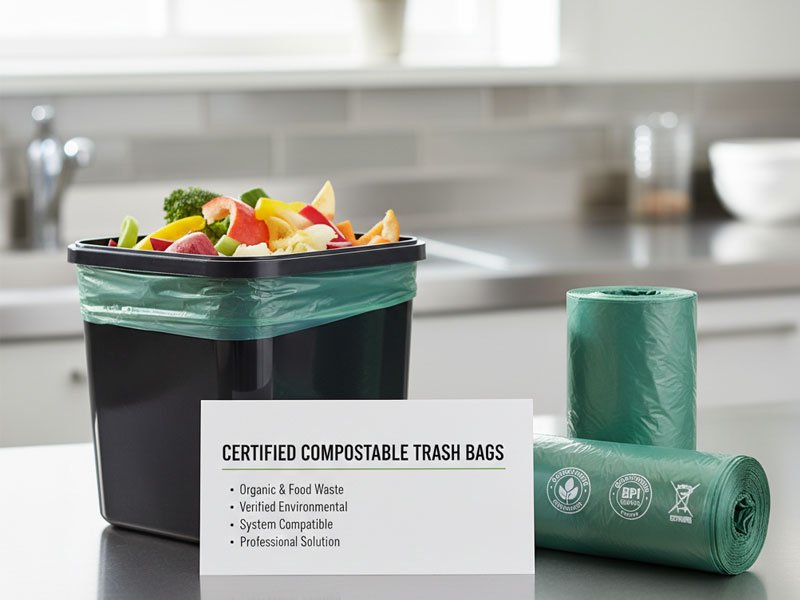
What Are the Best Trash Bags for the Environment?
For B2B buyers, the most practical answer is:
Certified compostable trash bags are usually the best environmental option for organic waste and food waste applications.
They offer the strongest balance of:
- verified environmental positioning
- waste-system compatibility
- compliance support
- commercial credibility
- practical performance
But the best choice still depends on the market, disposal route, and end use.
If your business is sourcing for composting-related waste streams, certified compostable bags are usually the safest and most professional solution.
Need Help Choosing the Right Compostable Trash Bag?
If you are sourcing environmentally better trash bags for distribution, private label, food waste systems, or commercial use, the key is to choose a bag that matches both waste-system reality and market compliance requirements.
Explore our Compostable Garbage Bags solutions or review our Compliance resources to compare certification pathways and buyer requirements.
FAQ
What are the best trash bags for the environment?
For organic waste applications, certified compostable trash bags are generally the best option because they are designed for composting systems and supported by recognized standards.
Are biodegradable trash bags better than plastic trash bags?
Not always. Many biodegradable claims are vague. For B2B buyers, certified compostable trash bags are usually a more reliable environmental choice than unverified biodegradable bags.
Are compostable trash bags good for all types of waste?
No. Compostable trash bags are mainly best suited for food waste, organic waste, and composting-related programs. They are not automatically the best option for every waste stream.
What certifications should I check for compostable trash bags?
Common standards include EN 13432, ASTM D6400, BPI, AS 4736, and AS 5810, depending on the market and whether the claim is industrial or home compostable.
Why do certification logos matter more than material claims?
Because marketing terms like eco-friendly or biodegradable do not prove compliance. Certification logos help buyers verify that a product meets recognized compostability standards.
How do I choose the right compostable trash bag supplier?
Look for valid certifications, stable production quality, correct labeling support, OEM capability, and experience serving your target market.