When buyers search for compostable bags price, they are usually trying to answer a simple business question before sending an inquiry:
How much do compostable bags cost, and what affects the final quotation?
There is no single answer for every product. The price of compostable bags depends on bag type, size, thickness, raw materials, certification, printing, packaging, and order volume.
For B2B buyers, pricing is not only about finding the lowest number. It is about finding the right balance between cost, product performance, compliance, and supply stability. Buyers who compare quotations should also understand the basics of compostable bag materials and global compostable standards, because these two factors often explain why one supplier is more expensive than another.
This guide explains the average compostable bags cost, common price ranges by product type, and the main factors that affect compostable bags wholesale price for importers, distributors, retailers, and private label buyers.
Average Compostable Bag Prices in the Global Market
The price of compostable bags can vary depending on size, thickness, and certification. However, the table below shows typical wholesale compostable bag prices in the global market.
| Bag Type | Typical Size | Wholesale Price Range |
|---|---|---|
| Compostable dog waste bags | 9 x 13 inch | $0.015 – $0.035 |
| Compostable kitchen caddy liners | 8L | $0.02 – $0.05 |
| Compostable kitchen trash bags | 13 gallon | $0.06 – $0.12 |
| Compostable garbage bags | 30–60L | $0.10 – $0.25 |
| Compostable wheelie bin liners | 120–240L | $0.35 – $0.90 |
These prices usually apply to bulk orders from compostable bag manufacturers. Retail prices in stores are often much higher because of distribution and branding costs.
For B2B buyers such as distributors, importers, and packaging brands, the compostable bags wholesale price is typically calculated based on order quantity and customization, especially for OEM compostable bags MOQ projects.
Why Compostable Bags Cost More Than Plastic Bags
Many buyers compare compostable bag cost with regular plastic bag pricing.
This is a fair question. In most cases, compostable bags are more expensive than PE bags. The reason is simple: compostable products use more expensive raw materials and require stronger compliance control.
| Bag Type | Material | Typical Price Level |
|---|---|---|
| Plastic bags | PE | lower |
| Compostable bags | PLA + PBAT + additives | higher |
A compostable bag may also need certification such as:
Buyers supplying regulated markets should review EN 13432 certification and ASTM D6400 requirements before comparing quotations.
- EN 13432
- ASTM D6400
- BPI
- AS 4736
- AS 5810
- OK Compost HOME or INDUSTRIAL
These compostable certifications do not only affect compliance. They also affect development cost, testing cost, and material selection.
So when buyers ask, “Why is the price of compostable bags higher?” the answer is usually a mix of material, process, and certification.
What Factors Affect Compostable Bag Prices?
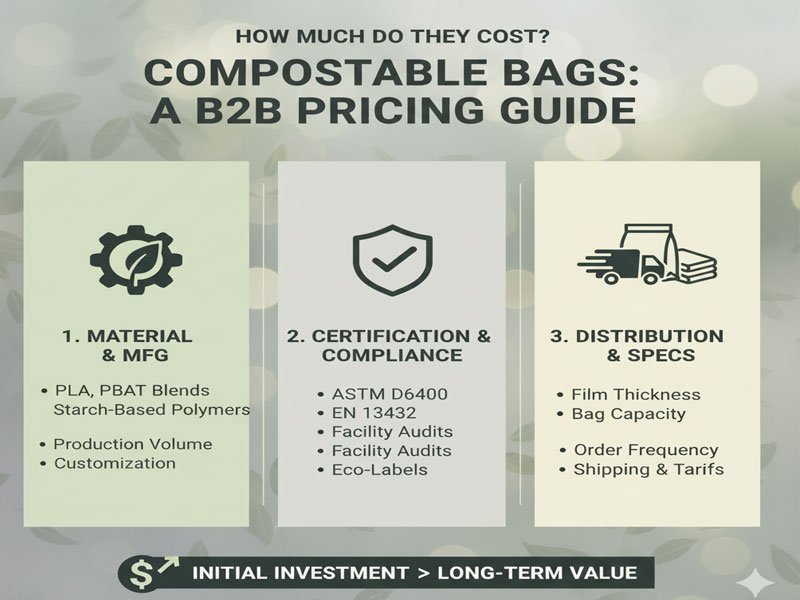
Many buyers assume compostable bags have a fixed price, but in reality the cost of compostable bags depends on several technical factors. The cost of compostable bags is usually driven by six main factors
Raw Material Costs (PLA and PBAT)
Raw materials are the largest cost component.
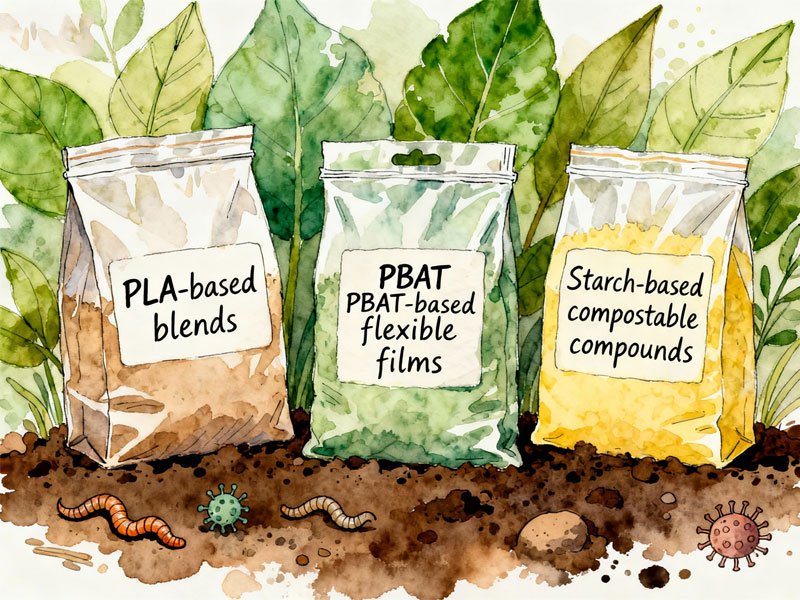
Most compostable bags use a blend of: If you are new to sourcing, it helps to review what compostable bags are made of before discussing pricing with suppliers.
- PLA (polylactic acid)
- PBAT (polybutylene adipate terephthalate)
These materials can account for 60–70% of the total manufacturing cost.
When global biopolymer prices increase, the compostable bag price also rises.
Bag Thickness
Thickness is another important factor.
| Thickness | Typical Use | Price Impact |
|---|---|---|
| 15 microns | light-duty bags | lower |
| 18 microns | standard bags | medium |
| 20+ microns | heavy-duty bags | higher |
For this reason, buyers should not ask only for “stronger bags.” They should ask for the right thickness for the right use. Our guide to thickness vs performance in compostable trash bags explains this in more detail.
Bag Size
Bag size is another direct cost driver.
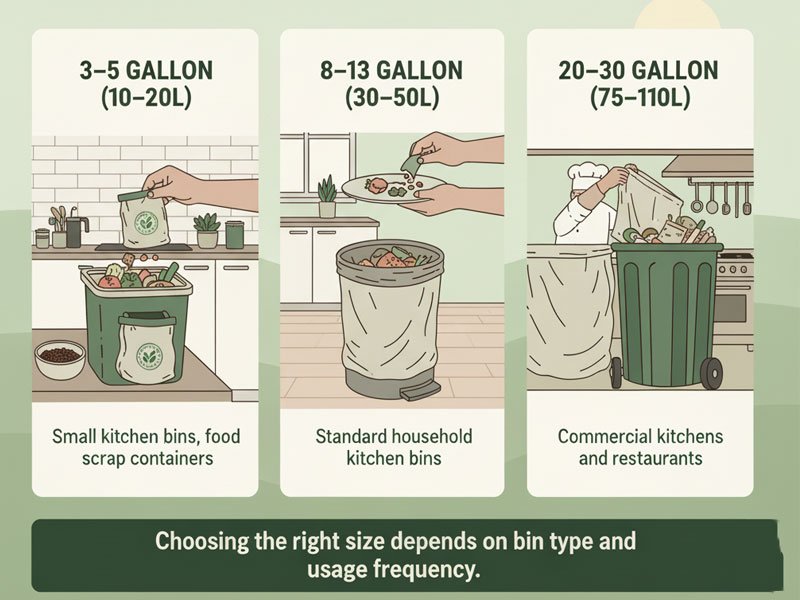
A small 8L caddy liner uses far less material than a 240L wheelie bin liner. That is why compostable trash bags price changes a lot across different capacities. Larger bags require more material and therefore cost more to produce.
Buyers who are unsure about capacity matching can check this trash bag size guide before requesting a quotation.
Examples include:
| Size | Typical Application |
|---|---|
| 8L | kitchen caddy liners |
| 13 gallon | kitchen trash bags |
| 60L | commercial waste bags |
| 240L | wheelie bin liners |
For this reason, the price of compostable trash bags varies widely depending on capacity.
Certification and Compliance
Certified products often cost more than non-certified products because testing, documentation, and material control are stricter.
For B2B buyers, this is not just a cost issue. It is a risk issue. A lower-priced bag without proper documentation may create problems later in customs, labeling, tenders, or municipal supply. Buyers can use this minimum compliance checklist for compostable bag imports as a reference.
Printing and Packaging
Custom printing, branded rolls, retail-ready boxes, barcode labels, and multi-language packaging all add cost.
This is especially important for buyers sourcing:
- private label compostable bags
- custom printed compostable bags
- supermarket packaging
- Amazon-ready OEM products
MOQ and Order Volume
Order quantity has a major effect on the final quotation.
Smaller orders usually carry higher unit prices because setup cost, plate cost, and packaging cost are spread across fewer units. This is one reason why OEM MOQ and lead time for compostable bags matters during quotation review.
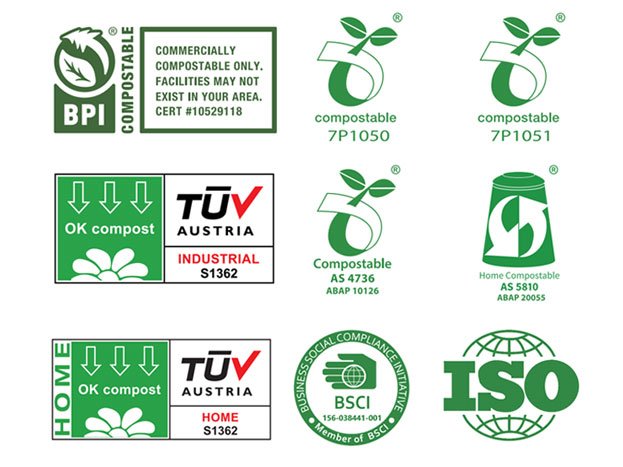
Certification Requirements
Many buyers require certified compostable packaging.
Common certifications include:
- EN13432 (Europe)
- ASTM D6400 (USA)
- BPI Certified
- OK Compost Industrial
- OK Compost Home
Certification involves testing for biodegradation, disintegration, and heavy metal limits. These processes increase development and compliance costs.
Typical Wholesale Price by Bag Type
Different bag categories have different price structures.
Below are some common examples.
Compostable Trash Bags Price
Compostable trash bags are widely used in households, restaurants, and food waste collection programs.
Typical wholesale price:
$0.06 – $0.12 per bag
The final price depends on:
- bag thickness
- roll configuration
- certification requirements
Buyers looking for container-scale supply can also review our compostable garbage bags wholesale page.
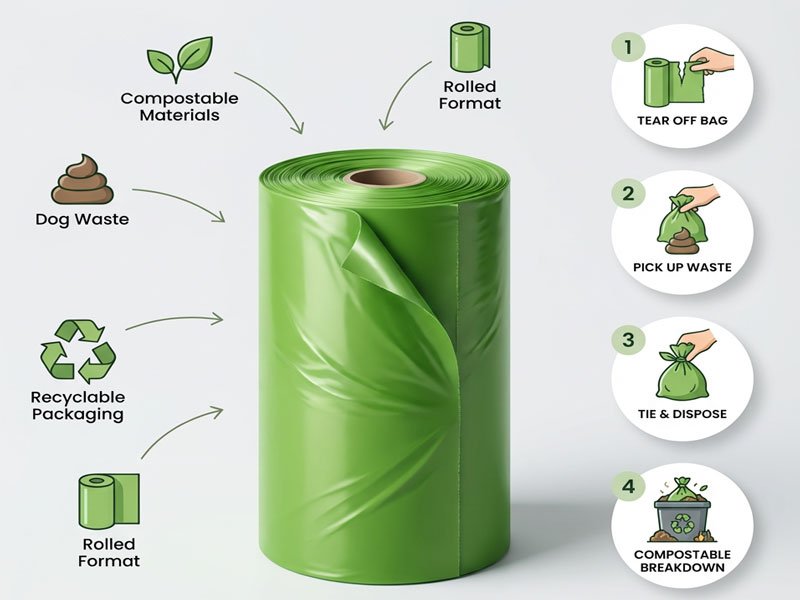
Compostable Dog Waste Bags Price
Compostable dog waste bags are usually smaller and produced in large quantities.
Typical price range:
$0.015 – $0.035 per bag
Private label dog waste bags with custom packaging may cost slightly more.
Compostable Shopping Bag Price
Compostable shopping bags are commonly used by supermarkets and retail stores.
Typical price range:
$0.08 – $0.20 per bag
Prices depend on bag size, handle style, and printing.
Compostable Produce Bag Price
Compostable produce bags wholesale solutions are widely used for fruits and vegetables in grocery stores.
Typical price range:
$0.02 – $0.06 per bag
Because they are thin and lightweight, produce bags are usually one of the lowest-cost compostable bag types.
MOQ and Bulk Pricing Explained
For B2B buyers, order volume plays a major role in pricing.
| Order Quantity | Typical Price Level |
|---|---|
| 10,000 bags | highest |
| 50,000 bags | medium |
| 100,000+ bags | lowest |
A buyer looking at compostable bags wholesale price should always ask:
- What is the MOQ?
- Is the quotation based on neutral packing or retail packing?
- Is printing included?
- Does the price include certification support?
- Is it for FOB, CIF, or DDP terms?
Without this, two quotations may look similar on paper but be very different in real cost. Buyers comparing suppliers may also want to read OEM vs wholesale compostable bags.
How Compostable Bag Manufacturers Calculate Prices
When manufacturers provide quotations, they usually consider several cost components.
Typical pricing structure includes:
- raw material
- film blowing
- bag making
- printing
- packaging
- carton and pallet cost
- wastage rate
- inspection and compliance control
This is why serious buyers should not compare suppliers on unit price alone. They should also know how to choose a compostable bag manufacturer before making a final decision.
A lower quotation may reflect different material grade, weaker thickness, different roll count, or missing certification support. In some cases, buyers should also compare manufacturer vs trading company structures before reviewing price differences.
How B2B Buyers Can Reduce Compostable Bag Costs
Buyers can often improve pricing by making better specifications.
Here are practical ways to do that:
Use standard sizes where possible
Standard molds and production setups are easier and more cost-efficient.
Choose realistic thickness
Do not over-specify thickness if the product does not need it.
Simplify print design
Fewer print colors often means lower cost.
Increase order volume
Larger orders reduce setup cost per unit.
Confirm compliance early
Choosing the right certification at the start helps avoid expensive changes later. This is especially important when reviewing documents buyers should request from compostable bag suppliers.
What B2B Buyers Should Check Before Comparing Prices
When comparing suppliers, buyers should check more than the quoted number.
A proper comparison should include:
- bag size and gusset structure
- thickness in microns
- material composition
- certification scope
- print details
- pack format
- MOQ
- trade terms
- lead time
- whether documents are included
This is especially important for distributors, importers, retailers, and municipal supply projects. A more detailed review process can be found in our buyer’s guide to choosing a supplier.
Why Many Buyers Source Compostable Bags from China
Many global distributors and packaging brands source compostable bags from manufacturers in China, especially when they need OEM compostable bags with stable supply and export experience.
Key reasons include:
- large-scale production capacity
- competitive manufacturing costs
- flexible OEM services
- experience exporting to global markets
Chinese manufacturers supply compostable bags to markets in North America, Europe, Australia, and many other regions.
Request a Compostable Bag Quotation Based on Your Specification
If you are sourcing from a compostable bag manufacturer for wholesale, OEM, or private label projects, the best way to get accurate pricing is to prepare a clear specification sheet.
A useful RFQ usually includes:
- bag type
- size
- thickness
- color
- printing
- packing format
- required certification
- estimated order quantity
- target market
The more complete the information is, the more accurate the quotation will be. For custom projects, buyers can also review our OEM process and capabilities before sending an RFQ.
FAQ
How much do compostable bags cost?
The price of compostable bags typically ranges from $0.015 to $0.90 per bag depending on bag size, thickness, certification, and order volume.
Why are compostable bags more expensive than plastic bags?
Compostable bags use plant-based materials such as PLA and PBAT, which are more expensive than traditional plastic. Certification and testing also add additional costs. Buyers can learn more from our guide to compostable bag materials
Are compostable bags cheaper when bought in bulk?
Yes. Larger orders usually reduce the unit price because manufacturers can optimize production and material usage.
What factors affect compostable bag pricing?
Major factors include raw materials, bag thickness, size, certification standards, printing requirements, and order quantity. Thickness, compliance, and sourcing model are discussed further in our guides on thickness vs performance and manufacturer vs trading company.