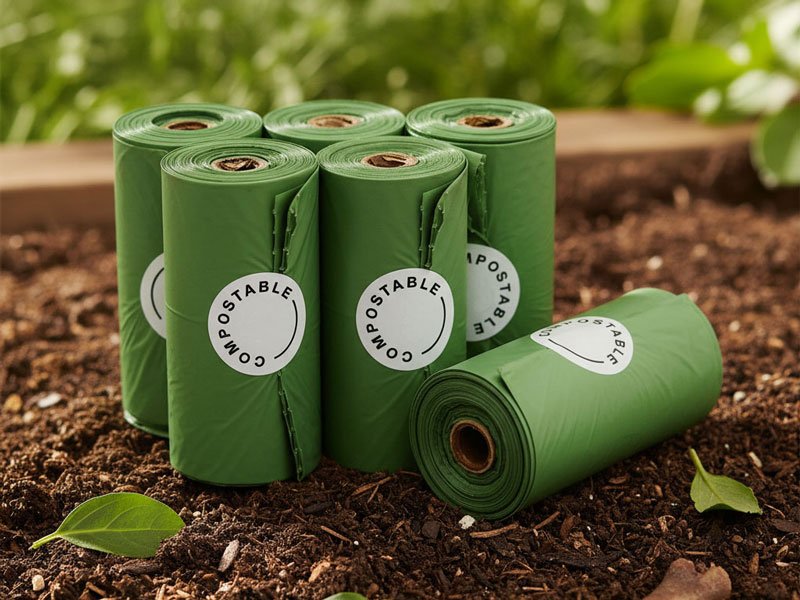
Importers, distributors, and packaging buyers are increasingly sourcing certified compostable bags from global manufacturers to meet growing environmental regulations and sustainability requirements.
However, importing compostable packaging or import compostable bags from overseas suppliers requires more than simply finding a supplier. Buyers must consider certification standards, regulatory compliance, product quality, and supply chain reliability when selecting a compostable bags manufacturer.
This guide explains how importers can source certified compostable bags safely and efficiently.
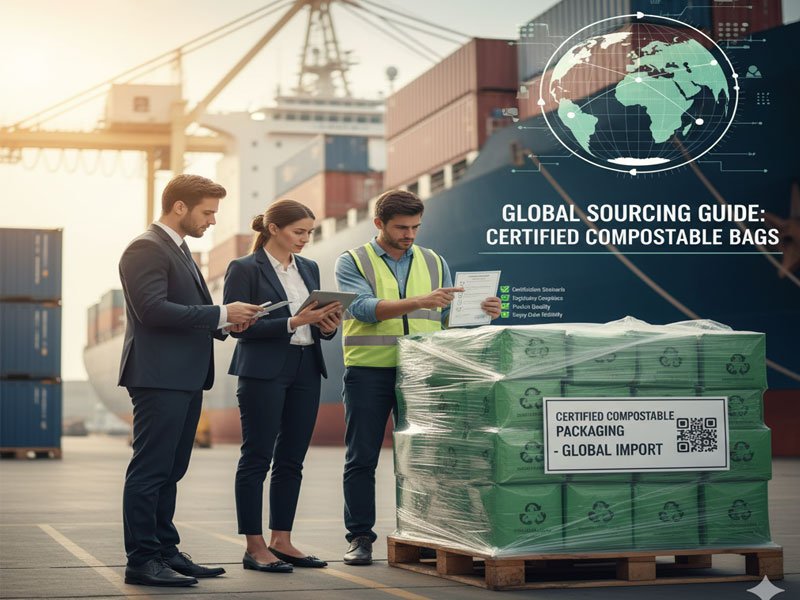
Why Importers Are Switching to Compostable Bags
Across many regions, plastic reduction policies and packaging regulations are accelerating the adoption of compostable packaging.
Examples include:
- municipal organic waste programs
- plastic reduction policies in retail
- food waste collection systems
- sustainability commitments from global brands
In many markets, packaging labeled as compostable must meet recognized certification standards such as EN 13432 (EU) or ASTM D6400.
These standards verify that materials biodegrade under composting conditions and do not leave harmful residues.
For importers, working with a certified supplier helps reduce regulatory risks and ensures products can be legally sold in target markets.
Key Certifications Importers Should Verify
Certification is the first thing importers should check when sourcing compostable bags.
Common international standards include:
EN 13432
The main industrial compostability standard used in the European Union.
ASTM D6400
The primary compostable plastics standard used in North America.
BPI Certification
A widely recognized certification program verifying compliance with ASTM compostability standards.
AS4736 / AS5810
Australian industrial and home compostable standards used for waste collection programs.
Reliable suppliers should provide:
- official certificate copies
- certification numbers
- issuing organization details
- product scope covered by certification
Certification ensures the product has passed laboratory testing for biodegradation, disintegration, and environmental safety.
How Importers Evaluate Compostable Bag Suppliers
Before placing large orders, importers should review several factors when comparing a compostable bags manufacturer vs trading company.
Factory Production Capability
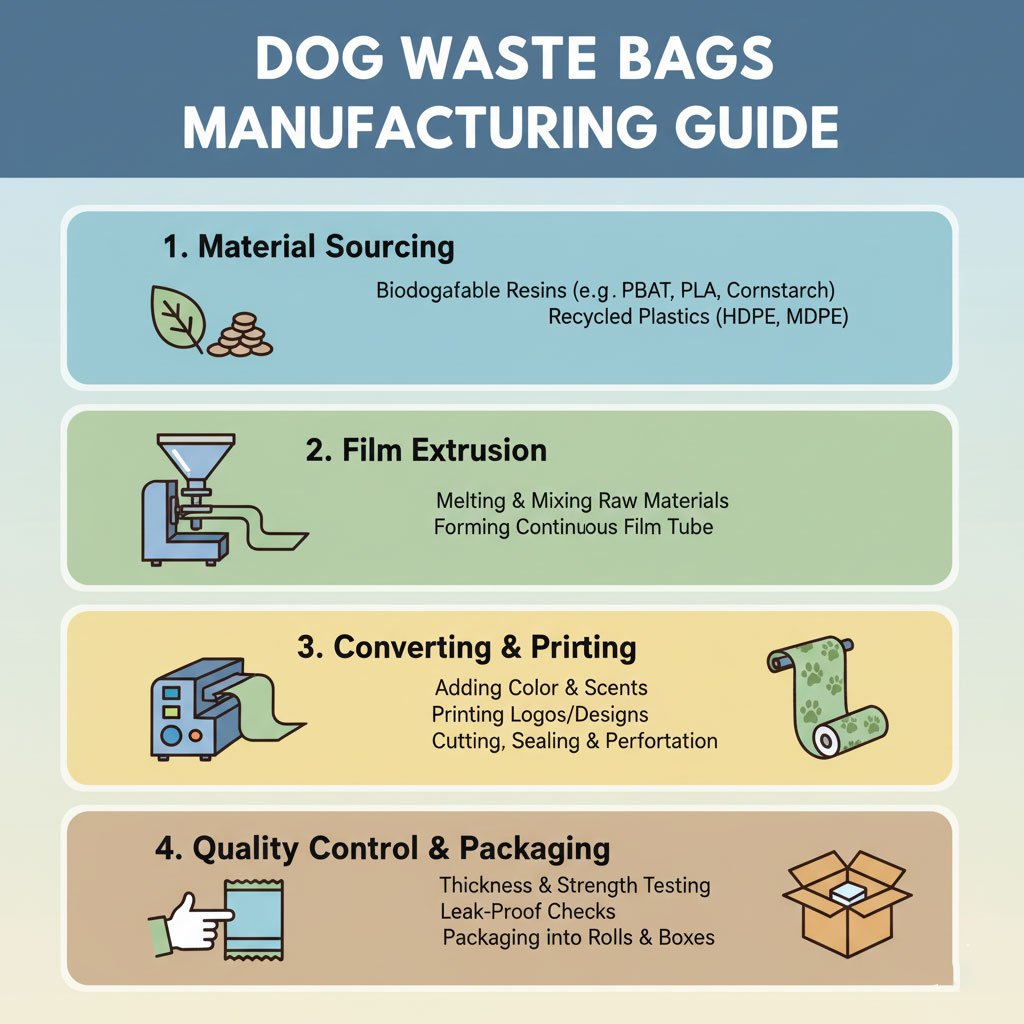
A reliable compostable bag supplier should control key production steps:
- film extrusion
- bag forming
- sealing
- printing
- quality inspection
Factories with integrated production lines typically provide better quality consistency.
Production Capacity
Importers planning long-term supply programs should confirm:
- monthly production capacity
- number of production lines
- lead times for repeat orders
- ability to scale production
Stable supply is especially important for distributors supplying retail or municipal programs.
Material Composition
Most certified compostable bags are produced using biodegradable polymer blends such as:
- PBAT
- PLA
- starch-based materials
Importers should confirm that materials match the certification scope and do not contain conventional polyethylene.
OEM and Private Label Options for Importers
Many importers supply private-label packaging to retailers or brand owners.
A professional supplier should support OEM compostable bags services including:
- custom bag sizes
- logo printing
- barcode placement
- retail packaging
- carton labeling
Private label services allow importers to build their own product lines while sourcing from an experienced manufacturer.
Quality Control and Product Testing
Quality control is critical when importing compostable bags. Buyers should also learn how to check compostable bag quality before approving production.
Importers should confirm that suppliers perform:
- thickness testing
- sealing strength tests
- raw material verification
- batch traceability
- pre-shipment inspection
Some buyers also perform additional tests such as stretch testing or leak testing to confirm bag durability.
Consistent quality helps avoid complaints from retailers and end users.
Logistics and Export Documentation
Importing compostable bags also requires proper export documentation.
Typical documents include:
- commercial invoice
- packing list
- bill of lading
- certification documents
- product specification sheets
Experienced manufacturers often support international shipping and help importers coordinate logistics with freight forwarders.
Typical Applications for Importers
Importers commonly source compostable bags for the following markets:
Retail packaging
- shopping bags
- produce bags
- garment bags
Waste management
- food waste liners
- compostable garbage bags
- municipal waste programs
Pet waste products
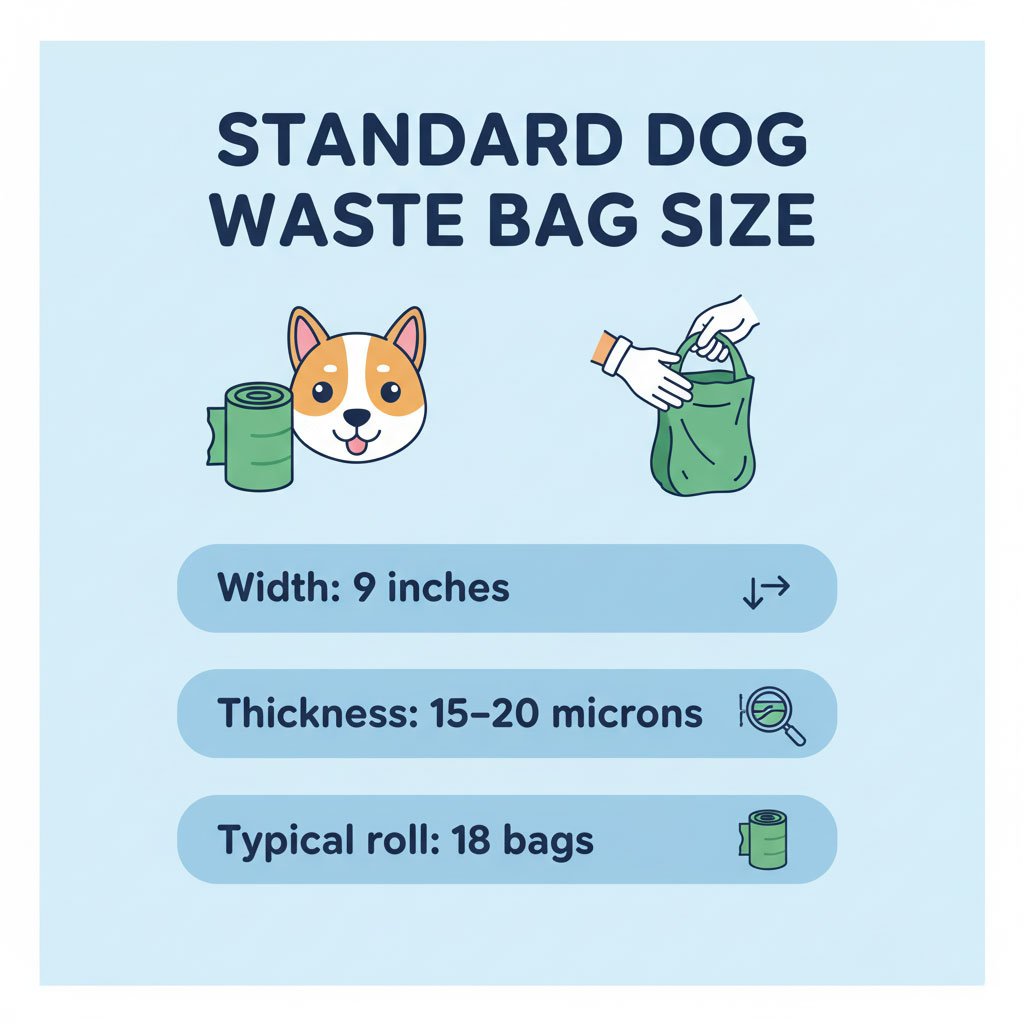
- dog poop bags
- dog waste station bags
These applications are increasingly required in regions with organic waste programs and plastic reduction regulations.
Why Work With an Experienced Compostable Bag Manufacturer
Importers often prefer to work with experienced suppliers who offer stable manufacturing capacity and clear information about OEM compostable bags MOQ.
- certified compostable materials
- export documentation support
- long-term supply reliability
Working directly with a manufacturer also helps reduce supply chain complexity compared with sourcing through trading companies.
Minimum Order Quantity (MOQ) for Importers
Minimum order quantity (MOQ) varies depending on bag size, thickness, printing requirements, and packaging format.
Typical MOQ for compostable bags may range from:
- 5,000 – 10,000 rolls for dog waste bags
- 3,000 – 5,000 cartons for garbage bags
- custom MOQ for OEM packaging
Importers should confirm MOQ requirements before starting private label production.
Request a Quote
If you are an importer or distributor looking for certified compostable bags, our factory provides:
- OEM and private label production
- international certification support
- stable manufacturing capacity
- global export experience
You can also explore our compostable garbage bags and dog waste bags for import programs.