Many people assume the answer is simple. If a bag says “compostable,” then it should be allowed in a green bin.
But in real municipal waste systems, things are not always that straightforward. Some cities accept certified compostable bags for green bin programs.
Others do not.
And some only allow certain types of compostable liners. This creates confusion for homeowners, distributors, and even retailers.
I see this question often from buyers:
“Why are some compostable bags accepted while others are rejected?”
The short answer is this: It depends on the composting facility, certification standards, and local municipal rules.
The Short Answer: Sometimes Yes, Sometimes No
Yes, some compostable bags can be used in green bins.
But not all compostable bags are treated the same way.
Many municipal composting systems only allow certified compostable liners that meet industrial composting standards.
For example:
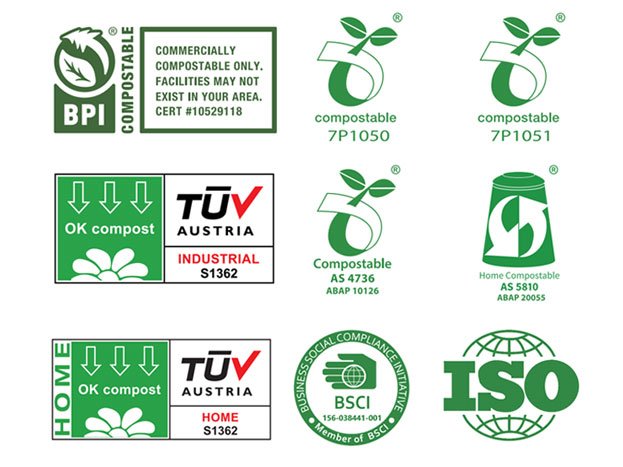
- ASTM D6400
- BPI Certified
- EN13432
- AS4736
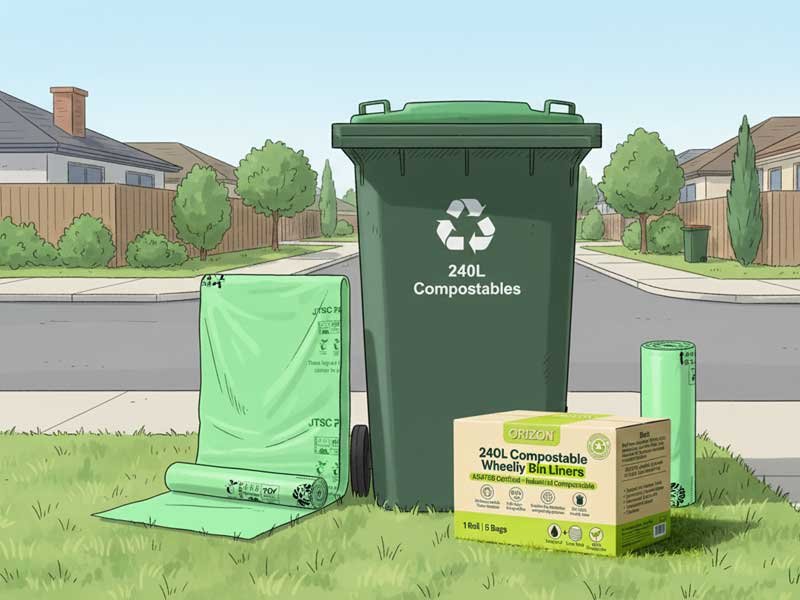
Some cities allow certified compostable green bin liners because they help reduce food waste leakage and improve kitchen waste collection.
Other cities reject all plastic-looking liners, even certified compostable ones.
Why?
Because some composting facilities cannot process compostable plastics fast enough during their composting cycle.
This is one of the biggest reasons rules vary between cities.
Why Different Cities Have Different Green Bin Rules
This is where many people get confused. Green bin programs are not all the same.
Every municipal composting facility uses different:
- processing equipment
- composting temperatures
- sorting systems
- contamination controls
- composting timelines
Some facilities process organic waste very quickly.
Others allow longer composting periods.
Certified compostable bags need enough heat, oxygen, moisture, and microbial activity to fully break down. Most are designed for industrial composting systems.
If the facility cycle is too short, the bags may not fully decompose before screening.
That creates operational problems.
This is why some municipalities choose to reject compostable plastic liners completely.
Even when the bags are technically certified.
Certified Compostable Bags vs Biodegradable Bags
Another major problem is labeling confusion.
Many products use words like:
- biodegradable
- eco-friendly
- plant-based
- degradable
But these terms do not always mean the bag is certified compostable.
A certified compostable bag is tested against recognized compostability standards.
A biodegradable bag may simply break into smaller pieces over time.
That is not the same thing.
Many municipal composting programs are now stricter about contamination risks.
Especially in Canada and Australia.
This is why many councils only allow certified compostable bags.
If you want to understand the difference more clearly, this guide explains biodegradable vs compostable materials in more detail.
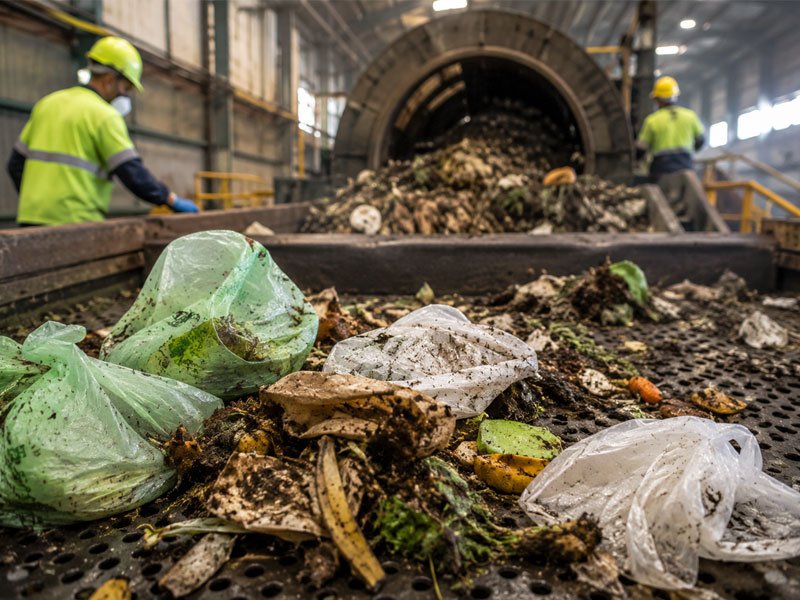
Why Some Compostable Bags Are Still Rejected
This surprises many buyers.
Even certified compostable bags are not automatically accepted everywhere.
There are several reasons for this.
1. Composting Speed
Some facilities process food waste in a very short time.
If compostable bags break down too slowly, fragments may remain during screening.
2. Contamination Concerns
Facilities often struggle with fake “eco” bags made from conventional plastics.
Workers may not easily distinguish real certified compostable bags from ordinary plastic bags.
To reduce contamination, some cities simply ban all plastic-style liners.
3. Equipment Limitations
Older composting systems may not be designed for compostable plastics.
Paper liners sometimes work better in these facilities.
4. Poor Quality Compostable Bags
Not all compostable bags are produced with stable film quality.
Weak sealing, unstable thickness, or poor compostability can create problems during food waste collection.
This is why thickness and performance balance matters in compostable liners.
Which Compostable Certifications Matter for Green Bin Programs?
Different regions use different compostability standards.
The most common certifications include:
| Certification | Region | Purpose |
|---|---|---|
| ASTM D6400 | USA & Canada | Industrial compostability |
| BPI Certified | North America | Third-party certification |
| EN13432 | Europe | Industrial compostability |
| AS4736 | Australia | Industrial compostability |
For North American municipal waste systems, ASTM D6400 compostable bags and BPI certified compostable bags are commonly used.
In Australia, many FOGO programs use AS4736 compostable bags for council food waste collection.
However, certification alone does not guarantee acceptance.
Local municipal rules still matter.
Examples of Green Bin Rules in Different Cities
This is where buyers often get surprised. Different cities may follow very different policies.
Toronto
Toronto has stricter rules around plastic-style liners because of contamination concerns.
Calgary
Some certified compostable bags are accepted in Calgary’s green bin system.
Australia FOGO Programs
Many Australian FOGO systems allow certified compostable liners designed for food organics collection.
This is one reason FOGO compostable bags have become an important market in Australia.
What Buyers and Distributors Should Check Before Importing Compostable Bags
For distributors and private label brands, local compliance matters more than marketing claims.
Before sourcing compostable green bin liners, buyers should check:
- local municipal rules
- accepted certifications
- composting facility requirements
- thickness consistency
- sealing quality
- labeling compliance
It is also important to verify whether the bags are truly certified.
This guide explains how to verify a compostable certificate step by step.
For importers, choosing a reliable compostable bag manufacturer is also important for long-term compliance stability.
FAQs About Compostable Bags for Green Bin
Are compostable bags allowed in green bins?
Sometimes yes. Sometimes no. Rules depend on local municipal composting systems and accepted certifications.
Are biodegradable bags accepted in green bins?
Not always. Many cities reject biodegradable bags that are not certified compostable.
What certifications are commonly accepted?
ASTM D6400, BPI Certified, EN13432, and AS4736 are among the most recognized standards.
Why do some councils reject compostable bags?
Common reasons include contamination concerns, processing speed, and composting facility limitations.
Are paper liners better than compostable plastic liners?
In some composting systems, paper liners may process more easily than compostable plastics.
Conclusion
So, can you use compostable bags for green bin programs?
Sometimes yes.
Sometimes no.
The answer depends on more than the word “compostable” printed on the bag.
Municipal composting systems operate differently. Certification standards vary. Processing equipment also matters.
For buyers and distributors, understanding these differences is important before importing or supplying compostable green bin liners.
Real compliance starts with understanding how real composting systems work.