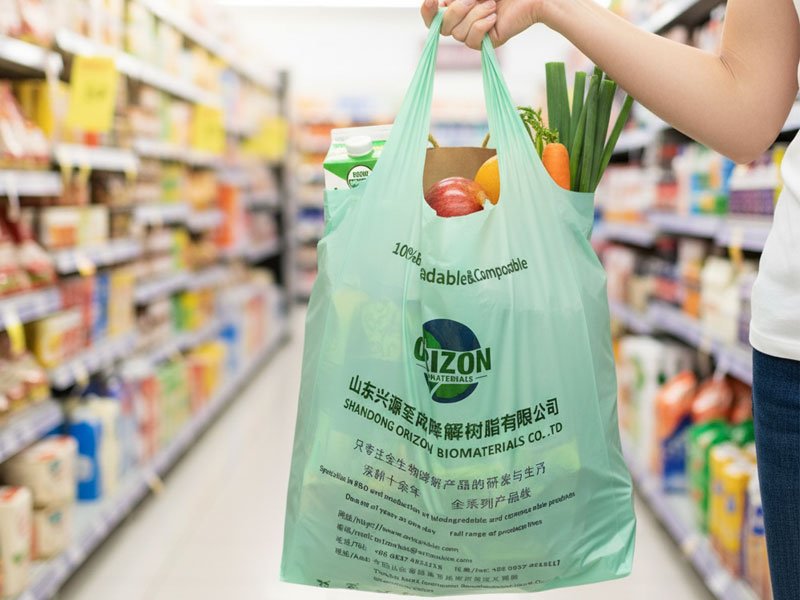
Many people in Toronto assume compostable bags are the best option for Green Bin waste.
At first, that sounds logical.
If a bag is compostable, it should work well in a composting system.
But Toronto’s Green Bin program works differently from what many people expect.
This is why there is still confusion around:
- compostable bags for Green Bin Toronto
- biodegradable liners
- certified compostable bags
- food waste collection bags
The biggest surprise for many residents is this:
Toronto does not strongly recommend compostable plastic liners for Green Bin collection.
Even when the bags are certified compostable.
Why?
The answer is connected to how Toronto processes food waste inside its municipal composting system.
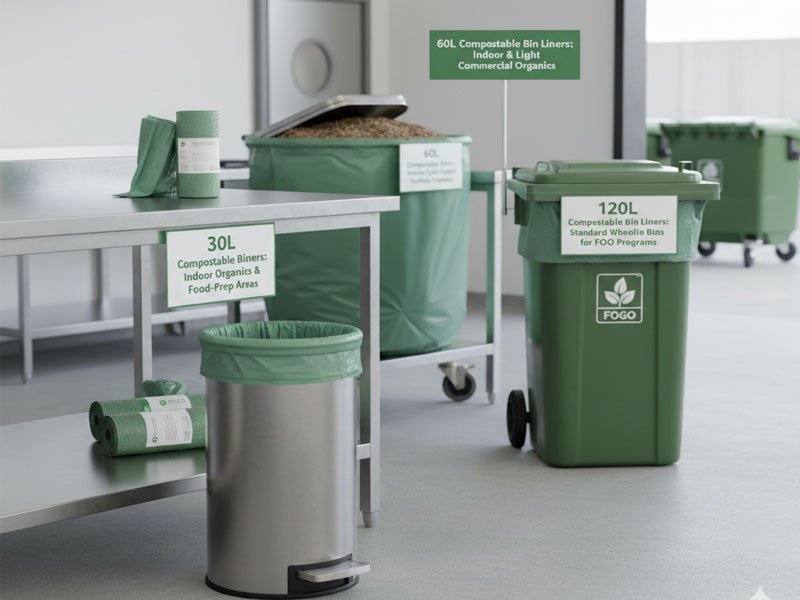
Are Compostable Bags Allowed in Toronto Green Bin?
The short answer is: Sometimes yes. But they are not necessary.
Toronto allows residents to use some compostable bags and plastic-style liners for Green Bin collection.
However, the city also explains that these bags are separated during processing.
This includes many compostable plastic liners.
The reason is not because compostable bags are “bad.”
The reason is connected to contamination control and processing efficiency.
This is one reason why many people searching for:
- Toronto green bin bags
- compost bags Toronto
- compostable bags Toronto
become confused. The rules are different from many other cities.
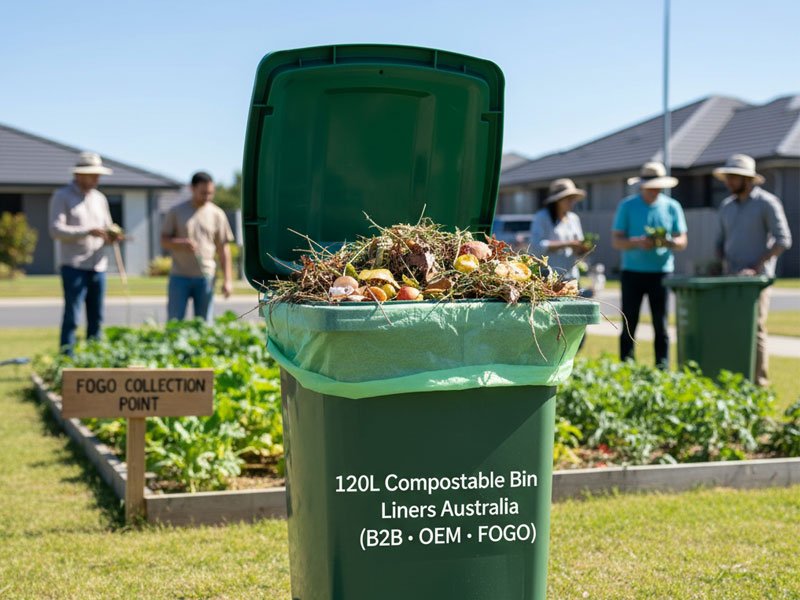
Why Toronto Does Not Recommend Compostable Plastic Bags
This is where things become more interesting.
Toronto’s organics processing system focuses heavily on contamination reduction.
Many plastic-looking items create sorting problems inside municipal composting facilities.
Workers and machines cannot always quickly identify:
- regular plastic bags
- biodegradable bags
- certified compostable bags
To reduce contamination risk, Toronto removes many plastic-style liners during pre-processing.
This is one reason why some compostable bags may still end up in landfill after screening.
Even if they are technically compostable.
This surprises many consumers.
Especially people who assume all compostable bags automatically break down inside Green Bin systems.
Municipal composting is more complicated than that.
How Toronto Processes Green Bin Waste
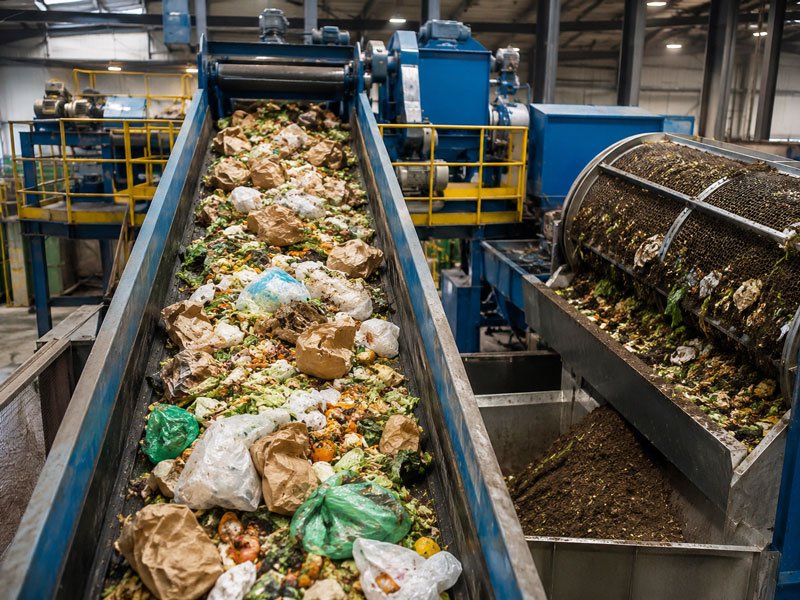
Toronto’s Green Bin system is designed to separate organic material from contamination before composting begins.
The process usually includes:
- bag opening
- mechanical separation
- screening systems
- contamination removal
- industrial composting
This means the city focuses more on recovering food waste than composting the bag itself.
Many industrial composting systems operate under controlled timelines.
If compostable plastics do not break down quickly enough, fragments may remain during screening.
This creates operational problems.
That is one reason some municipalities prefer paper liners or loose food waste collection instead.
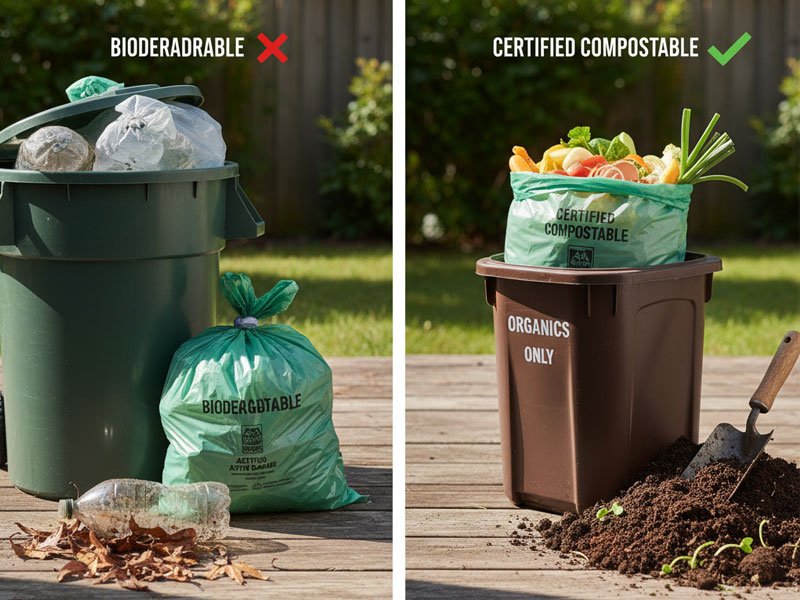
Compostable vs Biodegradable Bags in Toronto
Another major issue is labeling confusion.
Many products use terms like:
- biodegradable
- eco-friendly
- degradable
- plant-based
But these terms do not always mean the bag is suitable for Toronto’s Green Bin system.
A certified compostable bag is different from a general biodegradable bag.
Certified products are tested against compostability standards such as:
- ASTM D6400
- BPI Certified
- EN13432
This guide explains the difference between biodegradable vs compostable materials in more detail.
Many cities now focus more on contamination reduction than marketing claims.
This is also why biodegradable claims often fail inside real municipal waste systems.
Why Paper Liners Are Often Preferred
Many Toronto residents are surprised to learn that paper liners are often preferred over compostable plastic liners.
The reason is practical.
Paper is easier for composting systems to process.
It also creates fewer sorting problems.
For municipal waste operators, contamination reduction is usually more important than convenience packaging.
This is especially true in large urban composting systems where processing speed matters.
Some compostable bags may still work well in certain systems.
But municipal rules depend on local compost facility design, equipment, and processing timelines.
That is why Green Bin rules vary between cities.
What This Means for Buyers and Distributors
For distributors and private label buyers, Toronto is an important example of how municipal composting systems differ.
A bag labeled “compostable” is not automatically accepted everywhere.
This creates several important sourcing considerations:
- certification compliance
- municipal compatibility
- contamination policies
- processing speed
- film thickness
- decomposition performance
For OEM suppliers, understanding how real waste systems operate is becoming more important than simple eco-marketing.
This is also why many distributors now focus on certified compostable bags with stable production quality and verified compliance documentation.
For buyers sourcing food waste liners, this guide to compostable green bin liners explains broader Green Bin system requirements in more detail.
FAQs About Compostable Bags for Green Bin Toronto
Are compostable bags allowed in Toronto Green Bin?
Some are allowed, but Toronto does not strongly recommend compostable plastic liners because many are removed during processing.
Why does Toronto remove compostable bags?
Toronto focuses heavily on contamination reduction and food waste recovery efficiency.
Are biodegradable bags accepted in Toronto Green Bin?
Not always. Many biodegradable bags are not certified compostable and may create contamination risks.
Does Toronto prefer paper liners?
In many cases, yes. Paper liners are often easier for municipal composting systems to process.
What certifications matter for compostable bags in Canada?
ASTM D6400 and BPI Certified are among the most common standards used in North America.
Conclusion
Toronto’s Green Bin system is different from what many people expect.
Compostable bags are not automatically treated as ideal solutions.
The city focuses more on contamination control, food waste recovery, and processing efficiency.
For buyers, distributors, and manufacturers, Toronto is a good example of how municipal composting systems can vary between regions.
Real compostability is not only about the material itself.
It is also about whether the local waste system can process the product effectively.