Childcare and daycare centers manage diaper waste every day. Maintaining hygiene, controlling odor, and ensuring safe handling are essential—especially in shared indoor environments with young children.
Compostable nappy bags for childcare are increasingly used as an alternative to conventional plastic bags. When selected correctly, they help childcare centers support hygiene standards while aligning with sustainability and compliance requirements.
This guide explains how compostable nappy bags are used in childcare and daycare settings, what performance and certification factors matter most, and how institutions and suppliers typically source them.
Why Childcare & Daycare Centers Use Nappy Bags
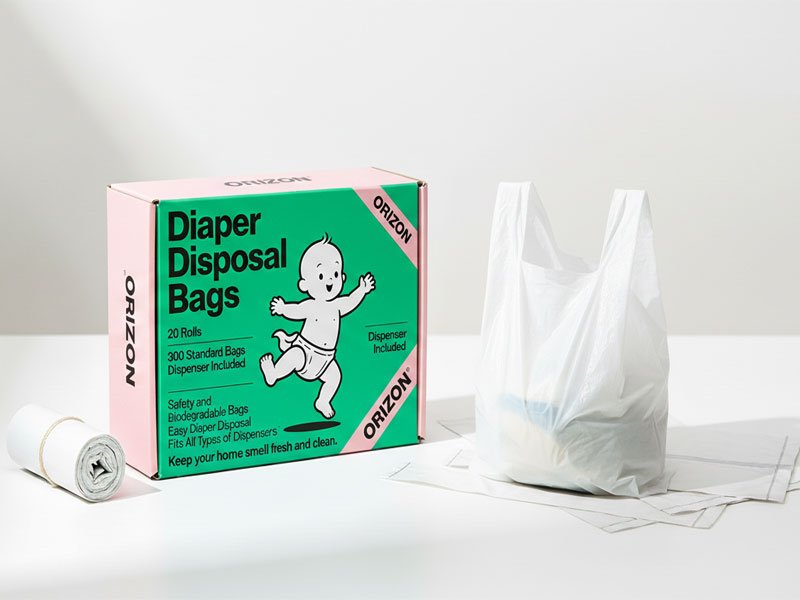
Nappy bags are used to temporarily contain used diapers before final waste disposal.
In childcare and daycare environments, nappy bags help:
- Maintain hygiene in shared spaces
- Reduce odor in indoor rooms
- Prevent leakage from wet diaper waste
- Allow staff to handle waste quickly and safely
Because diaper waste is wet and handled frequently, nappy bags used in daycare centers must meet higher performance standards than ordinary trash bags.
What Makes Compostable Nappy Bags Suitable for Childcare Use?
A clear definition of compostable nappy bags helps childcare centers and suppliers avoid misleading claims and sourcing mistakes. Not all compostable bags are suitable for institutional use.
Compostable nappy bags for childcare centers are typically designed to provide:
- Leak resistance for wet waste
- Sufficient strength for frequent handling
- Easy opening and tying for staff efficiency
- Controlled odor containment
Before selecting products for institutional use, buyers should clearly understand what compostable nappy bags are and how they differ from other diaper disposal bags.
Compostable vs Biodegradable Nappy Bags in Childcare Settings
In childcare environments, the difference between compostable and biodegradable matters.
Biodegradable nappy bags:
- Do not follow a defined breakdown timeline
- Often lack verifiable testing standards
- May increase compliance or greenwashing risk
Compostable nappy bags:
- Are tested under defined composting conditions
- Follow recognized certification standards
- Provide clearer expectations for institutional buyers
For childcare and daycare centers, understanding compostable vs biodegradable nappy bags helps reduce compliance and reputational risk.
Hygiene & Performance Requirements in Daycare Environments
Childcare centers face specific operational challenges that affect bag selection:
- Wet and heavy diaper waste that increases leak risk
- Frequent disposal throughout the day
- Shared indoor environments where odor control is critical
- Staff efficiency, requiring bags that are easy to open and handle
These factors make performance consistency essential for daycare nappy bags.
Choosing the Right Thickness for Childcare Nappy Bags
Thickness plays a key role in performance.
For childcare use:
- Bags that are too thin may leak or tear
- Overly thick bags increase cost and reduce flexibility
Selecting the correct compostable nappy bags thickness helps balance durability, usability, and material efficiency.
Bag Design Details That Matter in Childcare Use
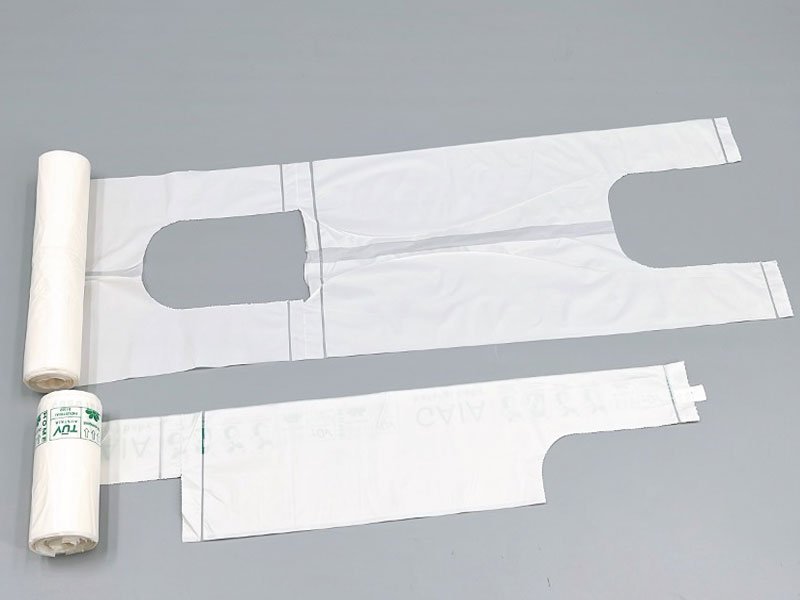
Many real-world issues come from bag design rather than material choice.
Important design factors include:
- Easy-open and tear-friendly openings to save time during diaper changes
- Strong bottom sealing to reduce leakage
- Consistent perforation and roll format for smooth daily handling
In childcare settings, these details directly affect hygiene and staff workflow.
Are Compostable Nappy Bags Home Compostable?
Childcare centers often ask whether compostable nappy bags can go into home compost bins.
In practice:
- Most childcare centers do not operate home compost systems
- Compostable nappy bags are usually collected with general or organics waste, depending on local rules
Only home compostable nappy bags certified for backyard composting are suitable for home compost systems. Most childcare-grade bags are designed for industrial composting or controlled waste systems.
Do Compostable Nappy Bags Break Down in Landfill?
Compostable nappy bags are not designed to reliably break down in landfill conditions.
Landfills lack the oxygen and microbial activity required for composting.
However, compostable bags still help childcare centers reduce reliance on conventional plastics and support sustainability policies when used within appropriate waste management systems.
Certification Considerations for Childcare & Daycare Centers
Certification is particularly important for institutional buyers.
Depending on the region, compostable nappy bags for childcare may need to meet different compostability standards.
Certification helps:
- Verify compostable claims
- Support institutional procurement requirements
- Reduce the risk of product rejection or compliance issues
Certification requirements vary by market and application. https://orizonbags.com/resources/compostable-nappy-bags-multi-market-standards/
How Childcare Centers Typically Source Compostable Nappy Bags
Compostable nappy bags for daycare and childcare centers are commonly sourced through:
- Childcare product brands
- Packaging distributors
- Private label suppliers serving institutions
These products are typically supplied in bulk and sourced through B2B channels rather than consumer retail outlets.
Many childcare suppliers source private label compostable nappy bags to ensure consistent specifications and reliable long-term supply.
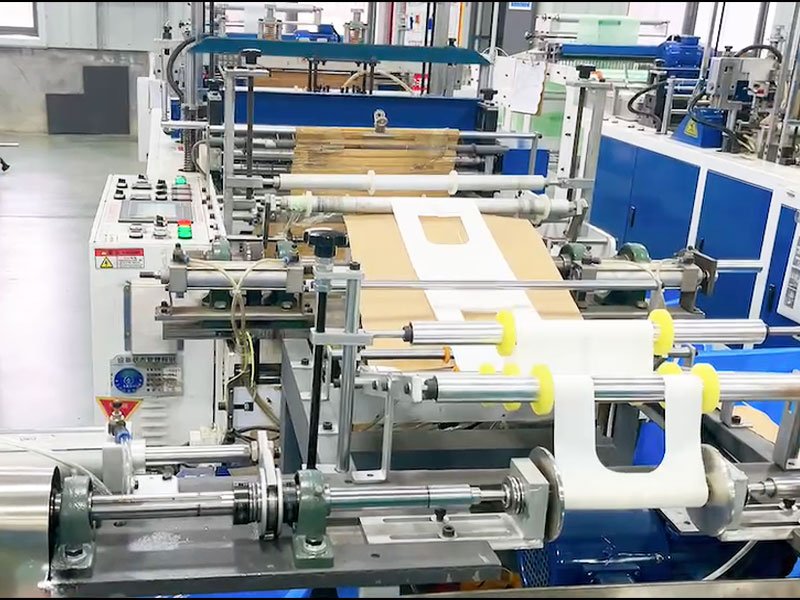
Choosing a Manufacturer for Childcare-Grade Compostable Nappy Bags
When sourcing products for childcare use, buyers should consider:
- Consistent material and thickness control
- Certification and documentation support
- Experience supplying institutional environments
- Stable production and long-term availability
Partnering with a reliable compostable nappy bags manufacturer helps childcare suppliers maintain performance consistency and compliance.
Key Takeaways for Childcare & Daycare Buyers
- Childcare environments require higher hygiene standards
- Compostable nappy bags must handle wet, frequent-use waste
- Thickness and design directly affect leak resistance and usability
- Certification is essential for institutional procurement
- Experienced manufacturers reduce long-term supply and compliance risks
Learn More
- Learn more about certification requirements for compostable nappy bags
- Explore OEM options for private label compostable nappy bags
FAQ
Are compostable nappy bags suitable for childcare centers?
Yes, when designed for institutional use. Childcare-grade compostable nappy bags must offer leak resistance, odor control, and consistent performance.
Are compostable nappy bags better than biodegradable ones for daycare use?
For childcare settings, compostable nappy bags with recognized certification offer clearer compliance and more predictable performance than biodegradable options.
Can childcare centers use compostable nappy bags in home compost bins?
In most cases, no. Only nappy bags certified for home composting are suitable for backyard compost systems.
Do compostable nappy bags break down in landfill?
Not reliably. Compostable nappy bags are designed for composting systems, not landfill environments.
What certifications should compostable nappy bags for childcare have?
Certification depends on the target market, such as AS 4736 or AS 5810 in Australia, EN 13432 in the EU, or ASTM D6400/BPI in the USA.