As municipalities expand organic waste programs, yard waste collection is becoming more structured and regulated.
Leaves, grass clippings, and garden waste require proper handling — and this is where compostable leaf bags are increasingly used.
But are they really suitable for yard waste?
This guide explains how compostable lawn and leaf bags perform, what certifications are required, and how they fit into municipal waste systems.
What Are Compostable Leaf Bags?
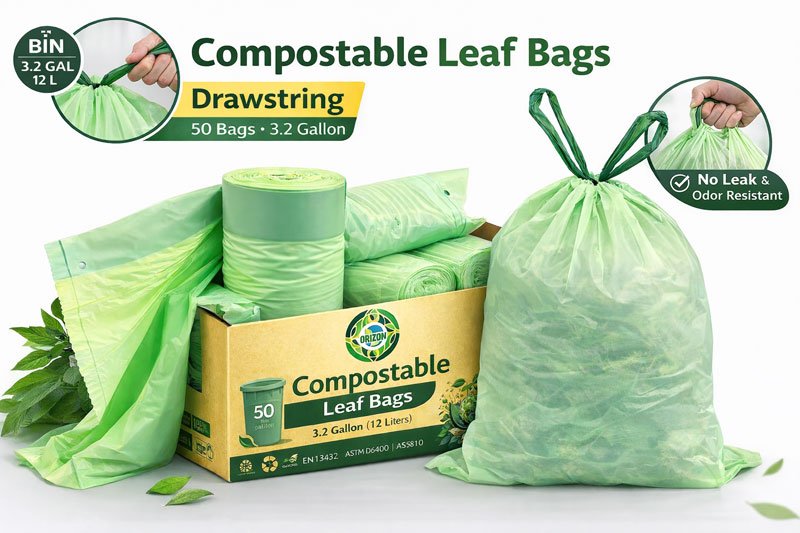
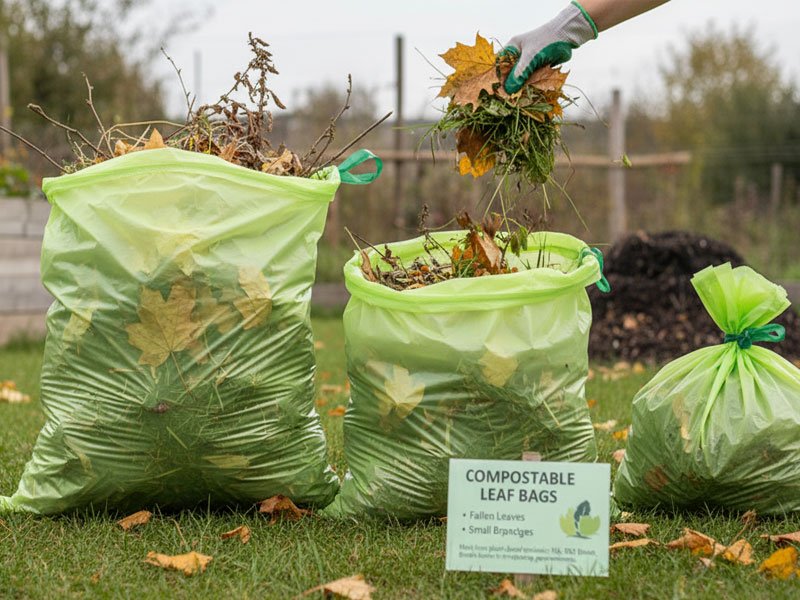
Compostable leaf bags are designed to collect yard waste such as:
- fallen leaves
- grass clippings
- small branches
- garden debris
Unlike traditional plastic bags, they are made from plant-based materials (PLA, PBAT, starch blends) and are designed to break down in composting environments.
Compostable leaf bags are typically made from plant-based materials such as PLA, PBAT, and starch blends.
To understand how these materials work, see our guide on what are compostable bags made of.
Are Compostable Leaf Bags Suitable for Yard Waste?
The short answer is: Yes — but only under the right conditions.
Suitable when:
- used in municipal composting programs
- compliant with local certification requirements
- matched with correct thickness and size
Not suitable when:
- used in landfill systems
- mixed with non-organic waste
- uncertified products are used
What Certifications Are Required?
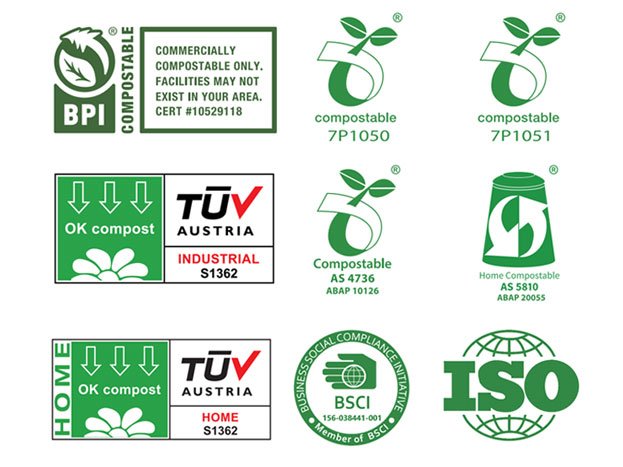
For compostable leaf bags to be accepted in waste programs, certification is critical.
Common standards include:
- EN13432 (Europe)
- ASTM D6400 / BPI (United States)
- AS4736 / AS5810 (Australia)
These ensure:
- proper biodegradation
- no toxic residue
- compatibility with compost systems
In Europe, compostable leaf bags must comply with strict standards such as EN13432.
Learn more about
Performance Considerations for Yard Waste
Yard waste is different from food waste.
It can be:
- bulky
- dry but sharp
- heavy when wet
Key performance factors:
- Thickness (typically higher than kitchen liners)
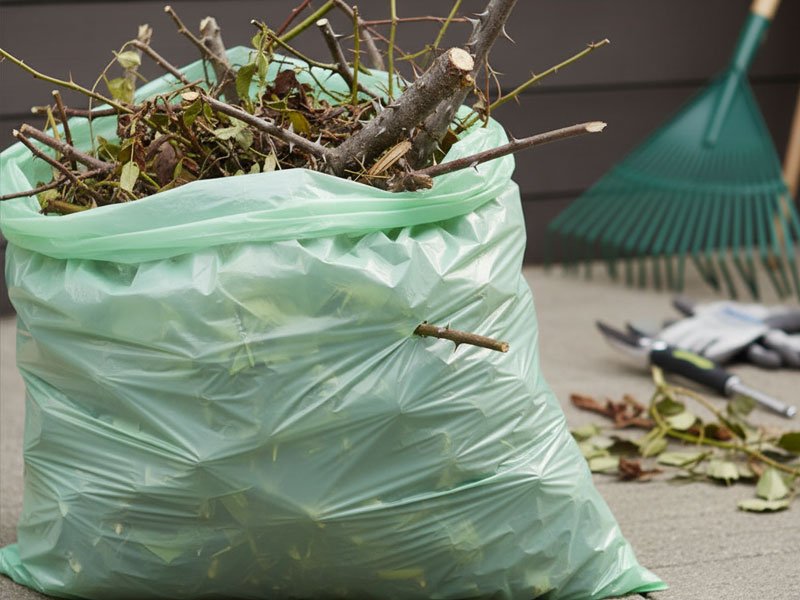
- Tear resistance (for branches & twigs)
- Load capacity
- Breathability (to reduce moisture buildup)
Thickness plays a critical role in strength and durability, especially for yard waste that includes branches and wet leaves.
Refer to our compostable bag thickness guide to choose the right specification.
Choosing the correct size is essential for handling yard waste efficiently, especially for large volumes of leaves.
See our compostable trash bag size guide for detailed size recommendations.
How Municipal Programs Use Compostable Leaf Bags
In many regions, compostable leaf bags are used in:
- curbside yard waste collection
- seasonal leaf pickup programs
- public park maintenance
- community composting systems
These bags help:
- keep organic waste separated
- improve collection efficiency
- reduce plastic contamination
Many cities and municipalities are adopting compostable bags as part of their organic waste management systems.
Explore our municipal compostable bag solutions to see how they are applied in real programs.
Compostable vs Plastic Leaf Bags
| Feature | Compostable Bags | Plastic Bags |
|---|---|---|
| Environmental impact | Low | High |
| Composting compatibility | Yes | No |
| Certification required | Yes | No |
| Waste system fit | Organic programs | Landfill |
Many buyers confuse biodegradable and compostable products, which can lead to compliance issues.
Learn the difference in our guide on compostable vs biodegradable bags.
Common Buyer Mistakes
When sourcing compostable leaf bags, buyers often:
- assume all “biodegradable” bags are acceptable
- ignore certification requirements
- choose thickness based only on cost
- overlook municipal acceptance rules
Conclusion
Compostable leaf bags are suitable for yard waste — but only when properly selected and used within the right waste system.
For municipalities, distributors, and contractors, the key is to balance:
- certification compliance
- product performance
- system compatibility
Choosing the right compostable solution helps improve waste management efficiency while supporting sustainability goals.