Portable Hygiene Packaging Solutions for Sanitation Systems
Compostable bags, liners and compact packaging formats for portable sanitation, travel, outdoor, emergency and temporary hygiene applications.
ORIZON develops portable hygiene packaging solutions for B2B brands, distributors and sanitation-system suppliers requiring compact storage, reliable sealing, temporary waste containment and practical dispensing.
Our OEM and private-label projects can be developed around bag dimensions, film thickness, sealing structure, roll format, dispenser compatibility, printing and retail or bulk packaging.
These products are intended for non-sterile portable hygiene and sanitation applications. ORIZON does not manufacture sterile, aseptic or cleanroom-produced bags.
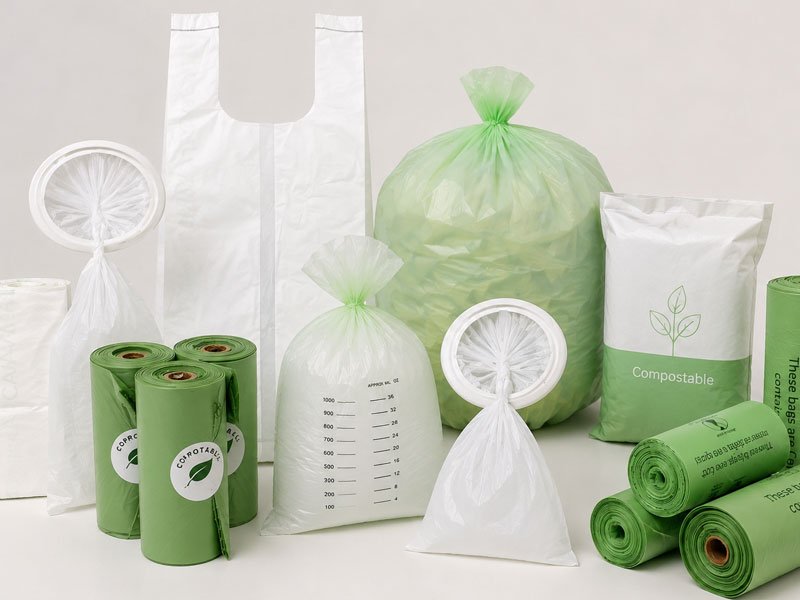
What Is Portable Hygiene Packaging?
Portable hygiene packaging refers to bags, liners and compact packaging formats developed for temporary sanitation, travel, outdoor, emergency and mobile hygiene applications.
Unlike standard household waste bags, portable hygiene products may need to work within systems where storage space, mobility, temporary waste isolation and dispensing efficiency are especially important.
Typical applications include:
- portable toilet systems
- camping sanitation
- RV and vanlife hygiene
- emergency sanitation
- marine sanitation
- travel hygiene
- temporary field-use sanitation
- hygiene disposal systems
- compact portable waste-containment systems
This page focuses on non-sterile sanitation and hygiene-disposal packaging.
ORIZON does not manufacture:
- sterile medical bags
- aseptic packaging
- cleanroom-produced bags
- sterile pharmaceutical packaging
- packaging requiring controlled sterile or cleanroom production environments
Why Portable Hygiene Systems Are Growing
Portable hygiene systems often operate under very different conditions from conventional household waste collection.
Packaging may need to balance:
- compact transport
- temporary waste containment
- sealing reliability
- moisture exposure
- odor-sensitive handling
- puncture resistance
- easy dispensing
- portable storage
- roll-size limitations
For compostable film structures, these requirements need to be considered together rather than selecting the bag based only on material type or thickness.
Hygienic Packaging Solutions for Portable Sanitation
For portable sanitation applications, hygienic packaging solutions need to support practical handling rather than sterile processing.

Common project considerations include:
- clean and convenient dispensing
- temporary waste isolation
- compact storage
- suitable closure or sealing
- transport efficiency
- compatible liner dimensions
- roll and dispenser fit
ORIZON focuses on compostable bag and liner formats for temporary sanitation and hygiene-disposal systems rather than food, sterile medical or pharmaceutical packaging.
Explore Portable Hygiene Applications
Different portable hygiene environments require different bag structures, thicknesses, roll formats and packaging systems.

Camping Sanitation Systems
Portable sanitation bags and liners can be developed for camping toilets, outdoor hygiene kits and temporary sanitation systems.
Typical purchasing considerations include:
- compact roll size
- portable storage
- liner fit
- leak-sensitive applications
- perforation
- retail packaging
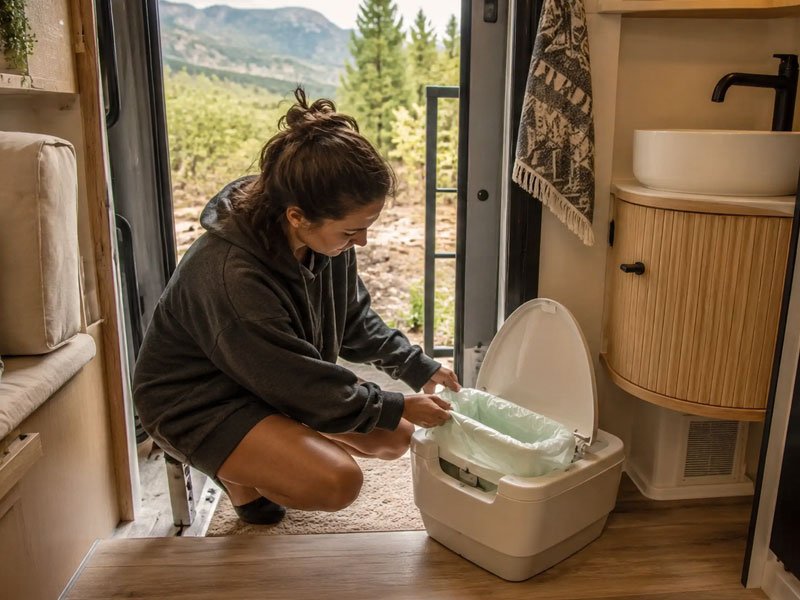
RV & Vanlife Hygiene
Mobile living environments often have limited storage space and require compact sanitation products.
Suitable projects may include:
- portable toilet liners
- compact waste bags
- small roll formats
- travel hygiene bags
- temporary waste-containment liners
Bag size, roll diameter and packaging format should be developed around the available onboard storage and sanitation system.
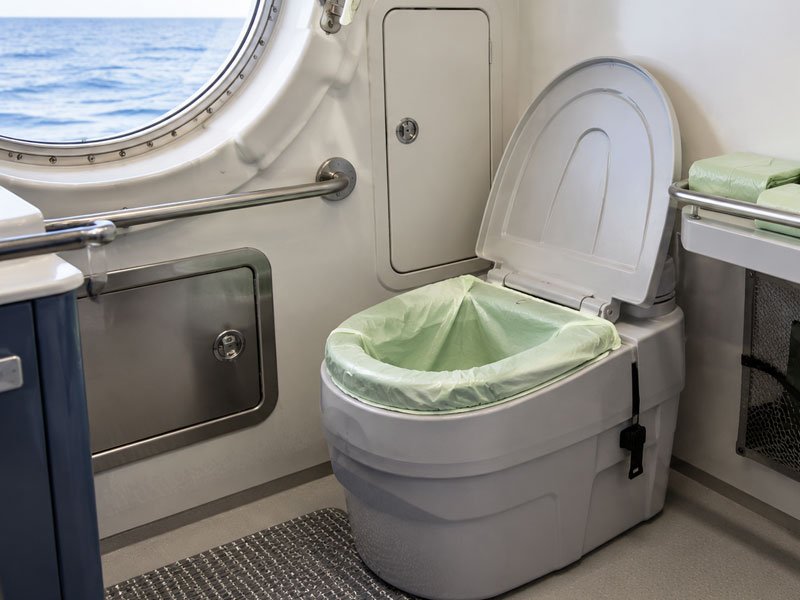
Marine Sanitation Systems
Boats and portable marine sanitation systems may require compact liners designed around temporary waste containment, wet-load handling and limited onboard storage.
Marine applications should be reviewed according to:
- toilet or container dimensions
- bag structure
- film thickness
- temporary storage requirements
- sealing performance
- permitted disposal route

Emergency & Disaster Sanitation
Emergency sanitation systems may require portable waste-containment products for temporary shelters, field operations and preparedness programs.
Typical requirements may include:
- compact transport
- bulk institutional packing
- reliable sealing
- temporary moisture handling
- easy distribution
- simple dispensing
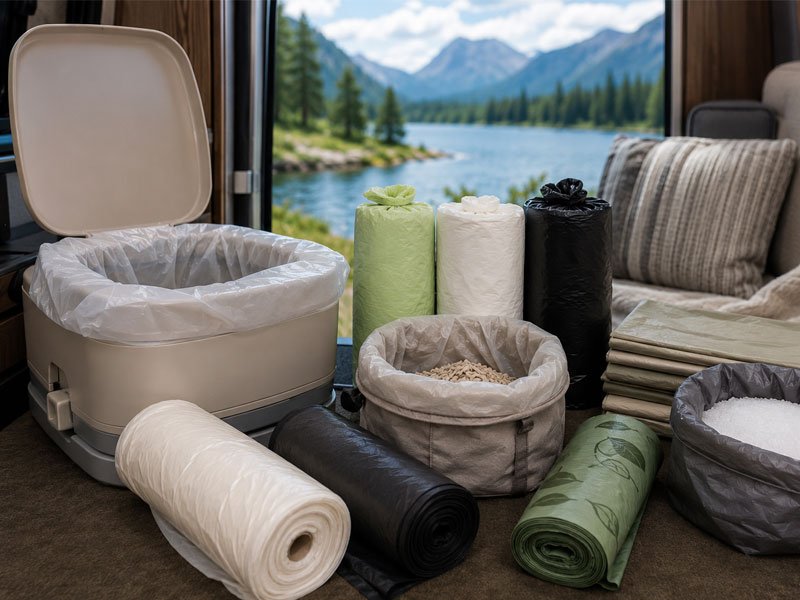
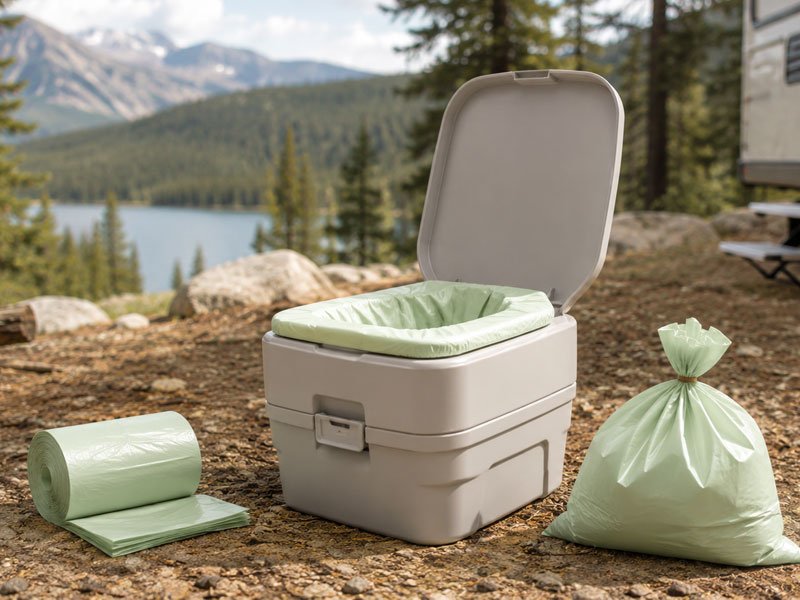
Portable Toilet Liners
Portable toilet liners can be developed for camping, RV, emergency, outdoor and temporary sanitation systems.
Key specifications may include:
- bag width and length
- liner depth
- film thickness
- bottom-seal structure
- roll or flat-pack format
- bags per roll
- dispenser compatibility
For the best fit, buyers should provide the portable toilet or container dimensions whenever possible.
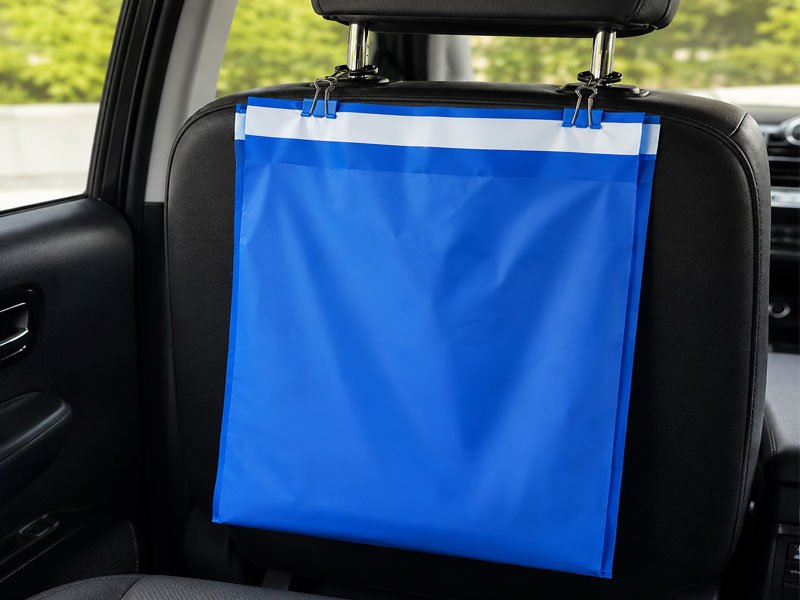
Travel & Outdoor Hygiene Bags
Travel and outdoor hygiene applications often prioritize lightweight packaging and compact storage.
These projects may include:
- travel disposal bags
- vehicle hygiene bags
- portable hygiene kits
- outdoor sanitation bags
- compact emergency-use rolls
The appropriate specification depends on the intended contents, storage duration, bag size and handling requirements.
Hygiene Disposal Applications
ORIZON can also review non-sterile hygiene-disposal projects involving:
- sanitary disposal bags
- diaper disposal bags
- odor-sensitive disposal bags
- compact hygiene bags
- temporary hygiene waste containment
These applications should be developed around the actual use environment, bag dimensions, sealing requirements and permitted disposal method.
Portable Hygiene Packaging vs Standard Waste Bags
Portable sanitation packaging is often designed differently from conventional household trash bags.
| Requirement | Portable Hygiene Packaging | Standard Household Waste Bag |
|---|---|---|
| Storage | Compact | Usually less restricted |
| Transport | Often mobile | Mostly stationary |
| Roll Size | Frequently important | Less critical |
| Sealing | Application-specific | General waste handling |
| Dispenser Fit | May be required | Often not required |
| Temporary Waste Isolation | Important in many applications | Depends on use |
| Packaging | Travel, retail or institutional | Mainly retail or bulk |
For many portable applications, the complete bag, roll and packaging system should be evaluated together.
Compostable Material Structures
Portable hygiene bags can be developed using PLA/PBAT- and starch-based compostable formulations, depending on the required product specification and application.
Material formulation can influence:
- flexibility
- sealing performance
- puncture resistance
- film feel
- processing stability
- finished-bag performance
PLA may contribute structural properties, while PBAT is commonly used to provide flexibility and processability within suitable compostable formulations.
The final material choice should be reviewed together with bag size, thickness, sealing structure and intended application.
For more information about common compostable film components, see our PLA/PBAT Compostable Materials Guide.
Film Thickness for Portable Hygiene Applications
There is no single film thickness suitable for every portable hygiene product.
The appropriate thickness depends on factors such as:
- bag dimensions
- intended contents
- moisture exposure
- expected load
- sealing structure
- storage conditions
- roll configuration
- compatibility with the intended sanitation system
For OEM projects, thickness should be selected together with the complete finished-product specification rather than treated as a standalone performance indicator.
A thicker film alone does not automatically provide better finished-product performance.
Actual thickness should be reviewed according to:
- bag dimensions
- expected contents
- moisture exposure
- load requirements
- seal structure
- storage conditions
- roll configuration
A thicker film alone does not automatically provide better finished-product performance.
Retail, Compact & Bulk Hygiene Packaging Formats
Portable hygiene projects may require different packing formats depending on the distribution channel and use environment.

ORIZON can review:
- compact perforated rolls
- core or coreless rolls
- dispenser-compatible rolls
- flat-packed liners
- travel-size packs
- retail boxes
- paper bands and labels
- operational bulk packaging
- export cartons
- multilingual packaging
- private-label packaging
For bulk hygiene packaging programs, carton size, roll dimensions, carton gross weight and pallet configuration can also be reviewed as part of the complete project.
OEM & Private-Label Portable Hygiene Packaging
ORIZON supports OEM and private-label development for:
- hygiene product companies
- sanitation-system suppliers
- packaging distributors
- outdoor brands
- camping product brands
- travel product companies
- emergency-preparedness suppliers
- institutional buyers
Customization may include:
- bag dimensions
- film thickness
- film colour
- bag structure
- sealing configuration
- printing
- bags per roll
- paper core
- perforation
- retail packaging
- bulk packaging
- carton markings
Standard customized production typically starts from approximately 500 kg per specification or design.
Actual MOQ depends on size, thickness, colour, printing, formulation and packaging configuration.
Documentation & Target-Market Review
Documentation requirements may vary according to the intended application, destination market and final product specification.
For portable hygiene and sanitation projects, buyers should provide the intended application and target market so relevant technical or compliance documentation can be reviewed.
Manufacturing capability does not automatically establish certification applicability for a particular portable hygiene product.
ORIZON’s current TÜV AUSTRIA certificates cover specified waste-bag and shopping-bag (check-out bag) product types within the applicable certificate conditions. These certificates should not automatically be interpreted as certification of portable toilet liners, sanitary disposal bags, emergency sanitation bags or other portable hygiene products.
Certification applicability should be confirmed against the applicable current certificate, product classification and final finished-product specification before certification claims or conformity marks are used.
Where environmental or certification claims are required, applicability should be reviewed against the relevant current documentation and final finished-product specification before claims or third-party marks are used.
Manufacturing & B2B Supply
Shandong Orizon Biomaterials Co., Ltd., operating under the ORIZON Biomaterials brand, has been manufacturing since 2009 and serves B2B customers across international markets.
Our manufacturing capabilities include:
- 20,000 m² total manufacturing site
- 16 production lines
- approximately 500 metric tons/month production capacity
- compostable film extrusion
- bag converting and sealing
- roll production
- custom printing
- retail and bulk packing
- OEM and private-label production
Portable hygiene projects are reviewed according to the complete product specification before production.

Why Work With ORIZON?
Portable hygiene projects often involve more than selecting a bag size.
The film, bag structure, roll, dispenser and outer packaging may all need to work together.
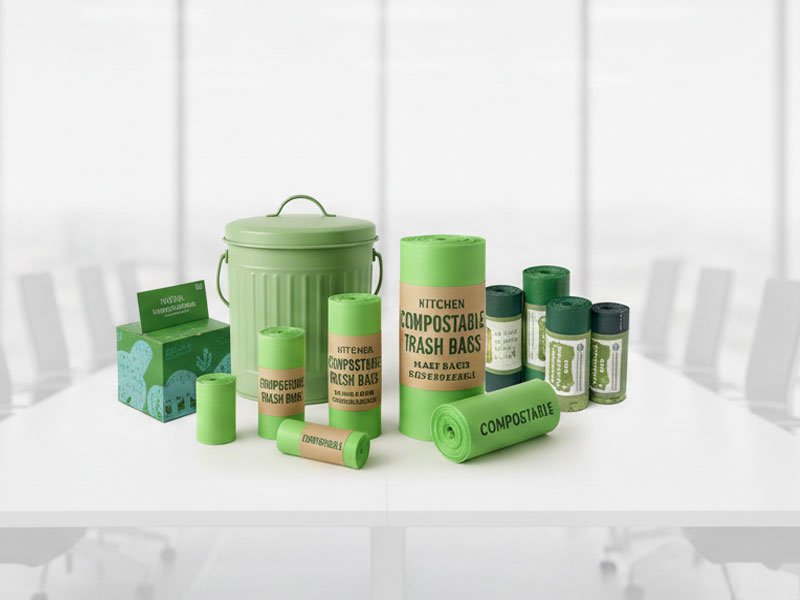
ORIZON supports B2B buyers with:
- specification review
- custom bag development
- compact roll configuration
- dispenser compatibility review
- OEM printing
- private-label packaging
- bulk export packing
- repeat-order production
Our focus is on practical, manufacturable packaging systems for non-sterile portable hygiene and sanitation applications.
FAQ
Portable hygiene packaging includes bags, liners and compact packaging formats designed for mobile, temporary and outdoor sanitation applications.
Common examples include portable toilet liners, travel hygiene bags, emergency sanitation bags and other temporary waste-containment products.
Portable sanitation systems provide temporary hygiene and waste management where permanent facilities may be unavailable or impractical.
Examples include camping toilets, RV sanitation, emergency hygiene systems and field-use sanitation setups.
Portable sanitation products may need compact storage, specific liner dimensions, dispenser compatibility, stronger sealing or application-specific roll formats.
The complete system should therefore be reviewed rather than selecting a bag only by capacity.
Leak resistance depends on the complete finished specification, including film thickness, bag dimensions, seal structure and expected load.
Where liquid or wet-load containment is important, the final bag should be evaluated according to the intended application.
Bag closure, material structure, sealing and temporary storage conditions can all influence odor containment.
A suitable bag structure can support temporary odor-sensitive waste handling, but performance depends on the complete application.
PLA/PBAT-based compostable formulations can be considered for suitable portable hygiene projects.
The final formulation should be selected according to the required flexibility, sealing performance, thickness and application.
No.
ORIZON does not manufacture sterile, aseptic or cleanroom-produced bags.
Our portable hygiene packaging is intended for non-sterile sanitation, temporary waste containment, travel, outdoor and hygiene-disposal applications.
Standard customized production typically starts from approximately 500 kg per specification or design.
The equivalent number of bags or rolls depends on bag dimensions, thickness, formulation and packing configuration.
Discuss Your Portable Hygiene Packaging Requirements
If you are developing portable sanitation, travel hygiene, outdoor, emergency or temporary waste-containment products, send us your required bag dimensions, thickness, application, roll or packing format, estimated quantity and destination market.
We can review the proposed bag structure, material formulation, production format, packaging configuration and applicable documentation requirements based on your intended application and project specification.
This inquiry is intended for B2B organizations only. Retail and personal requests are not supported.
Explore Portable Hygiene Topics
- Camping Toilet Bags for Outdoor Brands
- Portable Toilet Bags for RV & Van Life
- Marine Sanitation Systems
- Compostable Toilet Bags for Disaster Relief Programs
- Composting Toilet Systems and Compostable Liners
- Portable Toilet Waste Handling Systems Explained