Why Portable Hygiene Packaging Is Becoming a Fast-Growing Market
For many years, compostable packaging discussions were mostly centered around:
- kitchen trash bags
- food waste liners
- shopping bags
- compostable mailers
- and retail packaging
However, global demand is now expanding into a new category: portable hygiene and sanitation packaging systems.
Across international markets, buyers are increasingly exploring packaging solutions designed for portable sanitation and Portable Hygiene & Sanitation Packaging Solutions across global markets.
- portable sanitation
- travel hygiene
- emergency preparedness
- outdoor applications
- field-use environments
- odor-sensitive disposal
- compact waste containment systems
This shift is changing how compostable packaging is designed, evaluated, and used.
Beyond Traditional Trash Bags
The market is gradually moving beyond the idea of simple trash bags.
Today’s buyers are increasingly looking for packaging systems that combine:
- portability
- controlled disposal
- sealing reliability
- compact storage
- field-use practicality
- sustainability compliance
- and OEM flexibility
This is especially visible in niche markets such as:
- portable toilet systems
- travel hygiene kits
- outdoor sanitation products
- emergency waste containment
- diaper disposal systems
- hygiene-related disposal packaging
In many cases, the packaging itself becomes part of the operational system.
Common Portable Hygiene Packaging Applications
Portable Toilet Liners
Portable toilet liners are increasingly used in:
- RV sanitation systems
- camping equipment
- emergency preparedness kits
- outdoor hygiene systems
- temporary sanitation environments
- field operations
These applications often require:
- leak resistance
- puncture resistance
- compact roll systems
- stable sealing structures
- easy transport and storage
Many brands are now developing compostable portable toilet liners for RV, camping, and temporary sanitation applications.
Travel & Outdoor Hygiene Packaging
Portable hygiene systems are becoming more important in:
- outdoor activities
- camping
- travel sanitation
- vehicle emergency kits
- compact hygiene systems
- portable disposal applications
For these applications, packaging is expected to be:
- lightweight
- compact
- practical
- easy to carry
- easy to dispense
- easy to dispose of
Travel and outdoor markets are increasingly using compostable hygiene bags designed for compact and portable disposal systems.
Emergency Sanitation Systems
Emergency and temporary sanitation systems are becoming increasingly important across:
- disaster preparedness
- humanitarian programs
- outdoor field operations
- temporary sanitation projects
- survival hygiene systems
These applications often require:
- stronger film structures
- operational bulk packaging
- moisture management
- compact storage systems
- odor-sensitive disposal handling
Emergency preparedness programs are increasingly adopting emergency sanitation bags for temporary waste containment systems.
Material Challenges in Compostable Hygiene Packaging
Portable hygiene packaging requires a different performance balance compared with traditional trash bags.
In many cases, compostable structures must balance:
- flexibility
- sealing reliability
- odor control
- compact portability
- storage stability
- practical disposal performance
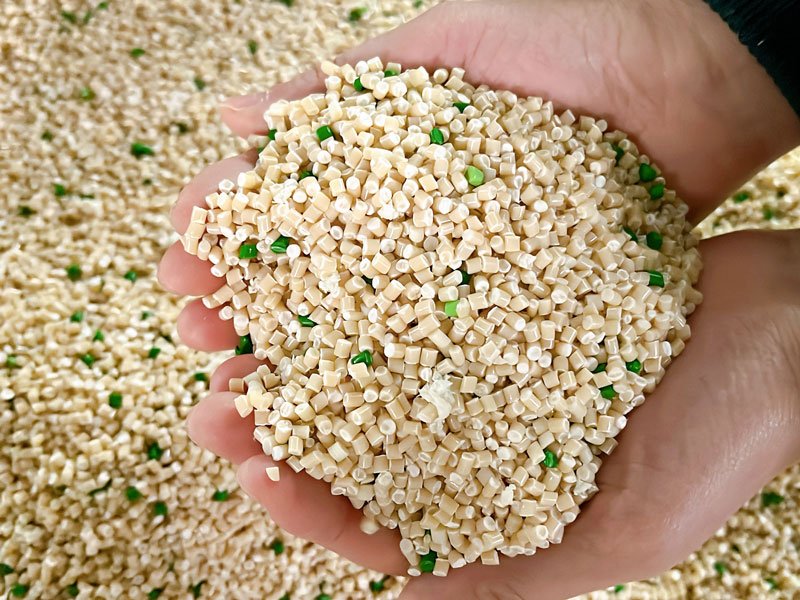
Most certified compostable hygiene packaging structures are commonly based on:
- PLA
- PBAT
- starch-based compostable formulations
Because compostable materials naturally behave differently from conventional PE plastics, material selection becomes especially important for:
- moisture exposure
- short-cycle sanitation use
- storage duration
- transport conditions
- operational handling
Modern PLA PBAT compostable bags are commonly optimized for short-cycle hygiene applications requiring sealing reliability and controlled disposal.
Many portable sanitation applications also require leak resistant compostable bags capable of handling moisture-sensitive disposal scenarios.
Odor Control & Controlled Disposal
Many hygiene-related applications involve odor-sensitive waste.
This includes:
- diaper disposal
- sanitary disposal
- pet waste
- temporary sanitation waste
- field-use containment systems
As a result, odor-control performance is becoming increasingly important in compostable hygiene packaging development.
Key design considerations may include:
- film thickness
- sealing structure
- packaging format
- roll configuration
- dispensing system
- disposal cycle
Brands developing odor-sensitive disposal systems are increasingly evaluating odor-control compostable waste bags for hygiene-related applications.
Compact Roll Systems Are Becoming More Popular
One major trend in portable hygiene packaging is the increasing demand for compact roll-format systems.
These formats are widely used because they improve:
- portability
- storage efficiency
- travel convenience
- dispensing speed
- retail packaging compatibility
Compact roll systems are now commonly used in:
- dog waste bags
- travel hygiene kits
- portable toilet liners
- emergency sanitation kits
- hygiene disposal systems
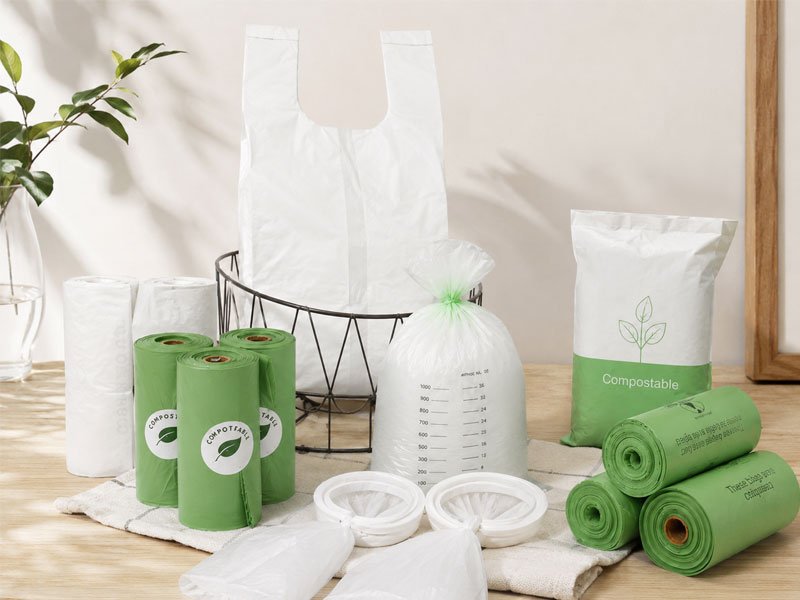
The market is seeing increasing demand for compact roll compostable bags that improve portability and dispensing efficiency.
OEM & Private Label Opportunities
As the market grows, more brands and distributors are looking for OEM compostable hygiene packaging partners.
Common OEM requirements include:
- custom bag sizes
- compact roll formats
- retail-ready packaging
- multilingual packaging
- private-label branding
- custom printing
- dispenser-compatible systems
- operational bulk packaging
Many buyers are no longer searching for only “bags.”
Instead, they are looking for:
application-oriented hygiene packaging systems.
Many distributors are now looking for OEM compostable packaging partners capable of supporting niche hygiene applications.
Retail-oriented hygiene brands also require advanced custom printing capabilities and private-label flexibility.
Certifications & Compliance Still Matter
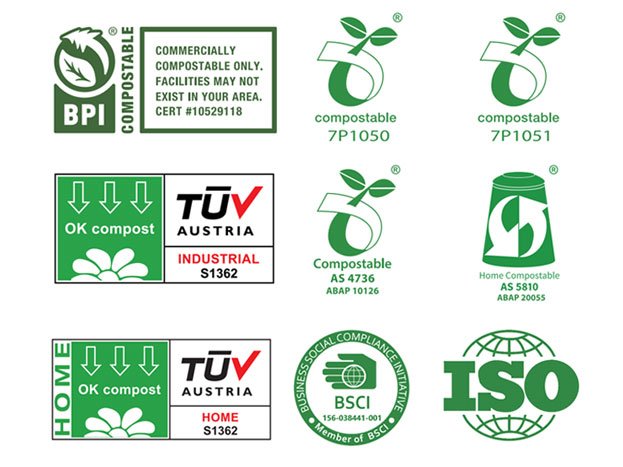
As compostable hygiene packaging expands globally, compliance remains a major purchasing consideration.
Important certifications may include:
- EN 13432
- BPI ASTM D6400
- AS4736
- AS5810
- OK Compost INDUSTRIAL
- OK Compost HOME
Different markets may also have different waste-system compatibility requirements.
Buyers increasingly request EN 13432 certification and BPI certification when sourcing compostable hygiene packaging internationally.
The Future of Portable Hygiene Packaging
The future of compostable packaging is moving far beyond traditional garbage bags.
The industry is increasingly evolving toward:
- portable sanitation systems
- compact hygiene packaging
- emergency disposal solutions
- travel-oriented sanitation products
- operational containment systems
- application-specific compostable packaging
For manufacturers, brands, and distributors, this creates new opportunities for:
- OEM product development
- specialized packaging systems
- sustainability-focused hygiene products
- niche application markets
- and private-label innovation
As global hygiene and sustainability requirements continue evolving, portable hygiene packaging is expected to become one of the fastest-growing functional compostable packaging categories.
Related Resources
- Compostable Portable Toilet Liners: OEM Guide
- Compostable Hygiene Bags for Travel & Outdoor Use
- Odor-Control Compostable Waste Bags Explained
- PLA + PBAT Compostable Structures for Hygiene Applications
- Emergency Sanitation Packaging for Field Use
- OEM Compostable Packaging for Hygiene Brands
Discuss Your OEM Project
If your company is exploring portable hygiene, sanitation, or controlled-disposal packaging systems, ORIZON can support:
- OEM compostable packaging
- compact roll systems
- custom printing
- private-label packaging
- portable hygiene structures
- retail packaging systems
- operational bulk packaging
Contact our team to discuss your portable hygiene packaging project.