BPI Certified Compostable Bags for North America
BPI certified compostable bags for distributors, importers, food-waste programs and private-label B2B projects.
Wholesale and OEM supply with custom sizes, thicknesses, printing, roll formats and packaging within applicable BPI certification requirements.
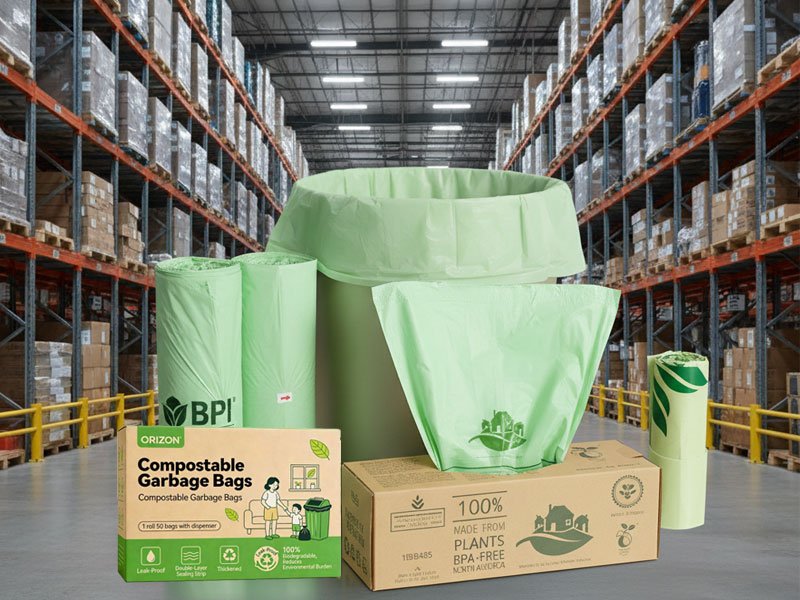
What BPI Certification Means for Compostable Bags
BPI provides third-party certification for compostable products intended for defined composting environments.
For B2B buyers, the important point is that certification applies to specific products and approved configurations—not simply to a raw material or an entire brand.
Depending on the certified product, the approved scope may include factors such as:
- product type
- material formulation
- thickness
- color
- printing
- product construction
- SKU or item number
BPI evaluates eligible products against applicable ASTM compostability standards, including ASTM D6400 or ASTM D6868 depending on the product construction.
Certification also does not automatically mean that every commercial composting facility will accept the product. Local programs and facilities may have their own accepted-product requirements.
For detailed information about the certification itself, see our BPI certification guide.
Verify BPI Certification Before You Buy
One of the most important steps in B2B sourcing is verifying that the exact product being purchased is actually covered by BPI certification.
BPI maintains an official Online Product Catalog where buyers can search by:
- company
- product name
- brand
- SKU
- item number
The database allows buyers to independently confirm whether a finished product is currently listed as BPI certified.
When evaluating a supplier, check:
- certificate holder
- exact product or SKU
- applicable certification
- product configuration
- current listing status
Do not rely only on a BPI logo displayed on a website, sample or packaging.
For qualified projects, ORIZON can provide relevant certification information so buyers can compare the proposed finished bag with the applicable certified scope.
BPI Certified Compostable Bag Options
BPI-certified bag projects should be developed around the exact certified product configuration.
Common B2B applications may include the following.
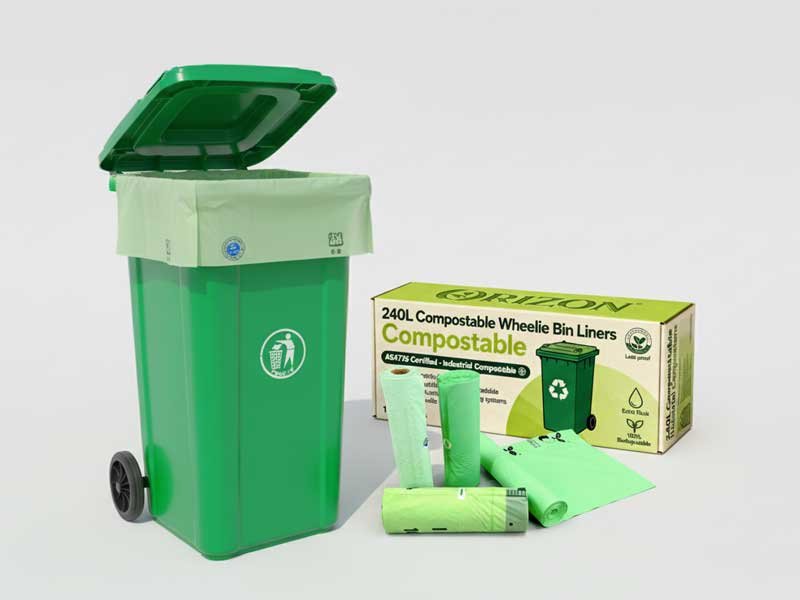
BPI-certified compostable bin liners can be used in commercial food-waste and organics collection programs where the receiving program accepts certified compostable liners.
Projects may vary by:
- bin size
- bag width and length
- thickness
- bags per roll
- core or coreless format
- color
- printing
- carton configuration
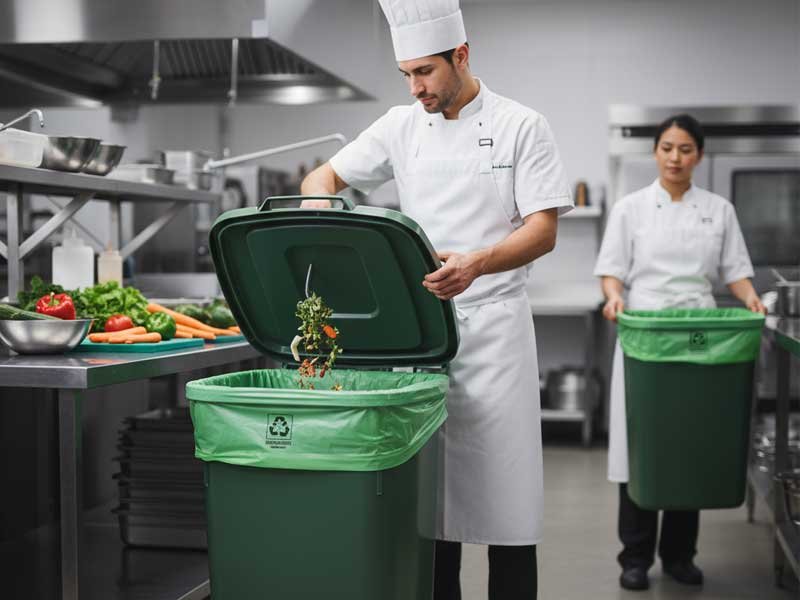
Food-waste liners can be developed for applications such as:
- restaurants
- hotels
- commercial kitchens
- supermarkets
- food-service operators
- institutional kitchens
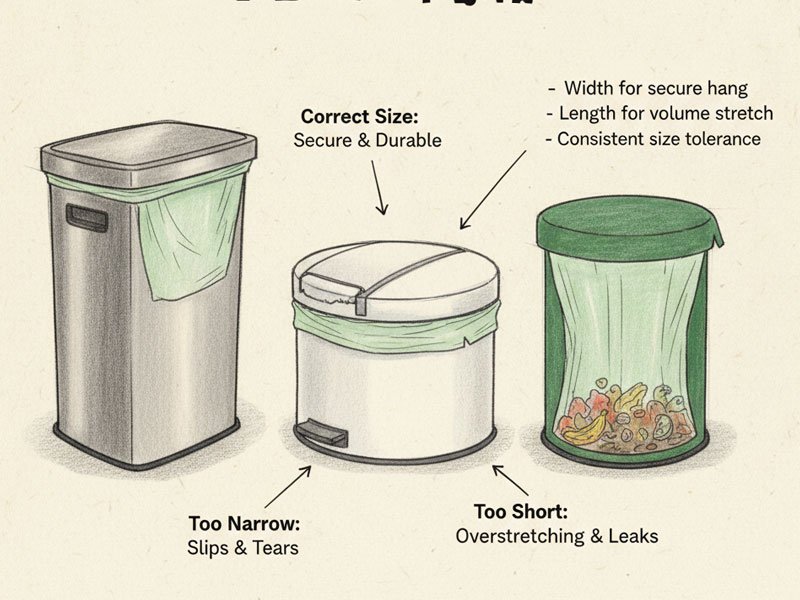
Bag dimensions, thickness and packing format should be selected according to the actual waste stream and operating environment.
BPI certification verifies compostability within the applicable scope; it should not be treated as a mechanical-strength rating.
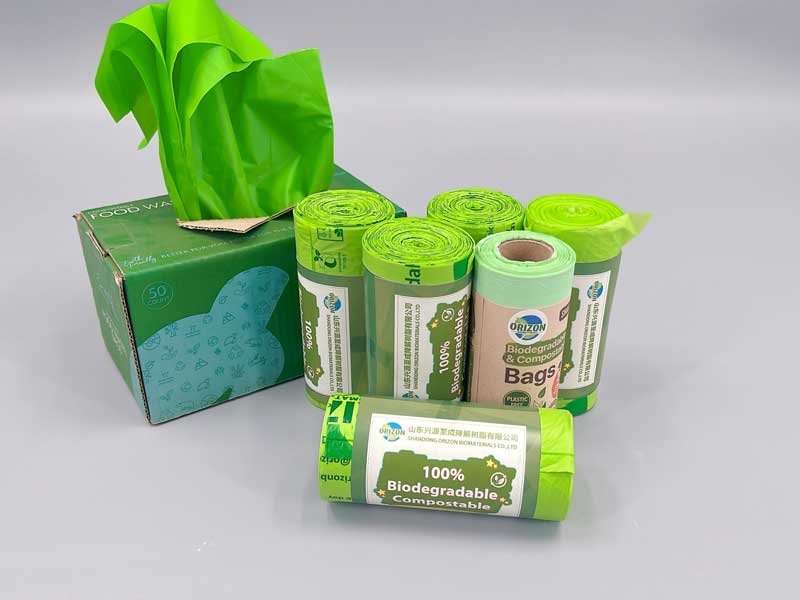
Compact roll formats can be supplied for shared waste rooms, apartment buildings, facilities and commercial organics programs.
Custom specifications may include:
- liner capacity
- film thickness
- roll count
- carton quantity
- program branding
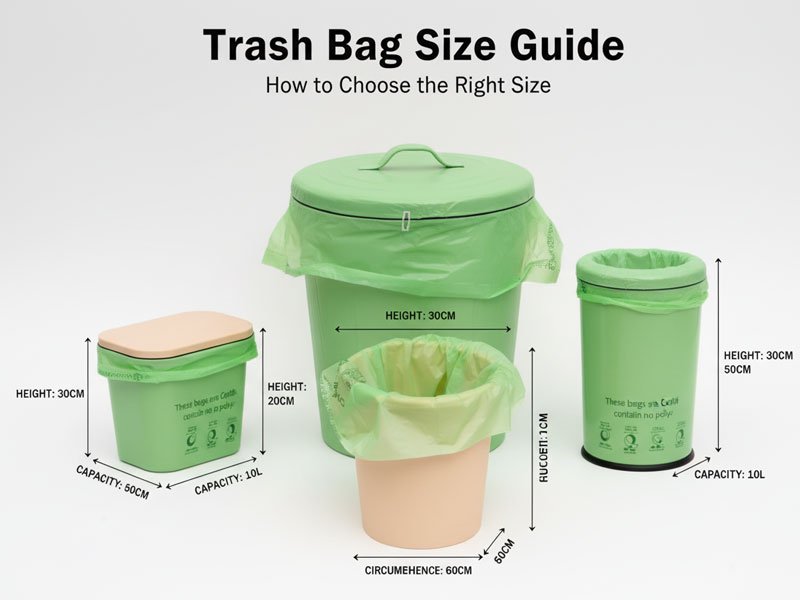
If a buyer requires a new size, thickness, color or printed design, the proposed configuration should be reviewed against the existing BPI-certified scope before sampling or mass production.
A manufacturer’s ability to make a bag does not automatically mean every customized version is already BPI certified.
Who Buys BPI Certified Compostable Bags?
BPI-certified compostable bags are mainly relevant to organizations purchasing for commercial organics collection, distribution or branded product programs.
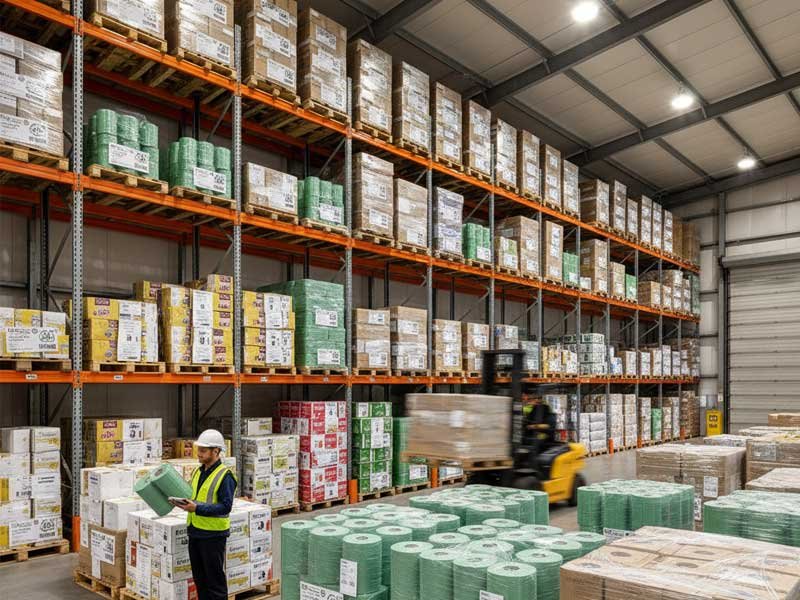
Importers & Distributors
- Bulk wholesale supply
- Multi-SKU programs
- Container loading
- Private-label BPI certified liners
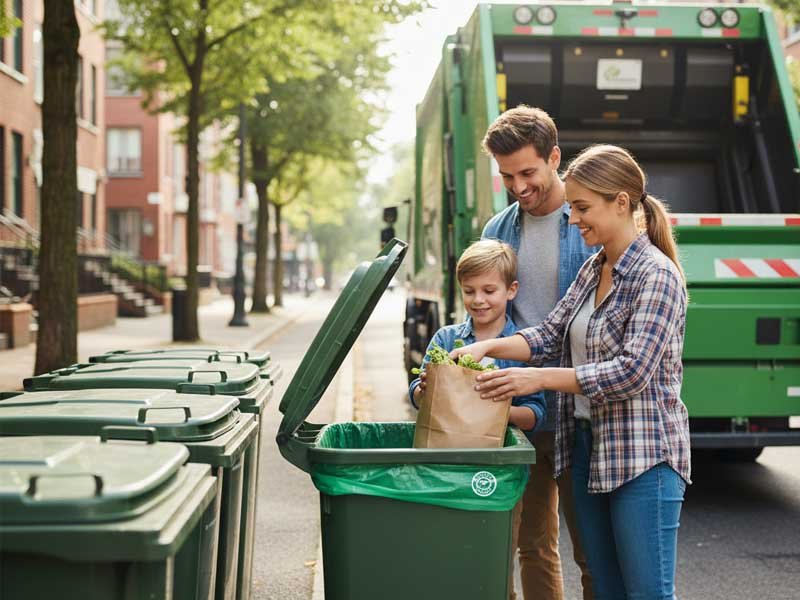
Municipal Programs & Councils
- Green-bin liners
- Organics diversion programs
- Tender-ready documentation
- Community distribution kits

Restaurants, Hotels & Commercial Kitchens
- Heavy-duty bags for wet food waste
- Daily organics disposal
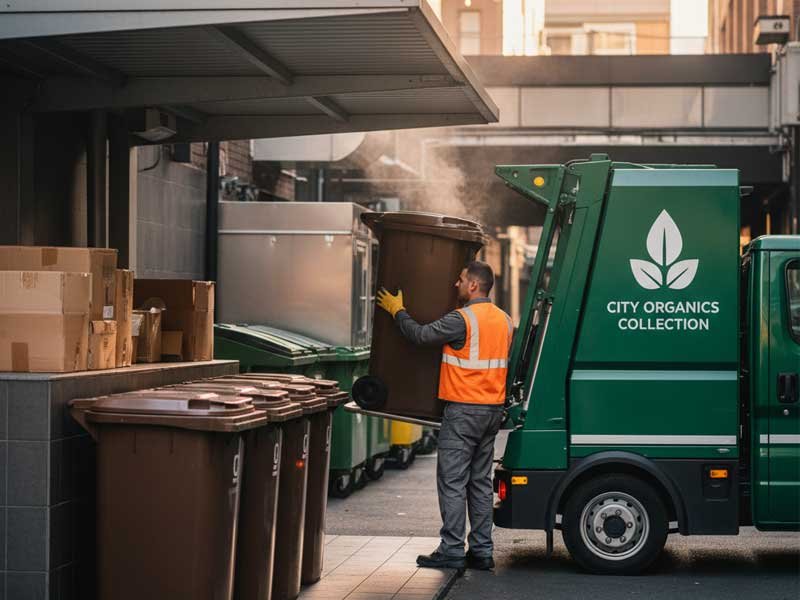
Waste Management Contractors
- High-strength liners for food waste & organics
- Commercial premises & collection systems

Supermarkets & Fresh Food Retailers
- Back-of-house organic waste management
- Produce & prep area organics collection

Property & Facility Management (MUDs)
- Space-efficient liners for shared waste rooms
For larger programs, the bag specification and certification requirements should be confirmed before production so repeat orders remain consistent.
BPI Certified vs Generic Biodegradable Bags
“Biodegradable” and “BPI certified compostable” are not equivalent claims.
| BPI Certified Product | Generic “Biodegradable” Claim | |
| Third-party verification | Yes | Not necessarily |
| Defined compostability requirements | Yes | Often unclear |
| Official product listing | Yes | Usually not available |
| Exact SKU verification | Available through BPI | Not necessarily |
| Commercial compostability | Verified within certified scope | Cannot be assumed |
| Facility acceptance | Depends on local program | Cannot be assumed |
A biodegradable claim alone does not demonstrate that a bag meets BPI certification requirements.
For commercial organics programs, buyers should verify both the product certification and the acceptance rules of the receiving composting facility.
Develop a Custom BPI-Certified Bag Without Starting From Zero
For most B2B projects, the first step is not artwork. It is identifying a BPI-certified product that is close to your required specification.
Tell us your target bag type, size, thickness, color, roll count and end use. We can first compare the project with the applicable certified product before developing the final specification.
Typical customization includes:
- bag dimensions and thickness
- color
- bags per roll
- core or coreless format
- printing
- retail or bulk packaging
If the requested configuration falls outside the existing certified scope, we will identify that before mass production rather than after the artwork and packaging have already been completed.
This helps reduce unnecessary redevelopment, certification risk and delays.
Put Your Own Brand on a BPI-Certified Product
Private-label BPI projects involve more than printing a logo on an existing bag.
If your company will sell the finished product under its own brand and use the BPI Certification Mark, a BPI sublicense may be required. The sublicense links your branded product and SKU to the original BPI-certified product manufactured by the license holder.
For private-label projects, we can coordinate the manufacturing side of the process, including:
- matching your product to an eligible certified item
- confirming the final bag specification
- preparing supplier product and SKU information
- reviewing printed artwork before production
- supporting the information needed for the sublicense process
Any changes made after approval should be reviewed before production to avoid creating a product that no longer matches the certified configuration.
What to Check Before Placing a Purchase Order
Before approving a bulk BPI-certified bag order, procurement teams should confirm that the certification, product specification and commercial order all refer to the same finished product.
We recommend checking five points:
- The supplier or manufacturer can be found in BPI’s official product catalog.
- The quoted product matches the relevant certified item or SKU.
- The agreed size, thickness, color and printing are covered by the approved project specification.
- Private-label BPI Mark usage has been addressed before artwork approval.
- The final packing, carton quantity and repeat-order specification are documented before production.
For qualified orders, we can provide the applicable product specification, certification information, artwork confirmation and production details needed for supplier review or procurement records.
From First Order to Repeat BPI Supply
Most B2B buyers do not want to change suppliers after a product, certification and packaging system have already been approved.
Our production process is therefore built around repeatable specifications rather than one-time custom orders.
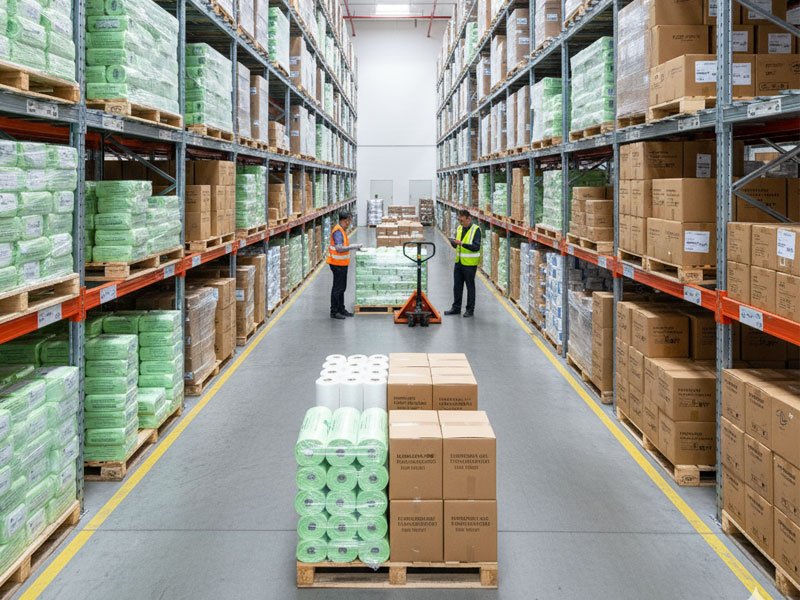
Standard production MOQ is typically around 500 kg per size or design. Before bulk production, samples can be used to confirm the bag dimensions, thickness, roll format, printing and packaging.
For repeat orders, the approved specification can be used as the production reference for:
- bag size and thickness
- color and printing
- roll count and core specification
- retail packaging
- carton configuration
- pallet and shipment planning
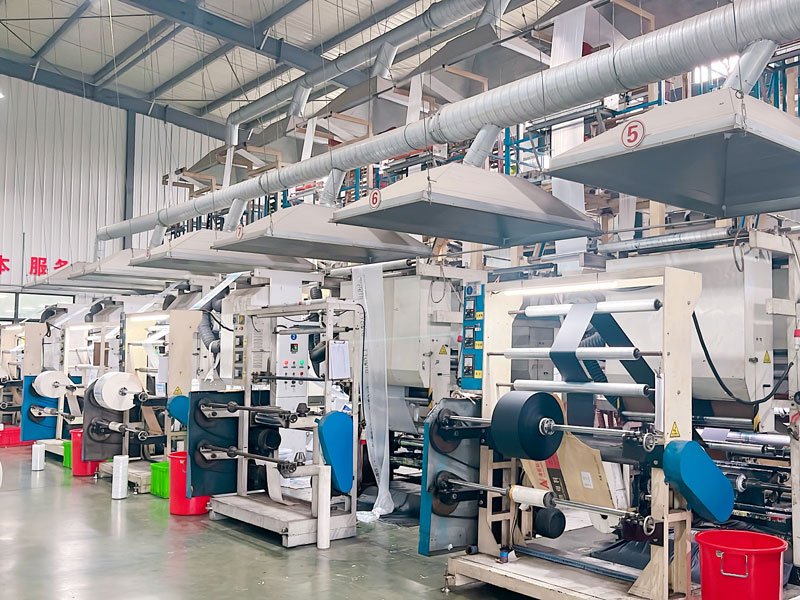
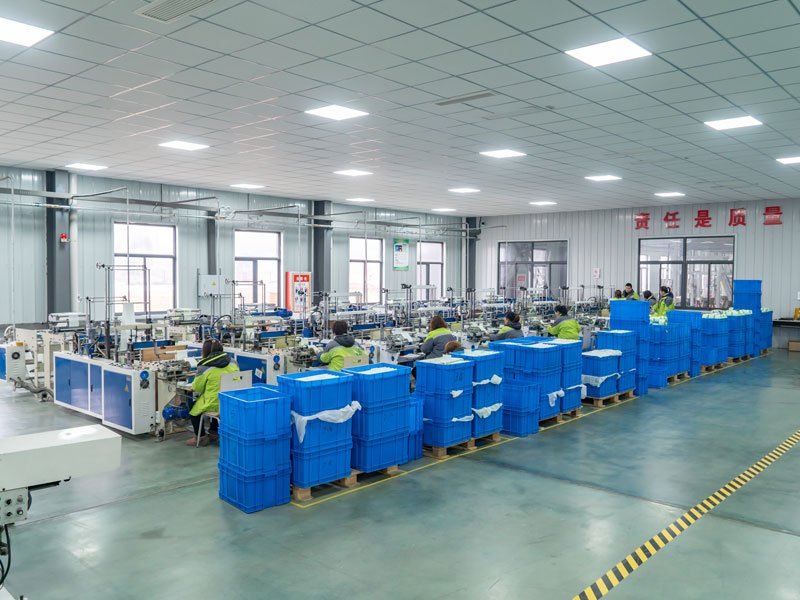
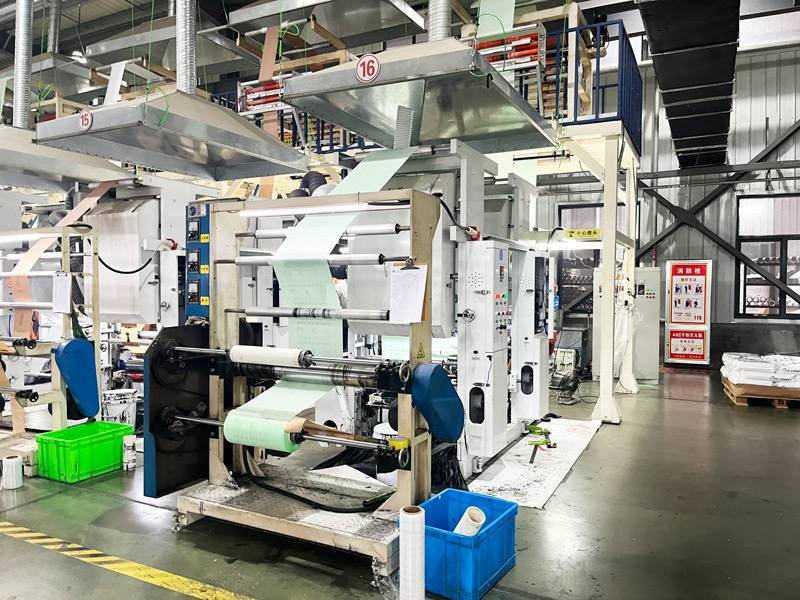
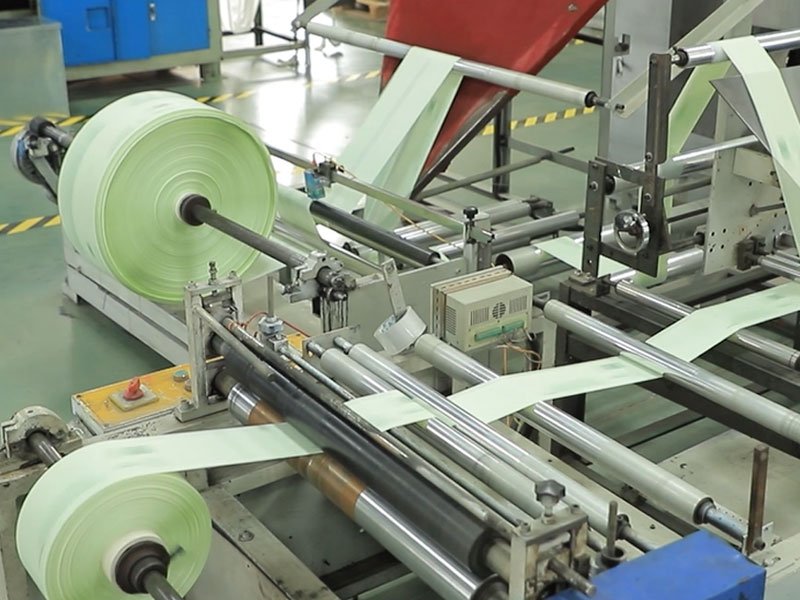
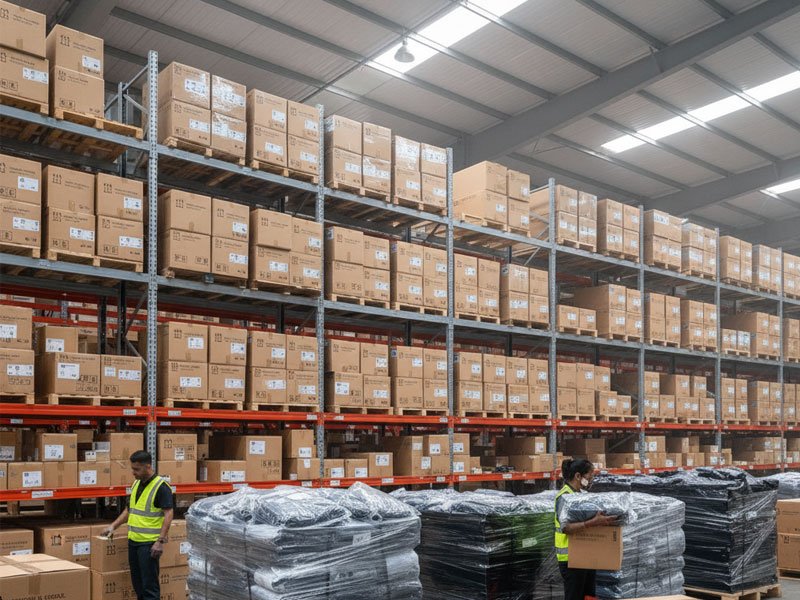
ORIZON operates a 20,000 m² manufacturing facility with 16 automated production lines and approximately 500 tons of monthly capacity, supporting both initial B2B projects and recurring volume programs.
For buyers planning annual or multi-SKU supply, send us your expected volume and delivery schedule so production and packaging can be reviewed before quotation.
FAQ
Check the supplier and exact product in BPI’s official Online Product Catalog. Buyers can search by company, product name, brand, SKU or item number.
Do not rely only on a BPI logo or a certificate PDF supplied by the manufacturer. The product being quoted should match the applicable BPI listing and certified specification.
No. BPI certification verifies compostability within the applicable certification scope, but individual municipalities, waste programs and composting facilities decide which products they accept.
Before placing a large order, confirm the requirements of the facility or organics program that will receive the bags.
No. BPI-certified products are certified for commercial compostability, while only products specifically identified as Home Certified also carry BPI home-compostability certification.
If home composting is required, verify the exact product in BPI’s catalog rather than assuming that all BPI bags are suitable for backyard composting.
Not automatically.
Private-label buyers may need a BPI sublicense before using the BPI Certification Mark on their own branded products and packaging.
The sublicense links the original BPI license holder’s certified product and SKU with the private-label customer’s branded SKU.
Customization may be possible, but the new specification must remain within the applicable BPI-certified scope.
Changes to thickness, product structure, color, formulation or printing should be reviewed before sampling and mass production. A manufacturer’s ability to make a custom bag does not automatically mean the customized version remains BPI certified.
At minimum, buyers should verify the BPI certificate, official BPI product or SKU listing, finished-product specification and current certification status.
For custom or private-label projects, additional documents may include artwork approval, certification-scope information and BPI sublicense documentation where applicable.
Discuss Your BPI Certified Bag Project
Send us your bag type, size, thickness, quantity, packaging and BPI certification requirements.
We can review the proposed specification and certification scope before sampling or quotation.
Wholesale, OEM and private-label B2B supply are available for qualified projects.