Public Dog Waste Management Programs for Councils & Municipalities
Public dog waste management programs help councils, municipalities, and public authorities maintain cleaner parks, trails, streetscapes, and shared public environments.
Many councils and municipalities use structured dog waste programs to organize bag access, disposal points, station servicing and repeat refill supply across public spaces.
This page focuses on public-sector pet waste management systems rather than residential community programs or retail pet waste products.
Who This Solution Is For
Public dog waste management programs are commonly implemented by:
- Municipal councils
- Local authorities
- Parks and recreation departments
- Public works agencies
- Environmental services teams
- Community infrastructure operators
- Waste management authorities
These organizations may require standardized dog waste stations, compatible refill bags and repeat supply across multiple public locations.
Why Public Dog Waste Management Matters
Dog waste in public spaces can create operational and maintenance challenges for councils and public-space managers.
Common issues may include:
- uncollected waste in parks and shared areas;
- public complaints;
- increased cleaning workload;
- empty bag dispensers;
- inconsistent station servicing;
- litter around disposal points; and
- difficulty maintaining refill stock.
A structured program can help councils organize station placement, refill supply, servicing responsibilities and repeat purchasing more consistently.
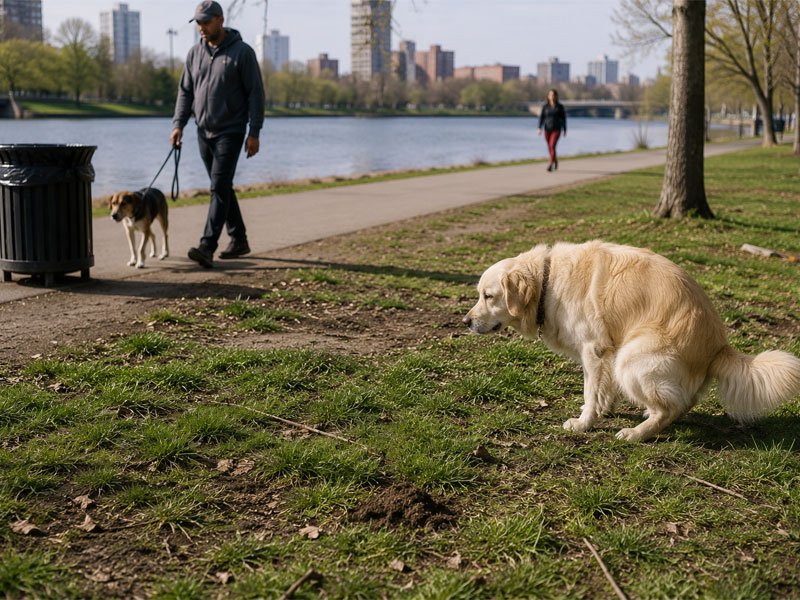
Public Spaces Commonly Included in Dog Waste Programs
Municipal pet waste systems are often implemented across a variety of public environments.
Public Parks
Community parks and recreational areas often experience high levels of pet activity and require clearly defined waste disposal systems.
Dog Parks
Dedicated off-leash facilities typically require convenient access to dog waste stations and routine servicing.
Walking Trails & Greenways
Shared-use pathways benefit from strategically placed disposal stations that encourage responsible pet ownership.
Streetscapes & Urban Public Areas
Municipal streets and pedestrian corridors often incorporate dog waste stations as part of broader public cleanliness initiatives.
Waterfront Areas
Public spaces located near waterways may prioritize dog waste management to help reduce environmental contamination risks.
Community Open Spaces
Shared municipal land and recreational reserves frequently incorporate dog waste collection infrastructure to support public use.
Public Dog Waste Management in Parks and Recreational Areas
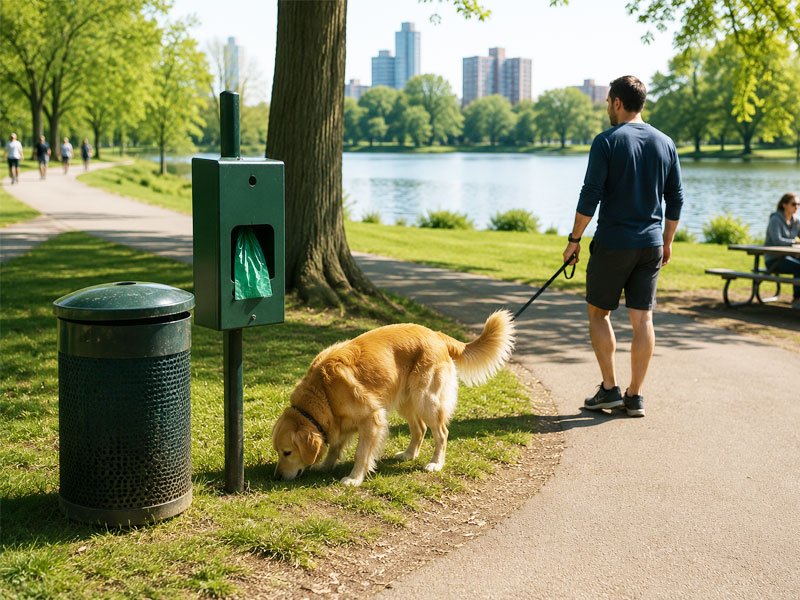
Public parks are among the most common environments for municipal pet waste programs.
Effective park-based systems help:
- Improve visitor experience
- Reduce dog waste accumulation
- Support responsible pet ownership
- Protect landscaping and public amenities
- Improve environmental outcomes
Many municipalities deploy networks of dog waste stations throughout parks, trails, and recreational corridors to improve participation and simplify maintenance operations.
Core Components of a Public Dog Waste Management Program
Successful municipal programs typically include several integrated components.
1. Site Assessment
Identify high-traffic pet activity areas, walking routes, dog parks, and recreational corridors.
2. Strategic Station Placement
Install dog waste stations where they are visible, accessible, and convenient for public use.
3. Standardized Bag Systems
Provide dispenser-compatible bag formats that support efficient servicing and maintenance.
Some municipal programs evaluate compostable dog waste station bags where the product specification, local disposal route and applicable procurement requirements support their use.
4. Routine Servicing & Refilling
Establish maintenance schedules for bag replenishment, waste collection, and station inspection.
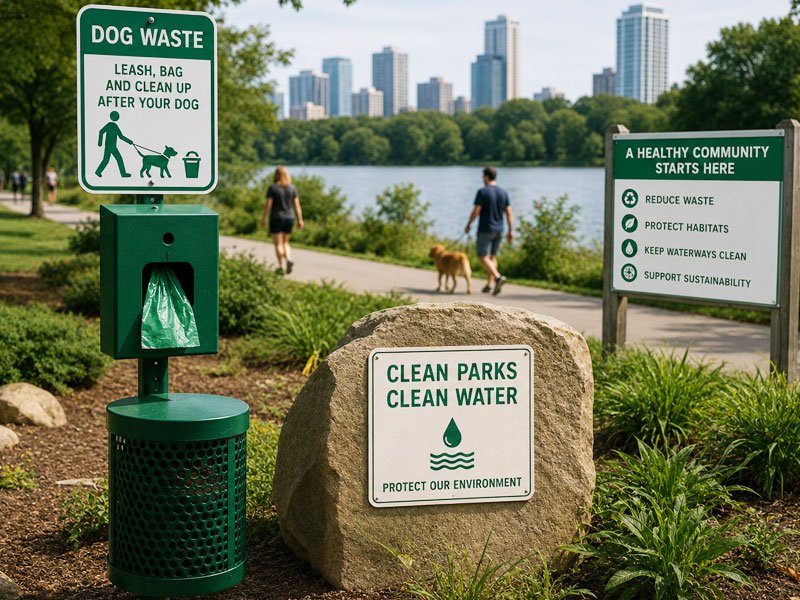
5. Public Education & Signage
Clear signage encourages responsible disposal behavior and improves program participation.
Public Dog Waste Stations
Dog Waste Station Bags are a common part of municipal pet-waste programs.
A standardized station network can help councils:
- provide convenient access to waste bags;
- organize disposal points;
- simplify refill planning;
- standardize compatible bag formats; and
- coordinate routine servicing across multiple locations.
Municipal programs commonly use dispenser-compatible refill bags selected according to the installed station or dispenser specification.
Compostable Bags & Certification Considerations
Some councils and public authorities evaluate compostable dog waste bags for selected procurement programs.
Compostability should be reviewed at the finished-product level rather than inferred from the raw material or product use alone.
Relevant technical standards may include:
- ASTM D6400
- EN 13432
- AS 4736
- AS 5810
Third-party certification programs or conformity marks may include those administered by:
- BPI
- TÜV AUSTRIA
- ABA
- DIN CERTCO
Certification applicability depends on the applicable current certificate or product listing and the final finished-product specification.
Compostability certification also does not automatically mean that bagged dog waste is accepted by a local organics or composting program.
Councils should separately confirm:
- the finished-bag certification scope;
- local pet-waste disposal rules;
- receiving-facility acceptance;
- certification-mark requirements; and
- wording used on bags, cartons or public signage.
Operational & Environmental Considerations
OEM and private label solutions depend on manufacturing reliability. Transparency, quality control, and production planning are essential.
Public dog waste programs may form part of wider municipal maintenance or environmental initiatives.
Relevant considerations can include:
- reducing reliance on conventional plastic where appropriate;
- organizing consistent refill supply;
- maintaining cleaner public spaces;
- coordinating collection and disposal routes; and
- aligning product selection with local waste-management requirements.
Product selection should reflect the actual disposal system and local program requirements rather than environmental claims alone.
Program Benefits for Councils & Municipalities
A structured public dog waste management program can help:
✓ Improve public hygiene
✓ Reduce environmental contamination
✓ Support responsible pet ownership
✓ Improve park cleanliness
✓ Reduce maintenance costs
✓ Increase community participation
✓ Enhance visitor experience
✓ Support sustainability objectives
✓ Protect public infrastructure
✓ Improve public perception of community spaces
Related Solutions
👉 Public Dog Waste Station Solutions
FAQ
A public dog waste management program is a structured system used by councils and public authorities to manage pet waste in parks, trails, streetscapes, and other shared public environments.
Dog waste stations encourage responsible disposal behavior, improve cleanliness, and help reduce environmental contamination in public spaces.
They may be considered for selected municipal programs, depending on the finished-bag specification, local disposal route, procurement requirements and receiving-facility rules.
Compostability certification does not automatically mean that bagged dog waste is accepted by a local organics or composting program.
Servicing frequency depends on visitor traffic, pet activity levels, seasonal demand, and local maintenance schedules.
Councils should review the applicable finished-product certification or product listing, the relevant compostability standard, certification-mark authorization and any local waste-program requirements.
Standards such as ASTM D6400, EN 13432, AS 4736 and AS 5810 should not be treated as the same thing as certification programs such as BPI, TÜV AUSTRIA, ABA or DIN CERTCO.
Dog waste stations are commonly installed in parks, dog parks, walking trails, recreational corridors, waterfront areas, and other shared public spaces.
Need Dog Waste Station Bags for a Public Program?
ORIZON supplies dispenser-compatible dog waste refill bags for councils, municipalities, parks departments and public-space programs.
Send us your dispenser type, bag size, refill format, quantity and destination.
We’ll review the specification and prepare a B2B quotation.
This inquiry is intended for B2B organizations only. Retail and personal requests are not supported.