Animal Shelter Waste Management Solutions
Animal shelter waste management solutions help shelters, rescue organizations, and animal care facilities maintain sanitary environments while supporting daily operations, animal welfare objectives, and long-term facility sustainability.
Animal care facilities often manage large volumes of pet waste, cleaning activities, and sanitation requirements every day. Without structured waste management procedures, facilities may face increased labor demands, odor issues, hygiene concerns, and operational inefficiencies.
This page focuses on system-level waste management planning for animal shelters, rescue organizations, and animal welfare programs rather than retail pet waste products.
Who This Solution Is For
Animal shelter waste management programs are commonly implemented by:
- Animal shelters
- Dog rescue organizations
- Humane societies
- Adoption centers
- Foster network coordinators
- Animal welfare NGOs
- Kennel operators
- Animal care facilities
These organizations often require reliable sanitation systems that support animal health, staff efficiency, and daily facility operations.
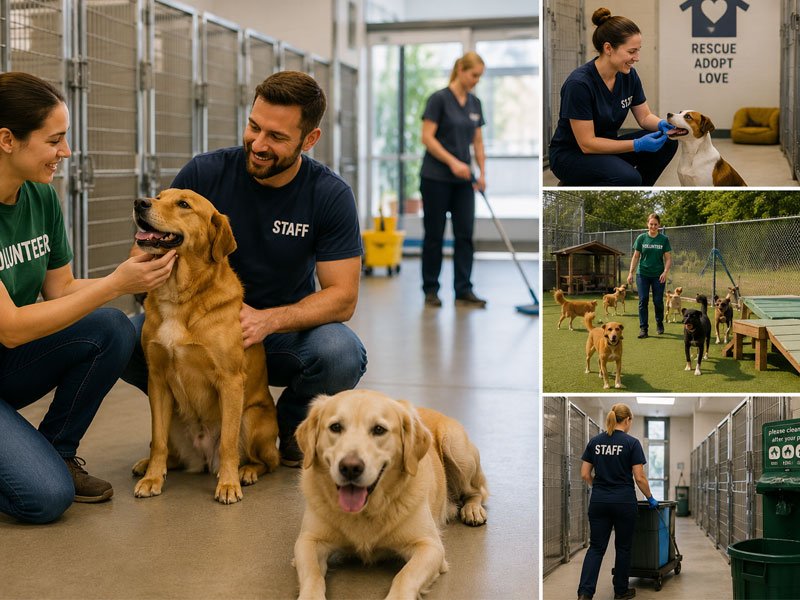
Why Waste Management Matters in Animal Care Facilities
Animal shelters operate in environments where sanitation directly impacts animal welfare and operational effectiveness.
Poor waste management can contribute to:
- Increased odor issues
- Cross-contamination risks
- Disease transmission concerns
- Higher cleaning costs
- Staff workload challenges
- Reduced facility efficiency
A structured waste management system helps create healthier environments for both animals and caregivers while improving operational consistency.
Common Waste Management Challenges in Animal Shelters
Animal shelters often manage higher waste volumes than typical residential or public environments.
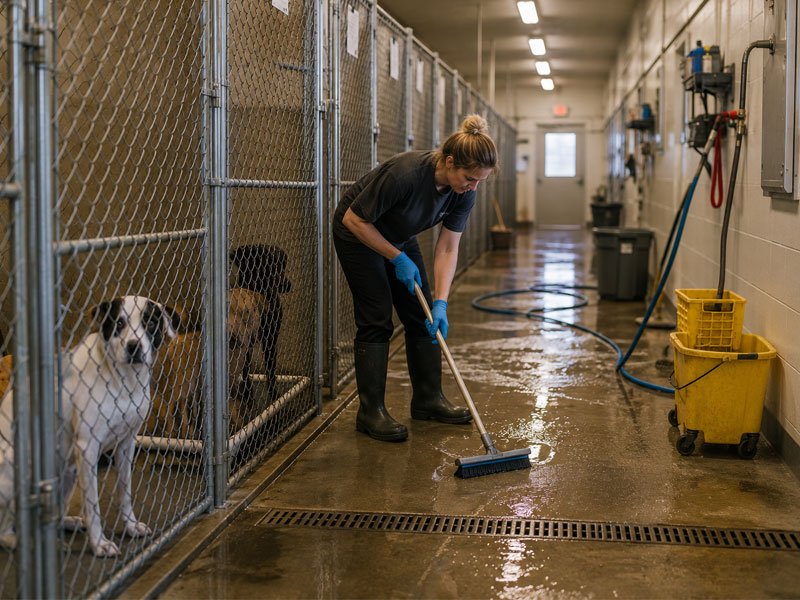
Common challenges include:
- High daily waste generation
- Frequent cleaning requirements
- Odor control management
- Animal turnover and intake fluctuations
- Limited staffing resources
- Disease prevention requirements
- Waste storage and disposal logistics
As facilities grow, structured waste management becomes increasingly important for maintaining consistent care standards.
Kennel & Housing Area Sanitation
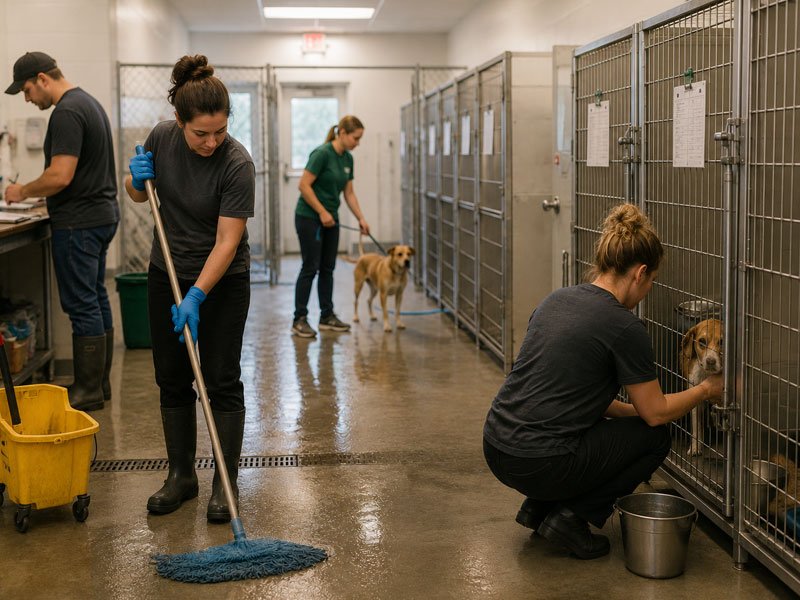
Kennels, housing units, exercise yards, and animal care spaces require routine cleaning and waste removal procedures.
Effective sanitation practices help:
- Maintain cleaner living environments
- Improve animal comfort
- Reduce disease risks
- Support regulatory compliance
- Improve staff efficiency
Many shelters establish standardized waste handling procedures to ensure consistent cleaning practices throughout the facility.
Disease Prevention & Hygiene Management
Proper waste handling plays an important role in facility hygiene programs.
Structured waste management systems can help reduce:
- Cross-contamination between animal areas
- Pathogen exposure risks
- Unsanitary conditions
- Accumulation of waste materials
Waste management should be integrated with broader shelter sanitation protocols and animal health procedures.
Waste Handling & Operational Workflows
Animal shelters often benefit from clearly defined waste handling workflows.
A typical system may include:
1. Waste Collection
Routine collection from kennels, exercise yards, and common areas.
2. Containment Procedures
Use of designated collection bags and disposal systems.
3. Cleaning & Sanitation
Integration with facility cleaning schedules.
4. Waste Disposal
Alignment with local waste regulations and operational requirements.
5. Continuous Monitoring
Regular review of sanitation effectiveness and operational efficiency.
Compostable Materials in Animal Care Facilities
Some shelters and animal welfare organizations evaluate certified compostable materials as part of broader sustainability initiatives.
When considering compostable solutions, organizations should evaluate:
- Local waste regulations
- Available disposal infrastructure
- Certification requirements
- Operational practicality
- Staff training requirements
Common certifications include:
- BPI
- ASTM D6400
- EN 13432
- AS 4736
- AS 5810
- OK Compost HOME
Certified compostable materials may support sustainability objectives when local infrastructure and regulations permit their use.
Integration With Shelter Operations
Waste management systems should support existing shelter operations rather than function separately.
Programs are often integrated with:
- Daily kennel cleaning
- Animal intake procedures
- Exercise yard maintenance
- Staff sanitation protocols
- Facility management programs
- Environmental initiatives
A coordinated approach helps improve operational efficiency while supporting animal welfare objectives.
Benefits for Animal Welfare Organizations
A structured waste management system can help:
✓ Improve facility sanitation
✓ Support animal health and welfare
✓ Reduce odor issues
✓ Improve staff efficiency
✓ Simplify daily cleaning operations
✓ Support sustainability initiatives
✓ Improve facility appearance
✓ Strengthen operational consistency
✓ Support long-term organizational goals
FAQ
Animal shelter waste management refers to the systems and procedures used to collect, contain, handle, and dispose of animal waste within shelters and animal care facilities.
Proper waste management supports sanitation, animal welfare, staff efficiency, and disease prevention.
Most shelters implement structured collection, cleaning, containment, and disposal procedures integrated into daily operations.
Facilities often improve sanitation through routine cleaning schedules, standardized waste handling procedures, staff training, and integrated hygiene programs.
Effective waste management helps maintain cleaner environments, improve animal comfort, reduce health risks, and support overall welfare objectives.
Planning an Animal Shelter Waste Management Program?
We support animal shelters, rescue organizations, and animal welfare facilities in evaluating scalable waste management solutions that align with sanitation, operational, and sustainability objectives.
Whether you are reviewing existing procedures or planning facility improvements, our team can help identify practical waste management approaches that support daily operations and long-term organizational goals.