Public Dog Waste Management Programs for Councils & Municipalities
Public dog waste management programs help councils, municipalities, and public authorities maintain cleaner parks, trails, streetscapes, and shared public environments.
As pet ownership continues to increase, many local governments are implementing structured dog waste management programs to improve public hygiene, reduce environmental contamination, and support long-term sustainability objectives.
This page focuses on public-sector pet waste management systems rather than residential community programs or retail pet waste products.
Who This Solution Is For
Public dog waste management programs are commonly implemented by:
- Municipal councils
- Local authorities
- Parks and recreation departments
- Public works agencies
- Environmental services teams
- Community infrastructure operators
- Waste management authorities
These organizations often require scalable waste management systems that can be deployed across multiple public locations while supporting operational, environmental, and community goals.
Why Public Dog Waste Management Matters
Dog waste in public spaces creates challenges that extend beyond aesthetics.
Without proper management, pet waste may contribute to:
- Public hygiene concerns
- Waterway contamination
- Nutrient pollution
- Increased maintenance costs
- Public complaints
- Reduced usability of parks and recreational areas
As communities continue to invest in public infrastructure, dog waste management has become an increasingly important component of environmental stewardship and public space maintenance.
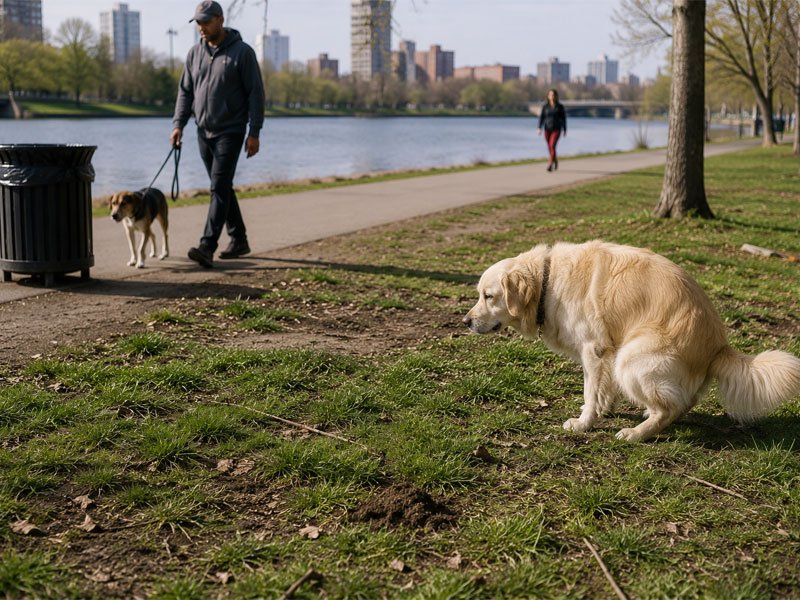
Public Spaces Commonly Included in Dog Waste Programs
Municipal pet waste systems are often implemented across a variety of public environments.
Public Parks
Community parks and recreational areas often experience high levels of pet activity and require clearly defined waste disposal systems.
Dog Parks
Dedicated off-leash facilities typically require convenient access to dog waste stations and routine servicing.
Walking Trails & Greenways
Shared-use pathways benefit from strategically placed disposal stations that encourage responsible pet ownership.
Streetscapes & Urban Public Areas
Municipal streets and pedestrian corridors often incorporate dog waste stations as part of broader public cleanliness initiatives.
Waterfront Areas
Public spaces located near waterways may prioritize dog waste management to help reduce environmental contamination risks.
Community Open Spaces
Shared municipal land and recreational reserves frequently incorporate dog waste collection infrastructure to support public use.
Public Dog Waste Management in Parks and Recreational Areas
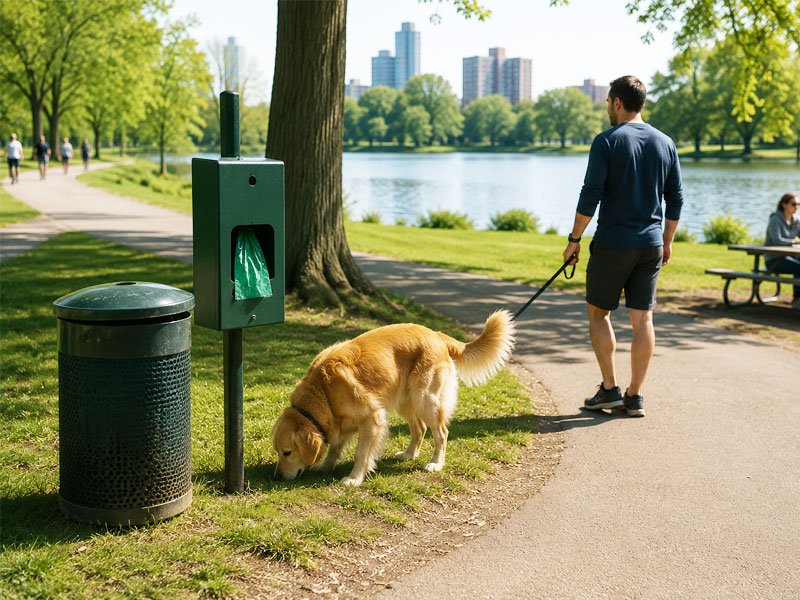
Public parks are among the most common environments for municipal pet waste programs.
Effective park-based systems help:
- Improve visitor experience
- Reduce dog waste accumulation
- Support responsible pet ownership
- Protect landscaping and public amenities
- Improve environmental outcomes
Many municipalities deploy networks of dog waste stations throughout parks, trails, and recreational corridors to improve participation and simplify maintenance operations.
Core Components of a Public Dog Waste Management Program
Successful municipal programs typically include several integrated components.
1. Site Assessment
Identify high-traffic pet activity areas, walking routes, dog parks, and recreational corridors.
2. Strategic Station Placement
Install dog waste stations where they are visible, accessible, and convenient for public use.
3. Standardized Bag Systems
Provide dispenser-compatible bag formats that support efficient servicing and maintenance.
Many municipalities utilize compostable dog waste station bags to support environmental objectives while maintaining operational efficiency.
4. Routine Servicing & Refilling
Establish maintenance schedules for bag replenishment, waste collection, and station inspection.
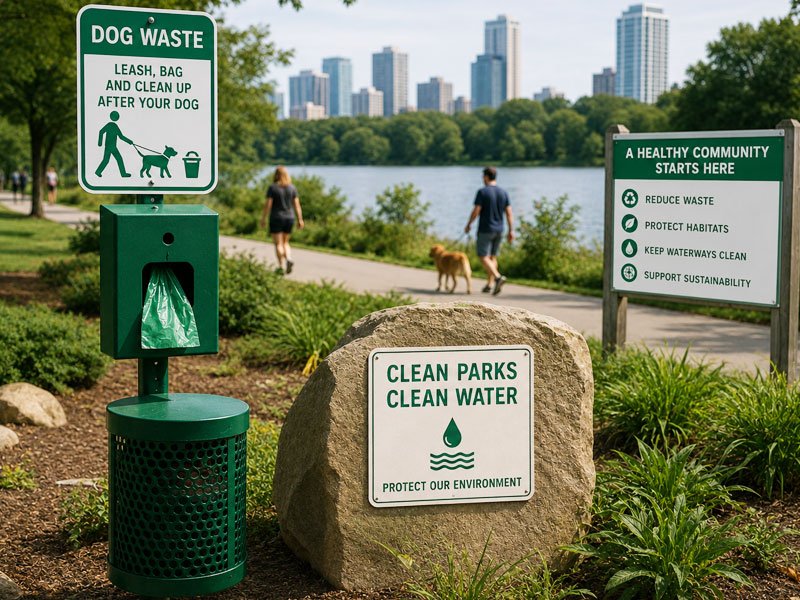
5. Public Education & Signage
Clear signage encourages responsible disposal behavior and improves program participation.
Public Dog Waste Stations
Dog waste stations are often the most visible component of a municipal pet waste management program.
Well-designed station networks help:
- Increase public compliance
- Improve park cleanliness
- Reduce littering
- Support environmental objectives
- Improve visitor satisfaction
Municipal programs commonly use dispenser-compatible dog waste station bags that simplify maintenance and support efficient replenishment schedules.
Compostable Materials in Public Programs
Many councils are evaluating compostable materials as part of broader sustainability and plastic reduction initiatives.
When assessing compostable solutions, public authorities typically consider:
- Local waste regulations
- Available composting infrastructure
- Collection and contamination controls
- Regional certification requirements
- Public communication strategies
Common certifications include:
- BPI
- ASTM D6400
- EN 13432
- AS 4736
- AS 5810
- OK Compost HOME
Certified compostable materials may support sustainability goals where local waste infrastructure and regulations allow.
Environmental & Sustainability Objectives
OEM and private label solutions depend on manufacturing reliability. Transparency, quality control, and production planning are essential.
Public dog waste management programs often support wider municipal environmental initiatives.
Potential objectives include:
- Reducing plastic waste
- Supporting waste diversion strategies
- Improving environmental stewardship
- Protecting waterways and natural habitats
- Enhancing public space quality
- Supporting sustainability targets
For many municipalities, dog waste management forms part of broader public sanitation and environmental management strategies.
Program Benefits for Councils & Municipalities
A structured public dog waste management program can help:
✓ Improve public hygiene
✓ Reduce environmental contamination
✓ Support responsible pet ownership
✓ Improve park cleanliness
✓ Reduce maintenance costs
✓ Increase community participation
✓ Enhance visitor experience
✓ Support sustainability objectives
✓ Protect public infrastructure
✓ Improve public perception of community spaces
Related Solutions
👉 Public Dog Waste Station Solutions
FAQ
A public dog waste management program is a structured system used by councils and public authorities to manage pet waste in parks, trails, streetscapes, and other shared public environments.
Dog waste stations encourage responsible disposal behavior, improve cleanliness, and help reduce environmental contamination in public spaces.
Many municipalities evaluate certified compostable dog waste bags as part of sustainability and plastic reduction initiatives. Suitability depends on local waste management infrastructure and regulations.
Servicing frequency depends on visitor traffic, pet activity levels, seasonal demand, and local maintenance schedules.
Common certifications include BPI, ASTM D6400, EN 13432, AS 4736, AS 5810, and OK Compost HOME.
Dog waste stations are commonly installed in parks, dog parks, walking trails, recreational corridors, waterfront areas, and other shared public spaces.
Planning a Public Dog Waste Management Program?
We support councils, municipalities, parks departments, and public authorities in evaluating scalable dog waste management solutions for public spaces.
Whether you are planning a new deployment, expanding an existing station network, or evaluating compostable material options, our team can help identify practical solutions aligned with your operational and environmental goals.
This inquiry is intended for B2B organizations only. Retail and personal requests are not supported.