Choosing the best compostable trash bags depends on more than marketing claims. Certification standards, thickness, bin fit, and composting environment all determine whether a bag performs properly.
This 2026 guide compares certified compostable trash bags for common use scenarios, including:
- 13-gallon kitchen bins
- Small home compost caddies
- Large wheelie bins
- Heavy-duty outdoor waste
Instead of focusing on brand hype, this guide evaluates compostable trash bags based on certification scope, durability, and compatibility with real composting systems.
Quick Summary: Best Compostable Trash Bags (2026)
If you are choosing compostable trash bags, the most important factors are certification, thickness, bin size compatibility, and composting environment.
Quick recommendations:
| Use Case | Typical Size | Certification | Compost Type |
|---|---|---|---|
| Kitchen trash bins | 45–50 L / 13 gallon | BPI / ASTM D6400 | Industrial |
| Home compost caddies | 2.6–3 gallon | OK Compost HOME | Backyard |
| Heavy outdoor bins | 30–50 L+ | EN 13432 / BPI | Industrial |
| Municipal wheelie bins | 120–240 L | EN 13432 / ASTM D6400 | Industrial |
Choosing the correct certification and bag size determines whether compostable bags perform properly in real waste systems.
What Makes the Best Compostable Trash Bags?
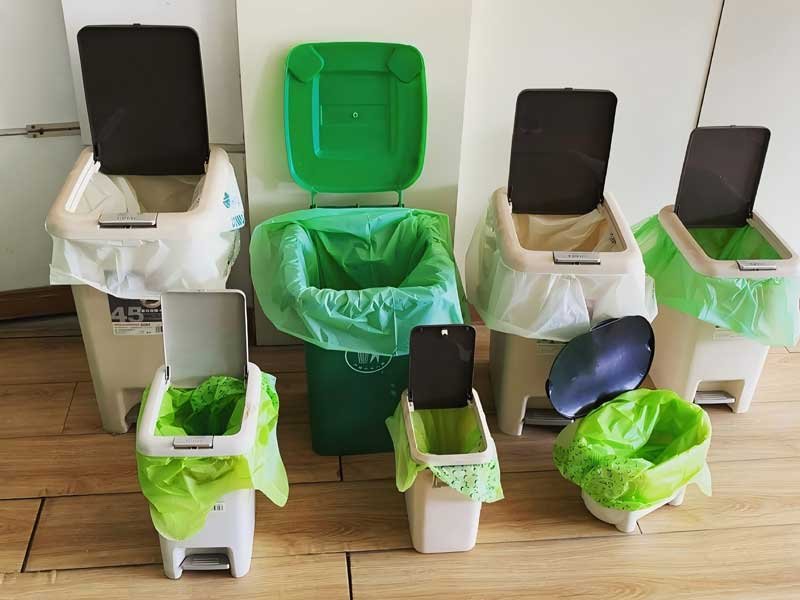
The best compostable trash bags are not defined by brand alone. Instead, they are evaluated based on material composition, certification standards, durability, and compatibility with waste collection systems.
High-quality compostable trash bags typically combine PLA (polylactic acid), PBAT, and starch-based biopolymers to achieve flexibility, strength, and certified compostability.
Key performance factors include:
- Verified compostability certification
- Correct bin size compatibility
- Film thickness and tear resistance
- Composting environment compatibility
These factors determine whether the bag will properly break down in composting facilities.
How We Evaluated Compostable Trash Bags
Every product type in this guide is assessed using four practical criteria:
1. Verified Compostability Certification
Only bags certified under recognized standards were considered:
- BPI / ASTM D6400 (USA & Canada)
- EN 13432 (European Union)
- TÜV OK Compost (Home / Industrial)
- AS 4736 / AS 5810 (Australia)
Certification determines whether the bag decomposes under controlled composting conditions without toxic residue.
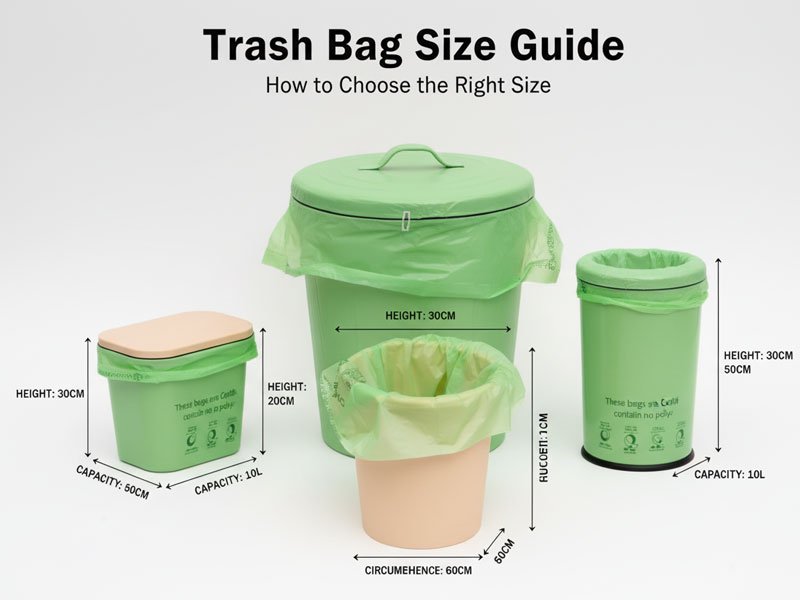
2. Correct Size & Bin Fit
Improper sizing is one of the most common causes of tearing and leakage.
Common formats include:
- 1–3 gallon food scrap liners
- 13-gallon kitchen trash bags
- 30–50L heavy-duty bins
- 120L–240L wheelie bins
Always check both volume and bag dimensions.
3. Film Thickness & Strength
Thickness affects:
- Tear resistance
- Wet waste handling
- Load capacity
Thin retail bags may be suitable for light kitchen scraps, while heavier-duty environments require reinforced film.
4. Composting Context
Industrial composting and home composting are not the same.
Industrial-certified bags typically require:
- Controlled temperature (55–60°C)
- Aerobic microbial conditions
Home compostable bags must degrade at lower backyard temperatures.
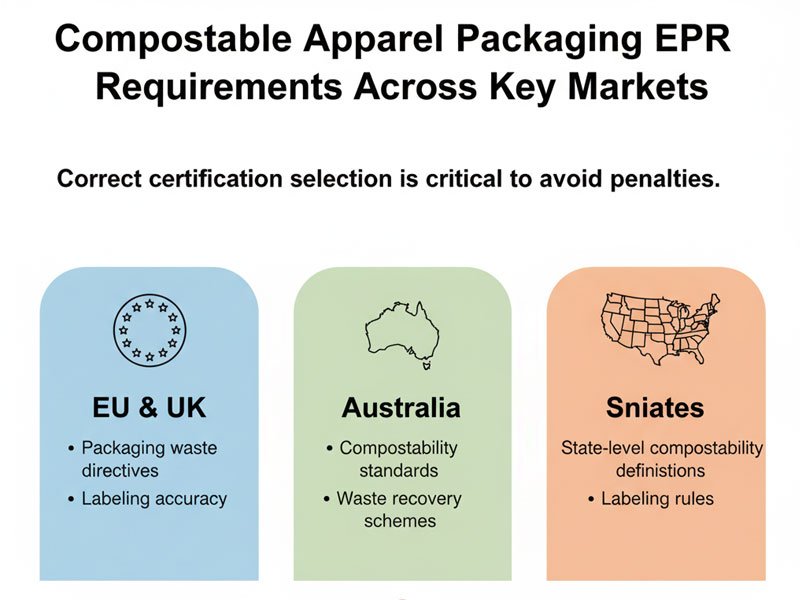
Using the wrong certification for your composting system reduces environmental benefit.
Popular Compostable Trash Bag Brands in the Market
Consumers researching compostable trash bags often encounter several well-known brands.
| Brand | Certification | Typical Use |
|---|---|---|
| Glad | Industrial compost (selected products) | Kitchen waste |
| BioBag | BPI / EN 13432 | Kitchen and municipal programs |
| UNNI | BPI / OK Compost HOME (selected SKUs) | Home composting |
| Full Circle | Industrial compost certification | Household waste |
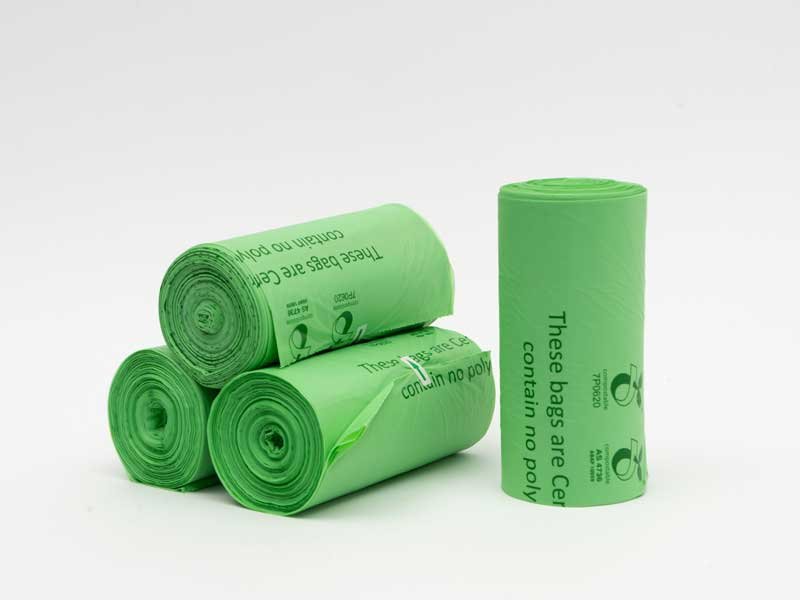
Performance varies depending on the certification scope and product thickness. Buyers should always verify the certification of the specific product rather than relying solely on brand reputation.
Strongest Compostable Trash Bags: What to Look For
Many users search for the strongest compostable trash bags because organic waste can be heavy and wet.
When evaluating strength, consider the following factors:
- film thickness (15–30 microns)
- bottom seal type
- puncture resistance
- tear resistance
- load capacity
For heavy organic waste, thicker compostable bags between 20–30 microns generally provide better durability.
Compostable Trash Bag Sizes Explained
| ag Size | Common Use |
|---|---|
| 3-8 L | kitchen caddy |
| 20-30 L | household bin |
| 60-120 L | outdoor waste |
| 240 L | municipal collection |
Choosing the correct bag size ensures compatibility with waste bins and prevents tearing during collection.
Compostable Trash Bag Size Quick Reference
Choosing the right size is one of the most common reasons compostable bags fail or leak. This table summarizes the size guidance discussed above and serves as a quick reference for common household and kitchen bins.
| Bin Type | Typical Capacity | Recommended Bag Size | Common Use |
|---|---|---|---|
| Countertop food caddy | 5–10 L | 1–2.6 gallon | Daily food scraps |
| Small kitchen compost bin | 10–12 L | 2.6–3 gallon | Home composting |
| Standard kitchen trash can | 45–50 L | 13 gallon | Food & household waste |
| Large household / wheelie bin | 30–50 L | 30–50 liter | Yard or heavy waste |
Always check both volume and bin shape. A “13-gallon” bag can fit differently depending on width and height.

Manufacturer-Supplied Compostable Bags (Bulk Programs)
In commercial and municipal waste systems, compostable trash bags are typically sourced directly from certified manufacturers rather than retail shelves.
Manufacturer-supplied programs focus on:
- Defined certification scope
- Controlled thickness specifications
- Stable bulk production
- Regulatory compliance documentation
If you are evaluating factory-direct or private-label supply, see:
Biodegradable vs Compostable — Why Certification Matters
The term “biodegradable” does not guarantee defined breakdown timelines or toxin limits.
Certified compostable trash bags must:
- Disintegrate within defined timeframes
- Leave no harmful residues
- Meet heavy metal toxicity limits
- Pass third-party laboratory verification
Always prioritize recognized certification logos over vague environmental claims.
Home Composting vs Industrial Composting Bags
Not all compostable trash bags are suitable for home composting.
Many compostable products are designed for industrial composting facilities, where temperature and humidity are tightly controlled.
Home compostable bags must meet stricter conditions because backyard compost systems operate at lower temperatures.
Look for certification labels such as:
- OK Compost HOME
- AS 5810
Industrial compostable bags typically carry certifications such as:
- AS 4736
- BPI / ASTM D6400
- EN 13432
Certified Compostable Trash Bags: Why Certification Matters
The term “biodegradable” does not guarantee defined decomposition timelines or toxin limits.
Certified compostable trash bags must:
- break down within defined timeframes
- leave no harmful residues
- meet heavy metal limits
- pass third-party laboratory testing
Without certification, compostable packaging may not be accepted by composting facilities.
Always prioritize recognized certification logos over vague environmental claims.
How to Identify Real Compostable Trash Bags
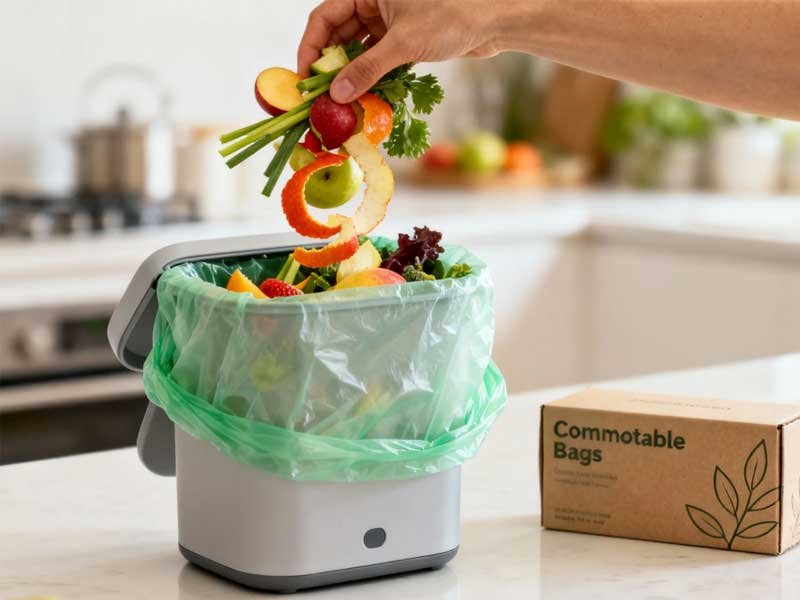
Many products labeled “eco-friendly” or “biodegradable” do not meet certified compostability standards.
To identify genuine compostable trash bags, check for:
- certification logos (BPI, EN13432, OK Compost)
- manufacturer certification number
- material disclosure (PLA/PBAT blends)
- third-party testing verification
Certification transparency helps prevent misleading environmental claims.
Who This Guide Is For
This guide is designed for:
- Households evaluating certified compostable options
- Sustainability-focused buyers
- Retail comparison research
- Procurement teams comparing specifications
For factory supply, OEM programs, or municipal tenders, please refer to the dedicated manufacturer and wholesale pages linked above.
Best Compostable Trash Bags by Use Case
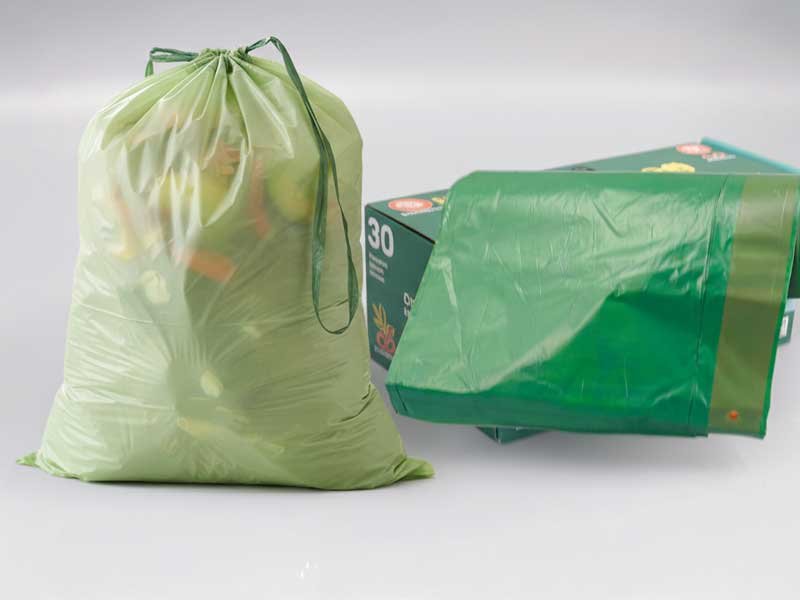
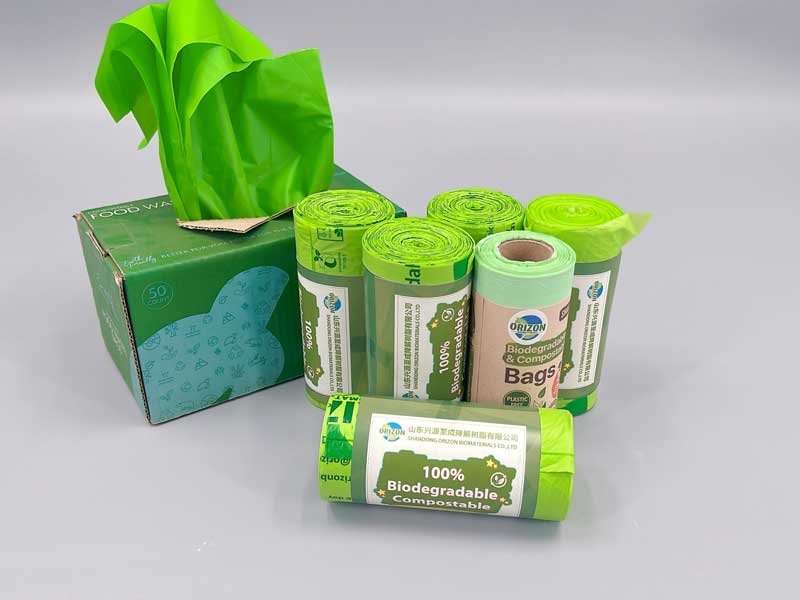
Kitchen Use – ORIZON Strong Compostable Kitchen Garbage Bags
- Ideal for standard 13-gallon kitchen cans
- Leak-tested with wet food scraps
- Certified BPI, ASTM D6400, EN 13432, OK Compost Industrial
Home Composting – ORIZON Home Composting Bags
- Best for 2.6–3 gallon backyard caddies
- OK Compost HOME certified
- Breaks down in ~12 weeks even at lower compost temperatures

Heavy-Duty / Large Bins – ORIZON Extra Thick Heavy-Duty Compostable Garbage Bags
- For 30–50L wheelie bins or garden waste
- Extra-thick film, tear and puncture resistant
- Certified EN 13432, BPI Industrial
More information : https://orizonbags.com/products/compostable-wheelie-bin-liners/
Best 13 Gallon Compostable Kitchen Trash Bags
In North America, 13-gallon is the most common kitchen trash can size. If you are looking for the best biodegradable trash bags 13 gallon, here is what I suggest you check:
- look for BPI and ASTM D6400 logos for industrial composting
- choose a bag with enough thickness for wet food waste
- avoid products that only say “biodegradable” without certification
Our ORIZON Strong Compostable Kitchen Bags are designed with this size in mind. They fit standard 13-gallon cans and are tested for daily food-waste use.
Alternatives to Plastic Trash Bags
- Certified compostable trash bags – practical if you have access to composting.
- Paper bags/liners – good for dry waste, not wet food scraps.
- Reusable bin without liner – eco-friendly but needs frequent cleaning.
Compostable Trash Bags for Bulk Buyers and Distributors
Businesses sourcing compostable trash bags often require consistent quality, certification documentation, and stable manufacturing capacity.
Manufacturers providing OEM compostable trash bags typically support:
- custom thickness and bag sizes
- private label printing
- roll or flat pack formats
- certification documentation for export
About ORIZON – Chinese Compostable Bag Manufacturer
ORIZON is a professional manufacturer specializing in plant-based compostable bags.
Key capabilities include:
- international certification compliance
- stable large-scale manufacturing capacity
- strict raw material quality control
- advanced production lines and quality testing
Each batch undergoes testing for:
- tensile strength
- leak resistance
- thickness uniformity
- certified biodegradation verification

FAQ
What are the best compostable trash bags made from?
Most compostable trash bags are made from PLA (polylactic acid), PBAT, and starch-based biopolymers.
Are compostable trash bags better for the environment?
When used in proper composting systems, certified compostable bags reduce plastic pollution and microplastic risks.
Can industrial-certified bags be used for home composting?
No. Only bags certified OK Compost HOME or AS 5810 are verified for backyard compost systems.
What thickness is best for compostable trash bags?
Most compostable trash bags range between 15–30 microns, depending on the intended waste type.
Why do compostable bags sometimes leak?
Common reasons include:
- prolonged storage in heat or humidity
- incorrect bag size
- thin film thickness
Do compostable trash bags break down in landfills?
No. Compostable materials require oxygen and microbial activity. Landfills lack these conditions.
Conclusion
The best compostable trash bags are those that:
- Match your composting system
- Carry verified certification
- Fit your bin correctly
- Offer appropriate thickness for your waste type
Avoid relying solely on “eco-friendly” labels. Certification transparency and correct usage determine real environmental benefit.
For bulk supply, private-label manufacturing, or certified municipal programs:
Request Bulk Specifications or OEM Quotation
If you are evaluating compostable trash bags for a project, you can send your requirements to receive product specifications or a bulk quotation.
Typical information buyers provide:
- Target market (EU / USA / Australia / Other)
- Bag size and thickness
- Certification requirements
- Monthly or annual volume
- OEM / private label needs