Quick Answer
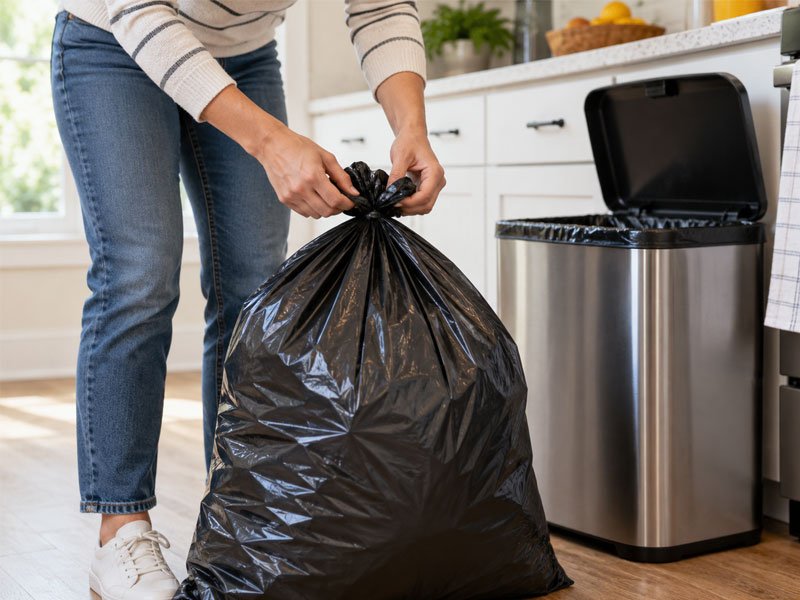
What bin do dog poop bags go in? Dog poop bags should usually be placed in a general waste bin, also called a trash bin, rubbish bin, black bin, red bin or normal household waste bin.
Which Bin Should Dog Poop Bags Go In?
| Item | Correct bin |
|---|---|
| Dog poop in a tied bag | General waste / trash bin |
| Dog poo bags in normal bins | Yes, if it is a general waste bin |
| Dog poop bags in green bin | Usually no, unless local council accepts pet waste |
| Dog poop bags in recycling | No |
| Dog poop in home compost | No for food gardens |
| Compostable poop bags | Still general waste in most areas unless industrial compost accepts pet waste |
Can You Put Dog Poop or Dog Poo Bags in Normal Bins?
Yes. In most areas, tied dog poo bags can go in normal household waste bins, as long as the bin is for general waste.
This includes public street bins, park trash bins and household general waste bins. Tie the bag tightly before placing it in the bin to reduce odor, flies and leakage.
Normal bins should not mean recycling bins, food waste bins, garden waste bins or green bins. Unless your local authority clearly says otherwise, general waste is the correct option.
Can Dog Poop Bags Go in the Green Bin?
Usually, no. Dog poop bags should not go in the green bin unless your city, council or waste provider specifically accepts pet waste.
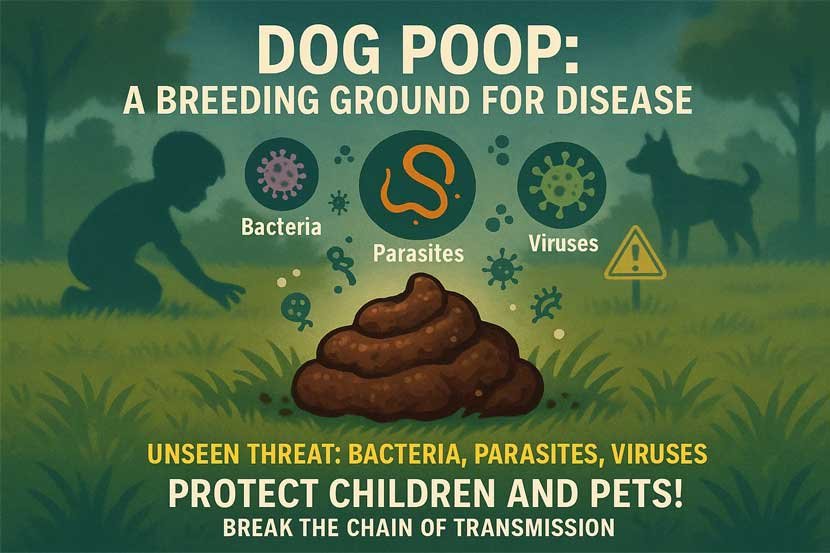
Many green bin and garden waste programs are designed for grass clippings, leaves, food scraps and plant material. Dog poop can contain bacteria, parasites and nutrients that may contaminate composting systems.
There are exceptions. Some local organics or FOGO programs accept pet waste under specific rules, especially when the waste is wrapped correctly or collected separately. Always check your local waste guide before using the green bin.
As a general rule:
| Bin or waste system | Usual dog poop rule |
|---|---|
| General waste / trash bin | Accepted |
| Black bin / red bin | Usually accepted |
| Green bin / garden waste bin | Usually not accepted |
| FOGO / organics bin | Only if local rules allow pet waste |
| Recycling bin | Never |
| Home compost bin | Not recommended for food gardens |
Where Do Dog Poop Bags Go After You Throw Them Away?
In most cities, dog poop bags end up in landfill or waste-to-energy facilities after collection.
They do not go into recycling systems. Used dog poop bags are contaminated, and thin plastic films are usually not accepted in curbside recycling.
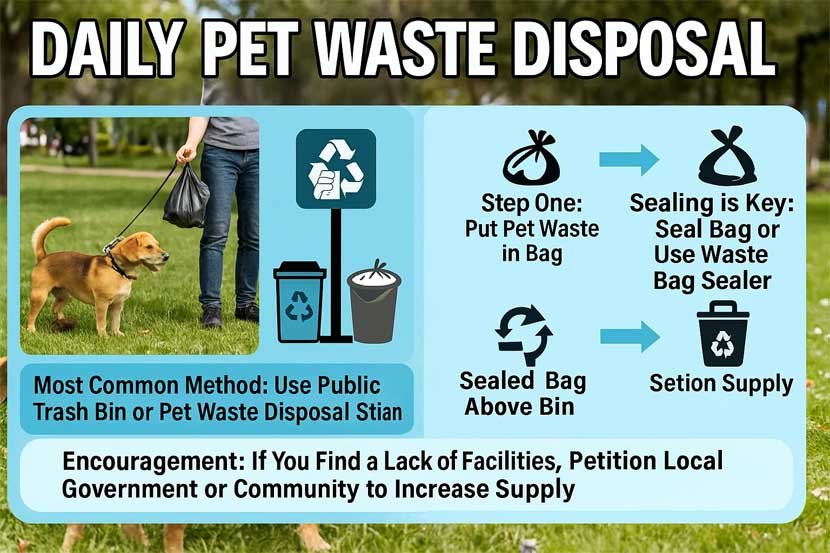
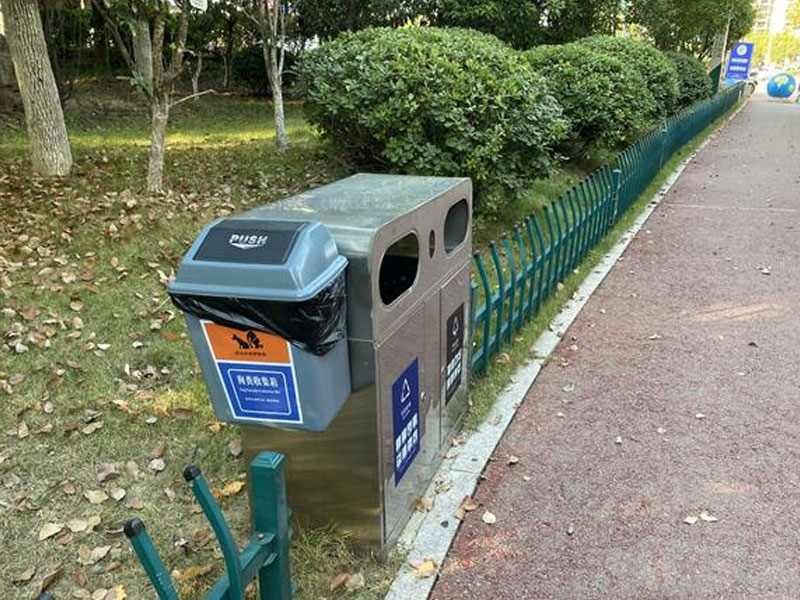
If you are walking your dog in public, use a dedicated dog waste bin where available. If there is no dog waste bin, use a public trash bin if local rules allow it, or take the bag home and place it in your general waste bin.
Never leave filled dog poop bags on trails, sidewalks, parks or beside bins.
Can Dog Poop Bags Go in Recycling?
No. Dog poop bags should not go in recycling bins.
Even if the bag is empty, thin plastic poop bags are usually not accepted in curbside recycling. Once a bag contains dog waste, it can contaminate recyclable materials and create hygiene risks for workers and sorting facilities.
Used dog poop bags should go in general waste.
How to Dispose of Dog Poop Bags: Step-by-Step
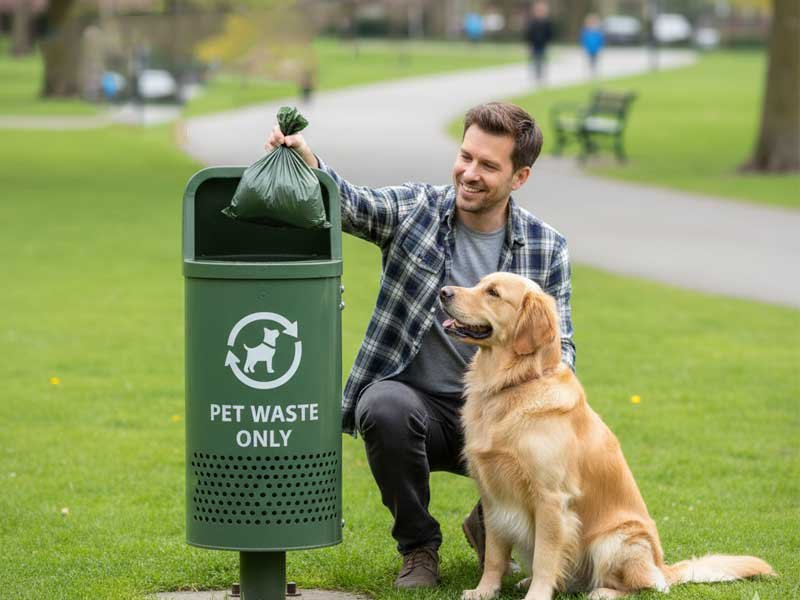
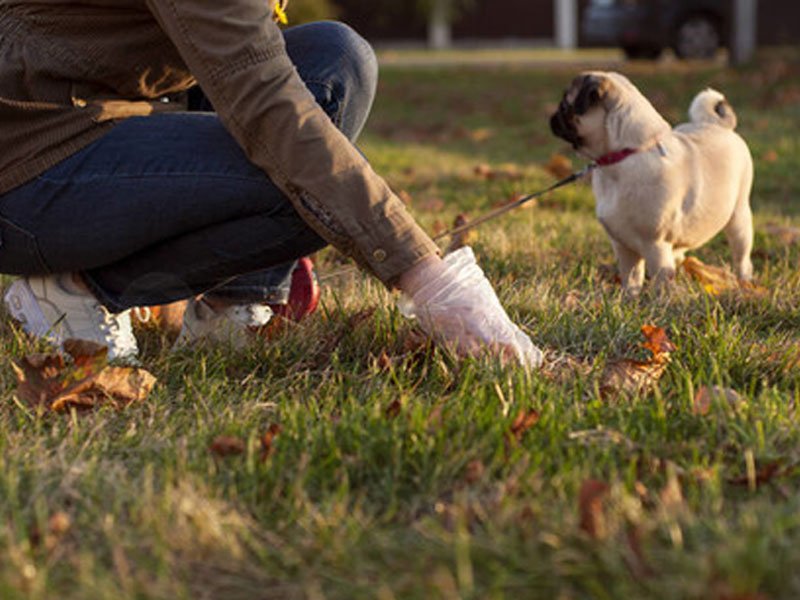
- Pick up dog poop using a leak-proof bag.
- Tie the bag tightly to prevent leaks and odors.
- Place the sealed bag in a public trash bin or your home general waste bin.
- Wash your hands with soap and water for at least 20 seconds.
- This simple process protects public health, prevents water pollution, and keeps communities clean.
How to Dispose of Dog Poop Bags at Home (Without Smell)
Many pet owners struggle with odor, especially between trash days. These tips help:
- Use a lidded trash bin with a tight seal
- Double-knot poop bags
- Store bags in a small dedicated container
- Sprinkle baking soda at the bottom of the bin
- Empty pet waste frequently, especially in warm weather
Avoid storing dog poop bags indoors for long periods.
How to Dispose of Large Amounts of Dog Poop
For households with multiple dogs, kennels, or shelters:
1. Dedicated Pet Waste Digesters
Systems like underground pet waste digesters use enzymes and bacteria to break down waste.
They reduce landfill volume but should not be used for food gardens.
2. Professional Pet Waste Removal Services
These services collect and dispose of dog poop safely and regularly, saving time and reducing hygiene risks.
3. High-Frequency Waste Collection
Using sealed containers and frequent disposal prevents odor and pest problems.
Dog Poop Bags: Plastic vs Biodegradable vs Compostable
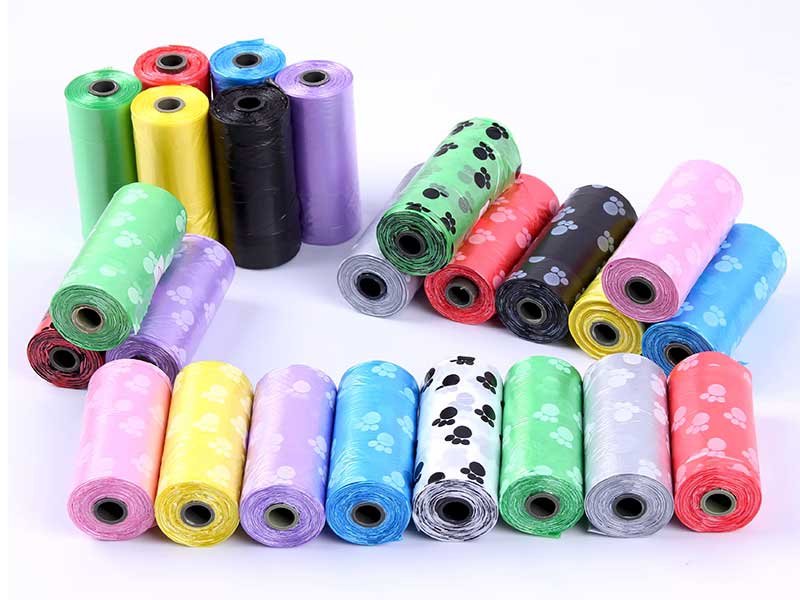
Traditional Plastic Bags
- Made from polyethylene
- Strong and cheap
- Persist in landfills for hundreds of years
- Break down into microplastics over time
“Biodegradable” Bags
- Often misunderstood
- Degradation depends on specific conditions
- In landfills, breakdown is slow due to lack of oxygen
- Many offer little real environmental benefit
Certified Compostable Bags
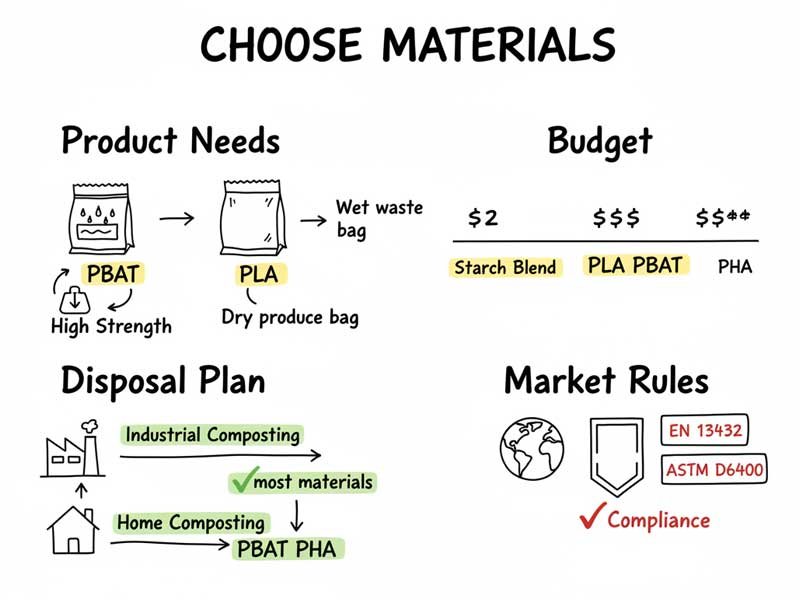
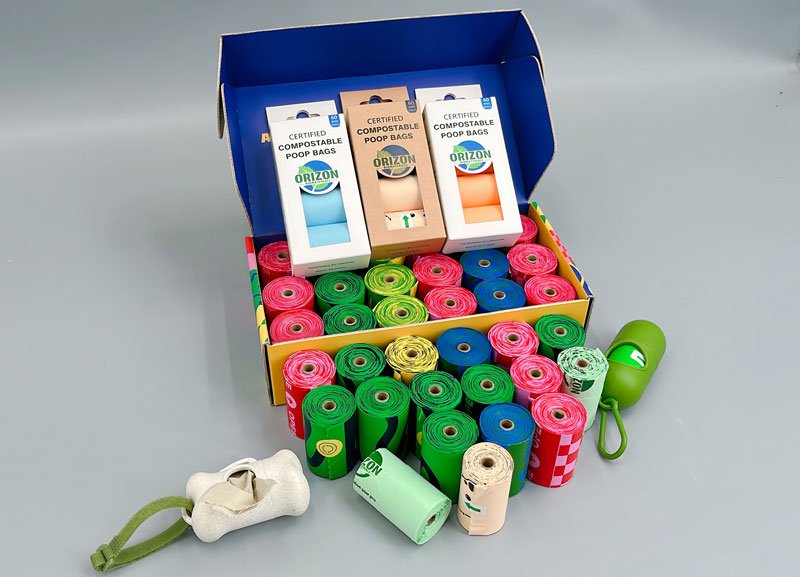
Compostable bags are designed to break down into water, carbon dioxide, and organic matter in industrial composting conditions.
Look for recognized certifications such as:
- ASTM D6400 (North America)
- EN 13432 (Europe)
- AS 4736 (Australia)
These certifications confirm that the material has been independently tested.
Are Compostable Dog Poop Bags a Better Choice?
Compostable dog poop bags can be a better option when they are certified and accepted by a suitable industrial composting facility. However, compostable does not mean they can go in every green bin, garden bin or home compost system.
However, please remember that “composting environment” usually refers to industrial composting facilities. These facilities have controlled conditions with high temperatures, high humidity, and abundant microorganisms, which can effectively decompose these bags. They may not decompose completely in your backyard compost bin.
How to Dispose of Biodegradable or Compostable Dog Poop Bags
Even biodegradable or compostable dog poop bags should go into general waste in most cities.
Only place them in organics or composting systems if:
- Your local authority explicitly accepts pet waste, and
- The facility is an industrial composting system, not home compost.
Why Proper Dog Poop Bag Disposal Matters
Dog feces are not harmless waste. They contain bacteria, parasites, and excess nutrients that can harm both people and the environment.
Water Pollution Risk
Dog poop can carry E. coli, Salmonella, and parasites. When left on the ground, rainwater washes these pathogens into storm drains, rivers, and lakes.
Environmental agencies consistently identify pet waste as a contributor to non-point source water pollution.
Dog feces also contain nitrogen and phosphorus, which can trigger algae blooms. These blooms reduce oxygen levels in water, killing fish and harming aquatic life.
Soil and Vegetation Damage
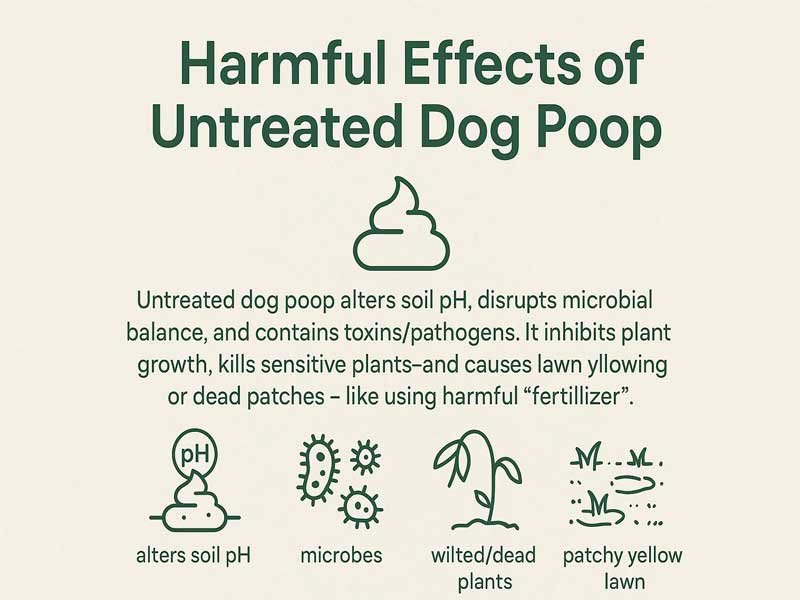
Unlike wild animals, domestic dogs eat processed food. Their feces can disrupt soil pH and microbial balance.
In parks and residential lawns, repeated dog waste buildup often leads to dead grass and unhealthy soil.
Human and Animal Health
Dog poop may contain:
- Parasites (roundworms, hookworms, Giardia)
- Bacteria (Campylobacter, Salmonella)
- Viruses (such as parvovirus, dangerous to puppies)
Children and other pets are especially vulnerable. Proper disposal breaks this chain of exposure.
Hygiene and Safety Guidelines (Essential Only)
- Avoid direct contact with dog feces
- Use a bag or scooper every time
- Wash hands thoroughly after handling
- Prevent cross-contamination with food or surfaces
Good hygiene protects both households and communities
How to Identify Genuine Compostable Bags?
Not all bags labeled “eco-friendly” or “biodegradable” are truly compostable.
To identify genuine compostable dog poop bags, look for recognized third-party certifications.
Common Compostable Certifications
- ASTM D6400 (North America)
This standard is commonly used by BPI-certified products. It confirms that the material can break down in industrial composting conditions. ASTM D6400 Standard: https://www.astm.org/ - EN 13432 (Europe)
Products meeting EN 13432 are tested to fully disintegrate and biodegrade in controlled composting environments. European Committee for Standardization (CEN) – EN 13432 Standard: Homepage - AS 4736 (Australia)
This certification verifies compostability in industrial composting facilities under Australian standards. Australasian Bioplastics Association (ABA) – AS 4736 Standard:https://bioplastics.org.au/, Information page on certification and standards: https://bioplastics.org.au/certification/
How to Check Compostable Bag Quality : Comprehensive Guide
Water-Soluble or Flushable Dog Poop Bags: Use With Caution
Most wastewater systems are not designed to handle pet waste pathogens.
Flush dog feces only if:
- Local authorities explicitly allow it
- No bag material is flushed
- The system is designed for pet waste treatment
In most regions, sealed disposal in general waste remains the safest option.
How to Choose a More Environmentally Friendly Dog Poop Bag
With so many options on the market, choosing an environmentally responsible dog poop bag can be confusing.
Here are a few practical guidelines to help you make a better choice.
1. Look for Recognized Compostable Certifications
Prioritize dog poop bags certified under standards such as ASTM D6400, EN 13432, or AS 4736.
These certifications confirm that the material has been tested to break down in controlled industrial composting conditions.
2. Check Local Disposal and Composting Facilities
Compostable bags only deliver environmental benefits if suitable disposal systems exist.
Before purchasing, check whether your local waste authority accepts pet waste in industrial composting programs. In many regions, pet waste is still required to go into general waste.
3. Be Cautious with Water-Soluble or Flushable Bags
Some bags claim to dissolve in water, but wastewater systems are often not designed to treat pet waste pathogens.
Only consider these products if local regulations explicitly allow flushing pet waste—and never flush non-soluble bags.
4. Avoid Vague or Misleading Labels
Terms like “biodegradable” or “eco-friendly” without clear certification can be misleading.
Without verified standards, such products may behave no differently from conventional plastic in landfill conditions.
5. Review Brand Transparency and Product Information
Responsible brands clearly disclose materials, certifications, and intended disposal methods.
Independent reviews and transparent documentation are often better indicators than marketing slogans.
Choosing the right dog poop bag is an important step in responsible pet ownership.
Understanding certifications, disposal systems, and labeling helps ensure your choice delivers real environmental benefits—not just good intentions.
Compostable Does Not Mean “Compost Anywhere”
Even certified compostable dog poop bags do not belong in most home compost bins.
Why?
- Home compost does not reach temperatures needed to kill pathogens
- Many municipal organic programs do not accept pet waste due to health risks
Always check your local waste authority guidelines before placing pet waste in any compost system.
Can You Flush Dog Poop Bags?
Generally, no.
- Only dog poop (without bags) may be flushed in some regions
- Most wastewater systems are not designed to treat pet waste pathogens
- Non-soluble bags can cause pipe blockages
Flush only if your local authority explicitly allows it and never flush standard or compostable bags.
FAQ
Are dog poop bags recyclable?
No. Used dog poop bags are not recyclable because they are contaminated with pet waste and can pollute recycling streams.
Can dog poop bags go in compost?
Only if your local composting program accepts both pet waste and compostable bags. Do not put dog poop in home compost used for food gardens.
Can you flush dog poop bags?
No. Do not flush dog poop bags, including biodegradable or compostable bags. They can block pipes and wastewater systems may not be designed for pet waste pathogens.
What is the best way to dispose of dog poop at home?
Pick up the poop with a bag, tie it securely and place it in a lidded general waste bin. For odor control, store filled bags in an outdoor pet waste bin until trash day.
What bin does dog poop go in?
Dog poop usually goes in the general waste or trash bin. It should not go in recycling, food waste, garden waste or green bins unless your local waste authority accepts pet waste.
Can you put dog poo bags in normal bins?
Yes. You can usually put tied dog poo bags in normal household waste bins if the bin is for general waste.
What trash can does dog poop go in?
Dog poop should go in a general trash can, garbage bin or public dog waste bin. Avoid recycling and compost bins unless local rules say pet waste is accepted.
Can dog poop bags go in the green bin?
Usually no. Some local programs accept pet waste in green or organics bins, but most do not. Check your council or waste provider first.
Can dog poop bags go in general waste?
Yes. General waste is the most common and safest bin for used dog poop bags.
Where should I throw dog poop bags when walking?
Use a dog waste bin if available. If not, use a public trash bin where allowed or take the bag home and place it in your general waste bin.
Conclusion
Knowing how to dispose of dog poop bags properly is part of responsible pet ownership.
By sealing waste correctly, choosing appropriate bins, and understanding material labels, dog owners can reduce environmental harm and protect public health.
Small daily actions—done correctly—make a real difference.
Source:
- US ASTM D6400 standard. (https://www.astm.org/d6400-19.html)
- According to the U.S. Environmental Protection Agency (EPA), uncollected pet feces cause significant nonpoint source pollution of water bodies. (https://www.epa.gov/nps/nonpoint-source-pollution-pet-waste)