OEM Compostable Green Bin Bags
Certified compostable green bin liners for distributors, private label brands, supermarkets, and municipal waste collection programs.
OEM Green Bin Solutions
- ASTM D6400 / BPI / EN13432 / AS4736
- Retail-ready packaging support
- Municipal & FOGO compost liners
- Custom sizes & thickness options
- Food waste collection applications
What Are OEM Compostable Green Bin Bags?
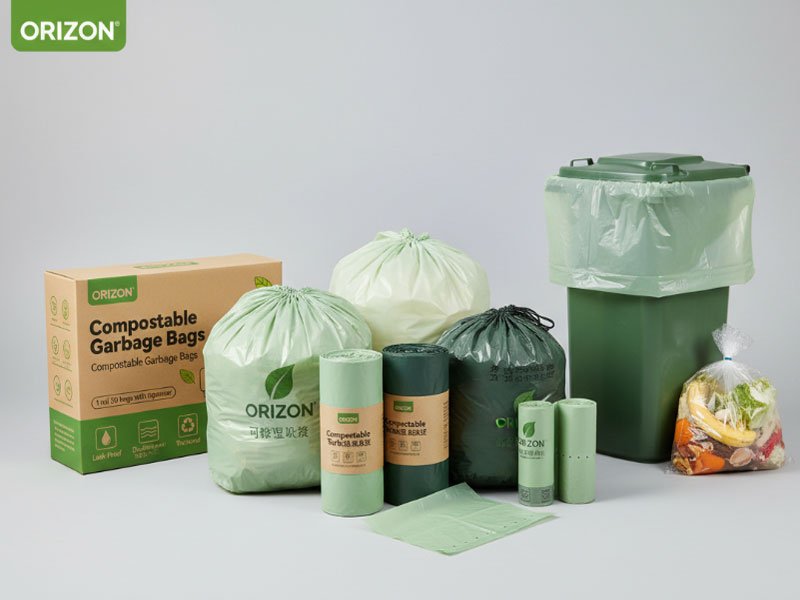
OEM compostable green bin bags are compostable liners produced for private label brands, distributors, supermarkets, or municipal waste suppliers.
These bags are commonly used for:
- kitchen food waste collection
- green bin systems
- municipal organic waste programs
- FOGO systems
- commercial compost collection
Most compostable green bin liners are made from PLA, PBAT, and compostable starch blends.
The goal is not only compostability.
The bags also need to handle wet food waste without leaking or tearing too easily.
OEM production usually includes:
- custom bag sizes
- thickness customization
- roll packaging
- retail boxes
- custom printing
- certification logo printing
Some buyers also require multilingual packaging for export markets.
If you want to understand the broader market for compostable green bin liners, this guide explains how different municipal systems use compostable food waste bags.
Why Green Bin Programs Require Certified Compostable Bags
Many municipal composting systems now require certified compostable bags to reduce contamination and improve organic waste processing.
Food waste collection systems often reject non-certified plastic-style liners because ordinary biodegradable claims may not meet industrial composting requirements.
| Certification | Region | Purpose |
|---|---|---|
| ASTM D6400 | USA & Canada | Industrial compostability |
| BPI Certified | North America | Third-party compost certification |
| EN13432 | Europe | Industrial compostability |
| AS4736 | Australia | Industrial compostability |
For North American food waste programs, ASTM D6400 compostable bags and BPI certified compostable bags are among the most commonly requested requirements.
In Australia, many councils require AS4736 compostable bags for FOGO systems.
Most of these products are designed for industrial composting systems, not home composting.
Common Problems Buyers Face When Sourcing Green Bin Bags
Many buyers focus only on price.
But compostable food waste liners have real performance requirements.
Low-quality bags often create complaints during actual use.
Weak Sealing
Food waste is usually wet and heavy.
Weak bottom seals may leak during transport or collection.
This is one reason why sealing quality matters in compostable liners.
Unstable Thickness
Some compostable bags look thick in one area and thin in another.
This can lead to tearing problems.
Stable film thickness is important for municipal waste collection and retail quality control.
You can learn more about thickness and performance balance in compostable trash bags here.
Fake Compostable Claims
Some products use “biodegradable” claims without real compostability certification.
This creates import risks and municipal compliance problems.
Many councils now reject non-certified liners completely.
This article explains why biodegradable claims often fail in waste systems.
Poor Decomposition Performance
Not all compostable bags break down at the same speed.
If the composting cycle is too short, bag fragments may remain after processing.
This is one reason some facilities only accept specific certified compostable bags.
OEM Options for Compostable Green Bin Bags
Different markets use different green bin liner formats. OEM compostable green bin bags can be customized for:
Thickness Options
Different applications need different film thickness. For example:
| Application | Suggested Thickness |
|---|---|
| Kitchen food waste | 12–18 μm |
| 13 gallon compost bags | 15–18 μm |
| Municipal wheelie bin liners | 20–25 μm |
| Heavy wet organic waste | 22–30 μm |
In many cases, thickness alone is not enough.
Material balance and sealing quality also matter.
This compostable bag thickness guide explains more about thickness selection.
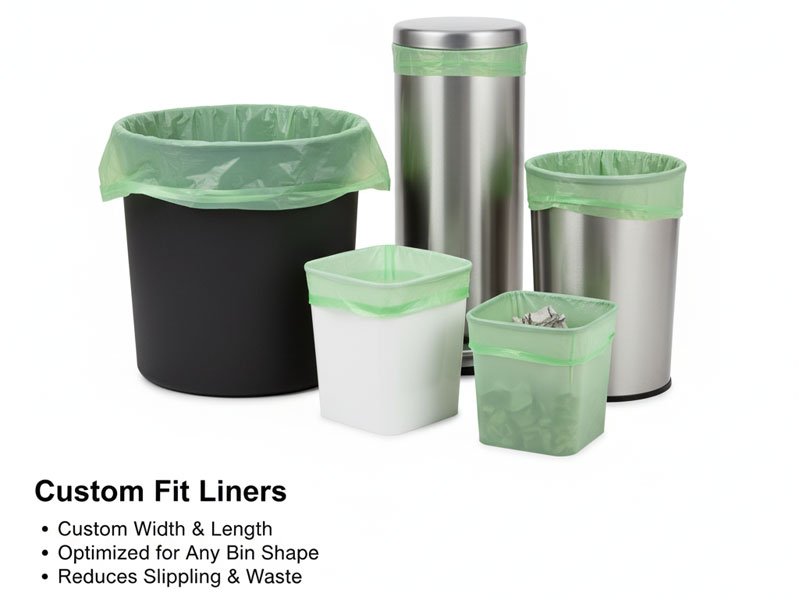
Bag Sizes
- 8L kitchen caddy liners
- 20L compostable bin liners
- 60L wheelie bin liners
- 120L compostable garbage bags
- 240L municipal waste liners
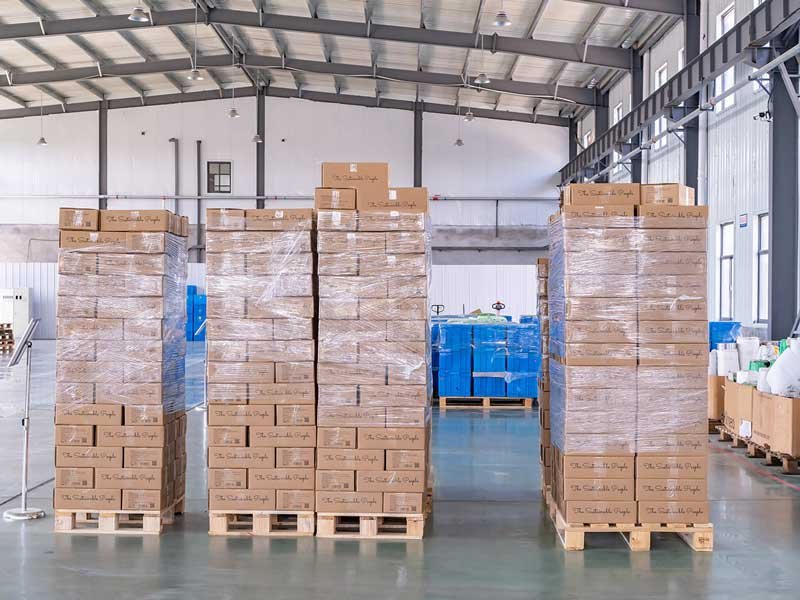
Packaging Formats
Common OEM packaging formats include:
- roll packaging
- boxed retail packaging
- flat-packed liners
- supermarket shelf packaging
- municipal bulk cartons
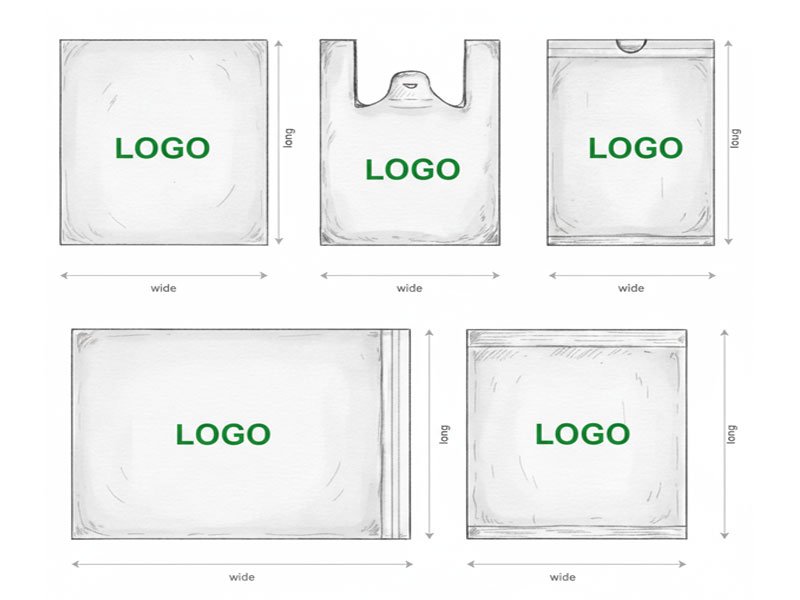
Printing Options
OEM compostable bags can also include:
- private label branding
- certification logo printing
- multilingual packaging
- barcode labels
- retail-ready artwork
For many distributors, private label compostable bags are becoming an important part of supermarket and retail packaging programs.
OEM Compostable Bags for Municipal & FOGO Programs
Municipal organic waste collection is expanding quickly.
Especially in:
- Canada
- Australia
- Europe
Many cities now use green bin systems or FOGO programs to separate food waste from general garbage.
This increases demand for certified compostable liners that can work in industrial composting systems.
In Australia, many councils already use FOGO compostable bags for food organics collection.
For municipal suppliers, stable production quality matters more than marketing language.
Common buyer concerns include:
- leakage complaints
- roll consistency
- certification verification
- retail packaging quality
- contamination risks
- compost facility acceptance
This is why many distributors also review community and municipal compostable bag solutions before selecting OEM suppliers.
OEM Packaging & Private Label Support
Retail-ready packaging is becoming more important in compostable bag markets.

Especially for:
- supermarkets
- retail chains
- online marketplaces
- municipal supply programs
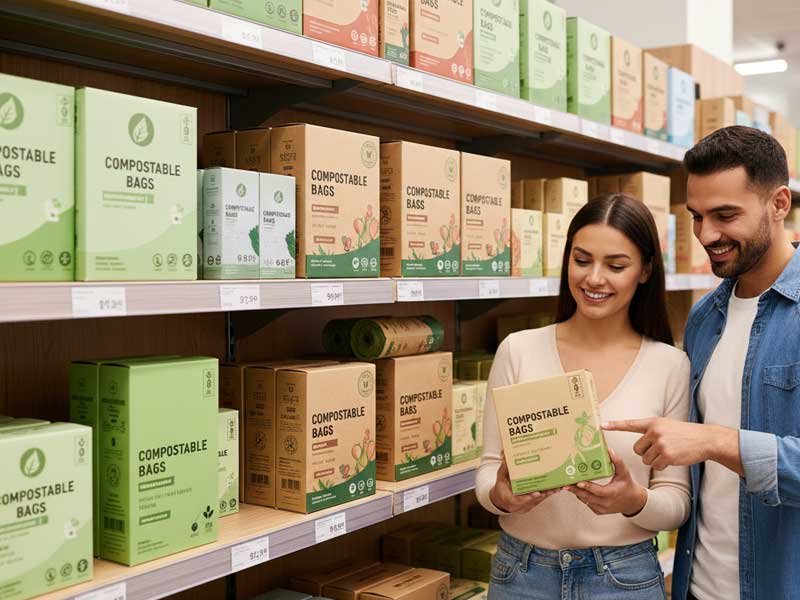
OEM packaging support may include:
- retail box design
- color printing
- certification logo placement
- multilingual packaging
- barcode support
- carton optimization
For some distributors, shelf appearance matters almost as much as bag performance.
Custom packaging should also follow local labeling rules.
This is especially important for compostability claims and certification logos.
Why Distributors Work With Orizon
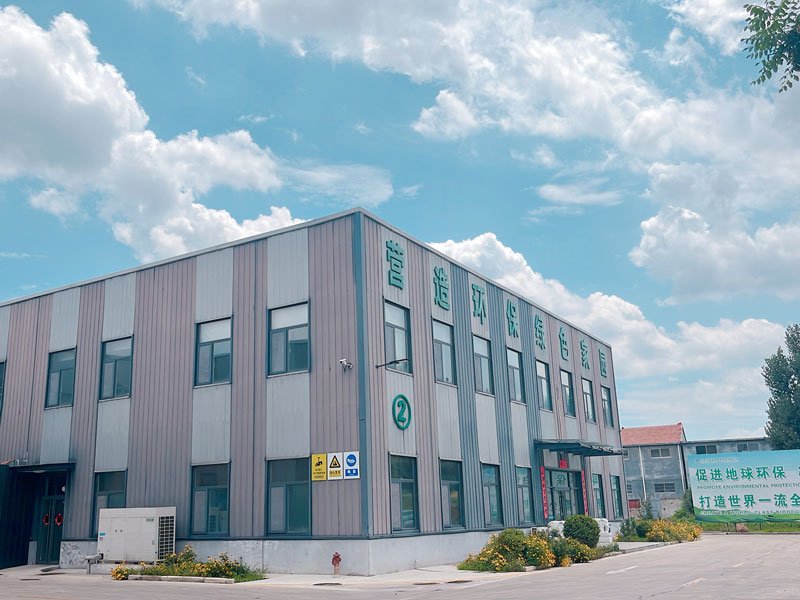
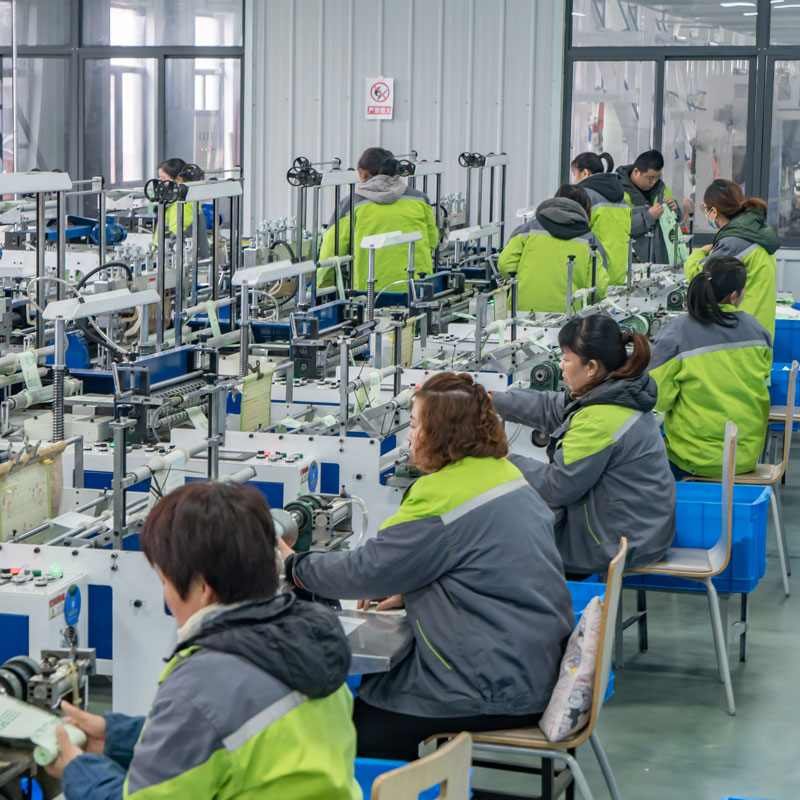
At Orizon, our focus is practical compostable bag manufacturing. We work mainly with OEM and private label buyers.
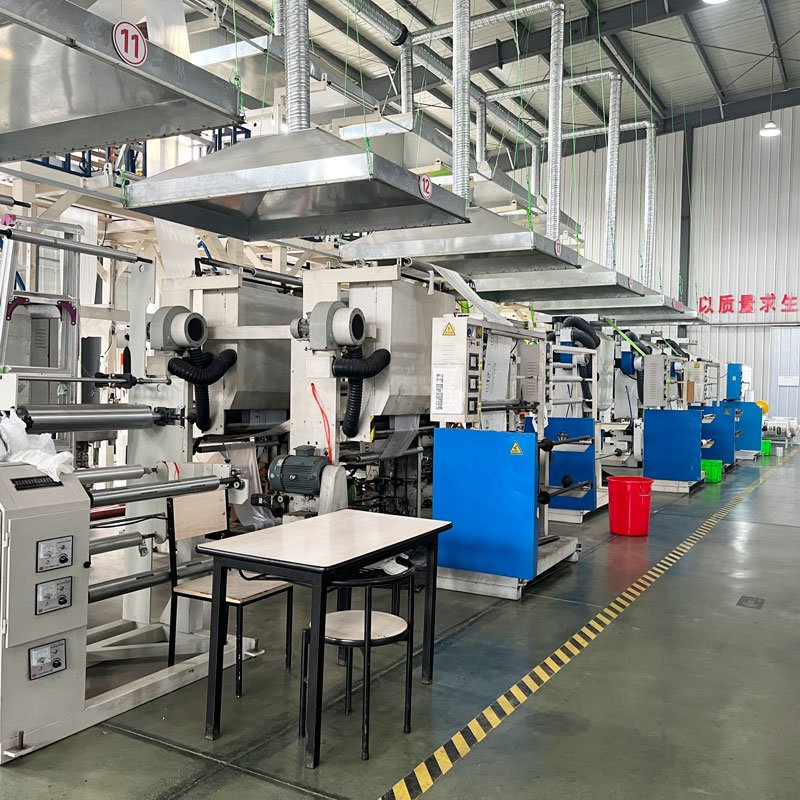
Our factory includes:
- 16 production lines
- monthly capacity of around 500 tons
- OEM customization support
- retail packaging support
- certification documentation support
Our production includes:
- compostable green bin liners
- compostable garbage bags
- food waste collection bags
- FOGO liners
- municipal compostable bags
We currently support buyers in:
- North America
- Australia
- Europe
We also understand that compostable bags are not only about materials. Real-world performance matters.
Especially in municipal waste systems.
FAQs About OEM Compostable Green Bin Bags
ASTM D6400, BPI Certified, EN13432, and AS4736 are among the most commonly requested compostability standards.
Yes. Many OEM projects include private label printing, certification logos, retail packaging, and multilingual artwork.
It depends on the application. Kitchen caddy liners usually use thinner film, while municipal wheelie bin liners often require thicker compostable film.
No. Municipal rules vary depending on local composting facilities and contamination policies.
MOQ depends on bag size, printing requirements, packaging format, and material structure.
Conclusion
OEM compostable green bin bags are no longer just simple trash bags.
They are part of modern food waste collection systems.
For distributors and municipal suppliers, choosing the right compostable bag manufacturer involves more than pricing alone.
Certification compliance, film stability, sealing quality, and municipal compatibility all matter.
As green bin and FOGO programs continue to expand, reliable OEM compostable liners will become more important in both retail and municipal waste markets.