Small compostable trash bags are designed for lightweight waste collection in kitchens, offices, bathrooms, and food waste bins. Compared to traditional plastic liners, they offer a more sustainable alternative while maintaining daily usability.
For distributors, brands, and commercial buyers, choosing the right size, thickness, and customization options is essential for performance, cost control, and product positioning.
This guide explains how to select the right small compostable trash bags for different applications.
What Are Small Compostable Trash Bags Made Of?
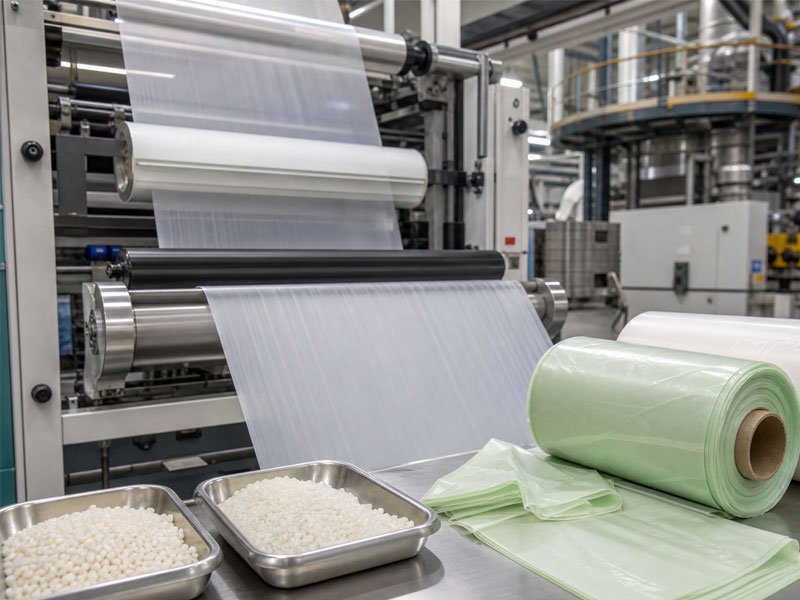
Most small compostable trash bags are made from certified compostable materials that balance flexibility and strength.
Common materials include:
- PLA (Polylactic Acid) – plant-based polymer
- PBAT – biodegradable material for flexibility
- PLA + PBAT blends – widely used for compostable liners
These materials allow the bags to break down under composting conditions while maintaining performance during use.
Learn more: What Are Compostable Bags Made Of ?
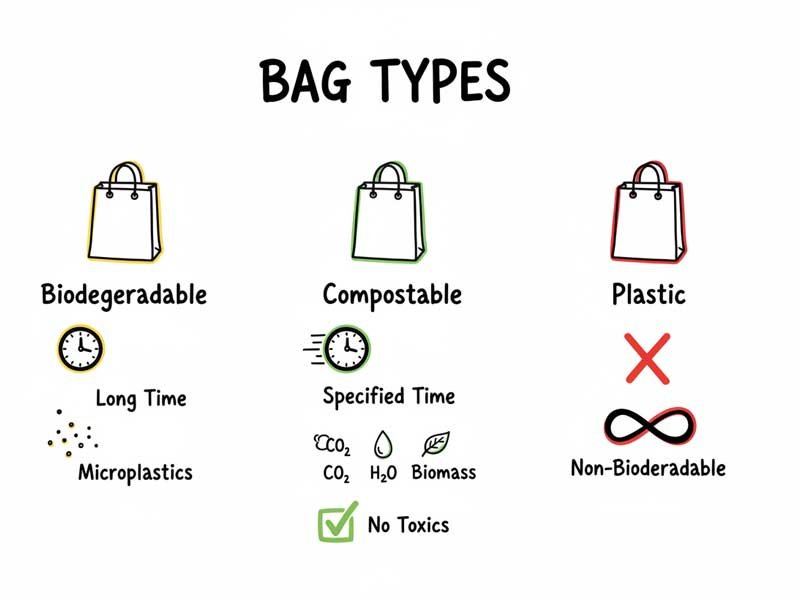
Compostable vs Plastic vs Biodegradable Small Trash Bags
Understanding the differences is critical for buyers.
Compostable small trash bags:
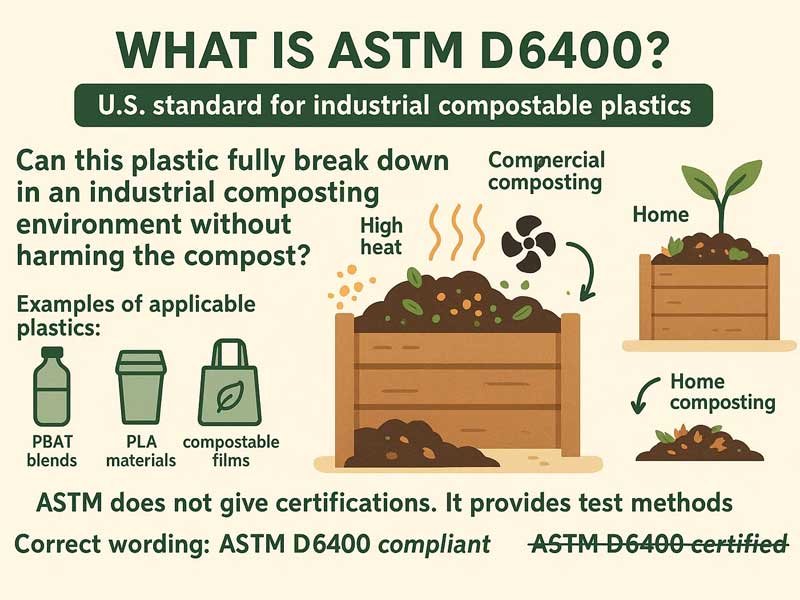
- Certified (EN13432, ASTM D6400, AS5810)
- Suitable for organic waste systems
- Break down into natural elements
Plastic bags:
- Strong but not environmentally friendly
- Not accepted in compost systems
Biodegradable bags:
- Degrade over time but often lack certification
- May not meet regulatory requirements
Related guide: Biodegradable vs Compostable Waste Bags
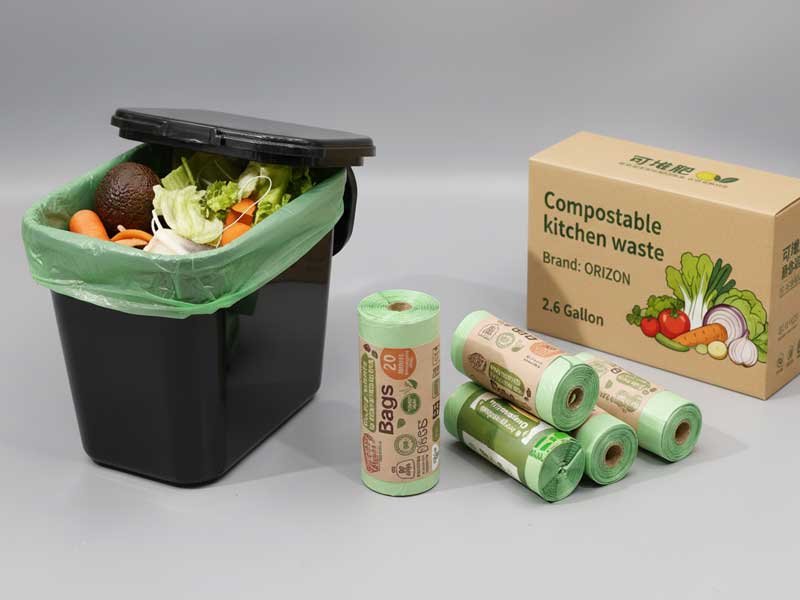
What Sizes Are Considered Small Compostable Trash Bags?
Small trash bags are typically used for compact bins and light waste applications.
Common sizes:
- 3–5 gallon (10–20L)
Kitchen caddy liners, food waste bins - 5–8 gallon (20–30L)
Office bins, bathroom bins - Custom small sizes
Brand-specific or application-specific designs
Reference: Trash Bag Size Guide
Typical Uses of Small Compostable Trash Bags
Small compostable trash bags are used across various environments:
Common applications:
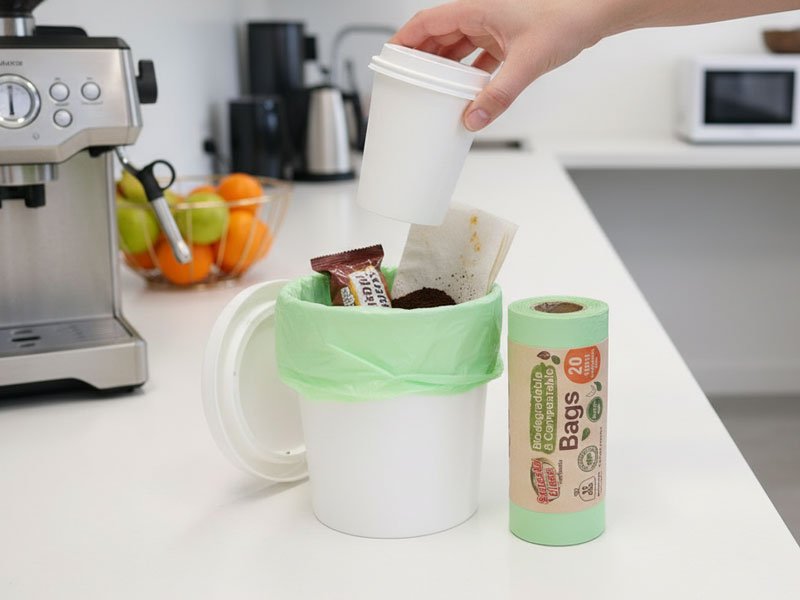
- Household kitchen waste bins
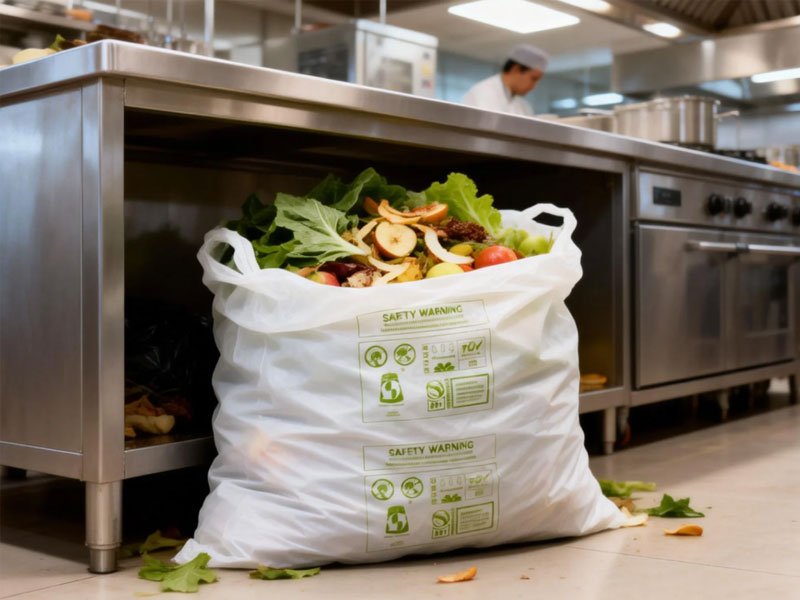
- Food scrap collection (FOGO systems)
- Office and desk bins
- Bathroom waste bins
- Retail and hospitality small waste bins
Related solution: Compostable Bags for Food Waste
What Thickness Works Best for Small Compostable Bags?
Thickness plays a key role in performance.
General guidelines:
- 10–12 microns
Light waste, dry applications - 12–15 microns
Standard daily use (recommended) - 15+ microns
Wet food waste or heavier loads
Key considerations:
- Leak resistance
- Tear resistance
- Seal strength
Reference: Compostable Bag Thickness Guide
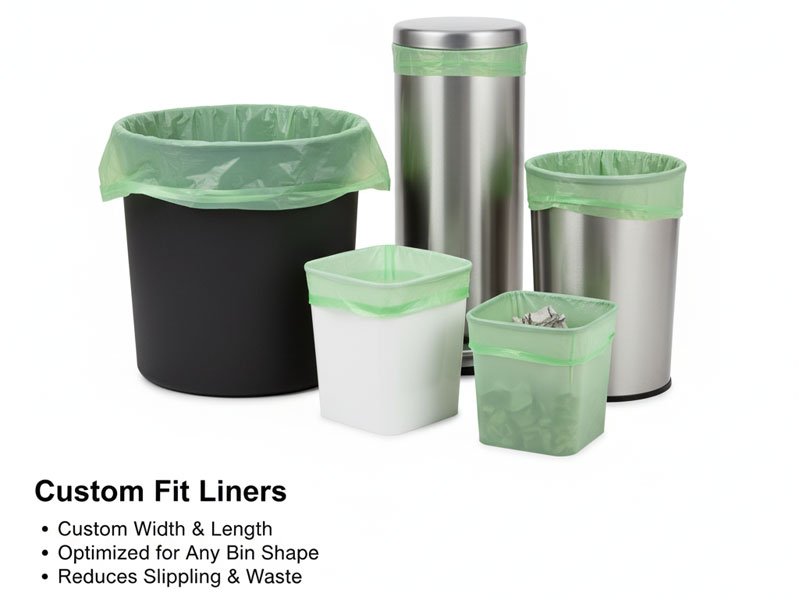
OEM & Private Label Options for Small Trash Bags
For brands and distributors, customization is a key advantage.
Available OEM options:
- Custom size and thickness
- Logo printing and branding
- Packaging formats (roll, box, dispenser)
- Barcode and retail-ready packaging
Learn more: OEM Compostable Bags
What Buyers Should Check Before Buying
1. Certification
Ensure compliance with:
- EN13432
- ASTM D6400 / BPI
- AS5810
Learn more: Compostable Certifications Overview
2. Fit and Compatibility
- Match bin size
- Avoid oversizing or undersizing
3. Moisture Resistance
- Important for food waste
- Prevent leakage and odor
Related: Are Compostable Bags Strong Enough for Wet Food Waste
4. MOQ and Supply Stability
- Production capacity
- Lead time
- Consistent quality
Learn more: Compostable Garbage Bags Wholesale
Common Mistakes Buyers Make
- Choosing bags that are too thin
- Ignoring certification requirements
- Using biodegradable instead of compostable
- Selecting incorrect sizes
- Overlooking supplier reliability
Related guide: Minimum Compliance Checklist for Compostable Bag Imports
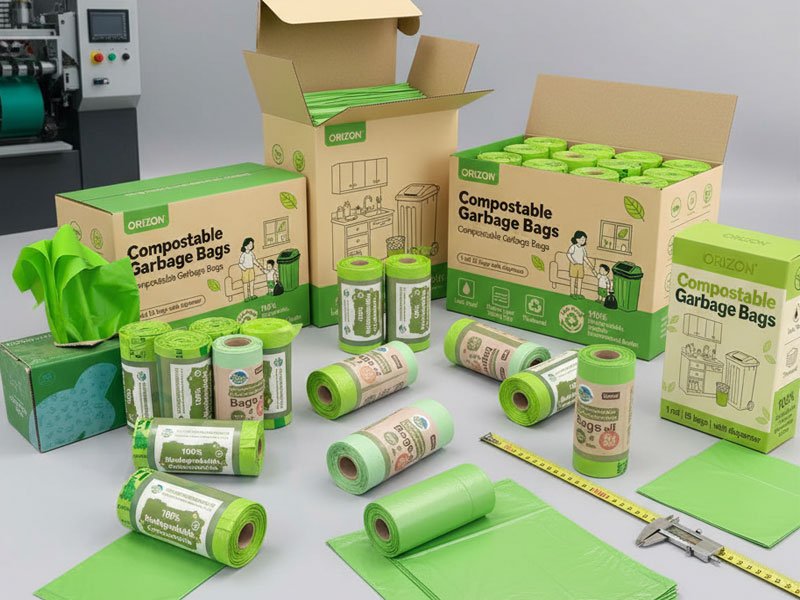
B2B Sourcing Advice: Choosing the Right Supplier
For long-term business success:
Key criteria:
- Certified compostable production
- Experience with small-size bag manufacturing
- Stable raw material sourcing
- OEM / private label capability
- Quality control system
Recommended reading: How to Choose A Compostable Bag Manufacturer
FAQ
What size is considered a small compostable trash bag?
Typically 3–8 gallon bags used for kitchen caddies, offices, and small bins.
Are small compostable trash bags strong enough for food waste?
Yes, if the correct thickness (12–15 microns or higher) is selected.
Can small compostable bags be used for wet waste?
Yes, but thicker bags are recommended for better leak resistance.
Do small compostable trash bags require certification?
Yes, certification ensures compliance with composting standards and regulations.
Looking for reliable small compostable trash bags for your business?
Explore our solutions:
Contact us for:
- Custom sizes and thickness
- Private label solutions
- Bulk pricing and MOQ