Temporary sanitation is something most people do not think about until infrastructure disappears.
A storm cuts power.
A campsite has no facilities.
A field operation moves into a remote area.
A disaster response team needs portable hygiene systems quickly.
In these situations, emergency sanitation bags become part of a larger field-use hygiene system.
They are not simply trash bags.
They are temporary sanitation tools designed for portability, controlled disposal, compact storage, and hygiene handling during short-term use.
This guide explains how emergency sanitation packaging systems are commonly used, what performance factors matter most, and what OEM buyers should consider when developing compostable field-use sanitation packaging.
What Are Emergency Sanitation Bags?
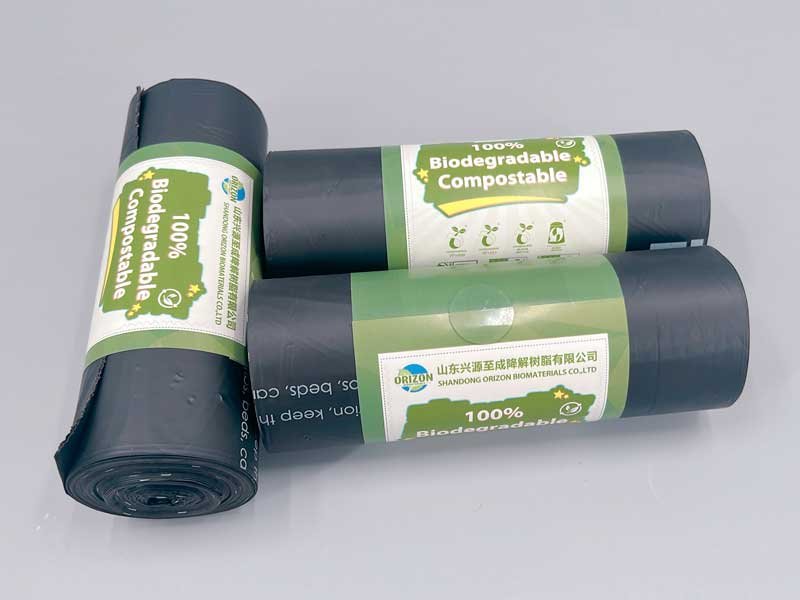
Emergency sanitation bags are disposable bags designed for temporary hygiene and waste containment in environments where permanent sanitation infrastructure may not be available.
These systems are commonly used in:
- disaster preparedness kits
- emergency hygiene systems
- portable toilet systems
- outdoor operational environments
- field-use sanitation programs
- temporary waste containment systems
In many cases, emergency sanitation packaging becomes part of a larger portable hygiene system that includes storage, transport, and controlled disposal.
Compared with standard garbage bags, field-use sanitation bags are usually designed with greater focus on:
- leak resistance
- portability
- sealing reliability
- odor-sensitive waste containment
- compact storage
- temporary liquid handling
Why Emergency Sanitation Systems Are Growing
Portable sanitation systems are becoming more common across many industries and public safety programs.
Disaster Preparedness
Emergency sanitation kits are now commonly included in disaster response planning.
According to Ready.gov Emergency Preparedness Guidance, emergency preparedness kits should include sanitation supplies for temporary hygiene situations.
This has increased demand for compact and portable sanitation packaging systems.
Outdoor & Remote Operations
Field-use hygiene systems are also widely used in:
- remote construction environments
- outdoor operational programs
- temporary field camps
- emergency response environments
These situations often require temporary sanitation handling where permanent facilities are unavailable.
Growth of Portable Hygiene Systems
Portable sanitation is no longer limited to camping.
Many hygiene systems now focus on:
- portability
- storage efficiency
- compact operational use
- controlled disposal
- transport durability
This shift is changing how sanitation packaging is designed.
Common Applications of Emergency Sanitation Bags
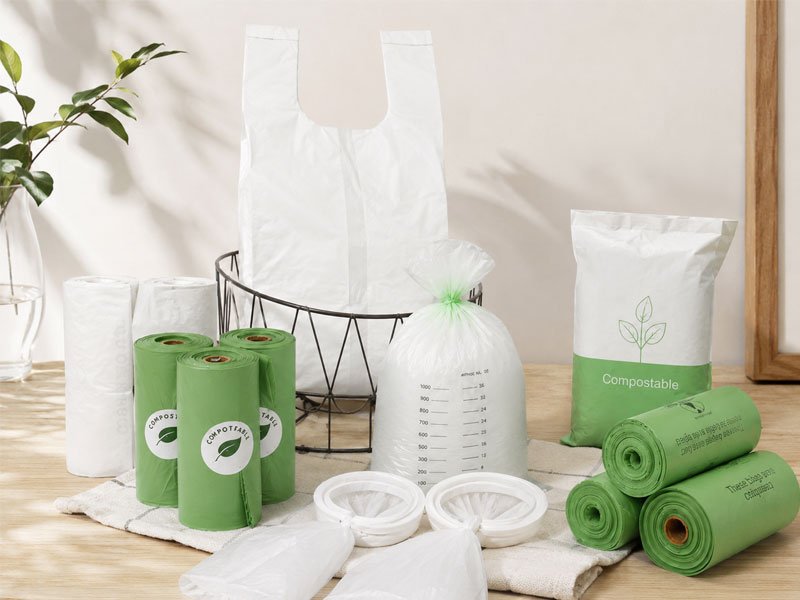
Emergency sanitation packaging systems are now used across many temporary hygiene applications.
Portable Toilet Systems
Portable toilet liners are commonly used in:
- emergency sanitation kits
- disaster response systems
- temporary field-use sanitation
- outdoor operational environments
These systems usually require leak-resistant compostable bag structures and stable sealing performance.
Emergency Hygiene Kits
Compact sanitation bags are often included in emergency hygiene kits because they improve portability and temporary waste containment.
Compact roll systems are commonly preferred for easier transport and storage.
Temporary Field-Use Sanitation
Field-use hygiene systems may require portable sanitation bags that can be carried in:
- vehicles
- backpacks
- storage containers
- emergency operational kits
Handling reliability becomes important in these environments.
Outdoor Operational Applications
Emergency sanitation packaging is also used in:
- remote outdoor activities
- operational field programs
- temporary work sites
- portable hygiene systems
Key Performance Requirements
Emergency sanitation applications often require more than basic waste collection.
The packaging structure itself becomes part of the sanitation system.
Leak Resistance
Leak resistant compostable bags help reduce contamination risks during temporary handling and transportation.
Sealing structure, film thickness, and material balance can all affect leak resistance.
Odor-Sensitive Waste Containment
Temporary sanitation systems may involve temporary storage before disposal.
Proper sealing becomes important for odor-sensitive waste containment.
Compact Storage
Compact roll-format compostable bags are commonly used because they improve portability and reduce storage space.
This is especially important in emergency preparedness kits and field-use systems.
Transport Durability
Emergency sanitation bags may be stored in vehicles, operational kits, or outdoor environments.
The compostable film structure should provide enough flexibility and handling stability during transportation.
Controlled Disposal
Many portable hygiene systems are designed around short-cycle disposal and temporary sanitation handling rather than long-term storage.
This is important because compostable materials behave differently from conventional PE plastic.

Materials Used in Emergency Sanitation Packaging
Many emergency sanitation bags are produced using:
- PLA
- PBAT
- starch-based compostable materials
These compostable film structures are commonly selected because they provide a balance between:
- flexibility
- sealing performance
- portability
- controlled disposal
- temporary liquid handling
Different sanitation applications may require different material structures depending on the intended use environment.
For example, field-use hygiene systems may require stronger sealing structures or thicker compostable films for improved handling stability.
Emergency Sanitation Packaging vs Standard Trash Bags
Standard trash bags are mainly designed for general waste collection.
Emergency sanitation systems often require more specialized packaging structures.
This may include:
- reinforced sealing
- compact roll systems
- temporary liquid handling
- odor-sensitive waste containment
- transport durability
- portable storage efficiency
In many field-use applications, the sanitation packaging itself becomes part of the operational hygiene system.
OEM & Private Label Opportunities
Many distributors and sanitation brands are now developing private-label emergency sanitation packaging systems.
OEM customization options may include:
- compact roll systems
- custom bag dimensions
- dispenser-compatible formats
- retail-ready packaging
- multilingual packaging
- custom printing
- operational bulk packaging
- private-label branding
Different field-use applications may also require different packaging structures depending on portability and operational handling requirements.
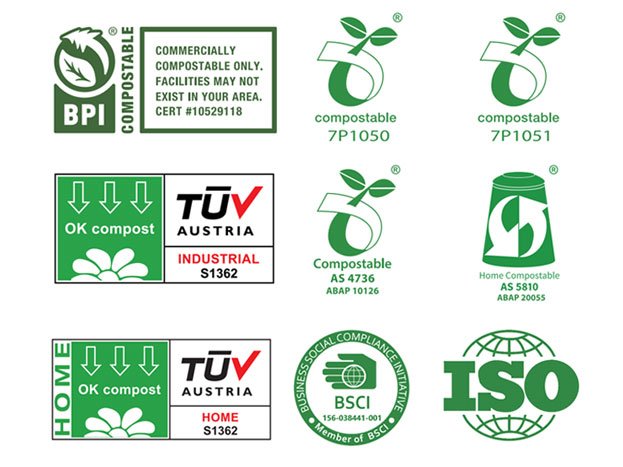
Certifications for Compostable Emergency Sanitation Bags
Common certifications include:
- EN 13432
- BPI ASTM D6400
- AS4736
- AS5810
- OK Compost INDUSTRIAL
- OK Compost HOME
Certification requirements may vary depending on the target market and disposal infrastructure.
According to BPI Certification Standards, certified compostable products must meet specific compostability requirements under controlled composting conditions.
The Future of Emergency Sanitation Packaging Systems
Temporary hygiene systems are becoming more specialized.
As disaster preparedness, portable sanitation, and field-use hygiene programs continue to grow, packaging systems are becoming more compact, portable, and application-oriented.
The industry is gradually moving beyond standard trash bags toward sanitation packaging systems designed around:
- field-use portability
- temporary hygiene handling
- compact operational storage
- controlled disposal
- odor-sensitive waste containment
In many cases, the packaging structure itself is becoming part of the overall sanitation solution.
Emergency Sanitation Packaging Solutions from ORIZON
At ORIZON, we support OEM and private-label emergency sanitation packaging projects for field-use hygiene, portable sanitation, and temporary waste containment applications.
We support:
- emergency sanitation bags
- portable hygiene packaging systems
- compact roll-format compostable bags
- leak-resistant compostable structures
- retail-ready packaging
- custom printing
- private-label programs
- application-oriented packaging development
When discussing field-use sanitation projects, we usually begin with the intended use environment. Because in emergency sanitation systems, portability and handling reliability often matter as much as the material itself.