Most people think compostable toilet bags are simple products.
I used to think that too.
Until I spent more time inside real production environments.
Especially portable sanitation products.
At first glance, a compostable toilet bag looks very similar to a normal plastic liner.
But once you start manufacturing them, the differences become obvious very quickly.
Temperature control becomes harder.
Film stability changes.
Sealing becomes more sensitive.
Humidity matters more.
And small production mistakes can create much bigger problems later during RV travel or portable sanitation use.
This article explains how compostable toilet bags are actually manufactured, and why portable sanitation systems create very different production requirements compared to ordinary trash bags.
What Materials Are Used in Compostable Toilet Bags?
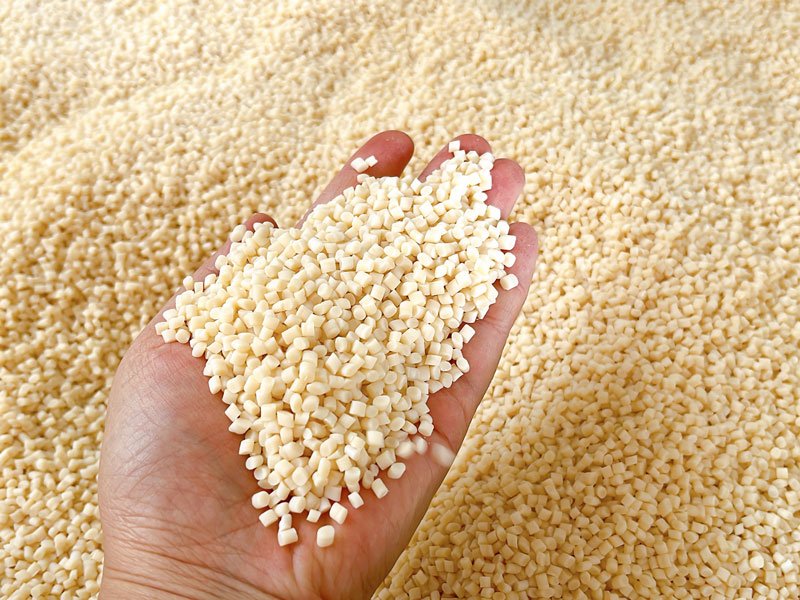
Most compostable toilet bags are produced using materials like:
- PLA
- PBAT
- starch-based blends
Each material behaves differently during production.
PLA provides stiffness and structure.
PBAT improves flexibility and toughness.
That balance matters a lot.
Especially for portable sanitation bags.
If the material becomes too rigid, the bag may crack during folding or storage.
If it becomes too soft, sealing stability and load resistance may decrease.
This is one reason why many manufacturers spend a long time adjusting PLA PBAT film formulations before large-scale production begins.
Small formula changes can create very different results later in RV sanitation systems.
Why Compostable Film Is Harder to Control Than PE Film
Traditional PE film is usually more stable during production.
Compostable film is different.
It reacts more easily to:
- temperature fluctuation
- humidity
- cooling speed
- material ratio changes
That means the production process becomes more sensitive.
Especially during blown film extrusion.
Even small instability inside the extrusion bubble can affect:
- thickness uniformity
- elongation
- sealing performance
- leak resistance
This is one reason why some low-cost compostable toilet bags perform well at first but fail during longer storage or high-temperature travel conditions.
The issue is often not visible immediately.
But it appears later during actual use.
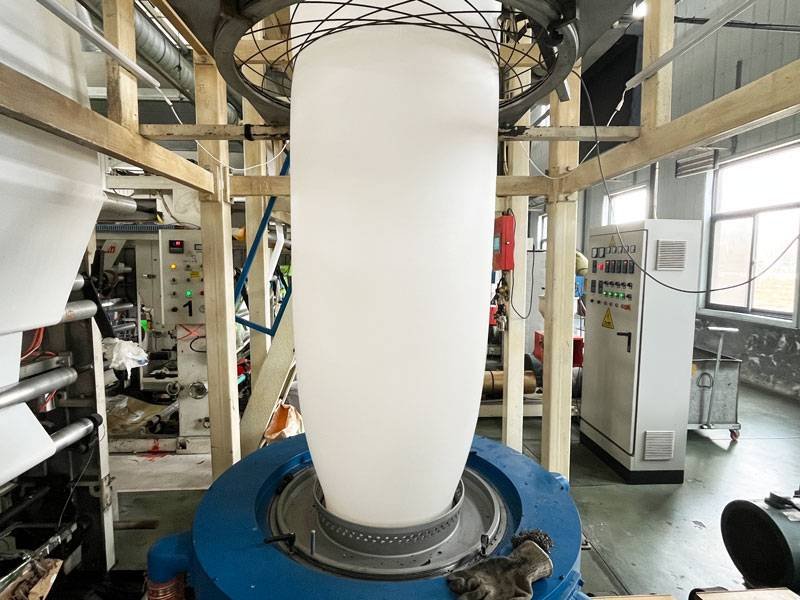
Film Extrusion for Portable Toilet Bags
Most compostable toilet bags are manufactured using blown film extrusion.
In simple terms, compostable raw materials are melted and pushed upward through a circular die to create a thin plastic film bubble.
That bubble then cools, collapses, and rolls into large film rolls.
Sounds simple.
In reality, it is not.
Portable sanitation bags usually require better thickness consistency than ordinary lightweight shopping bags.
Because RV toilet bags deal with:
- moisture
- pressure
- temporary waste storage
- transportation stress
- sealing pressure
If thickness changes too much across the film surface, weak areas may appear.
And weak areas often become leak points later.
Especially during long RV trips.
Why Seal Strength Matters So Much in RV Toilet Bags
This is one area many buyers underestimate.
Most people focus on material thickness.
But sealing quality is often even more important.
In real portable sanitation systems, sealing types and leakage risks matter far more than many users initially expect.
Weak sealing can cause:
- slow leakage
- odor escape
- bag splitting
- transportation failures
Especially inside warm vehicle environments.
Portable toilet bags experience much more stress than ordinary household trash liners.
That is why sealing temperature, pressure, and cooling time all need careful adjustment during production.
Sometimes a bag may pass basic testing inside the factory.
But still fail during multi-day RV travel.
That difference matters.
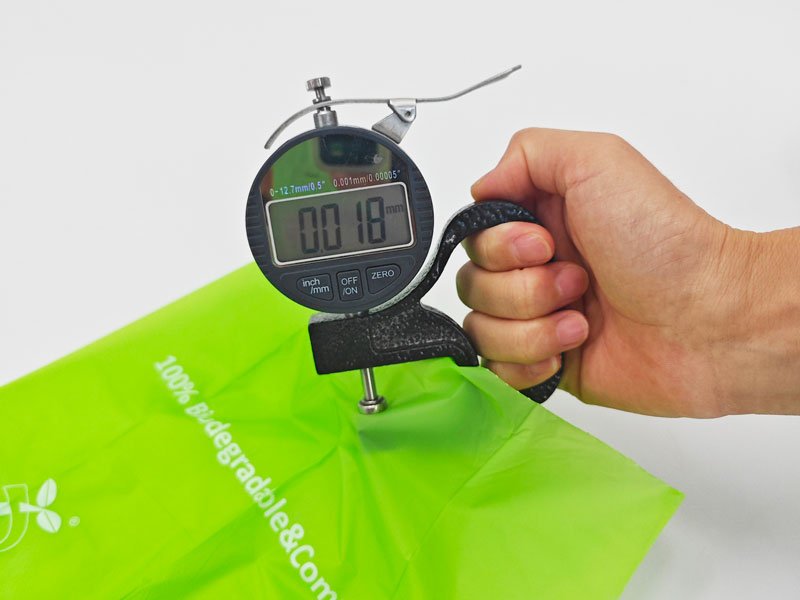
Thickness Control and Leak Resistance
Many users assume thicker bags automatically perform better.
That is not always true.
A poorly controlled thick bag may still fail.
A well-manufactured thinner bag may actually perform more consistently.
The real challenge is thickness uniformity.
If one section of the film becomes thinner than the rest, stress concentrates there first.
And portable sanitation systems create uneven stress constantly.
Especially during:
- folding
- storage
- sitting pressure
- waste movement
- heat expansion
This is why serious manufacturers continuously monitor thickness during production instead of relying only on final inspection.
Why Some Compostable Toilet Bags Become Brittle
This is a common issue in portable sanitation systems.
Especially during long storage periods.
Compostable materials are generally more sensitive to environmental conditions than traditional PE plastics.
Heat, sunlight, and humidity can gradually affect film flexibility over time.
Poor storage conditions may lead to:
- brittleness
- cracking
- weak sealing
- reduced elongation
This is also why storage and transport conditions for compostable bags matter much more than many distributors initially realize.
The manufacturing process matters.
But storage after production matters too.
How Odor and Moisture Affect Compostable Toilet Bags
Portable toilet bags behave differently depending on the sanitation environment.
Inside RVs and vans, temperature and humidity can rise very quickly.
Especially during summer travel.
Moisture exposure affects:
- odor buildup
- biological activity
- film stability
- sealing pressure
This is one reason some biodegradable camping toilet bags are designed mainly for shorter sanitation cycles instead of extended storage environments.
Not every compostable toilet bag is engineered for long-duration RV travel.
And that difference becomes very obvious during actual use.
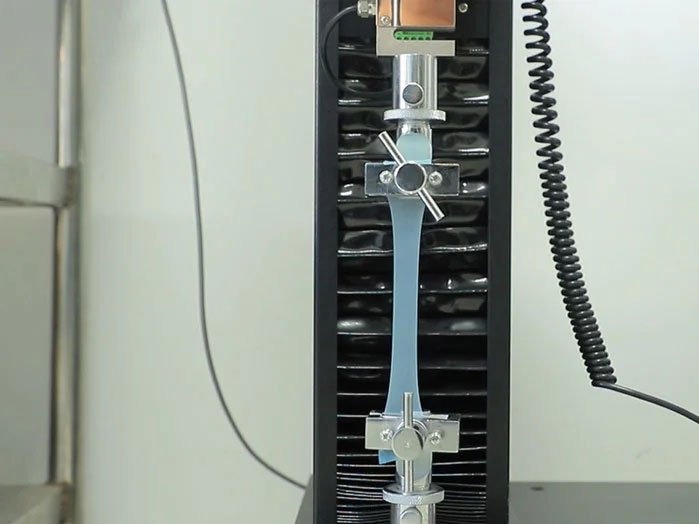
Quality Control During Compostable Toilet Bag Production
Good-looking bags are not enough.
Real quality control usually includes:
- thickness inspection
- tensile testing
- elongation testing
- sealing strength testing
- leak testing
- visual inspection
- roll consistency checks
Portable sanitation bags require much stricter control than many buyers expect.
Because the product interacts directly with waste systems.
A small production problem may become a major sanitation problem later.
Especially during travel.
Why Portable Sanitation Bags Need Different Manufacturing Standards
Portable sanitation products are different from ordinary trash bags.
The use environment is more demanding.
RV and van life systems create:
- higher humidity
- temperature fluctuation
- long-term storage
- transportation pressure
- confined-space odor problems
That means portable toilet bags often require different production priorities compared to normal household liners.
The goal is not only compostability.
The bag also needs:
- stable sealing
- controlled elongation
- leak resistance
- storage stability
- transportation durability
That balance is not easy.
And honestly, many factories still underestimate how difficult portable sanitation products actually are.
Conclusion
I used to think compostable toilet bags were simple products.
Now I do not think that anymore.
The more I study portable sanitation systems, the more I realize manufacturing quality affects everything later.
Especially inside RV and van life environments.
A bag may look fine when leaving the factory.
But fail completely after heat exposure, humidity, pressure, and multi-day storage.
That is why portable sanitation manufacturing is not only about producing bags.
It is about understanding how those bags behave later in real-world sanitation systems.
Today, more manufacturers are beginning to realize that portable hygiene packaging systems require a balance between material science, production stability, storage conditions, and actual travel environments.
That is where better portable sanitation products begin.