Compostable Toilet Bags Manufacturer for Portable Sanitation Systems
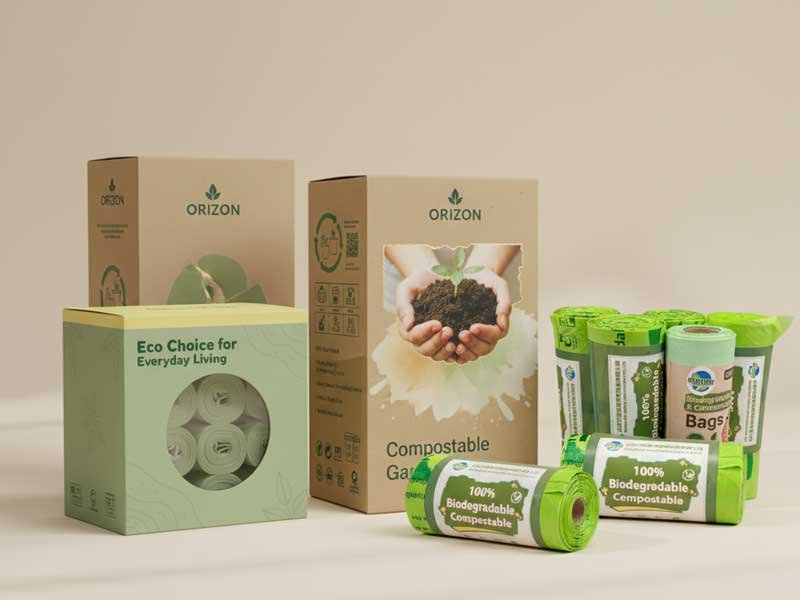
OEM compostable toilet bags for camping toilets, RV sanitation systems, emergency hygiene kits and other portable sanitation applications.
Designed for B2B buyers requiring custom dimensions, film thickness, sealing, packaging and market-specific documentation.
Custom PBAT / PLA / starch-based film structures · Wet-load testing options · OEM & private label supply
Not for retail sales.
Why Work With ORIZON for Compostable Toilet Bags?
- Manufacturing compostable bags since 2009
- OEM and private-label production for B2B buyers
- Custom bag dimensions, thickness, color, printing and packaging
- Roll, flat-pack and bulk packing configurations
- Wet-load and sealing performance review for portable sanitation applications
- Material and technical documentation support based on project requirements
- Multi-market project support for Europe, North America and Australia
For larger customized or repeat-order projects, learn more about our OEM compostable bag manufacturing capabilities.
What Are Compostable Toilet Bags?
Compostable toilet bags are liners designed for portable sanitation, temporary waste containment and compatible toilet systems where a compostable-material bag specification is required.
Unlike products marketed only as “biodegradable,” compostable products may be evaluated against defined compostability requirements under specified conditions.
However, any compostability claim for a toilet bag should be based on the actual finished-product specification and appropriate supporting documentation. A material name or a certificate covering another product category should not be used as proof that the finished toilet bag is certified.
Compostable film formulations may include PBAT, PLA and starch-based components, depending on the required finished-product specification.
Compostability, physical bag performance and the permitted disposal route should be evaluated separately. A compostable-material bag does not automatically determine how the human waste contained inside it may be disposed of.
For a broader explanation of the terminology, see our guide to biodegradable vs compostable products.
Compatible Portable Toilet Systems
Our compostable toilet bags can be developed for compatibility with different portable sanitation systems, including:
- Folding camping toilets
- Bucket toilet systems
- RV portable toilets
- Composting toilets
- Dry-flush toilet systems
- Emergency sanitation stations
- Off-grid sanitation setups
- Marine portable toilet systems
Different toilet systems require different liner structures, thicknesses and sealing performance.
For example:
RV toilet liners may require stronger wet-load resistance
Composting toilet projects may place greater emphasis on material specification and disposal planning
Emergency sanitation bags may require higher puncture resistance and longer temporary storage performance
OEM customization can be reviewed according to your toilet-system structure, intended use and deployment environment.
Applications of Compostable Toilet Bags (B2B Use Cases)
Portable Toilet System Manufacturers
- Custom sizes
- Reinforced heat seal
- OEM packaging
- frame compatibility optimization
- System-specific bag configuration
Private-label toilet bags can be developed according to the dimensions and operating requirements of the sanitation system.
Sanitation & Hygiene Solution Providers
- Heavy-duty compostable toilet bags
- bulk flat-pack supply
- institutional sanitation deployment
- emergency hygiene programs
Suitable specifications can be developed for project-based and repeat B2B supply.
Outdoor Facility & Camping Operators
- camping toilet liners
- leak-resistant portable sanitation bags
- odor containment structures
- controlled disposal applications
Bag dimensions, thickness and sealing should be selected according to the actual toilet system and expected load.
Emergency & Disaster Relief Programs
- Higher film thickness, ≥60 μm thickness
- High wet-load performance
- Institutional deployment
- temporary sanitation deployment
- Compact storage and transportation
Final specifications should be evaluated according to the expected load, containment time and field conditions.
RV & Van Life Product Brands
- RV sanitation liners
- portable toilet bag systems
- compact roll-format toilet liners
- customized packaging support
- OEM branding
For projects requiring a fully customized specification, review our custom compostable bag options.
Compostable Toilet Bags vs Generic Biodegradable Liners
“Biodegradable” alone does not define a specific composting environment, timeframe or disposal condition.
For portable sanitation projects, buyers should evaluate two separate areas.
Environmental Claim and Documentation
Check:
- What environmental claim will be made?
- Which standard or test method may be relevant?
- Is the intended claim industrial or home composting?
- What documentation supports the actual finished-product specification?
- Does the artwork accurately reflect the available evidence?
Physical Bag Performance
Check:
- Seal strength
- Puncture resistance
- Wet-load performance
- Film thickness
- Temporary storage requirements
Documentation relating to compostability does not by itself prove leak resistance or bag strength.
Likewise, good physical performance does not by itself prove compostability.
Wet-Load & Seal Performance
Portable sanitation applications can place greater wet-load and sealing demands on a bag than ordinary dry-waste applications.
Depending on the project, performance evaluation may include:
- Wet-load resistance
- Seal integrity
- Puncture resistance
- Leakage resistance
- Temporary containment performance
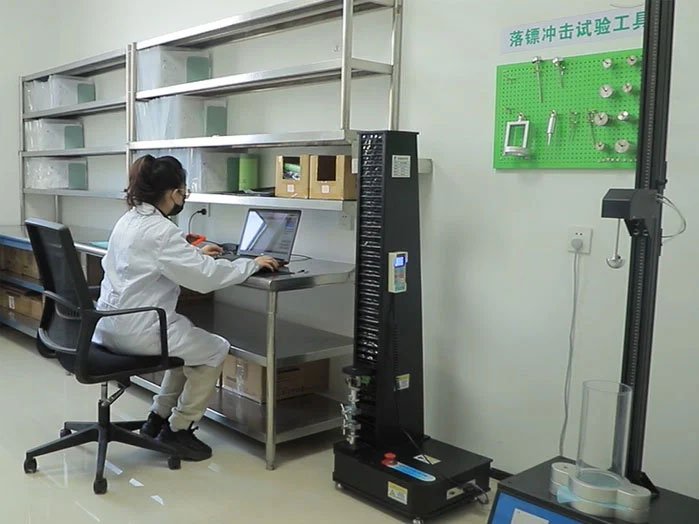
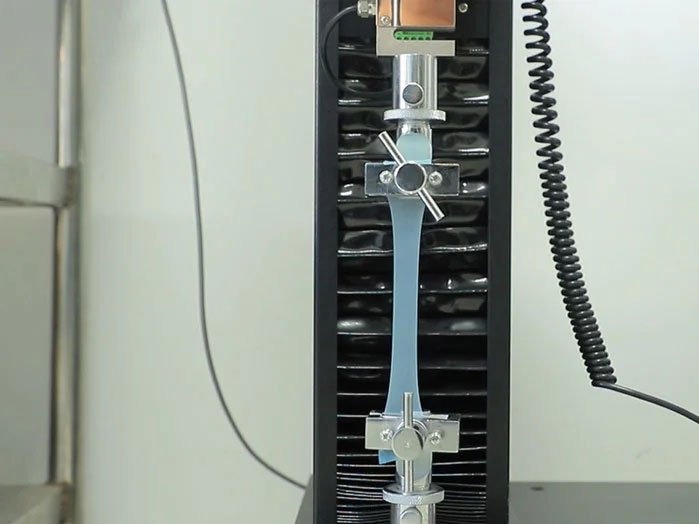
For specifications using our internal 8 kg / 24-hour room-temperature wet-load test, the exact bag dimensions, thickness and seal configuration should be recorded with the test result.
Testing one configuration should not automatically be applied to every size, thickness or bag structure.
Film thickness also affects strength, cost and bag performance. For general micron guidance, see our compostable bag thickness guide.
Specifications for Compostable Toilet Bags
| Item | Typical / Custom Options |
|---|---|
| Material | PBAT / PLA / starch-based formulations or other project-specific options |
| Thickness | Project-dependent; custom thickness available |
| Common Sizes | 45 × 50 cm / 60 × 65 cm / 70 × 80 cm |
| Custom Sizes | Available |
| Bag Formats | Rolls / flat packs / bulk |
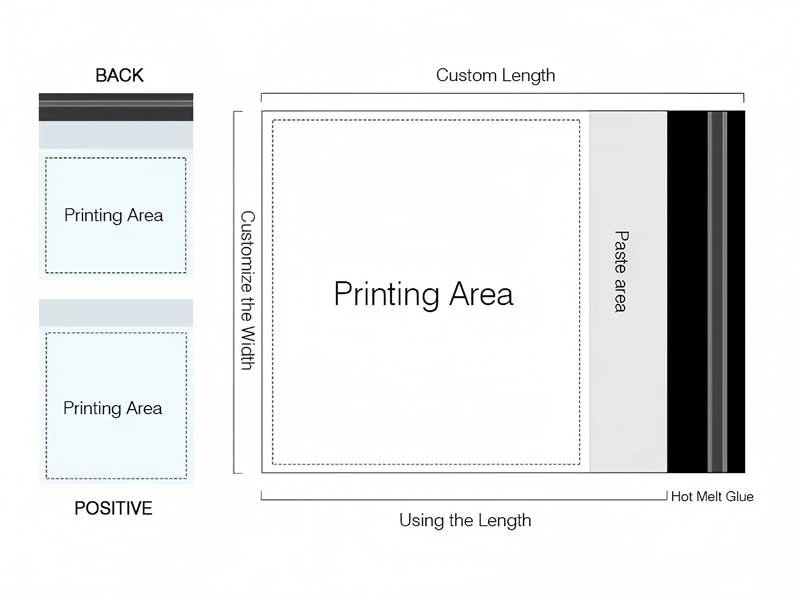
| Printing | Custom logo / artwork options |
| Packaging | Bulk or private-label packaging |
| Performance Testing | Project-specific wet-load / seal testing |
| Documentation | Reviewed according to the project specification and destination market |
| Optional System Components | Reviewed separately by project |
Standards, Documentation & Toilet-Bag Disposal
Compostability requirements and human-waste disposal are two separate questions.
A toilet bag should not be described as certified simply because a material, manufacturer or different product category is covered by a compostability certificate.
For toilet-bag projects, environmental claims should be reviewed against:
- The actual finished bag
- Material formulation
- Film thickness
- Color and printing
- Intended environmental claim
- Applicable testing or documentation
- Destination market
- Intended disposal system
Certification Support
Different markets may reference different compostability standards.
For EU projects, buyers can review EN 13432 requirements for industrial compostability.
For U.S. projects, buyers can review ASTM D6400 requirements for industrial or commercial composting applications.
For Australian projects, buyers can review AS 4736 industrial composting requirements and AS 5810 home composting requirements, depending on the intended environmental claim.
These standards are provided here as general procurement references.
Their inclusion on this page does not mean that every ORIZON toilet-bag specification is certified under these standards or covered by an existing ORIZON certificate.
Any certification claim or certification-mark use must be confirmed separately for the actual finished product before artwork or mass production is approved.
Disposal Requirements Must Be Confirmed Separately
A compostable-material toilet bag should not automatically be interpreted as permission to:
Bury a used toilet bag outdoors
Leave it in the natural environment
Place it in landfill and expect rapid breakdown
Put human waste into a composting system without approval
Ignore local sanitation or human-waste regulations
Buyers should separately confirm the requirements of the receiving composting facility, sanitation system or waste-management program.
Compliance Checklist for OEM Toilet-Bag Buyers
| Check | What to Confirm |
|---|---|
| Intended environmental claim | What claim will appear on the product or packaging? |
| Applicable standard | Which standard or test method is relevant to the destination market? |
| Finished specification | Are dimensions, thickness, formulation, color and printing finalized? |
| Supporting evidence | What testing or technical documentation supports the intended claim? |
| Packaging artwork | Does the wording accurately match the available documentation? |
| Disposal route | Will the receiving sanitation or waste system accept the used bag and its contents? |
| Local requirements | Are additional hygiene or human-waste rules applicable? |
Environmental claims should be finalized only after the finished-product specification and supporting documentation have been reviewed.
Three Things Buyers Should Evaluate
A compostable toilet bag project should be evaluated across three separate layers.
1. Environmental Claim & Documentation
Does the intended environmental claim match the actual finished-product specification and available documentation?
2. Finished-Bag Performance
Does the bag provide the required:
- Seal strength
- Wet-load performance
- Puncture resistance
- Thickness consistency
- Temporary storage performance?
3. Disposal Infrastructure
Is there an approved route for the used bag and the human waste or other material contained inside it?
Environmental documentation does not replace product-performance testing, and product performance does not replace waste-handling planning.
OEM & Private Label Compostable Toilet Bags
ORIZON supports OEM and private-label manufacturing programs for B2B buyers requiring specification-based production and repeat supply.
Customization options include:
- Bag dimensions and thickness
- Film color
- Logo and artwork printing
- Roll or flat-pack configuration
- Retail or bulk packaging
- Market-specific documentation requirements
For additional customization options, see our OEM compostable bag manufacturing capabilities.
Standard custom production typically starts from approximately 500 kg per specification or design.
Equivalent bag quantities vary by dimensions, thickness and configuration. Product-specific trial quantities may differ.
Production lead time is confirmed after the final specification, quantity, artwork and packaging requirements are approved.
For purchasing details, see our custom compostable bag MOQ & lead time guide.
Manufacturing & Quality Control
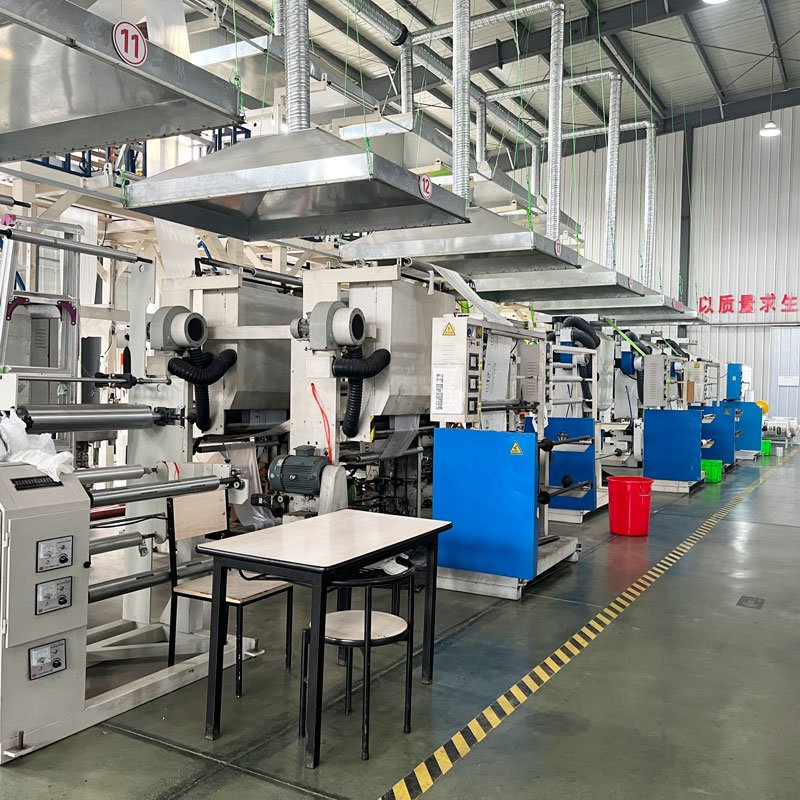
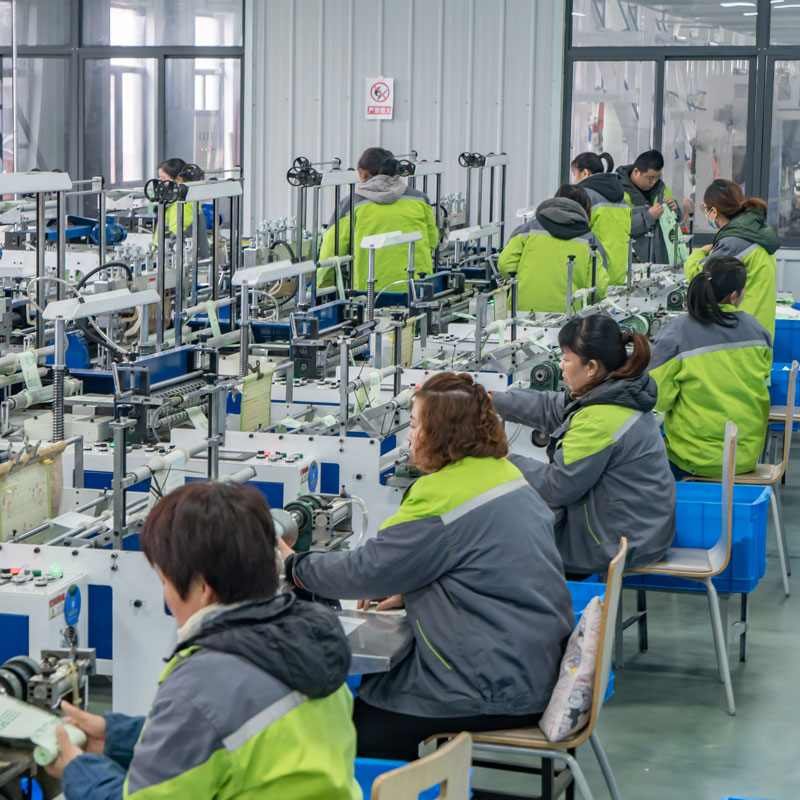
ORIZON manufactures compostable bags in Qufu, Shandong, China.
Current factory information includes:
- Approx. 20,000 m² manufacturing site
- 16 automatic production lines
- Reported monthly production capacity of approximately 500 metric tons
- Film extrusion, printing, bag making and packing capabilities
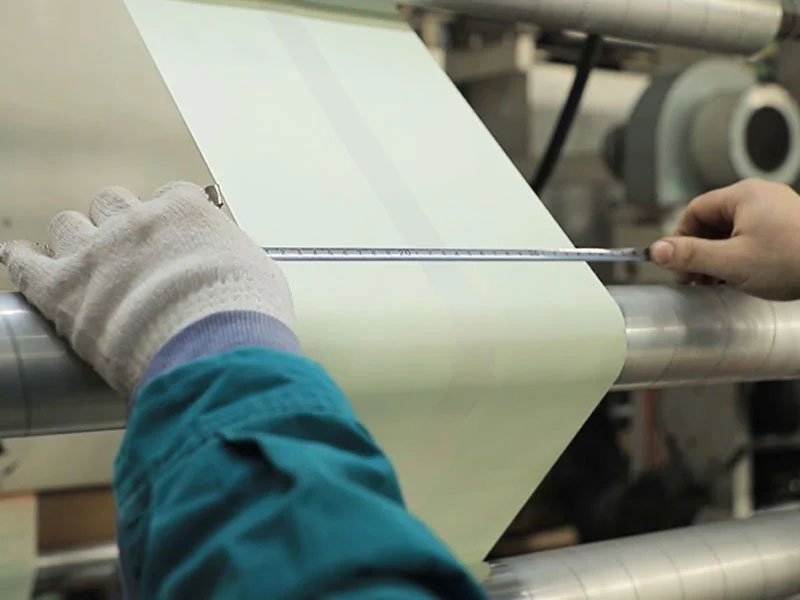
- Batch quality-control procedures for dimensions, thickness, sealing and finished-product appearance
For more information about production capabilities, equipment and quality-control procedures, visit our compostable bag factory page.
What B2B Buyers Should Compare
| Factor | What to Check |
|---|---|
| Environmental claim | Intended claim, applicable requirements and supporting evidence |
| Film specification | Dimensions, thickness and formulation |
| Sealing | Seal structure and wet-load performance |
| Packaging | Bulk, roll or private-label configuration |
| MOQ | Production MOQ by specification |
| Documentation | Technical, market-specific and export documentation |
| Disposal route | Compatibility with the receiving sanitation / waste system |
Request a Custom Toilet Bag Quote
Need compostable toilet bags for an RV, camping toilet, emergency sanitation system or private-label project?
Send us your required size, quantity and application. We can review the suitable bag structure, thickness, packaging and customization options for your project.
FAQ
Yes, depending on the toilet system and required bag specification.
RV and camping toilet liners may require different dimensions, film thickness, seal strength and wet-load performance. We recommend confirming the toilet structure and expected load before production.
There is no single thickness suitable for every application.
Many portable sanitation projects may use approximately 30–60 μm film, depending on bag size, expected load, puncture risk and temporary containment requirements.
For more information, see our compostable bag thickness guide.
Leak resistance depends on the finished bag specification, including film thickness, sealing structure, bag dimensions and wet-load performance.
For portable sanitation applications, project-specific wet-load and seal testing is recommended before bulk production.
Certification should be confirmed for the actual finished-product specification.
A certificate covering a material, manufacturer or another product category should not be interpreted as certification of every toilet-bag configuration.
Applicable standards, testing and documentation should therefore be reviewed according to the final product and target market.
Not automatically.
A home-compostable claim requires appropriate evidence for the actual finished product under the applicable standard or certification scheme.
The fact that a bag uses compostable-material formulations does not by itself mean that the finished toilet bag is home-compost certified.
Not automatically.
Compostability requirements and human-waste disposal requirements are separate. A used toilet bag should only enter a composting or waste system that accepts both the bag and its contents.
Always follow local sanitation and waste-management requirements.
Standard customized production typically starts from approximately 500 kg per specification or design.
The equivalent number of bags depends on the bag dimensions, thickness and configuration. Product-specific trial quantities may differ.
For more information, see our custom compostable bag MOQ & lead time guide.