Portable Toilet Liners OEM Guide
Table of Contents
Portable toilet liners look simple at first.
Until they are used inside real sanitation environments.
Especially during:
- RV travel
- off-grid camping
- emergency sanitation
- portable hygiene systems
- confined vehicle environments
That is usually when liner quality begins affecting real operational performance.
Over the past several years working in compostable bag manufacturing and portable sanitation packaging, I realized something important:
Many sanitation problems are not caused by the toilet itself.
They are often caused by unstable liner systems.
Weak sealing.
Poor film consistency.
Storage pressure.
Heat exposure.
Leak failures during transportation.
Portable toilet liners are not only disposable bags.
They are part of larger portable sanitation systems.
This guide explains how OEM portable toilet liners are manufactured, customized, and used across RV sanitation, camping toilets, emergency hygiene systems, and portable waste handling environments.
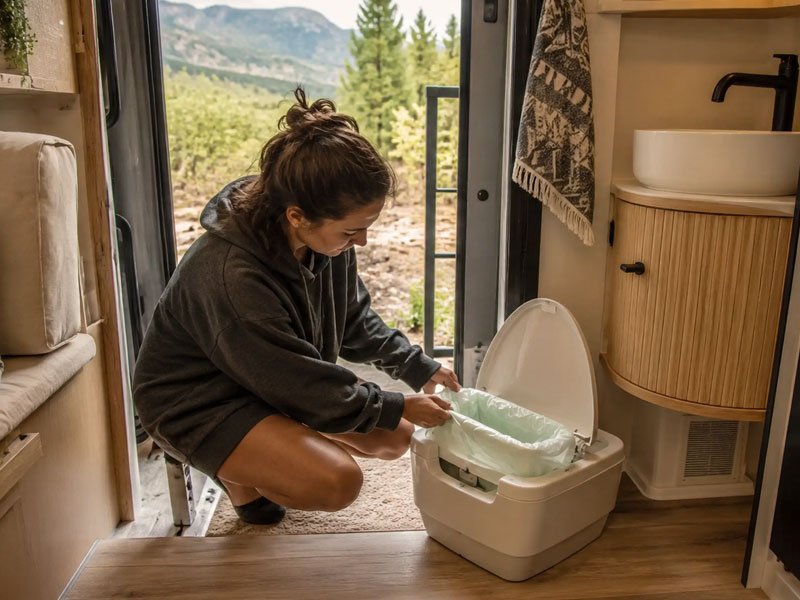
What Are Portable Toilet Liners?
Portable toilet liners are disposable waste liners designed for temporary sanitation systems.
They are commonly used inside:
- portable camping toilets
- bucket toilet systems
- RV sanitation systems
- emergency toilets
- off-grid sanitation setups
- disaster relief sanitation systems
The liner helps isolate waste during temporary storage and disposal.
Depending on the application, portable toilet liners may prioritize:
- leak resistance
- odor isolation
- portability
- compact storage
- easier waste handling
- reduced plastic waste
Different sanitation environments require different liner structures.
This is why OEM development becomes important for many sanitation brands.
Portable Toilet Liner Applications
Portable toilet liners are used across many sanitation environments.
Especially where plumbing infrastructure is unavailable or limited.
The most common applications include:
RV and Van Life Sanitation
Many RV users require portable sanitation systems during long-distance travel.
In these environments, waste storage, odor control, and leak prevention become much more important.
This is why many sanitation brands begin researching custom portable toilet liners for RV and van life systems.
Camping and Outdoor Use
Portable toilet liners are widely used in:
- camping toilets
- hiking sanitation kits
- outdoor recreation systems
- temporary travel sanitation
These systems often prioritize:
- lightweight portability
- compact packaging
- easier disposal
Emergency Sanitation Systems
Emergency sanitation environments often require fast-deployment waste handling systems.
Portable toilet liners are commonly used during:
- disaster relief
- temporary shelters
- emergency response
- remote work environments
Operational simplicity becomes extremely important in these situations.
OEM Manufacturing Options
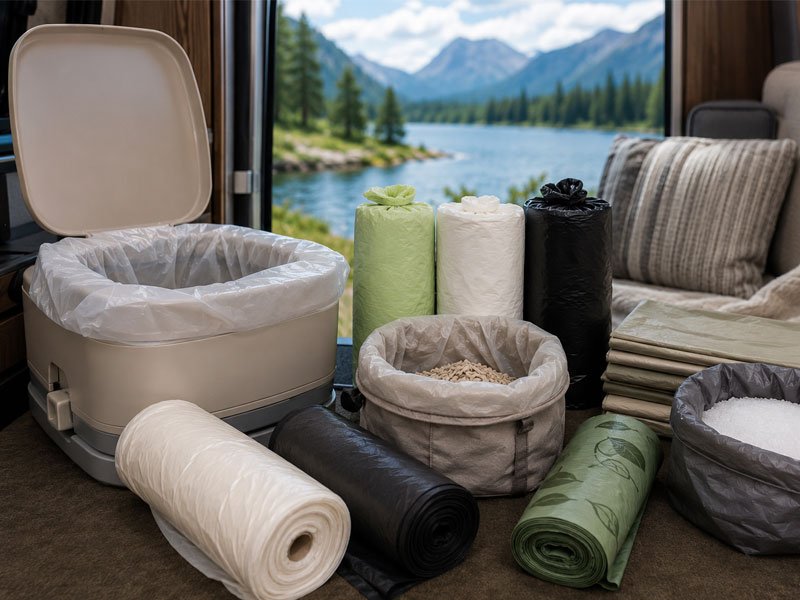
OEM portable toilet liner manufacturing usually involves several customization areas.
Including:
- liner dimensions
- film thickness
- roll structure
- sealing systems
- packaging formats
- branding
- material structures
Different sanitation systems often require different liner behavior during storage and transportation.
This is why OEM portable sanitation manufacturing focuses heavily on operational stability instead of only appearance.
Material Structures
Portable toilet liners can be manufactured using different material structures depending on the application.
The most common options include:
Compostable Materials
Many compostable toilet liners use materials such as:
- PLA
- PBAT
- starch-based compounds
These materials are commonly used for:
- eco-focused sanitation systems
- camping applications
- short sanitation cycles
However, compostable liners can become more sensitive to:
- heat
- humidity
- long-term storage
especially inside enclosed vehicles.
Traditional Plastic Structures
Some sanitation systems still use PE or HDPE liners because they provide:
- stronger moisture resistance
- longer storage stability
- lower sensitivity to heat exposure
This is one reason many RV users continue comparing compostable toilet liners and traditional plastic sanitation liners depending on the travel environment.
Sealing and Leak Resistance
In portable sanitation manufacturing, sealing quality often matters more than many buyers initially expect.
Especially during:
- long-distance transportation
- waste compression
- vehicle movement
- extended storage
A thick liner alone does not automatically prevent leakage.
Weak sealing can still create sanitation failures later.
This is why many OEM buyers spend considerable time evaluating leak-proof portable toilet liner systems before scaling production.
Roll Formats and Packaging
Portable toilet liners are commonly packaged in:
- rolled liners
- folded liners
- dispenser systems
- compact travel packs
OEM packaging usually depends on:
- sanitation system design
- retail packaging goals
- storage efficiency
- portability requirements
Some RV sanitation systems prioritize compact storage.
Others prioritize easier deployment during emergency use.
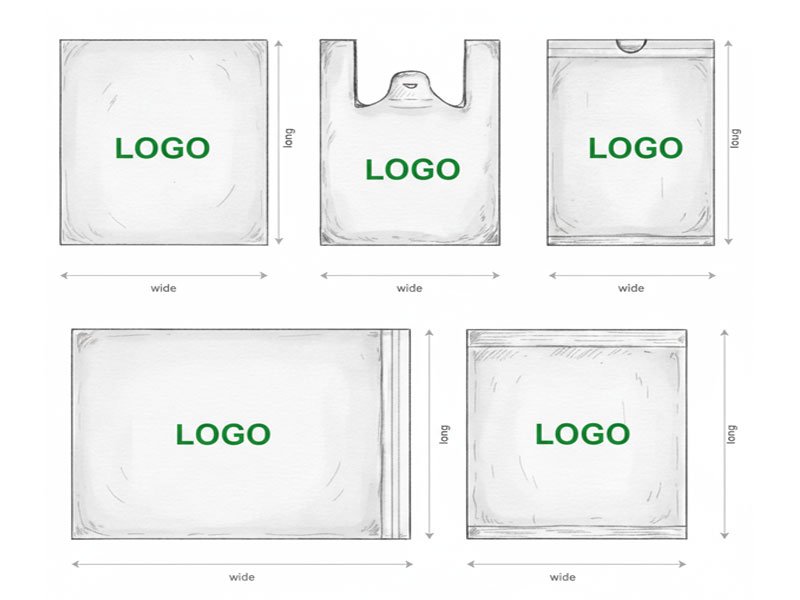
Custom Printing and Branding
Many OEM buyers require custom private label production.
This may include:
- logo printing
- retail packaging
- instruction printing
- multilingual packaging
- QR codes
- custom carton structures
For portable sanitation brands, packaging often becomes part of the user experience itself.
Especially in consumer-facing RV and camping markets.
Storage and Transportation
Portable sanitation liners behave differently depending on storage conditions.
Especially during:
- high-temperature transportation
- long-term warehousing
- humidity exposure
- confined storage
This is particularly important for compostable portable toilet liners.
Because storage stability may change depending on:
- material formulation
- sealing quality
- transportation duration
- environmental conditions
Certifications and Compliance
Many portable sanitation buyers require certification compliance before OEM cooperation.
Common certifications include:
However, certification requirements often depend on the target market and disposal infrastructure.
Different countries may use different compostability standards.
How OEM Development Usually Works
OEM portable toilet liner development usually follows several stages:
- Application analysis
- Material selection
- Size confirmation
- Film structure testing
- Packaging development
- Sample evaluation
- Trial production
- Bulk manufacturing
In many cases, testing under real sanitation environments becomes more important than laboratory specifications alone.
Especially for RV and off-grid sanitation systems.
Who Buys Portable Toilet Liners?
OEM portable toilet liner buyers commonly include:
- RV sanitation brands
- camping equipment brands
- emergency sanitation suppliers
- portable toilet manufacturers
- hygiene packaging companies
- outdoor recreation brands
- disaster relief suppliers
Different buyers often prioritize different operational requirements.
Some focus on odor control.
Others focus on portability, compostability, or long-term storage stability.
Related OEM Guides
Conclusion
Portable toilet liners are not only disposable sanitation products.
They are operational components inside larger portable hygiene systems.
The more I work with portable sanitation manufacturing, the more obvious this becomes:
Different sanitation environments require different liner behavior.
A liner designed for short camping trips may not perform well during extended RV storage.
And a material that works well in cool weather may behave differently during summer transportation.
That is why OEM portable toilet liner development should focus not only on product appearance, but also on real sanitation environments, storage pressure, sealing stability, and operational use conditions.