Leak Resistant Compostable Bags for Hygiene Systems
Portable hygiene systems are becoming more common across travel, camping, RV sanitation, emergency preparedness, and temporary waste containment applications.
As these systems grow, one question appears again and again:
Will the compostable bag leak?
I understand why buyers ask this.
In hygiene-related applications, leak resistance is often more important than appearance, printing, or even compostability claims.
A compostable hygiene bag must perform reliably during temporary use, transportation, and controlled disposal.
This article explains what affects leak resistance in compostable bags, why some structures perform better than others, and what OEM buyers should consider when developing portable hygiene packaging systems.
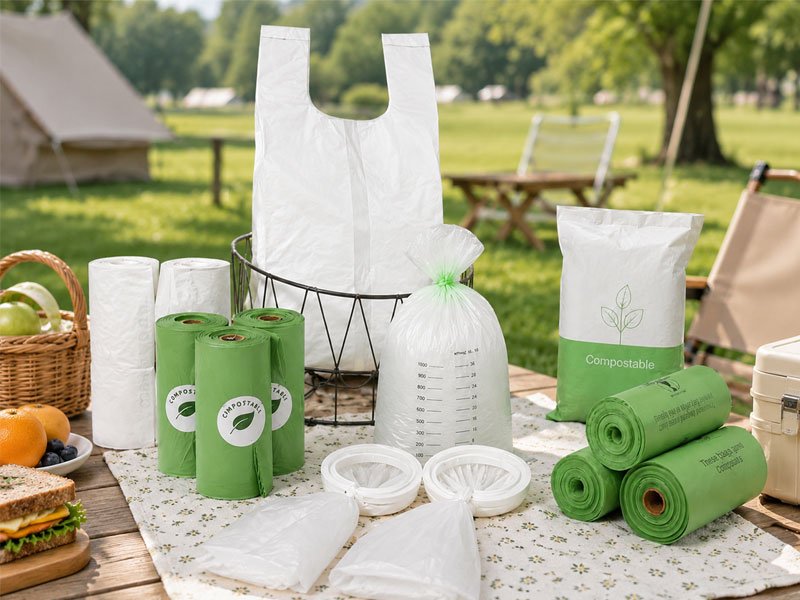
Why Leak Resistance Matters in Hygiene Applications
Leak resistance is important because many hygiene applications involve temporary liquid handling and odor-sensitive waste containment.
This includes:
- portable toilet liners
- travel hygiene bags
- diaper disposal systems
- outdoor sanitation systems
- emergency hygiene kits
In these environments, even a small sealing failure can create handling problems during transport or temporary storage.
Users often care less about whether the bag is “eco-friendly” and more about whether it performs reliably during actual use.
Outdoor sanitation discussions on Reddit frequently focus on leakage, odor containment, and puncture resistance rather than sustainability marketing alone.
That tells us something important.
Real-world use matters.
What Causes Compostable Bags to Leak?
Leak resistance is affected by several factors working together.
Many people assume leaks only come from thin material.
In practice, sealing structure is often just as important as film thickness.
What “Biodegradable” Does NOT Guarantee
Sealing Problems
Weak sealing areas are one of the most common causes of leakage.
Heat sealing temperature, sealing pressure, and sealing width can all affect sealing performance.
Even strong compostable film structures may fail if sealing conditions are unstable during production.
Material Balance
Most leak resistant compostable bags are produced using PLA + PBAT compostable structures.
These materials provide different performance characteristics.
PLA helps improve structure and stiffness.
PBAT improves flexibility and toughness.
The balance between these materials affects:
- flexibility
- sealing stability
- transport durability
- temporary liquid handling
Film Thickness
Film thickness also affects leak resistance.
Thicker compostable film structures may provide better puncture resistance and handling stability during transportation.
However, thickness alone does not guarantee sealing reliability.
A poorly sealed thick bag may still leak.
Moisture Exposure
Compostable materials behave differently from conventional PE plastic.
Extended moisture exposure, heat, and storage conditions can affect performance over time.
In many portable hygiene applications, compostable bags are designed for short-cycle disposal rather than long-term liquid storage.
This is an important difference that buyers should understand early in product development.
Leak Resistance vs Heavy-Duty Bags
Many buyers confuse leak resistance with heavy-duty performance.
They are related, but they are not identical.
A heavy-duty compostable bag may resist tearing during transport.
A leak resistant compostable bag focuses more on:
- sealing reliability
- temporary liquid containment
- controlled disposal
- hygiene handling
For portable hygiene systems, sealing performance is often more important than extreme carrying strength.
Common Leak-Resistant Hygiene Applications
Leak resistant compostable bags are now used in many hygiene and sanitation-related systems.
Portable Toilet Liners
Portable toilet liners are commonly used in:
- camping toilets
- RV sanitation systems
- emergency sanitation kits
- outdoor operational environments
These Portable toilet liner applications usually require stronger sealing structures and stable transport handling.
Travel Hygiene Bags
Travel hygiene bags often prioritize:
- compact portability
- temporary waste containment
- easy storage
- odor-sensitive disposal
Compact roll-format compostable bags are commonly used in these systems.
Diaper & Sanitary Disposal Systems
Compostable hygiene disposal bags are also used for:
- diaper disposal
- sanitary waste containment
- temporary hygiene storage
These applications may require improved sealing structures because moisture exposure is more common.
How OEM Buyers Evaluate Leak Resistance
For OEM compostable hygiene packaging projects, leak resistance is usually evaluated through several factors together.
Film Structure
Different compostable film structures behave differently during sealing and transportation.
Material balance is important.
Sealing Design
Seal width and sealing consistency can strongly affect leak resistance.
This becomes especially important for portable sanitation systems and temporary waste containment applications.
Transportation Conditions
Portable hygiene bags are often stored in:
- backpacks
- vehicles
- RV compartments
- emergency kits
Transportation handling can affect bag performance during real-world use.
Packaging Format
Compact roll systems may also affect handling stability and dispensing performance.
Roll diameter, perforation structure, and packaging tension can influence how the bags behave during use.
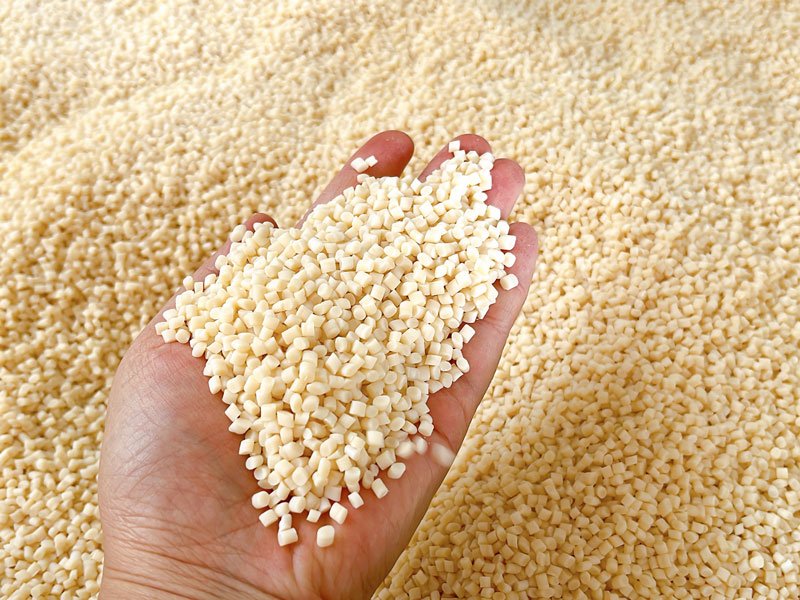
Materials Used in Leak Resistant Compostable Bags
Many leak resistant compostable bags use:
- PLA
- PBAT
- starch-based compostable materials
These compostable film structures are selected because they provide a balance between:
- flexibility
- sealing performance
- portability
- controlled disposal
- temporary liquid handling
Different hygiene applications may require different structures depending on the intended use environment.
Some applications may require thicker films, while others prioritize compact portability and lightweight storage.
Portable Hygiene Packaging Systems vs Standard Trash Bags
Standard trash bags are mainly designed for general waste collection.
Portable hygiene packaging systems often require more specialized structures.
This may include:
- reinforced sealing
- odor-sensitive waste containment
- compact roll-format packaging
- temporary liquid handling
- transport durability
- controlled disposal systems
In many hygiene applications, the packaging structure itself becomes part of the overall sanitation system.
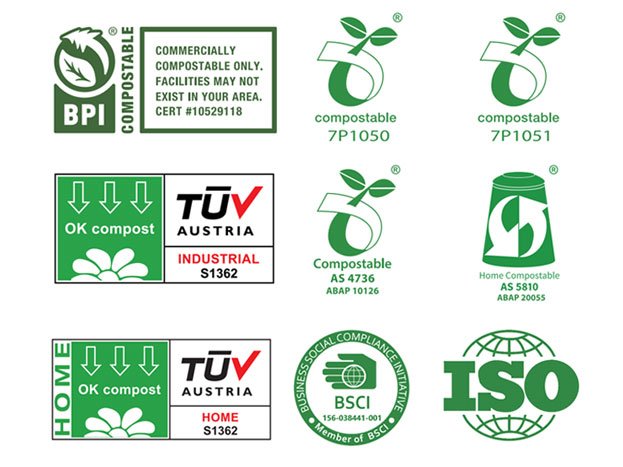
Certifications for Compostable Hygiene Bags
Common certifications for compostable hygiene packaging include:
- EN 13432
- BPI ASTM D6400
- AS4736
- AS5810
- OK Compost INDUSTRIAL
- OK Compost HOME
Certification requirements may vary depending on the target market and local disposal infrastructure.
According to BPI Certification Standards, certified compostable packaging should meet specific compostability requirements under controlled conditions.
The Future of Leak Resistant Compostable Packaging
Portable hygiene systems are becoming more specialized.
As travel sanitation, outdoor recreation, emergency preparedness, and temporary hygiene systems continue to grow, buyers are paying more attention to practical performance rather than simple sustainability claims.
Leak resistance is becoming part of a larger shift toward application-oriented compostable packaging systems.
This includes:
- compact portability
- temporary sanitation handling
- controlled disposal
- odor-sensitive waste containment
- transport durability
The industry is gradually moving beyond simple trash bags toward functional hygiene packaging systems designed around real-world use.
Leak Resistant Compostable Packaging Solutions from ORIZON
At ORIZON, we support OEM and private-label compostable hygiene packaging projects for travel, sanitation, outdoor, and temporary hygiene applications.
We support:
- leak resistant compostable bags
- portable hygiene packaging systems
- compact roll-format packaging
- custom printing
- retail-ready packaging
- private-label programs
- application-oriented packaging development
When discussing OEM hygiene packaging projects, we usually focus first on the intended use environment.
Because in hygiene-related applications, structure often matters more than marketing language.