Portable sanitation is changing in Europe.
Ten years ago, many sanitation-related products were treated as simple disposable bags. Today, the market is moving toward portable hygiene systems designed around storage efficiency, controlled disposal, travel convenience, and temporary sanitation handling.
I see this change most clearly in outdoor travel, vanlife culture, emergency preparedness programs, and portable hygiene applications.
The packaging itself is becoming part of the sanitation system.
This article looks at how portable sanitation packaging is evolving in Europe, why compostable hygiene systems are gaining attention, and what OEM buyers should watch as the market continues to develop.

Why Portable Sanitation Packaging Is Growing in Europe
Several market trends are driving the growth of portable sanitation packaging systems across Europe.
Outdoor Travel & Vanlife Growth
Vanlife, camping, RV travel, and outdoor recreation have grown quickly in many European countries.
These activities often require temporary sanitation systems where permanent infrastructure may not be available.
As a result, demand has increased for:
- portable toilet liners
- travel hygiene bags
- compact sanitation packaging
- temporary waste containment systems
Users want packaging that is easy to carry, easy to store, and practical during travel.
Increased Focus on Hygiene Systems
Portable hygiene systems are also becoming more common outside outdoor recreation.
Many temporary sanitation applications now appear in:
- field-use environments
- emergency preparedness programs
- operational hygiene systems
- temporary work sites
This has created more demand for portable hygiene packaging systems designed around practical handling rather than simple waste collection.
Sustainability Regulations in Europe
Europe continues to push for reduced plastic waste and improved compostability compliance.
According to the European Commission Circular Economy Action Plan, reducing packaging waste and improving sustainable material use remain important priorities across the EU.
This has increased interest in:
- compostable sanitation packaging
- controlled disposal systems
- compostable hygiene packaging
- EN 13432 certified materials
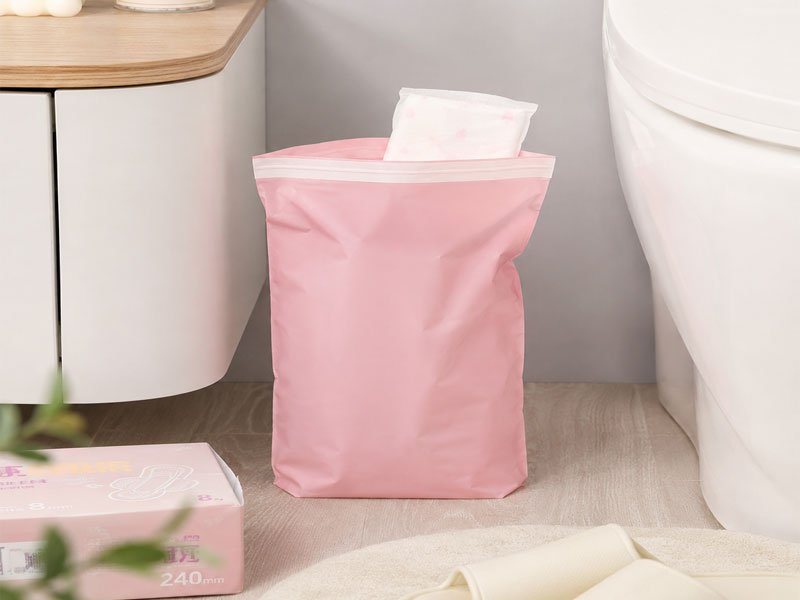
Portable Sanitation Packaging Is Becoming More Specialized
One thing I notice in Europe is that the market is slowly moving away from “one bag fits all.”
Portable sanitation packaging systems are becoming more application-oriented.
Different sanitation systems now require different packaging structures depending on:
- portability
- temporary liquid handling
- odor-sensitive waste containment
- transport durability
- compact storage
- dispensing convenience
This shift is especially visible in portable hygiene systems used for travel and field-use sanitation.
Common Portable Sanitation Applications in Europe
Portable sanitation packaging is now used across many European applications.
Vanlife & RV Hygiene Systems
Portable sanitation systems are increasingly common in vanlife and RV travel across Europe.
These systems often require:
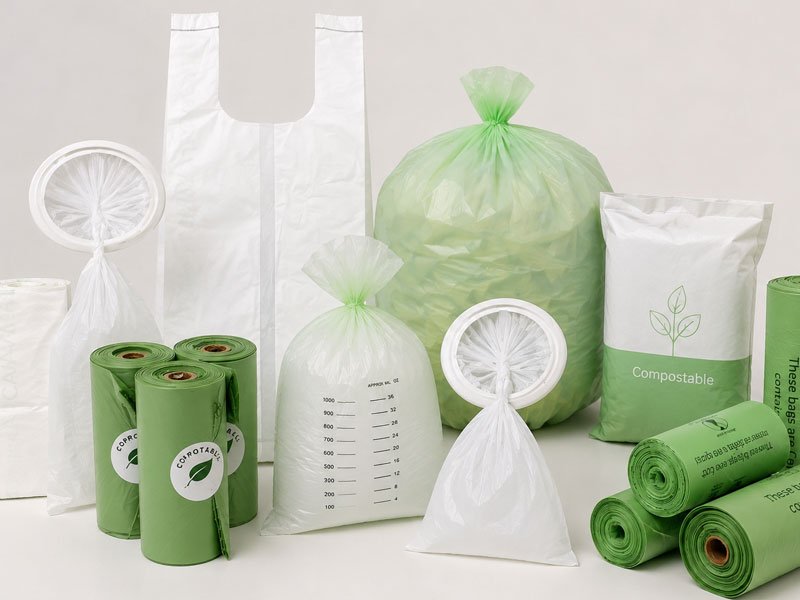
- compact roll-format packaging
- portable storage efficiency
- temporary waste containment
- leak-resistant compostable bags
Storage space is limited in many travel environments.
Compact sanitation packaging becomes important.
Outdoor & Camping Sanitation
Outdoor sanitation systems continue to grow in many European camping markets.
Portable hygiene bags are commonly used for:
- temporary waste handling
- portable toilet systems
- emergency sanitation use
- field-use hygiene systems
In these environments, portability and transport durability are often more important than decorative packaging.
Emergency Preparedness & Temporary Hygiene Systems
Emergency sanitation packaging is also becoming more important in disaster preparedness and temporary operational systems.
Field-use hygiene systems may require:
- compact storage
- portable handling
- controlled disposal
- odor-sensitive waste containment
Temporary sanitation handling has become a larger operational topic in Europe than many people expected a few years ago.
Compact Packaging Systems Are Becoming More Important
One major trend in Europe is the move toward compact sanitation packaging systems.
Many portable hygiene systems now use:
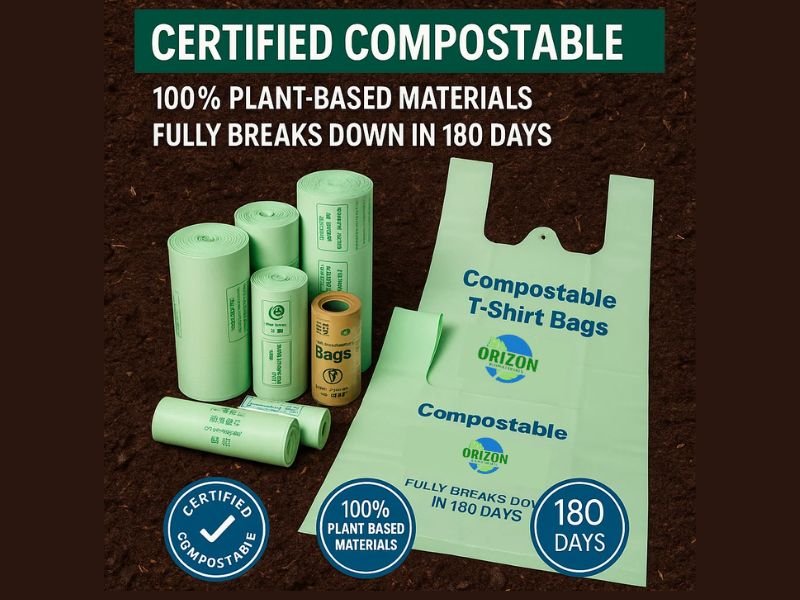
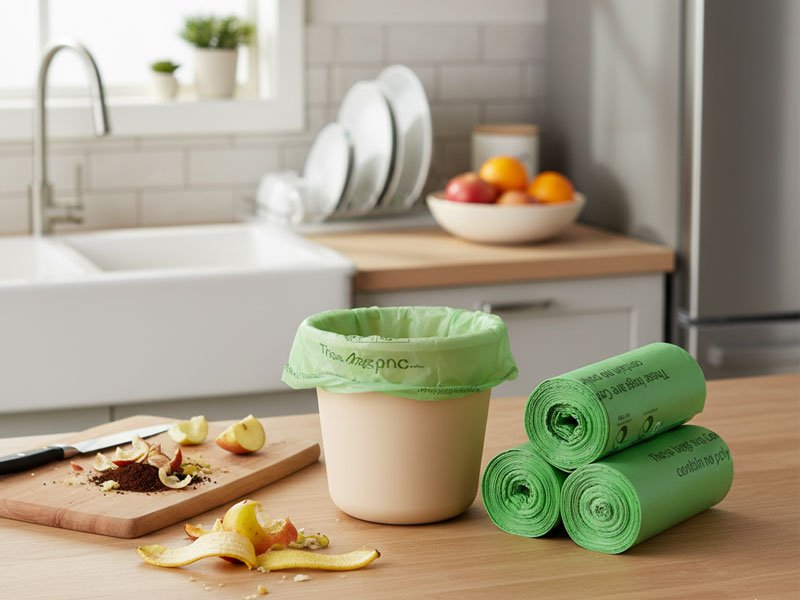
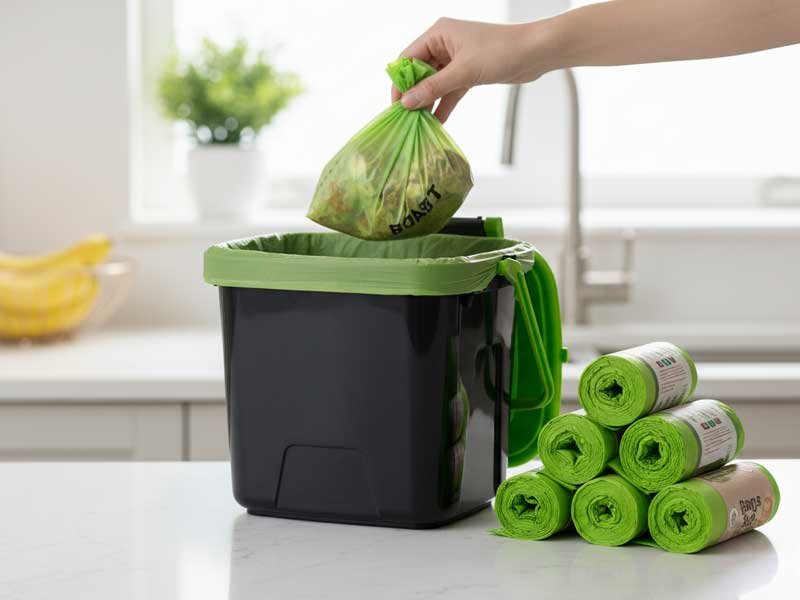
- compact roll compostable bags
- mini roll systems
- dispenser-compatible packaging
- lightweight travel packaging
This helps improve:
- storage efficiency
- transportation handling
- portability
- operational organization
For OEM projects, roll diameter and packaging format are becoming more important design considerations.
Odor Control & Leak Resistance Matter More Than Marketing
In many portable sanitation applications, users care more about practical performance than sustainability slogans.
A bag that leaks during transport creates a much bigger problem than a missing eco label.
That is why many European buyers now focus more on:
- sealing performance
- leak resistance
- odor-sensitive waste containment
- transport durability
- temporary liquid handling
Portable sanitation packaging is increasingly evaluated as a functional system rather than a simple disposable product.
Materials Used in Portable Sanitation Packaging
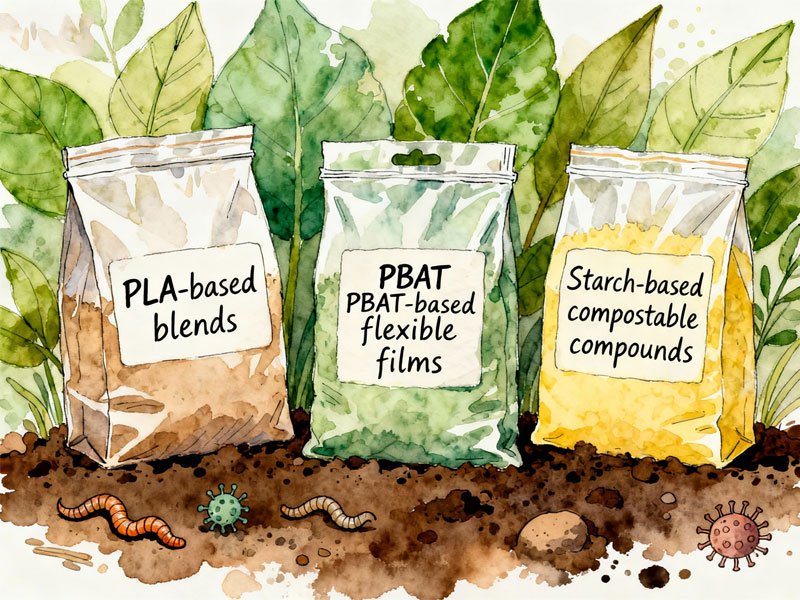
Many portable sanitation packaging systems in Europe use:
- PLA
- PBAT
- starch-based compostable materials
These compostable film structures are commonly selected because they provide a balance between:
- flexibility
- sealing performance
- portability
- controlled disposal
- temporary hygiene handling
Different applications may require different material structures depending on the expected use environment.
In many portable hygiene systems, compostable packaging is designed for short-cycle disposal rather than long-term liquid storage.
This is an important difference that buyers should understand early in product development.
EN 13432 & Compostability Compliance in Europe
EN 13432 remains one of the most important compostability standards in Europe.
According to European Bioplastics EN 13432 Guide, EN 13432 defines requirements for industrial compostability under controlled conditions.
For many European distributors and sanitation brands, compostability compliance is becoming increasingly important when evaluating portable hygiene packaging systems.
This is especially true for:
- compostable hygiene bags
- portable toilet liners
- sanitation packaging systems
- temporary hygiene applications
OEM & Private Label Opportunities in Europe
Many European distributors are now looking for OEM compostable hygiene packaging suppliers that can support specialized sanitation applications.
OEM customization options may include:
- compact roll systems
- custom bag dimensions
- dispenser-compatible formats
- multilingual packaging
- retail-ready packaging
- custom printing
- operational bulk packaging
- private-label branding
Different European markets may also require different packaging structures depending on local sanitation systems and disposal infrastructure.
The Future of Portable Sanitation Packaging in Europe
Portable sanitation packaging in Europe is becoming more specialized, more portable, and more application-oriented.
The market is gradually moving beyond standard trash bags toward packaging systems designed around:
- travel hygiene
- field-use sanitation
- compact operational storage
- temporary hygiene handling
- controlled disposal
- odor-sensitive waste containment
For OEM manufacturers, this creates opportunities to develop portable hygiene packaging systems designed for real operational use rather than simple disposal alone.
Portable Sanitation Packaging Solutions from ORIZON
At ORIZON, we support OEM and private-label portable sanitation packaging projects for travel, outdoor, field-use, and temporary hygiene applications.
We support:
- compostable hygiene packaging
- portable sanitation systems
- compact roll-format packaging
- leak-resistant compostable structures
- custom printing
- retail-ready packaging
- private-label programs
- application-oriented packaging development
When discussing European sanitation packaging projects, we usually begin with the intended use environment.
Because in portable sanitation systems, handling reliability and portability often matter as much as the material itself.